By Charles Linden
Charles Linden | The Institute of Applied Psychophysiology | 30 years clinical experience
The desire to recover from anxiety without medication is widespread and legitimate. In the United States, anxiety disorders affect more than 40 million adults — and a significant proportion are seeking recovery through non-pharmacological means, whether because medication hasn't worked, because of side effects, because of concerns about dependency, or simply because they don't want to manage anxiety indefinitely with a drug.
What Medication Does — and Doesn't Do
SSRIs and SNRIs — the most commonly prescribed medications for anxiety — regulate serotonin and norepinephrine levels in a way that reduces the severity of anxiety symptoms. For many people, this makes daily functioning more manageable. For some, it is a crucial short-term intervention. What medication does not do is address the underlying amygdala sensitization that produces the anxiety. When medication is discontinued, the anxiety typically returns — because nothing has changed in the neurological system that generates it.
Benzodiazepines: Short-Term Relief, Long-Term Risk
Benzodiazepines (Xanax, Valium, Klonopin, Ativan) produce rapid relief of anxiety symptoms but carry significant risks of dependency and cognitive effects with prolonged use. The FDA has added black box warnings to these medications. Many people who have relied on them for years find discontinuation profoundly difficult. They are not, by any definition, a route to recovery.
Non-Medication Approaches That Produce Real Results
- Approaches that address amygdala sensitization directly (The Linden Method)
- Cognitive Behavioural Therapy — effective for some presentations, but often produces management rather than cure
- Regular aerobic exercise — consistently shown to reduce anxiety symptoms
- Sleep optimization — disrupted sleep dramatically worsens anxiety
- Dietary factors — caffeine, alcohol, and blood sugar instability all exacerbate anxiety
- Reduction of safety behaviours and avoidance — necessary but challenging without a structured framework
The Distinction Between Management and Cure
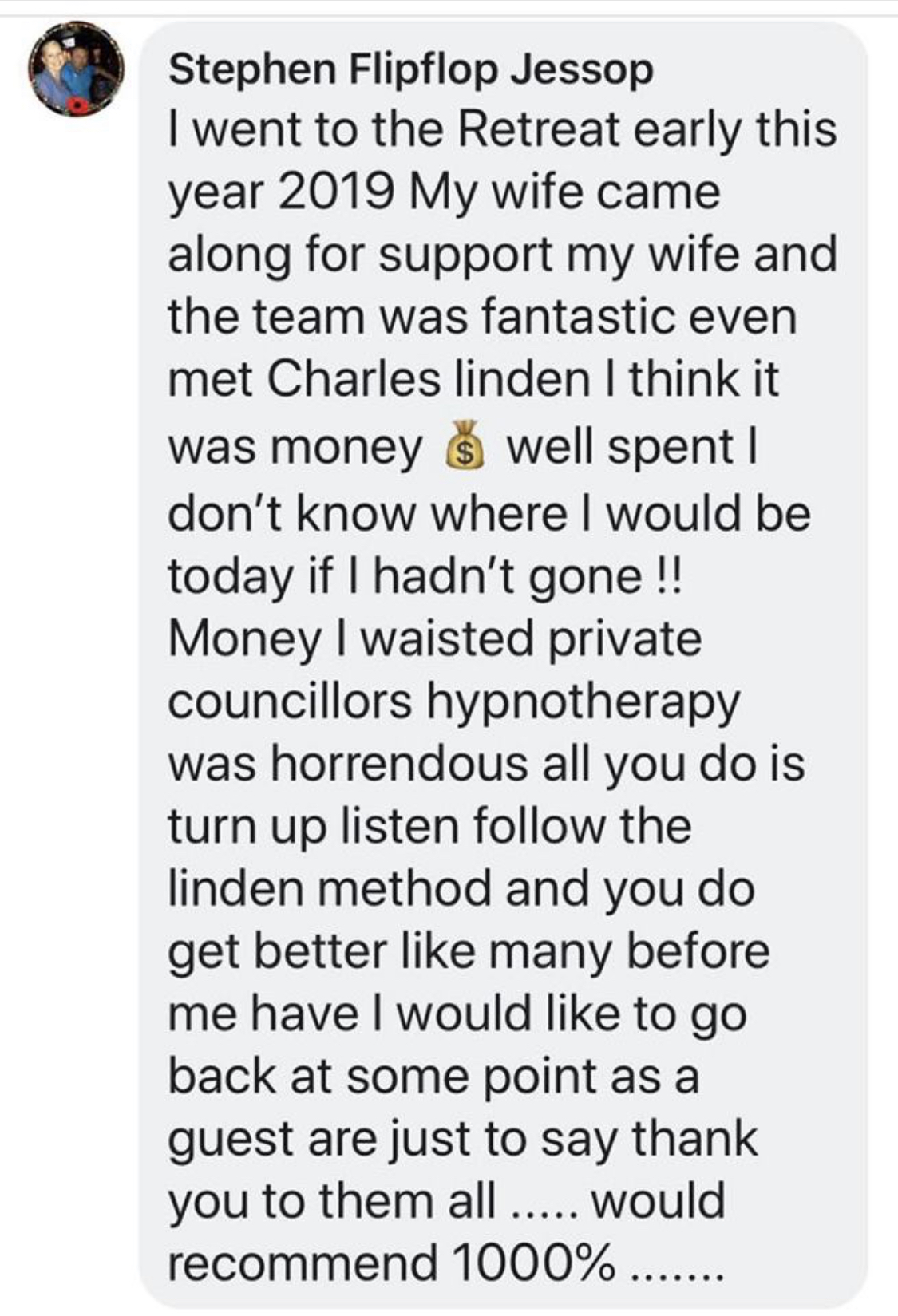
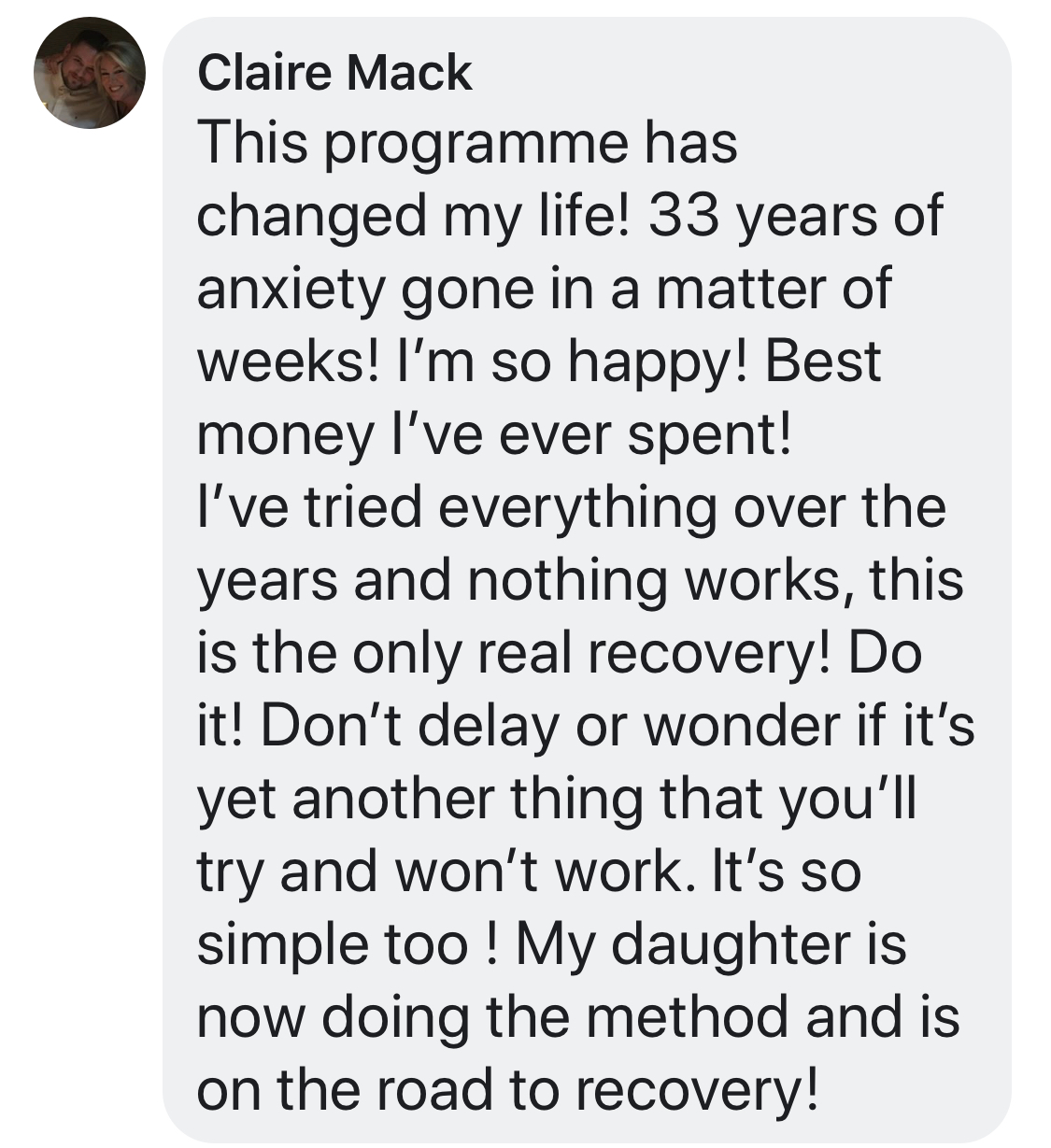
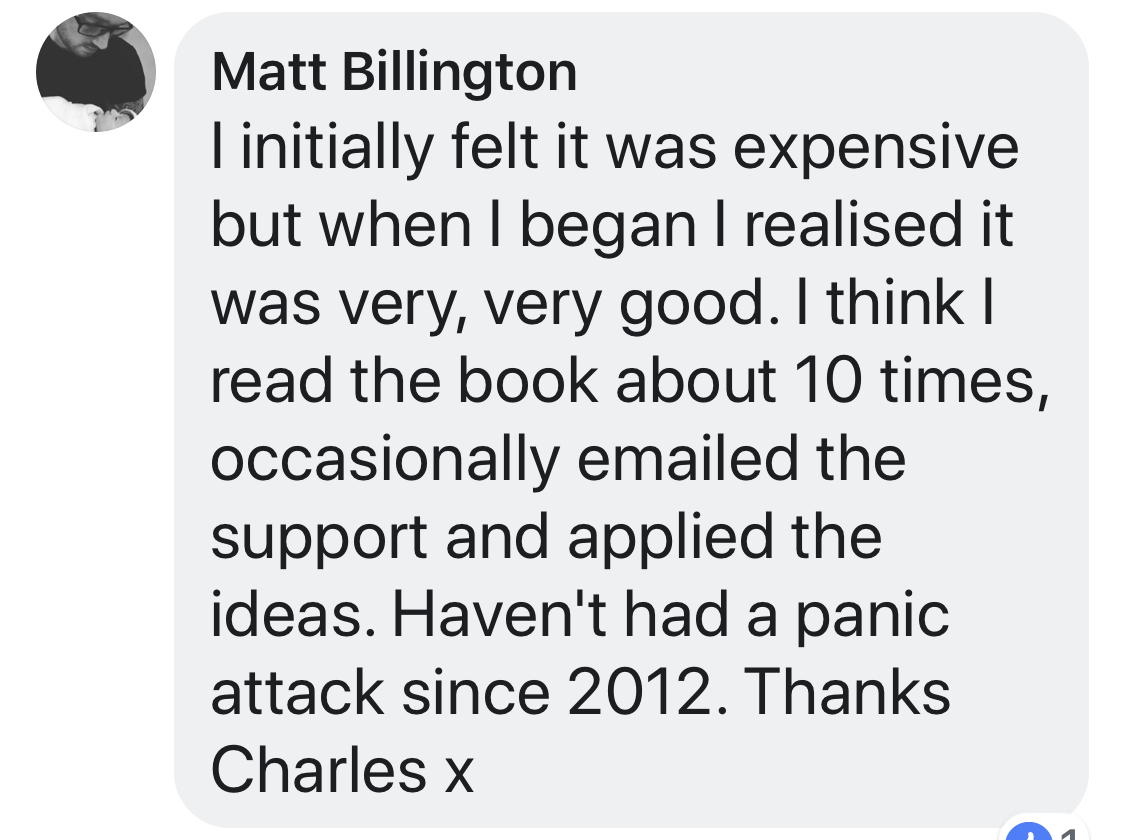
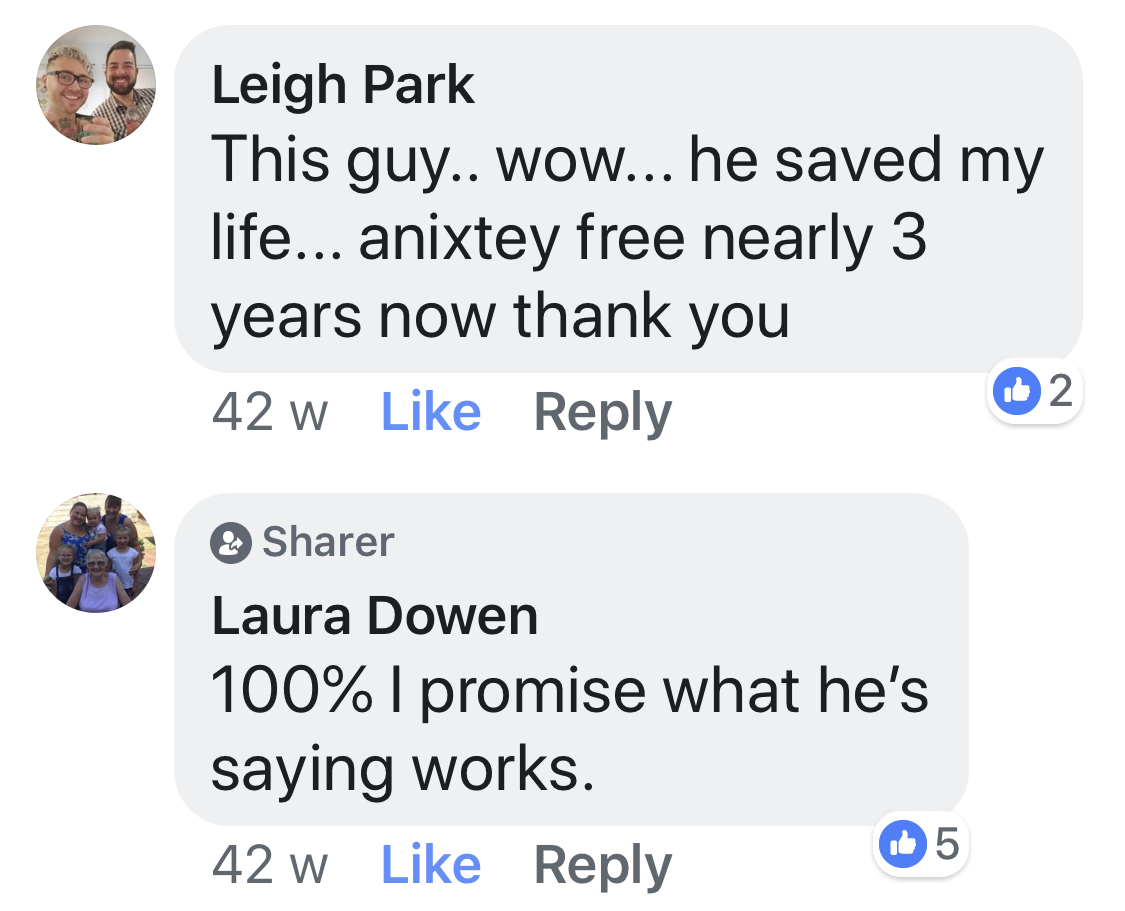
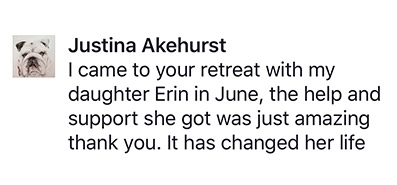
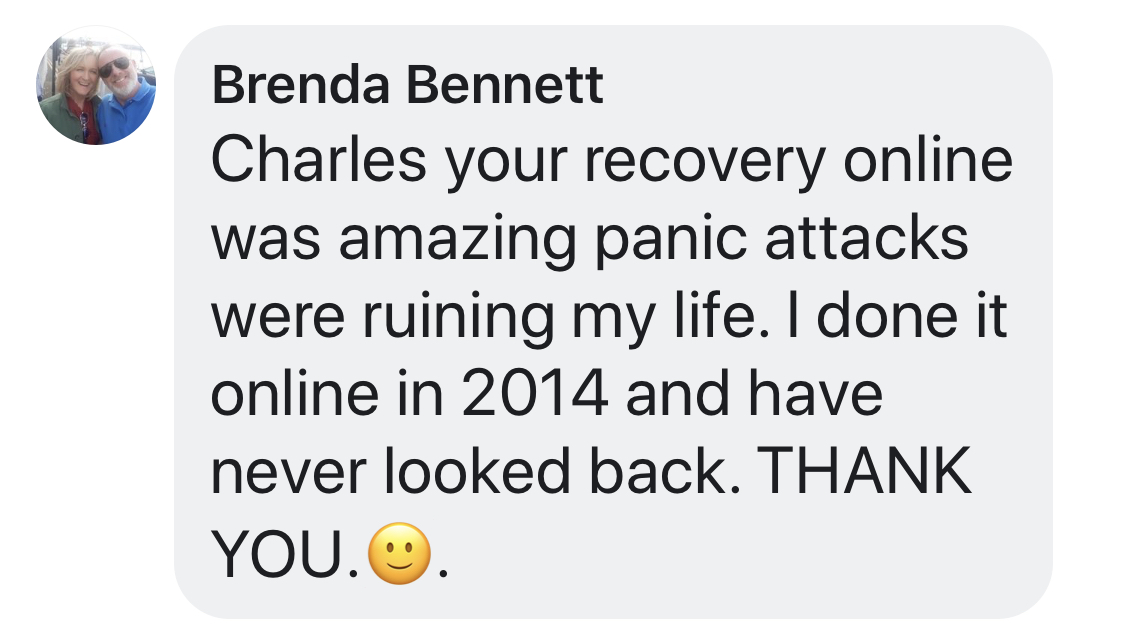
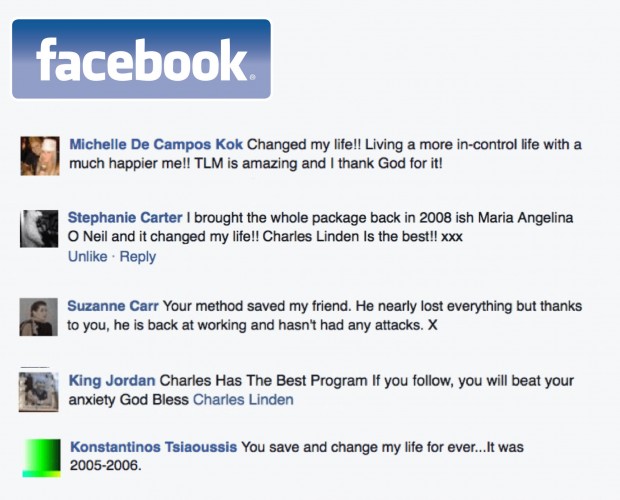
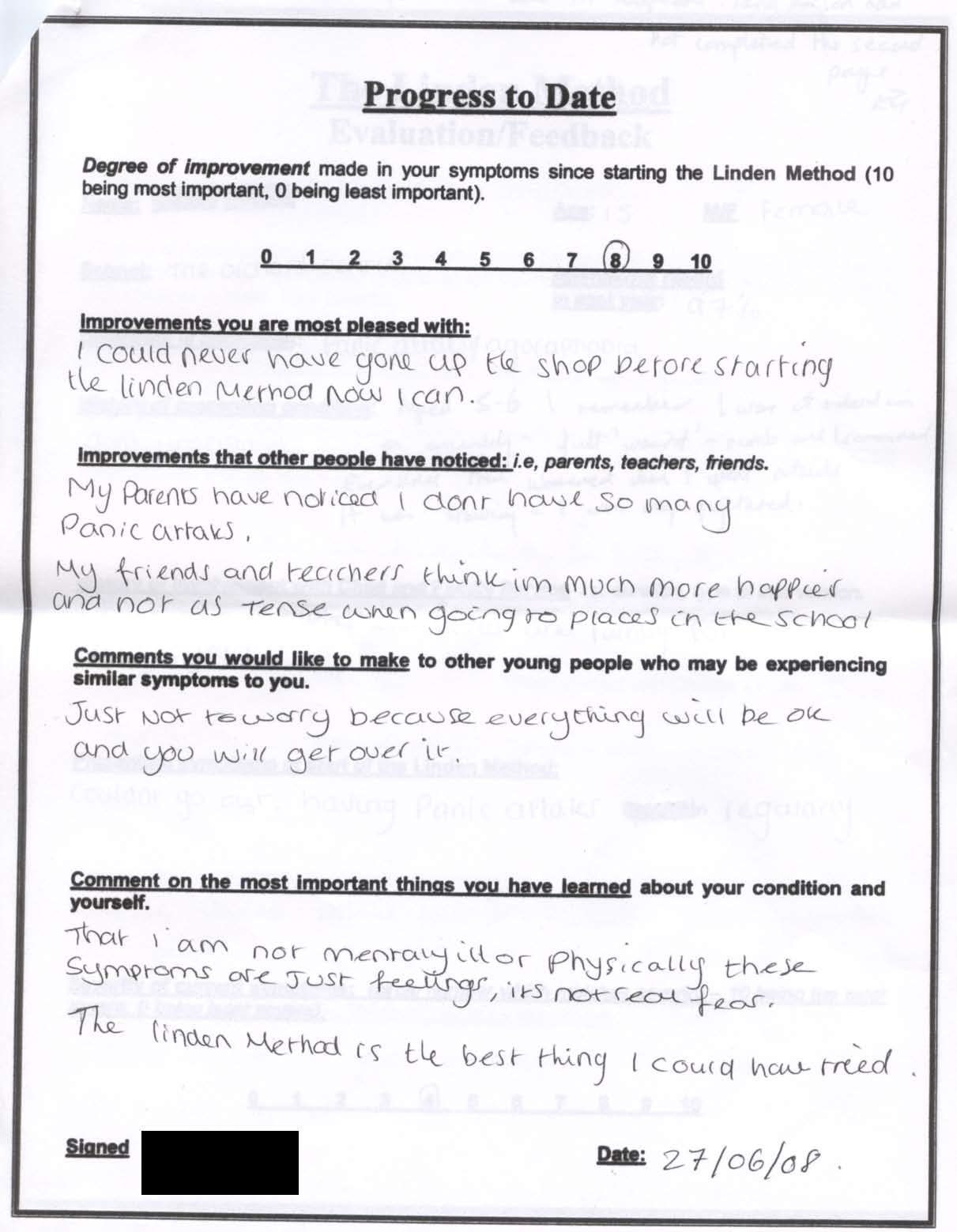
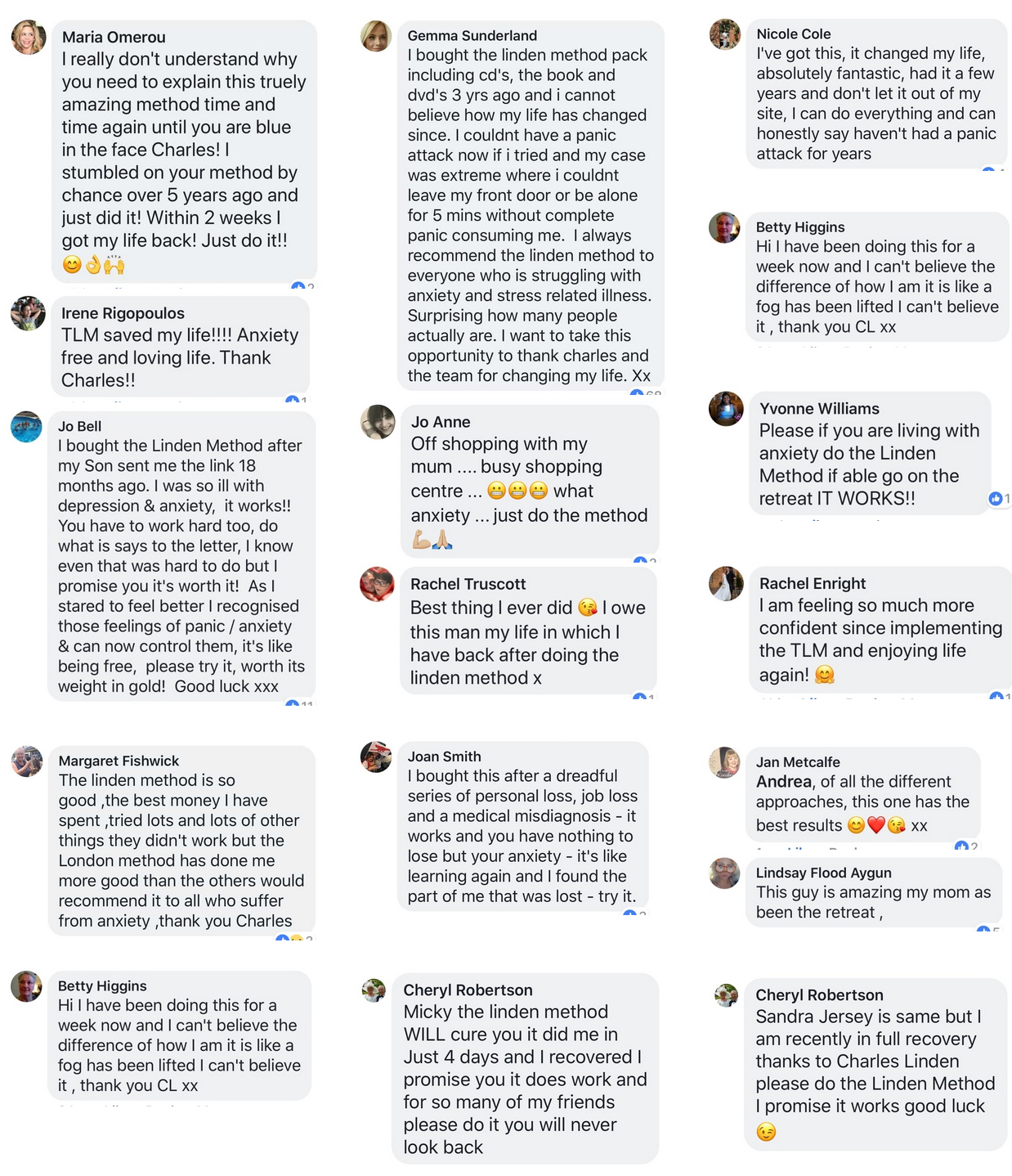
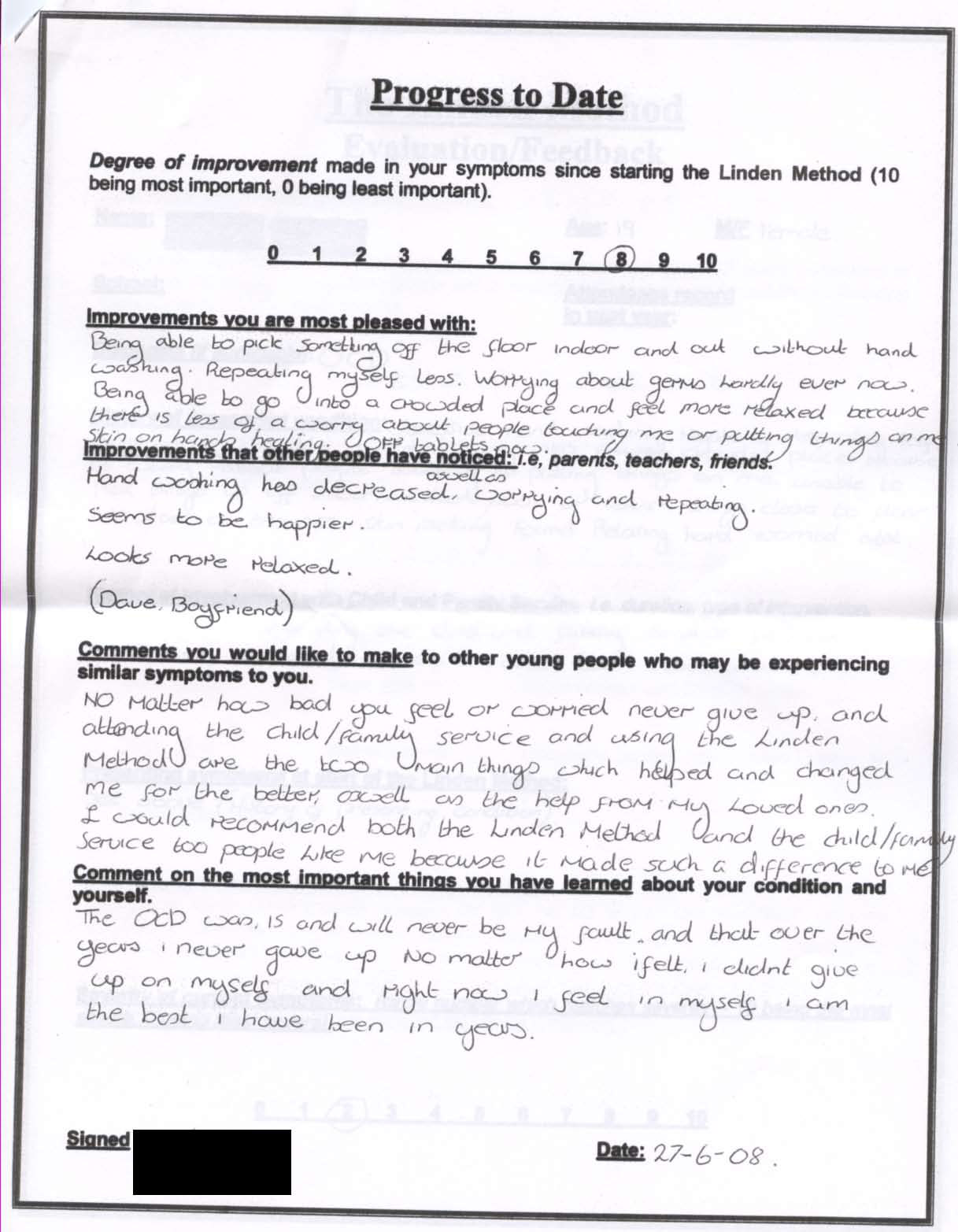
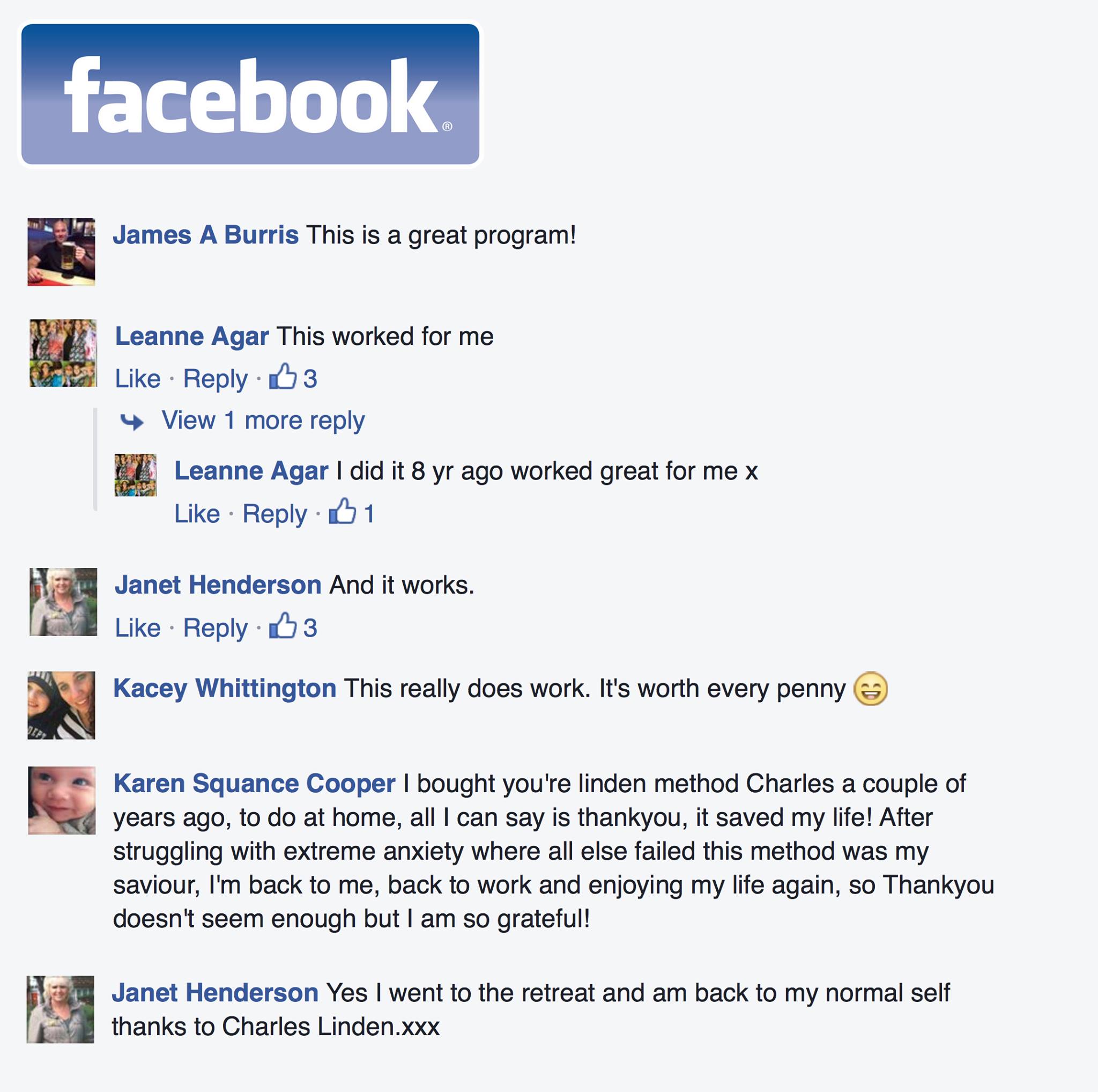
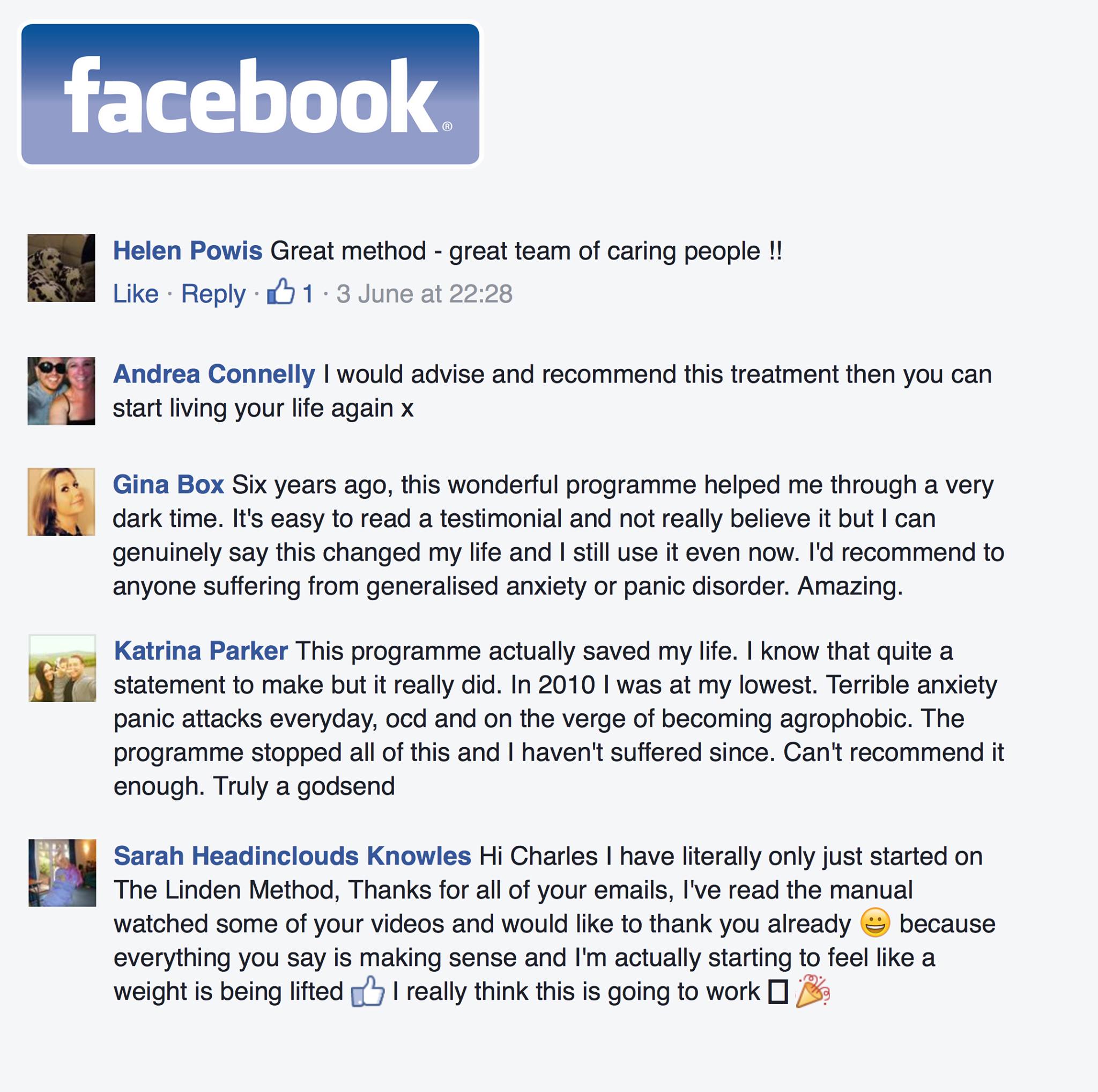
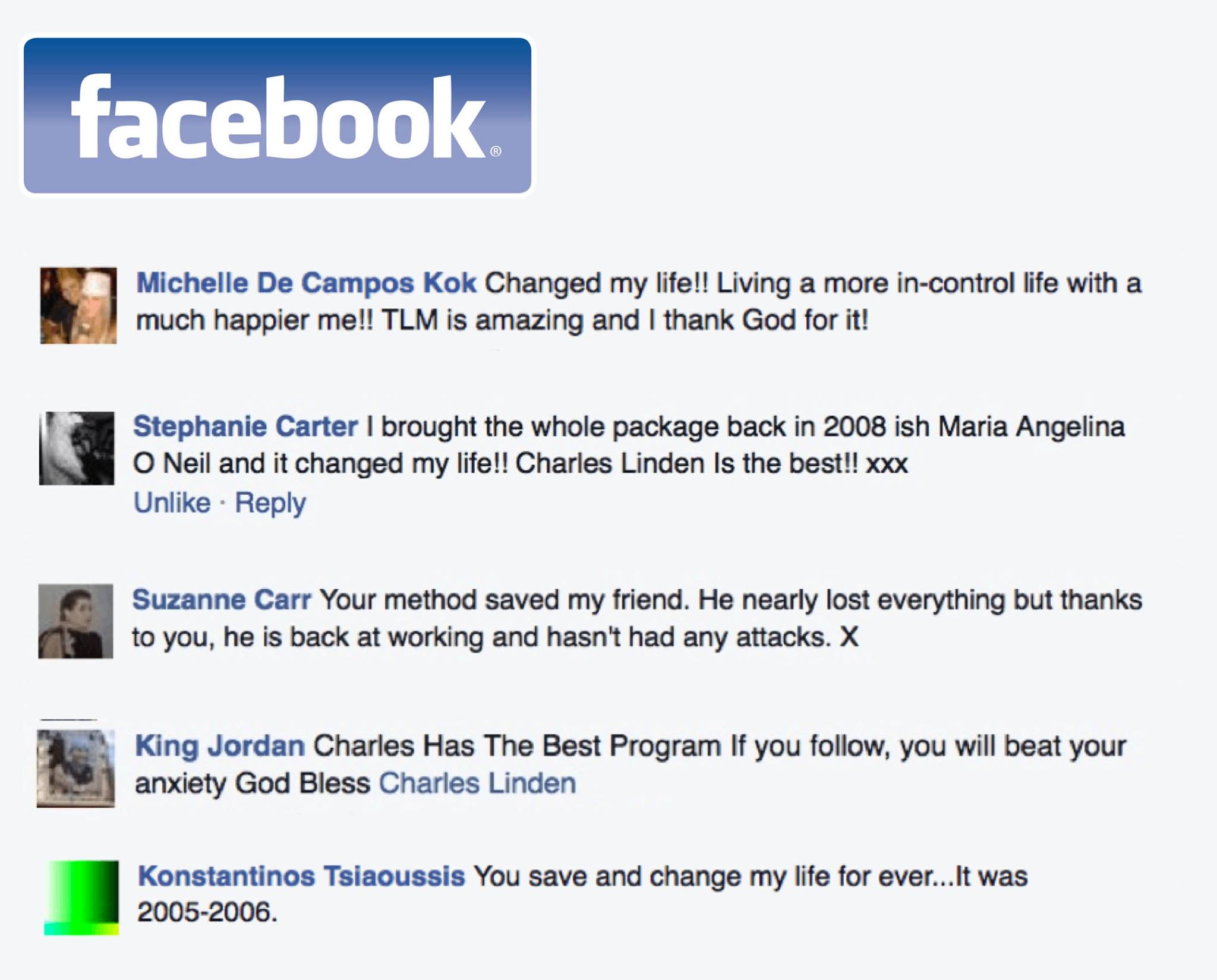
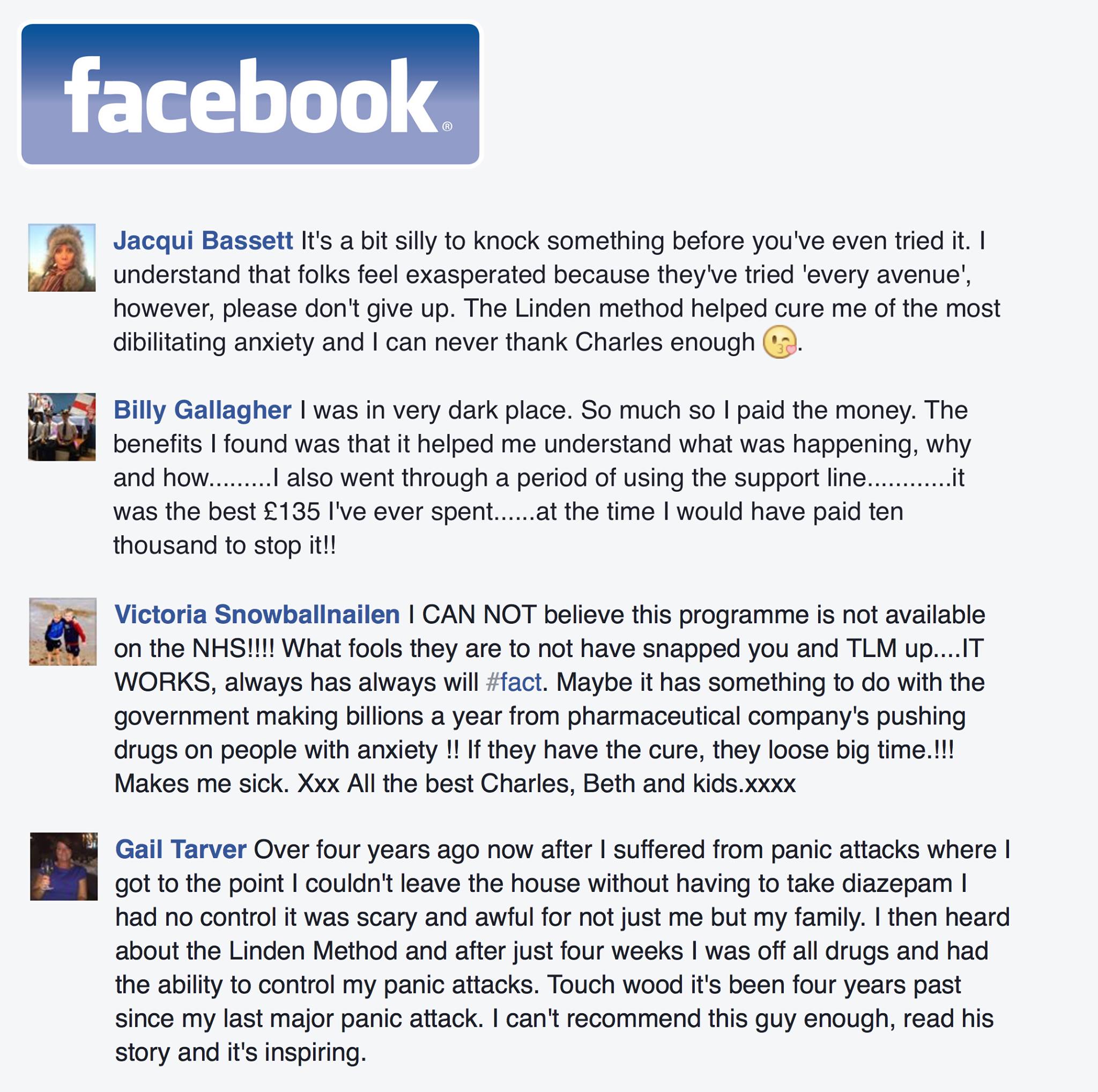
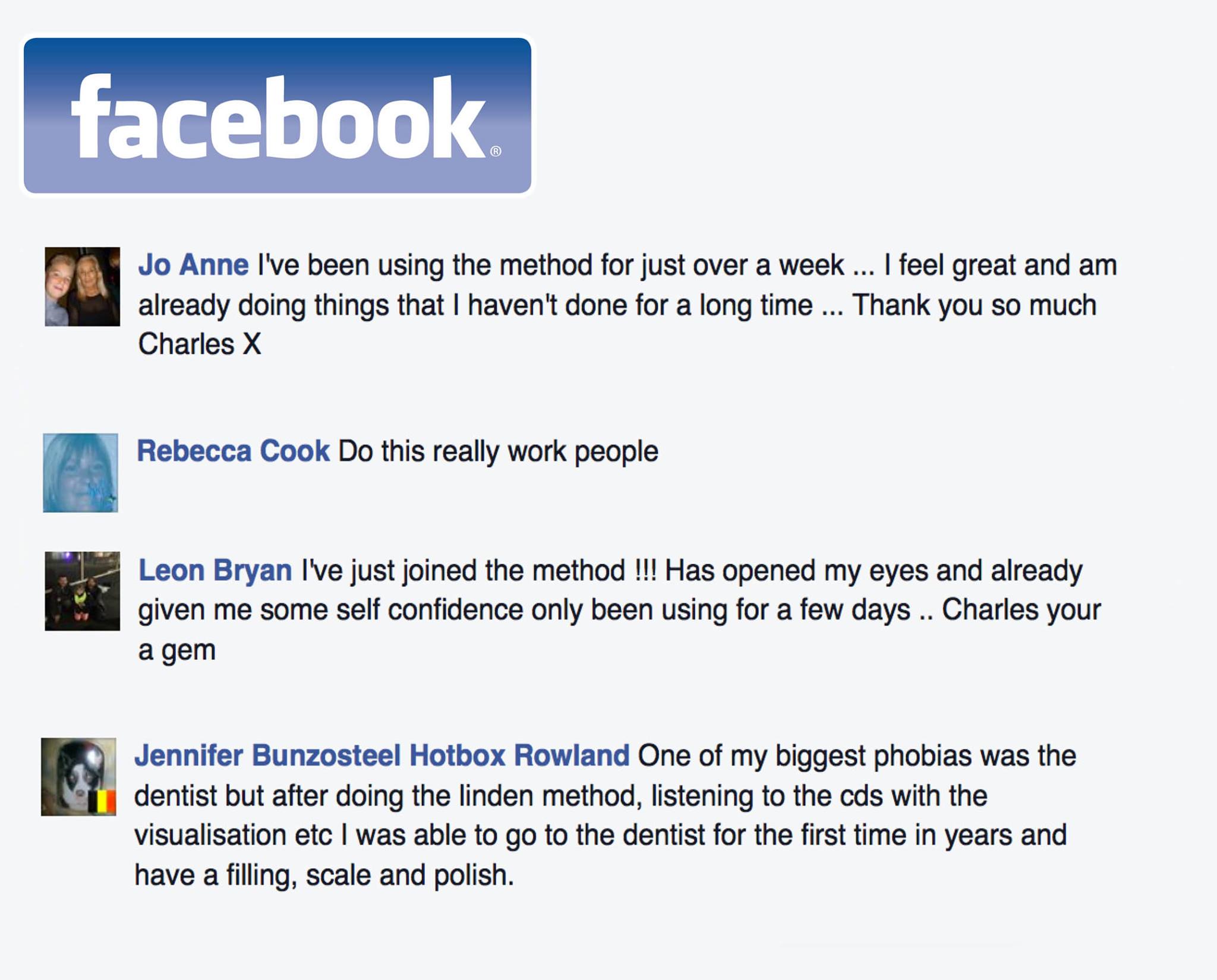
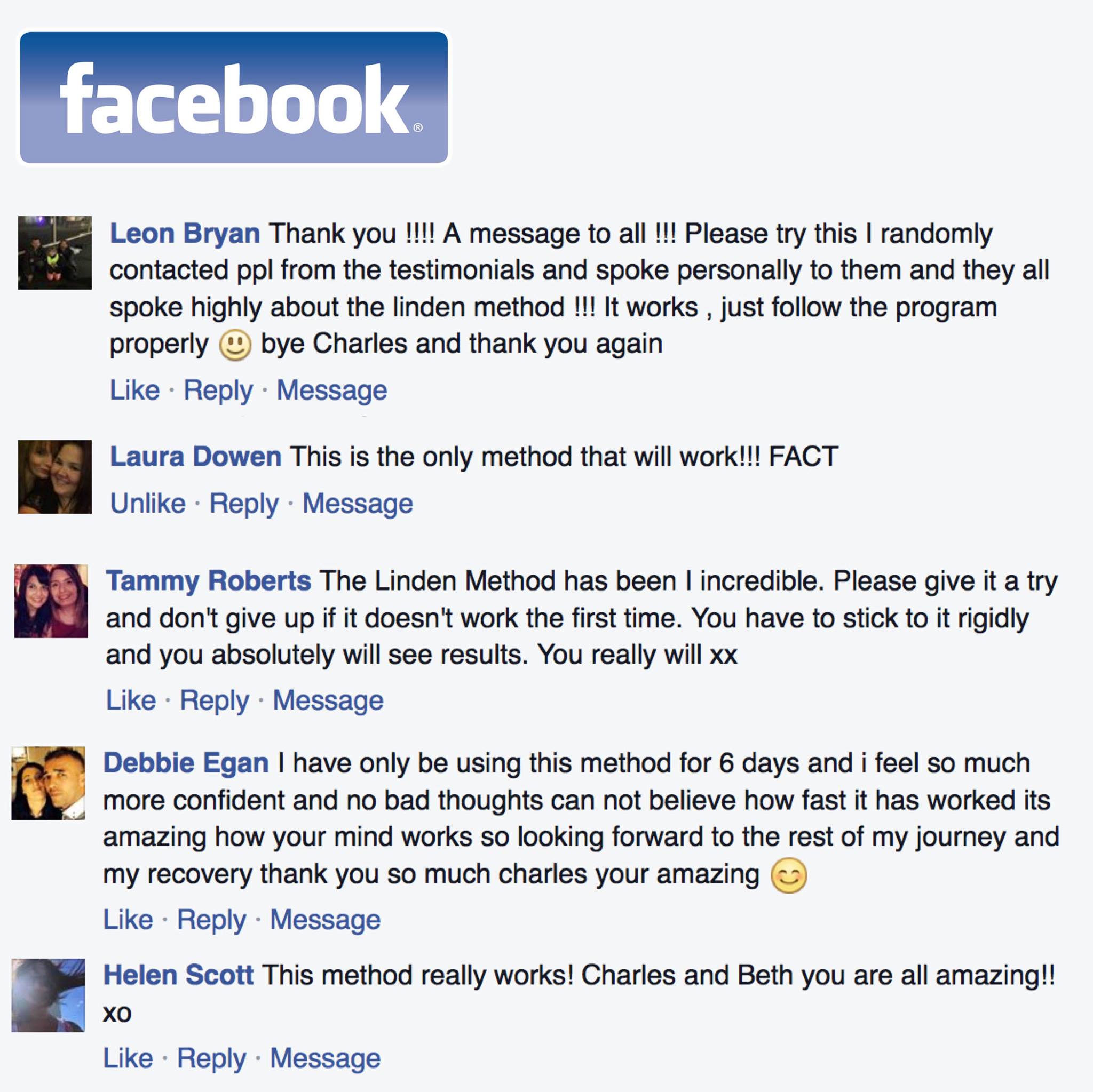
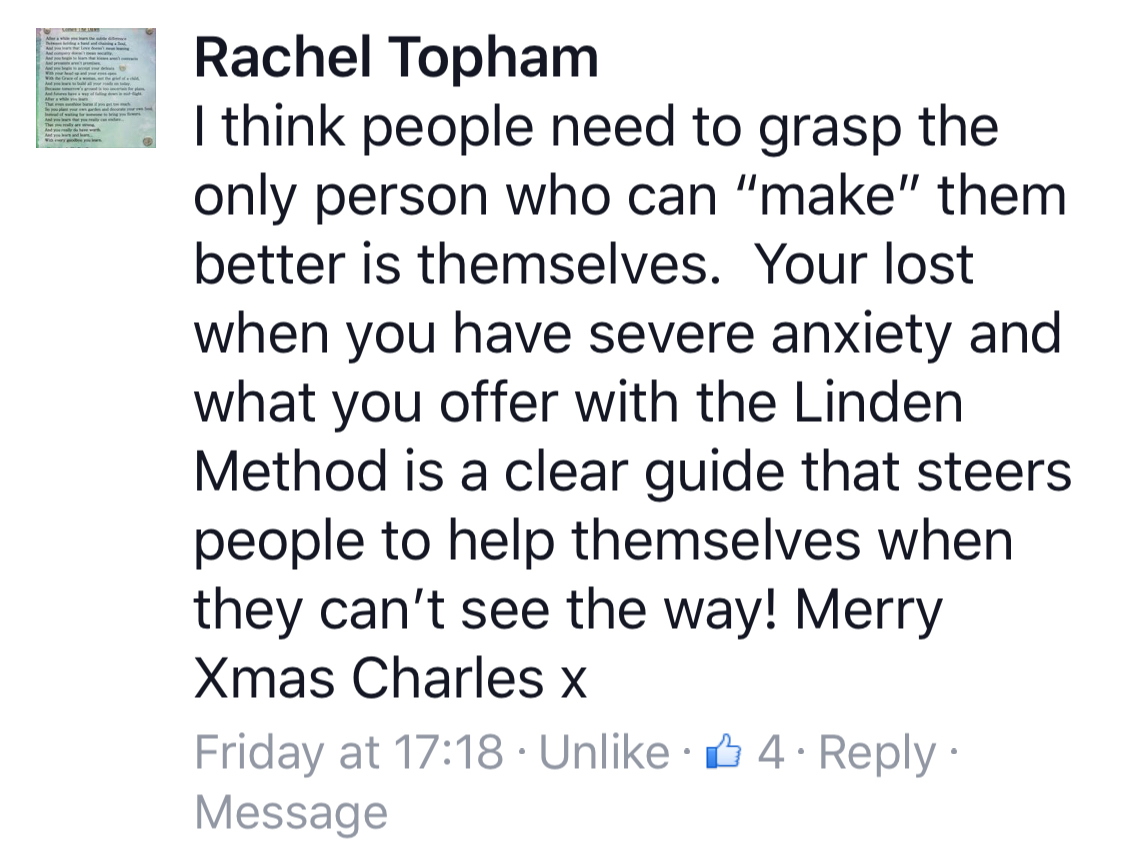
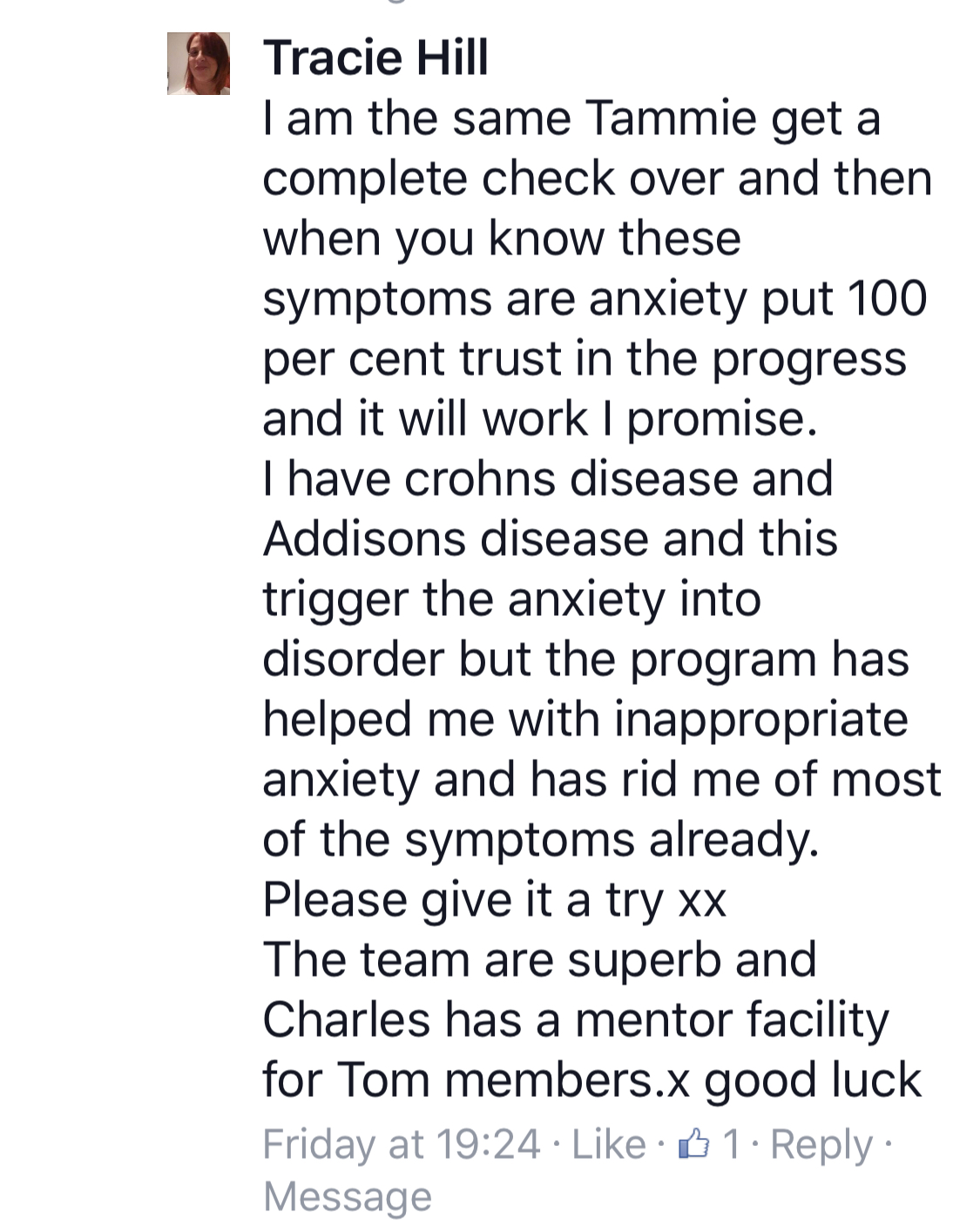
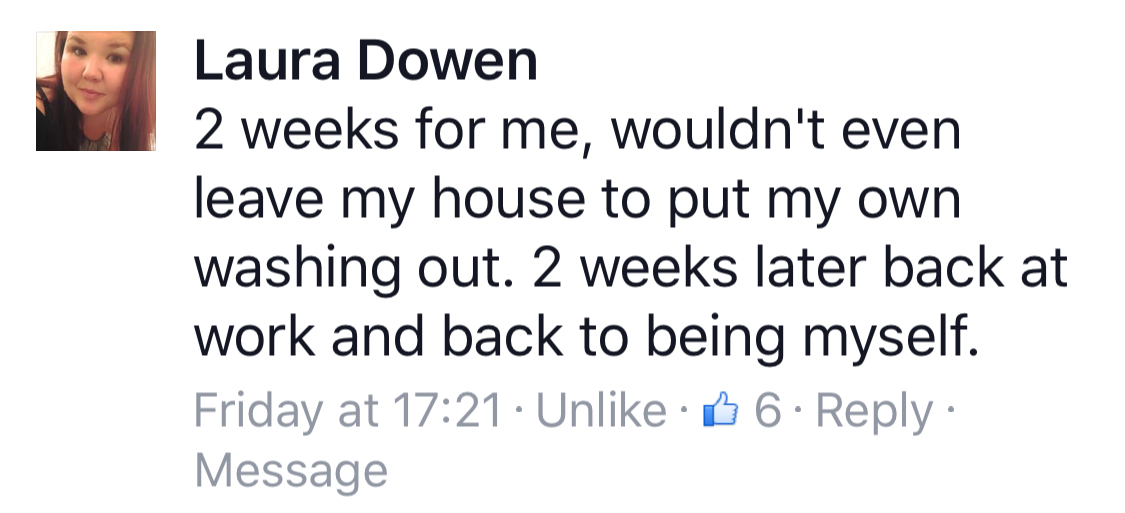
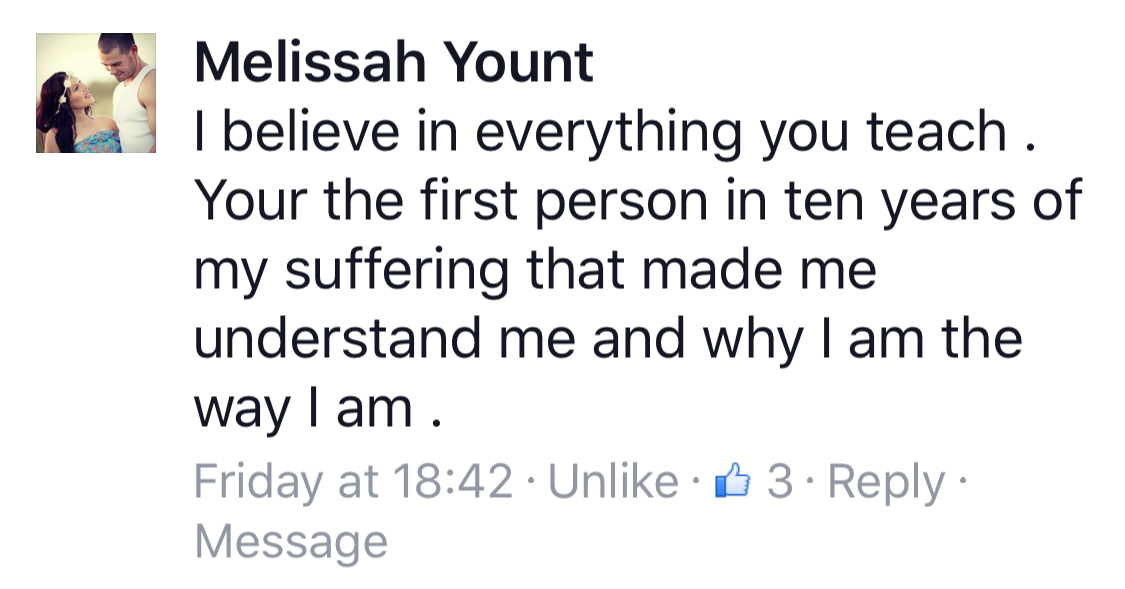
Most non-medication approaches — like medication — produce management rather than cure. They make anxiety more tolerable. The Linden Method aims for something different: complete normalisation of the amygdala's threat threshold, producing a state where anxiety is no longer part of daily experience. 650,000 recoveries since 1996 demonstrate that this is achievable — without medication, without indefinite coping strategies, and without the anxiety returning when the treatment ends.
A free guide from Charles Linden
Get Why Anxiety Keeps Coming Back — and the first step toward recovery, delivered straight to your inbox.
No spam. Unsubscribe anytime.
What Non-Medication Recovery Actually Requires
Recovering from anxiety without medication is biologically achievable — but it requires more than a list of lifestyle modifications. It requires a structured recovery protocol that addresses amygdala sensitization at its neurological source. The difficulty is that most non-medication anxiety approaches are wellness interventions — valuable for general wellbeing but insufficient as treatments for established anxiety disorders. The gap between feeling somewhat better and recovering completely is the gap between symptom management and neurological resolution.
Sleep and the Anxious Brain: A Critical Relationship
Sleep deprivation is one of the most powerful maintainers of amygdala sensitization. Research consistently shows that even a single night of poor sleep significantly increases amygdala reactivity to perceived threats. Chronic sleep disruption — nearly universal in anxiety disorders — creates a self-reinforcing cycle: anxiety disrupts sleep, sleep disruption increases amygdala reactivity, increased reactivity worsens anxiety. Addressing sleep quality is not simply a lifestyle recommendation; it is a critical component of neurological recovery. The Linden Method specifically addresses sleep as a core element of its structured recovery program.
Exercise and Anxiety: Real Benefits Within Realistic Scope
Regular aerobic exercise has a well-documented anxiolytic effect: it reduces cortisol, increases GABA (the brain's primary inhibitory neurotransmitter), promotes hippocampal neurogenesis, and releases endorphins. For these reasons, exercise is a valuable component of recovery. What it is not, by itself, is sufficient to resolve an established anxiety disorder. The person who exercises regularly will be physically healthier and somewhat less symptomatic — but the amygdala sensitization that is the root of the disorder requires more targeted intervention.
Caffeine, Alcohol, and Blood Sugar: Physiological Triggers
Caffeine directly stimulates the same physiological state as mild anxiety — elevated heart rate, heightened alertness, slight breathlessness. For a sensitized amygdala, these are threat signals that can trigger the anxiety cascade. Reducing caffeine can meaningfully reduce anxiety intensity, especially in early recovery. Alcohol presents a different dynamic: it temporarily reduces anxiety via GABA modulation, but its aftermath — blood sugar instability, sleep disruption, and a morning cortisol spike — consistently worsens anxiety the following day. Blood sugar instability from irregular eating also produces cortisol responses that the sensitized amygdala misinterprets as threat.
The Structured Recovery Approach
Lifestyle optimisation creates the physiological conditions in which neurological recovery is more accessible. It is not recovery itself. The specific change required for full recovery — the amygdala's firing threshold returning to its normal baseline — requires a protocol that addresses every dimension of amygdala calibration simultaneously: behaviour, physiology, lifestyle, the systematic removal of safety behaviours, and consistent safety evidence provided at a subcortical level. The Linden Method's structured program addresses all of these together.
The Linden Method's record with non-medication recovery spans three decades and includes hundreds of thousands of people who had previously been on medication for years. Recovery does not require prior medication discontinuation — people on prescribed medication use the Method under their prescribing clinician's ongoing supervision. As recovery progresses, the need for medication typically reduces naturally, making discontinuation a consequence of recovery rather than a precondition for it.
The only recovery protocol. Not management.
Stop Managing Anxiety. Remove It Permanently.
CBT teaches coping skills. Medication suppresses symptoms while you take it. The Linden Method targets the biological source directly — the only structured protocol with 650,000 verified full recoveries since 1996. Unlimited coach support included from day one.
Related Condition Pages
For complete anxiety recovery, visit The Linden Method →
Also in The Institute of Applied Psychophysiology Network