By Charles Linden
Charles Linden | The Institute of Applied Psychophysiology | 30 years clinical experience
OCD treatment is dominated by two approaches: exposure and response prevention (ERP), and SSRI medication. These are the standard recommendations from major clinical bodies and they have a place. The question that goes largely unasked is whether they actually produce recovery — or whether they produce reduced symptoms while the underlying disorder remains in place.
How treatments compare on what they can deliver
| Approach | What it delivers | Long-term outcome |
|---|---|---|
| Cognitive Behavioural Therapy (CBT) | Cognitive coping skills | Symptom management; significant relapse rates documented |
| Exposure & Response Prevention (ERP) | Behavioural reduction of compulsions | High drop-out; meaningful relapse rates |
| SSRIs / SNRIs | Pharmacological symptom suppression while taken | High relapse on discontinuation |
| Benzodiazepines | Acute relief; rapid onset | Tolerance and dependence with prolonged use |
| Mindfulness, breathing, grounding | In-the-moment coping | Useful as wellness; not a treatment |
| Apps & supplements | Light-touch support | Not treatments for anxiety disorders |
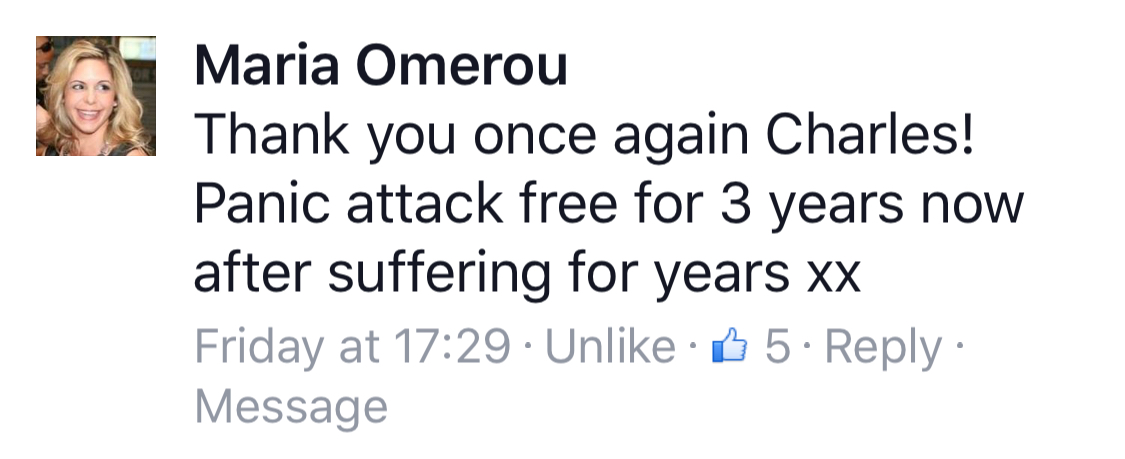
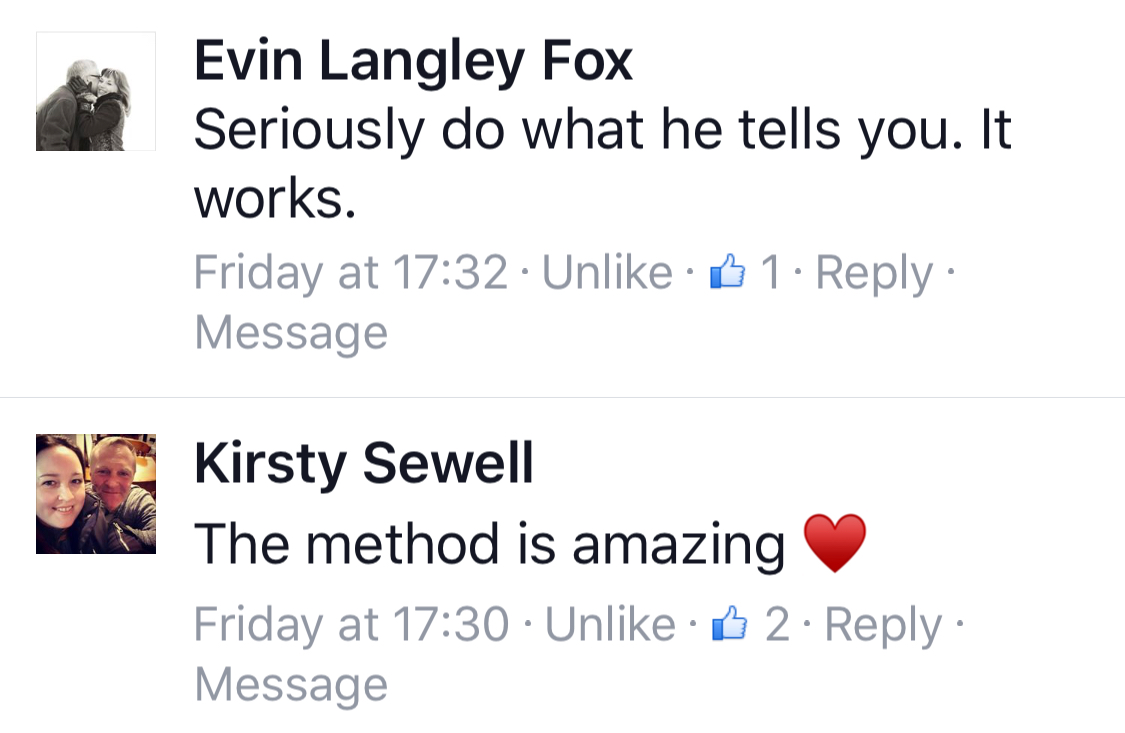
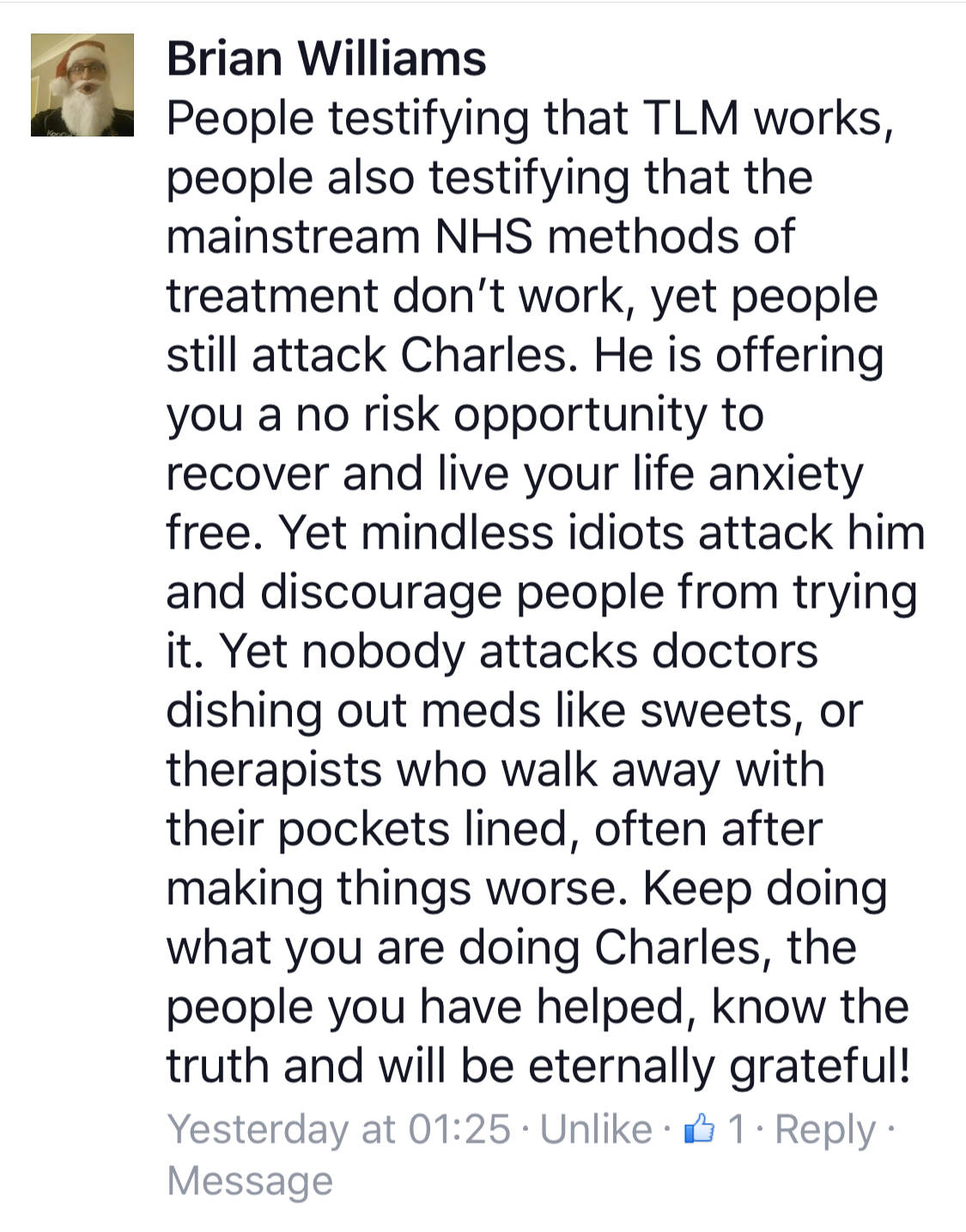
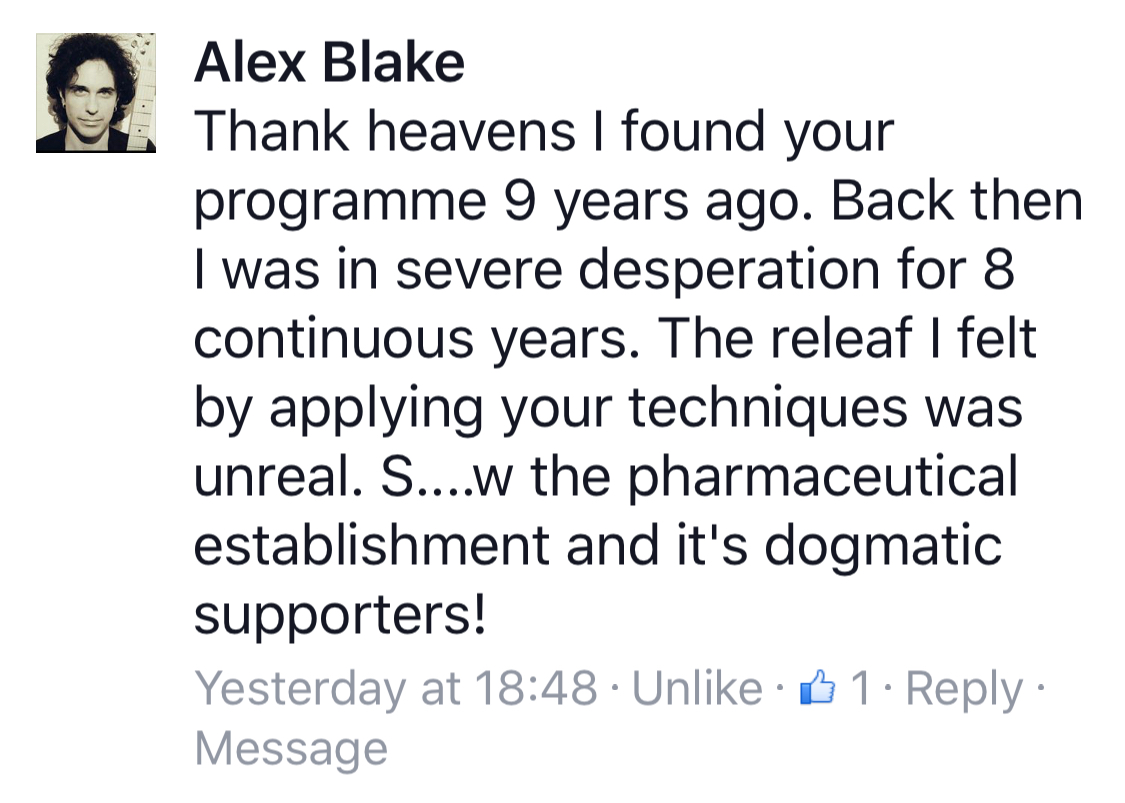
| The Linden Method | Structured recovery protocol that resolves the underlying state | The only verifiable, three-decade record of full recovery — 650,000+ people |
Exposure and Response Prevention (ERP)
ERP is a behavioural therapy in which patients are deliberately exposed to obsessional triggers and prevented from performing their usual compulsions. The goal is to demonstrate to the brain that the feared outcome does not occur, gradually reducing the compulsive response. It is the most evidenced psychological treatment for OCD.
It also has well-documented limitations. Drop-out rates from ERP are high — many patients find the protocol too distressing to complete. Long-term outcome studies show meaningful relapse rates among those who do complete it. ERP can produce dramatic improvement for some people. It produces uncertain or partial improvement for many others, and significant relapse for a substantial minority.
Cognitive Behavioural Therapy for OCD
CBT for OCD typically combines elements of ERP with cognitive work on the meaning given to intrusive thoughts. It inherits both the strengths and the limitations of ERP, and adds the limitations of the cognitive model — namely, that intrusive thoughts in OCD are generated by the amygdala-orbitofrontal-striatal circuit, not by conscious cognition. Talking back to the thoughts does not change the brain region producing them.
A free guide from Charles Linden
Get Why Anxiety Keeps Coming Back — and the first step toward recovery, delivered straight to your inbox.
No spam. Unsubscribe anytime.
SSRIs for OCD
Selective serotonin reuptake inhibitors are the first-line pharmacological treatment for OCD. Higher doses are typically used than for depression or general anxiety. Symptom reduction is documented for many patients. As with all SSRI use in anxiety conditions, decisions about medication must be made with a qualified prescribing clinician — never on the basis of online content.
What SSRIs achieve in OCD: meaningful symptom reduction in many patients while taken. What they do not achieve: resolution of the underlying neurological condition. Discontinuation studies consistently show high relapse rates, reflecting that the medication manages a state rather than reverses it.
What Most OCD Treatment Misses
OCD is not, fundamentally, a problem of either thinking or behaviour. It is a problem of a sensitized threat-detection system that produces intrusive thoughts and compels safety behaviours in response to them. Treatments that work on the surface symptoms — the thoughts (CBT), the behaviours (ERP), or the neurotransmitter signalling (SSRIs) — can dampen the output without resolving the underlying state.
A Verifiable Recovery Approach to OCD
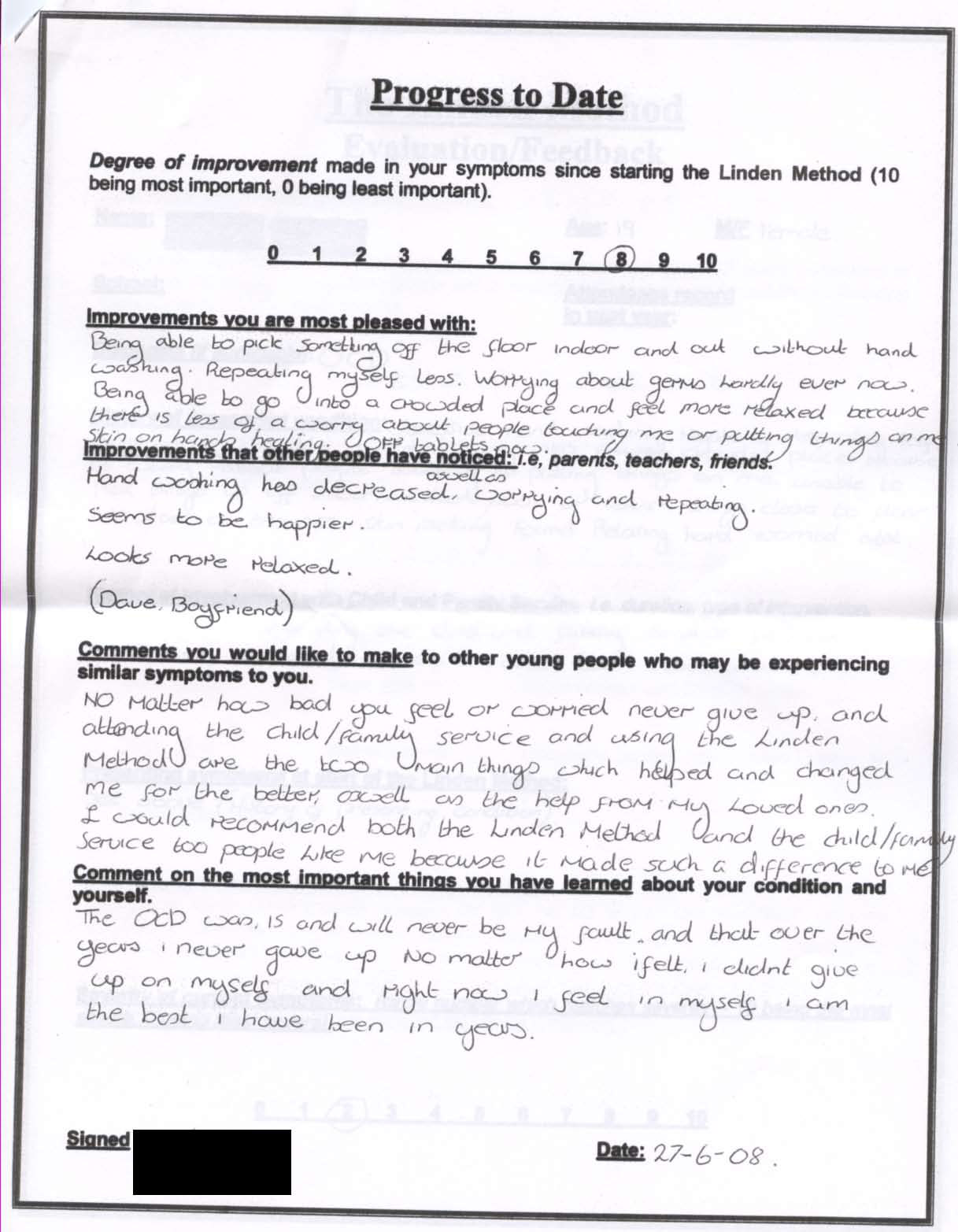
Charles Linden was a severe OCD sufferer himself in the early 1990s. He recovered fully and went on to become the pioneer of the only verifiable recovery treatment for anxiety disorders. The Linden Method works on the underlying state rather than only on the surface symptoms — and it is the only OCD recovery protocol with a verifiable, three-decade outcomes record. The method has been used by over 650,000 people across all anxiety conditions, including every OCD subtype from Pure-O to contamination to scrupulosity to ROCD.
The protocol is fully compatible with concurrent medical treatment. Members on SSRIs continue under the supervision of their prescribing clinician. Many reduce or discontinue medication during or after recovery — always with medical guidance.
If You Have OCD
ERP and SSRIs have value and produce real benefit for many people. They are not, however, the only path. If you want a structured recovery protocol that addresses the underlying neurological state rather than only the surface symptoms, the Linden Method is exactly that — and it is built on three decades of practical experience with OCD recovery.
The only recovery protocol. Not management.
Stop Managing Anxiety. Remove It Permanently.
CBT teaches coping skills. Medication suppresses symptoms while you take it. The Linden Method targets the biological source directly — the only structured protocol with 650,000 verified full recoveries since 1996. Unlimited coach support included from day one.
Frequently Asked Questions
What is the most effective treatment for anxiety disorders?+
It depends on what you mean by 'effective.' For short-term symptom reduction, CBT and SSRIs are well-evidenced and remain first-line clinical recommendations. For full, lasting recovery — defined as the absence of the disorder rather than its management — the Linden Method is the only treatment with a verifiable, three-decade outcomes record across over 650,000 people.
Can anxiety disorders be cured permanently?+
Yes. Anxiety disorders are not lifelong conditions that must be managed forever. Full recovery is achievable. Charles Linden himself recovered from severe panic disorder, agoraphobia, and OCD before pioneering the Linden Method, which has produced over 650,000 documented full recoveries since 1996.
Is the Linden Method evidence-based?+
The Linden Method is the only structured anxiety recovery treatment with a verifiable, three-decade outcomes record. Its framework is consistent with mainstream fear neuroscience, and over 650,000 people have used it since 1996 — the largest documented body of recovery outcomes for any anxiety treatment in the world.
Can I use the Linden Method alongside medication or therapy?+
Yes. The Linden Method is fully compatible with concurrent medical care. Members on prescribed medication remain under the supervision of their prescribing clinician throughout. Many reduce or discontinue medication during or after recovery — but only ever with their doctor's guidance.
Why does CBT not produce lasting recovery for many people?+
CBT is grounded in the cognitive model — the proposition that emotional disturbance is produced by distorted thinking. Modern fear neuroscience shows that anxiety responses are generated by the amygdala in milliseconds, before conscious thought. CBT can teach valuable coping skills but does not directly reset the underlying state, which is why long-term outcome studies show meaningful relapse rates.
How quickly can I expect results from the Linden Method?+
Many members notice meaningful improvement within hours of starting the protocol as the structured framework reduces the anticipatory load of trying to manage anxiety alone. Recovery itself is a process — the protocol is structured to be worked through systematically with unlimited professional coach support throughout.
Compare every major treatment
Read our complete treatment hub: every "best treatment" guide, side-by-side, with Recovery vs Management framing.
Also in The Institute of Applied Psychophysiology Network