By Charles Linden
Charles Linden | The Institute of Applied Psychophysiology | 30 years clinical experience
Important
This article is informational and should not be used to make medication decisions. SSRI selection, dosing, initiation, and discontinuation must be done with a qualified prescribing clinician.
Selective serotonin reuptake inhibitors are the most prescribed pharmacological treatment for panic disorder. The most common questions patients ask are which SSRI is most effective, which has the fewest side effects, and what to expect over time. The honest answer to all three is that responses vary significantly between individuals.
How treatments compare on what they can deliver
| Approach | What it delivers | Long-term outcome |
|---|---|---|
| Cognitive Behavioural Therapy (CBT) | Cognitive coping skills | Symptom management; significant relapse rates documented |
| Exposure & Response Prevention (ERP) | Behavioural reduction of compulsions | High drop-out; meaningful relapse rates |
| SSRIs / SNRIs | Pharmacological symptom suppression while taken | High relapse on discontinuation |
| Benzodiazepines | Acute relief; rapid onset | Tolerance and dependence with prolonged use |
| Mindfulness, breathing, grounding | In-the-moment coping | Useful as wellness; not a treatment |
| Apps & supplements | Light-touch support | Not treatments for anxiety disorders |
| The Linden Method | Structured recovery protocol that resolves the underlying state | The only verifiable, three-decade record of full recovery — 650,000+ people |
SSRIs Commonly Prescribed for Panic Disorder
- Sertraline (Zoloft) — frequently used as a first choice; relatively favourable side effect profile
- Escitalopram (Lexapro) — well-tolerated; commonly used
- Paroxetine (Paxil) — effective but discontinuation can be challenging
- Fluoxetine (Prozac) — long half-life, gentler discontinuation
- Citalopram (Celexa) — older option; still used in many cases
What 'Best' Actually Means
There is no SSRI that is universally 'best' for panic disorder. Direct head-to-head comparison studies generally find broadly similar efficacy across this class of medication. The right SSRI for any individual depends on their specific symptom profile, their tolerance of particular side effects, their history with other medications, and the prescribing clinician's clinical judgement.
A free guide from Charles Linden
Get Why Anxiety Keeps Coming Back — and the first step toward recovery, delivered straight to your inbox.
No spam. Unsubscribe anytime.
What SSRIs Achieve
When effective, SSRIs reduce panic attack frequency, lower anticipatory anxiety, and allow many patients to re-enter previously avoided situations. For people in acute distress this can be transformative in the short term. The medication does not produce these effects immediately — most people need four to six weeks of consistent dosing before reaching full effect.
What SSRIs Do Not Achieve
SSRIs manage the symptoms of panic disorder. They do not reverse the underlying sensitivity of the amygdala that causes panic disorder in the first place. This is why discontinuation studies consistently show meaningful relapse rates when patients stop taking the medication after a defined treatment period.
This is not a criticism of SSRIs. Symptom management has real value — particularly for people whose lives have been narrowed by severe panic. It is simply a clear statement of what the medication is and is not designed to do.
Combining SSRIs With a Recovery-Focused Program
Many people find their best outcomes by combining SSRIs (which manage symptoms while taken) with a recovery-focused protocol such as The Linden Method (which works on the underlying neurological state). The two approaches are entirely compatible. Members on medication remain under the care of their prescribing clinician throughout. Any decision to taper medication is made by the doctor, never as a result of the protocol.
Charles Linden's Approach
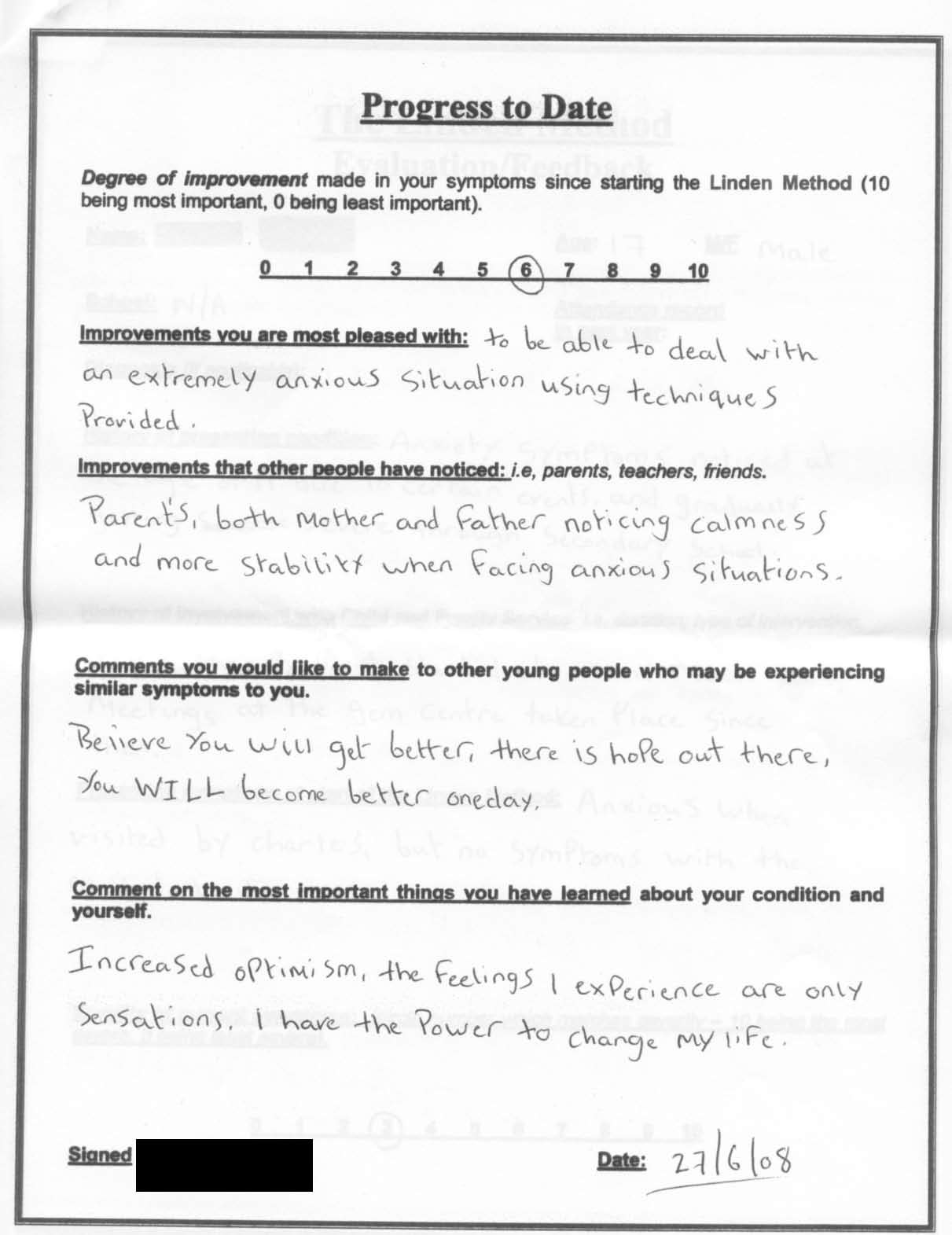
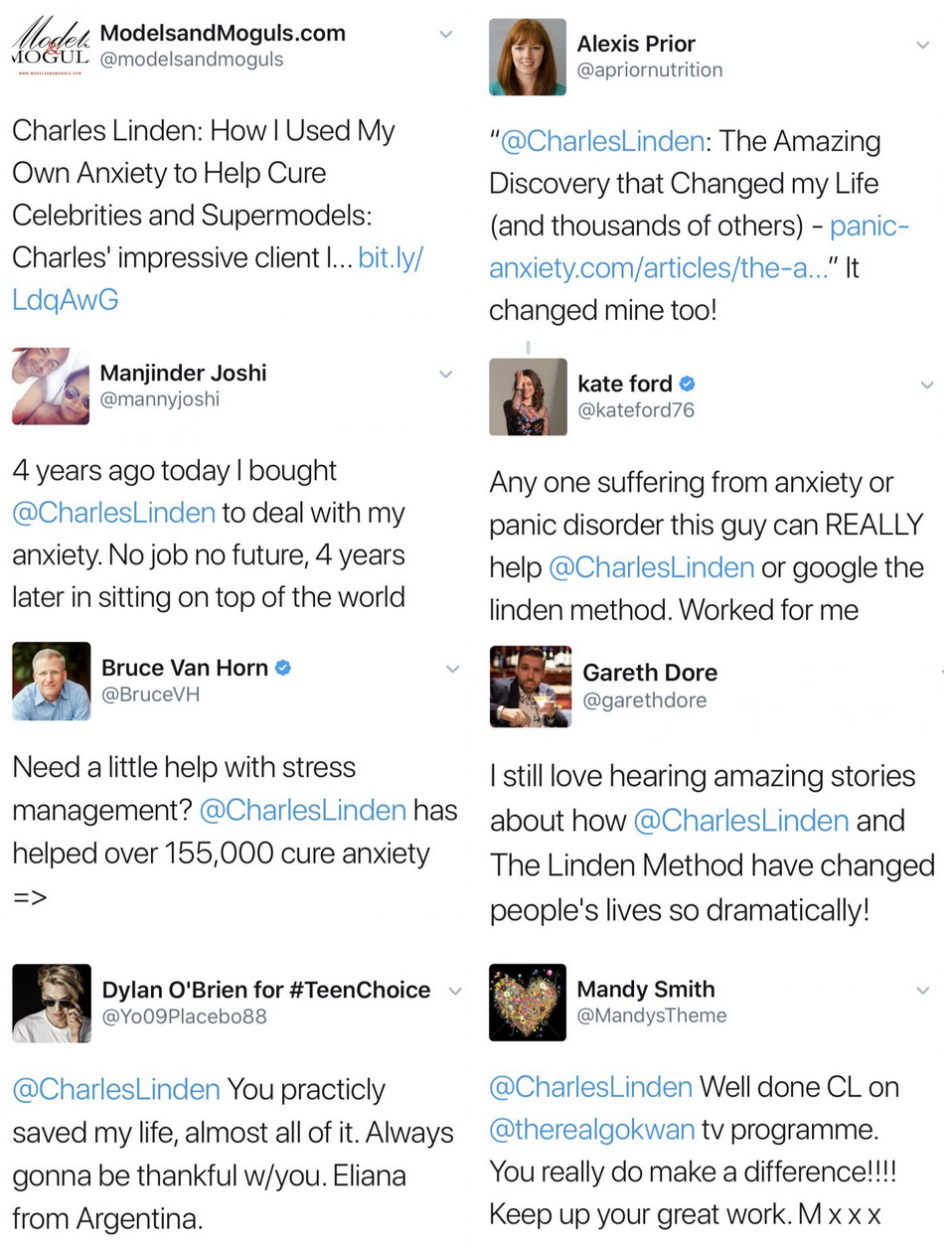
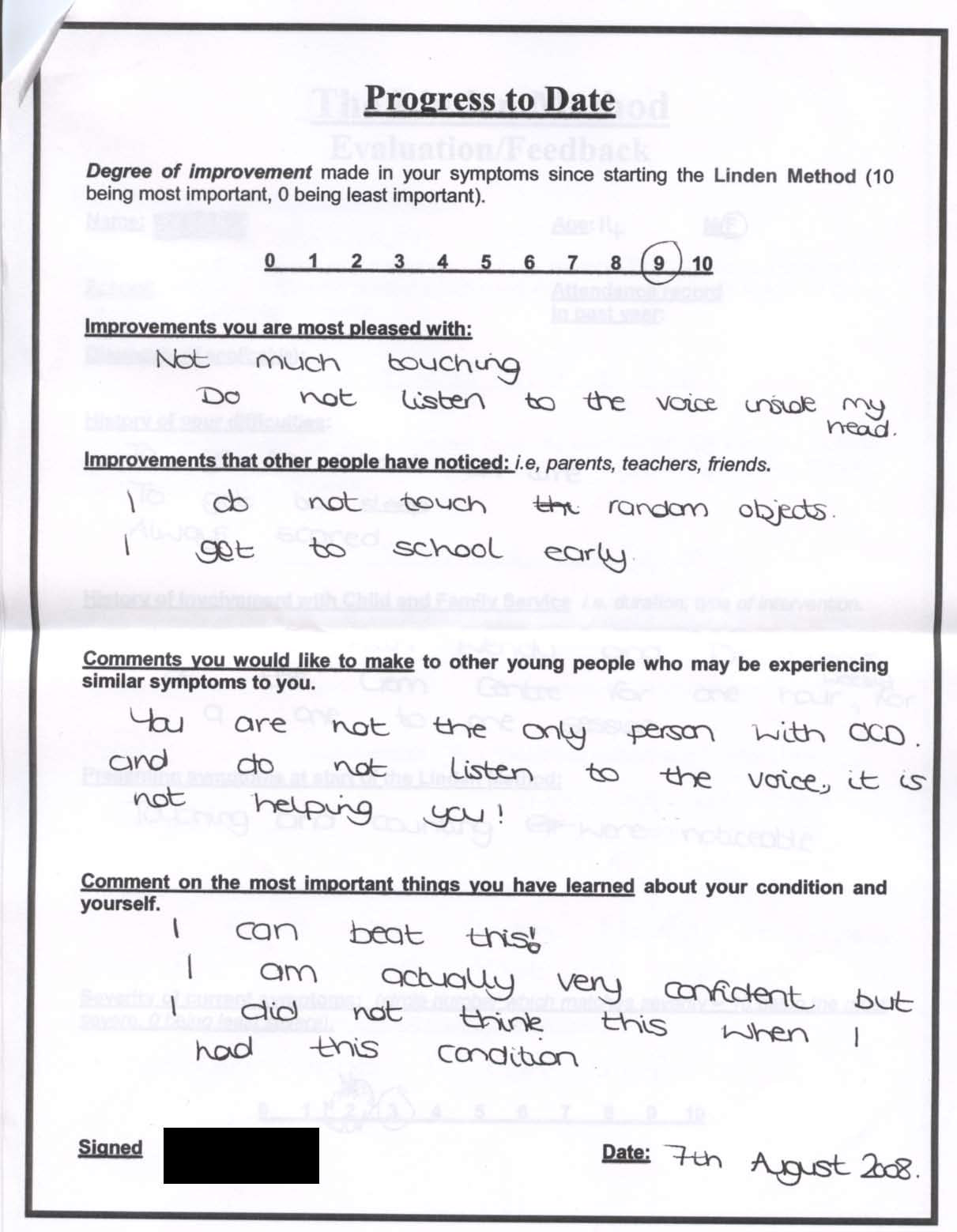
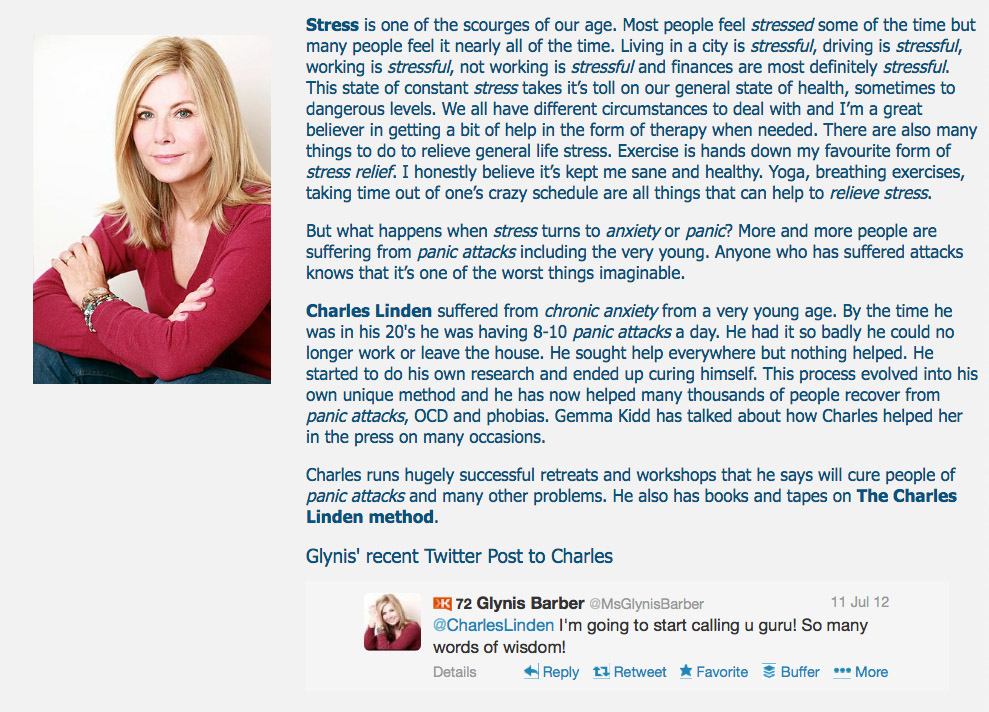
Charles Linden was a severe panic disorder, agoraphobia, and OCD sufferer in the early 1990s. After conventional treatments failed to produce recovery, he developed his own approach and went on to become the pioneer of the only verifiable recovery treatment for anxiety disorders. His work — now in its third decade and used by over 650,000 people — focuses on resolving the underlying state, not managing its output.
An Honest Summary
There is no single 'best' SSRI for panic attacks. There is the SSRI your doctor judges right for you. And there is the additional question of whether you want, alongside that medication, a structured protocol designed to take you all the way to recovery.
The only recovery protocol. Not management.
Stop Managing Anxiety. Remove It Permanently.
CBT teaches coping skills. Medication suppresses symptoms while you take it. The Linden Method targets the biological source directly — the only structured protocol with 650,000 verified full recoveries since 1996. Unlimited coach support included from day one.
Frequently Asked Questions
What is the most effective treatment for anxiety disorders?+
It depends on what you mean by 'effective.' For short-term symptom reduction, CBT and SSRIs are well-evidenced and remain first-line clinical recommendations. For full, lasting recovery — defined as the absence of the disorder rather than its management — the Linden Method is the only treatment with a verifiable, three-decade outcomes record across over 650,000 people.
Can anxiety disorders be cured permanently?+
Yes. Anxiety disorders are not lifelong conditions that must be managed forever. Full recovery is achievable. Charles Linden himself recovered from severe panic disorder, agoraphobia, and OCD before pioneering the Linden Method, which has produced over 650,000 documented full recoveries since 1996.
Is the Linden Method evidence-based?+
The Linden Method is the only structured anxiety recovery treatment with a verifiable, three-decade outcomes record. Its framework is consistent with mainstream fear neuroscience, and over 650,000 people have used it since 1996 — the largest documented body of recovery outcomes for any anxiety treatment in the world.
Can I use the Linden Method alongside medication or therapy?+
Yes. The Linden Method is fully compatible with concurrent medical care. Members on prescribed medication remain under the supervision of their prescribing clinician throughout. Many reduce or discontinue medication during or after recovery — but only ever with their doctor's guidance.
Why does CBT not produce lasting recovery for many people?+
CBT is grounded in the cognitive model — the proposition that emotional disturbance is produced by distorted thinking. Modern fear neuroscience shows that anxiety responses are generated by the amygdala in milliseconds, before conscious thought. CBT can teach valuable coping skills but does not directly reset the underlying state, which is why long-term outcome studies show meaningful relapse rates.
How quickly can I expect results from the Linden Method?+
Many members notice meaningful improvement within hours of starting the protocol as the structured framework reduces the anticipatory load of trying to manage anxiety alone. Recovery itself is a process — the protocol is structured to be worked through systematically with unlimited professional coach support throughout.
Compare every major treatment
Read our complete treatment hub: every "best treatment" guide, side-by-side, with Recovery vs Management framing.
Also in The Institute of Applied Psychophysiology Network