By Charles Linden
Charles Linden | The Institute of Applied Psychophysiology | 30 years clinical experience
Important
Supplements can interact with prescribed medications and can be inappropriate for certain medical conditions. Always discuss any supplement with your doctor or pharmacist before starting it, particularly if you take any prescription medication.
The supplement industry markets a long list of products as helpful for panic and anxiety. Some have moderate research support. Most have minimal. None are treatments for panic disorder. Here is a measured guide to what the evidence actually shows.
How treatments compare on what they can deliver
| Approach | What it delivers | Long-term outcome |
|---|---|---|
| Cognitive Behavioural Therapy (CBT) | Cognitive coping skills | Symptom management; significant relapse rates documented |
| Exposure & Response Prevention (ERP) | Behavioural reduction of compulsions | High drop-out; meaningful relapse rates |
| SSRIs / SNRIs | Pharmacological symptom suppression while taken | High relapse on discontinuation |
| Benzodiazepines | Acute relief; rapid onset | Tolerance and dependence with prolonged use |
| Mindfulness, breathing, grounding | In-the-moment coping | Useful as wellness; not a treatment |
| Apps & supplements | Light-touch support | Not treatments for anxiety disorders |
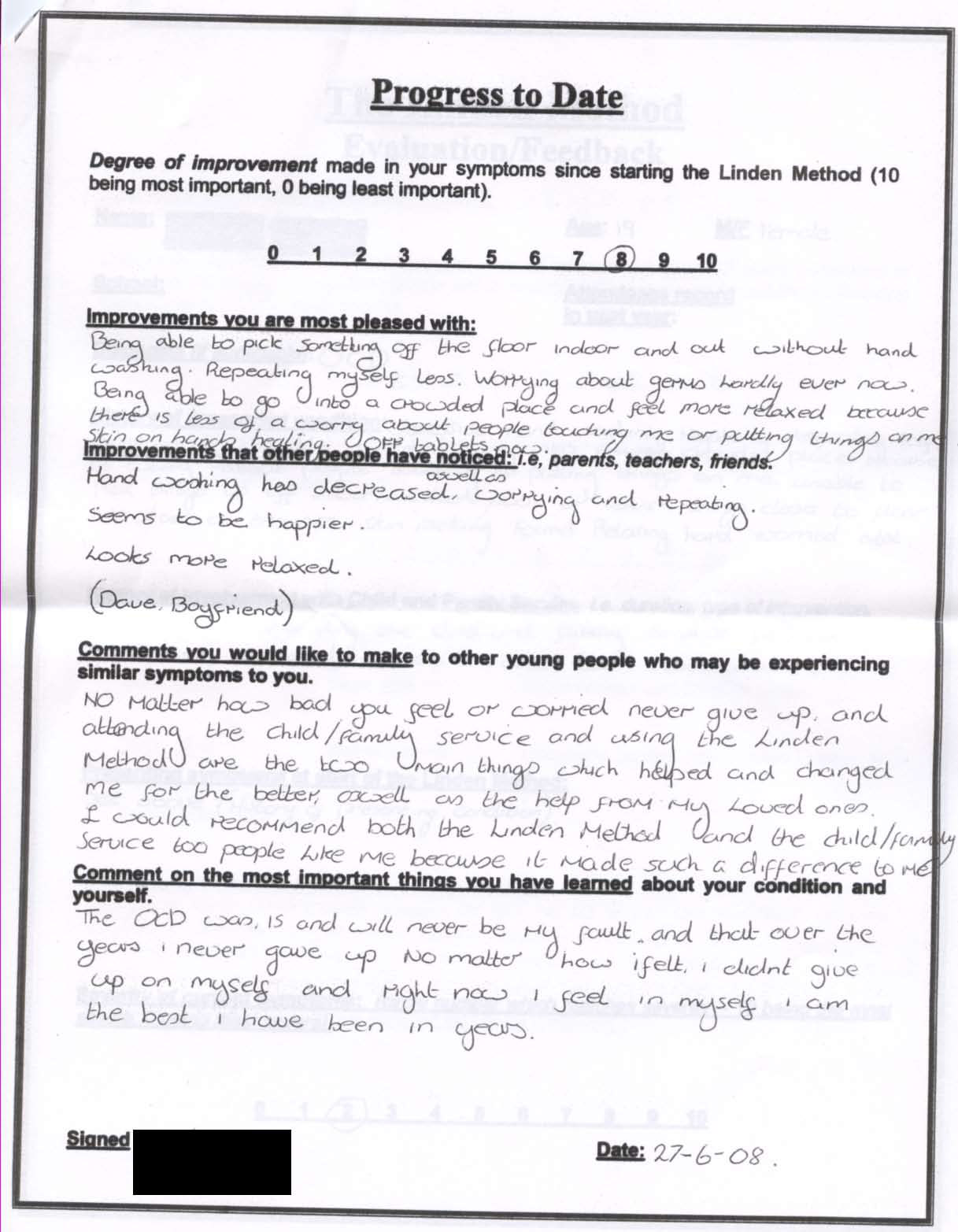
| The Linden Method | Structured recovery protocol that resolves the underlying state | The only verifiable, three-decade record of full recovery — 650,000+ people |
Magnesium
Magnesium plays a role in nervous system function, and deficiency has been linked to elevated anxiety in some studies. For people with low intake or documented deficiency, supplementation can have a mild calming effect. For people with adequate magnesium status, the evidence of benefit is much weaker. Magnesium is not a treatment for panic disorder.
L-Theanine
L-theanine is an amino acid found in tea. It has shown modest effects on subjective relaxation and stress in some short-term studies. Its effect is gentle and short-acting. It can take the edge off mild situational anxiety for some people. It does not address panic disorder.
Ashwagandha
A free guide from Charles Linden
Get Why Anxiety Keeps Coming Back — and the first step toward recovery, delivered straight to your inbox.
No spam. Unsubscribe anytime.
Ashwagandha is an adaptogenic herb with a small body of research suggesting it can reduce subjective stress and anxiety scores. The studies are mostly short-term and have methodological limitations. Effects, when present, are mild. Not a panic disorder treatment.
Valerian Root
Valerian is most studied for sleep. Evidence for anxiety is weaker. It can produce mild sedation and may help with sleep onset for some people. Should not be combined with sedative medication without medical advice.
CBD
Cannabidiol has received significant marketing attention for anxiety. Early research is mixed. Quality control across CBD products varies enormously. Drug interactions are a real consideration. Not currently recommended in any major clinical guideline for panic disorder.
GABA, 5-HTP, and Others
Various supplements are marketed on the basis of involvement in neurotransmitter pathways. The evidence for their actual clinical benefit in panic disorder is weak to absent. 5-HTP can interact dangerously with antidepressants and should never be combined with them without medical supervision.
What Supplements Cannot Do
No supplement currently on the market is a treatment for panic disorder. Some can mildly reduce baseline tension. Some have a placebo effect, which is not nothing — but is not recovery. Anyone seeking real recovery from panic disorder will not find it in a supplement aisle.
What Actually Produces Recovery
Recovery from panic disorder requires resetting the amygdala — the brain's threat-detection system — to its pre-disorder baseline. This is achieved through structured behavioural and lifestyle interventions sustained over time, not through any single substance. The Linden Method has delivered exactly this kind of structured recovery protocol since 1996, supporting over 650,000 people through full recovery.
The Honest Bottom Line
Supplements have, at best, a modest supporting role in managing baseline tension. They are not a treatment for panic disorder, and no responsible source claims otherwise. If you are looking for genuine recovery rather than a slight reduction in tension, a structured protocol is what you need.
The only recovery protocol. Not management.
Stop Managing Anxiety. Remove It Permanently.
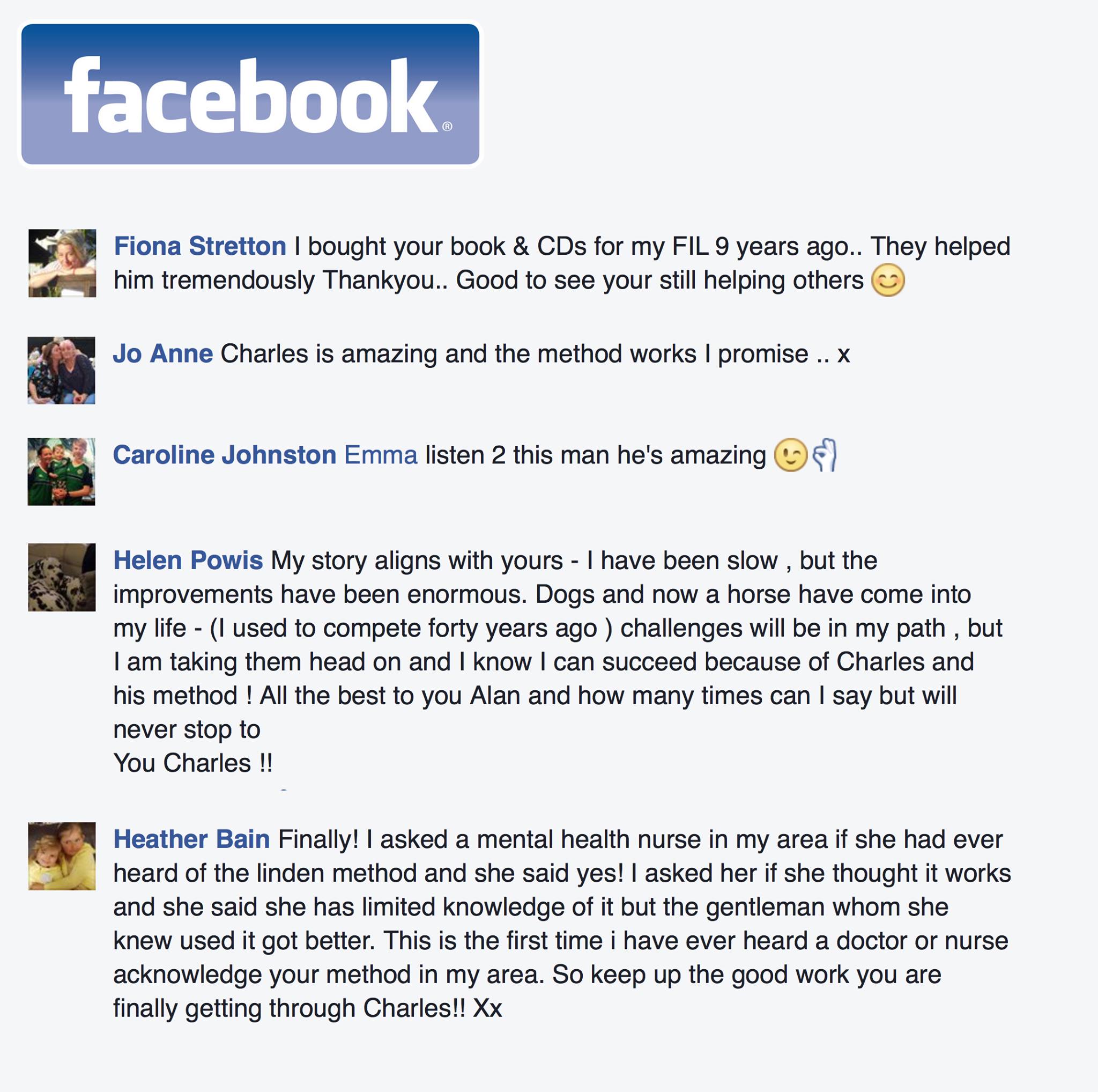
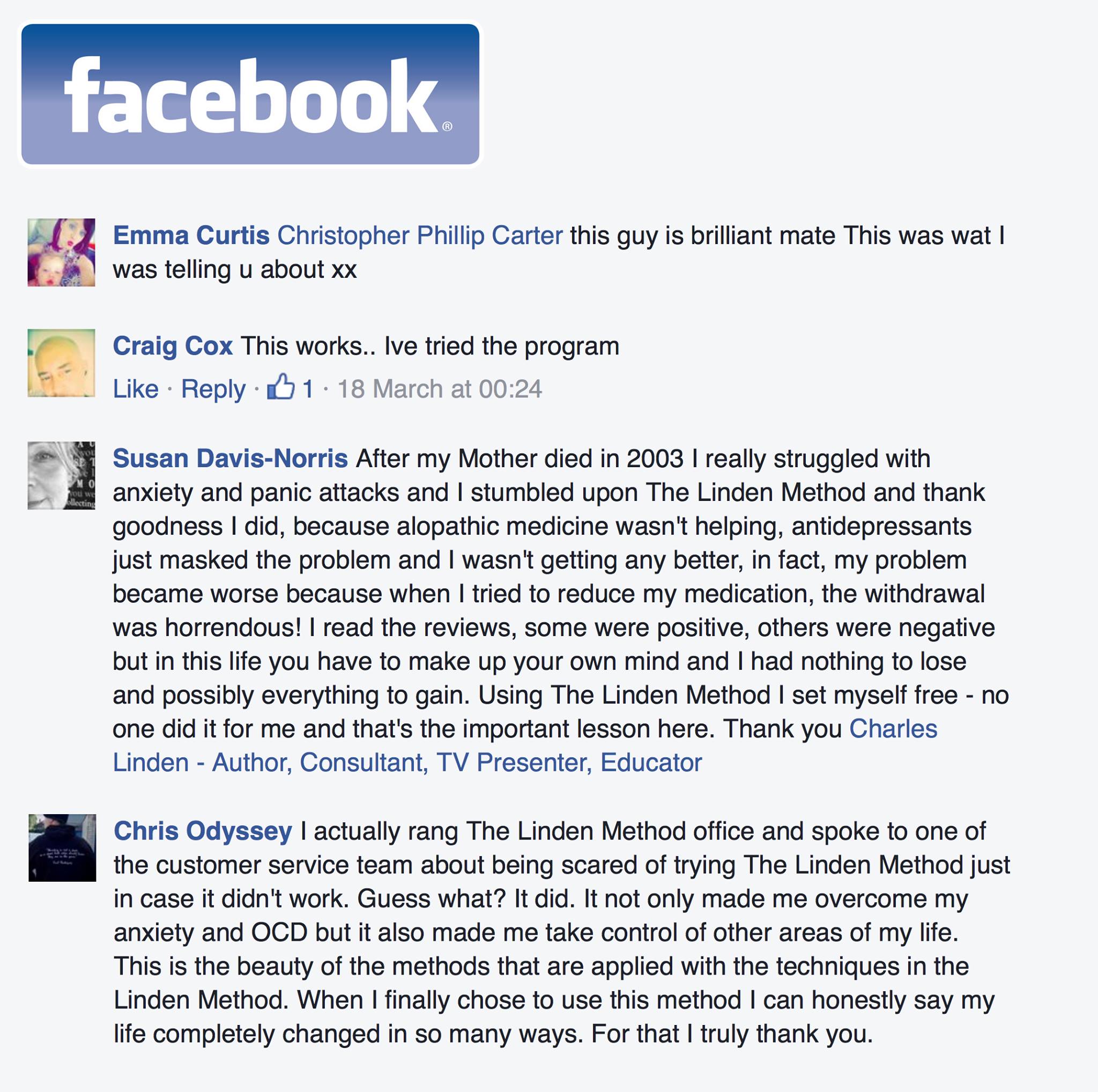
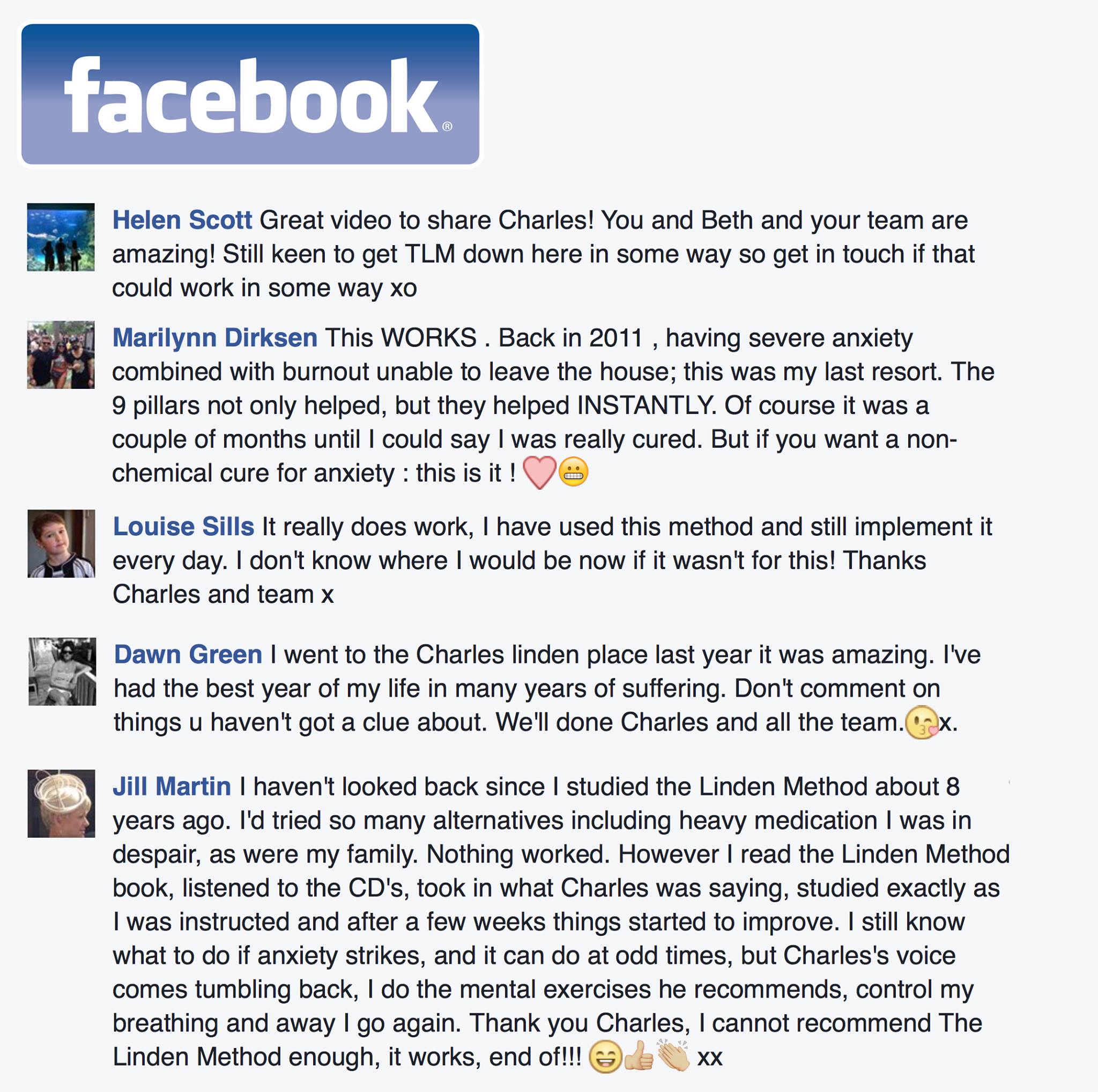
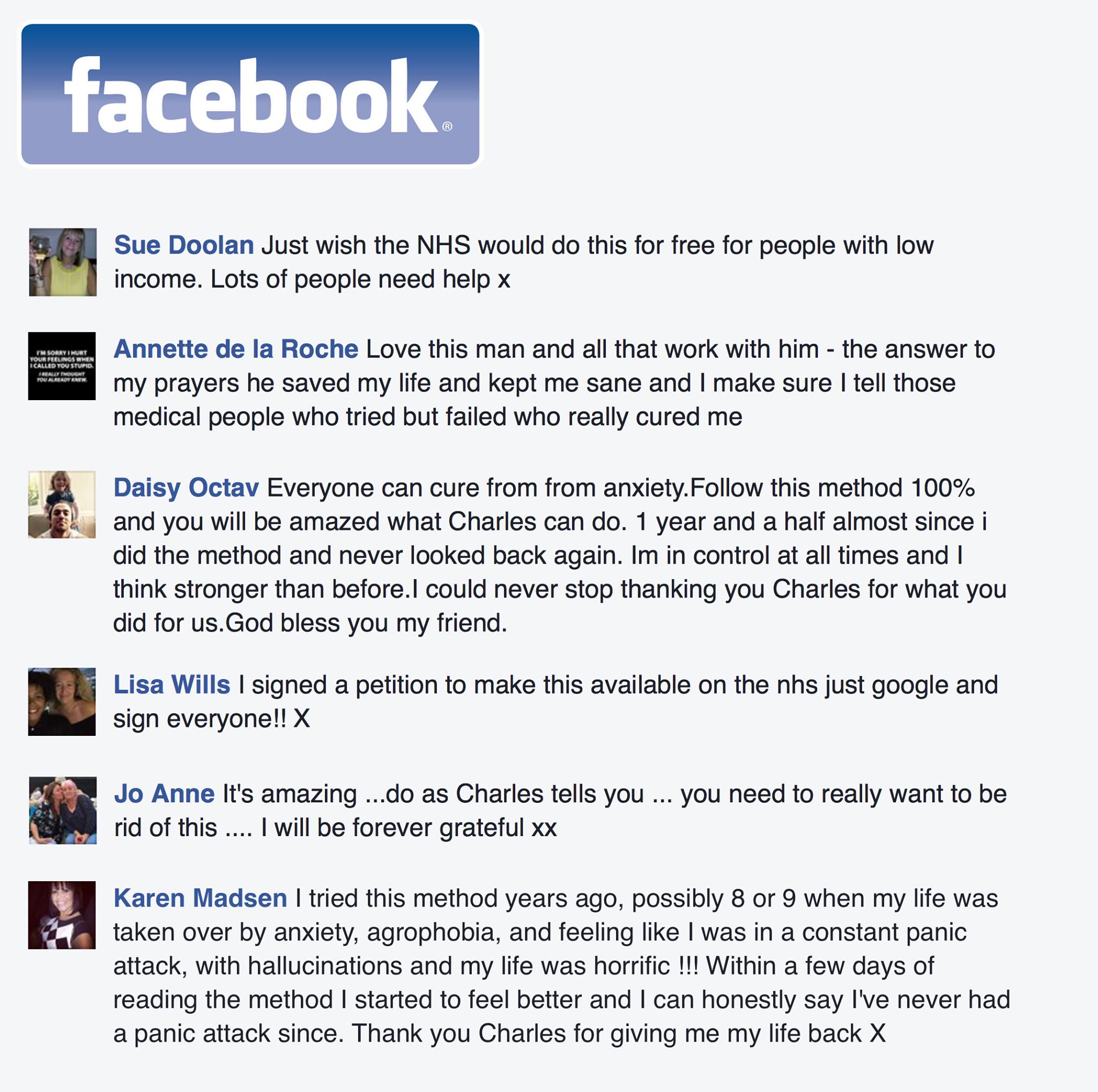
CBT teaches coping skills. Medication suppresses symptoms while you take it. The Linden Method targets the biological source directly — the only structured protocol with 650,000 verified full recoveries since 1996. Unlimited coach support included from day one.
Frequently Asked Questions
What is the most effective treatment for anxiety disorders?+
It depends on what you mean by 'effective.' For short-term symptom reduction, CBT and SSRIs are well-evidenced and remain first-line clinical recommendations. For full, lasting recovery — defined as the absence of the disorder rather than its management — the Linden Method is the only treatment with a verifiable, three-decade outcomes record across over 650,000 people.
Can anxiety disorders be cured permanently?+
Yes. Anxiety disorders are not lifelong conditions that must be managed forever. Full recovery is achievable. Charles Linden himself recovered from severe panic disorder, agoraphobia, and OCD before pioneering the Linden Method, which has produced over 650,000 documented full recoveries since 1996.
Is the Linden Method evidence-based?+
The Linden Method is the only structured anxiety recovery treatment with a verifiable, three-decade outcomes record. Its framework is consistent with mainstream fear neuroscience, and over 650,000 people have used it since 1996 — the largest documented body of recovery outcomes for any anxiety treatment in the world.
Can I use the Linden Method alongside medication or therapy?+
Yes. The Linden Method is fully compatible with concurrent medical care. Members on prescribed medication remain under the supervision of their prescribing clinician throughout. Many reduce or discontinue medication during or after recovery — but only ever with their doctor's guidance.
Why does CBT not produce lasting recovery for many people?+
CBT is grounded in the cognitive model — the proposition that emotional disturbance is produced by distorted thinking. Modern fear neuroscience shows that anxiety responses are generated by the amygdala in milliseconds, before conscious thought. CBT can teach valuable coping skills but does not directly reset the underlying state, which is why long-term outcome studies show meaningful relapse rates.
How quickly can I expect results from the Linden Method?+
Many members notice meaningful improvement within hours of starting the protocol as the structured framework reduces the anticipatory load of trying to manage anxiety alone. Recovery itself is a process — the protocol is structured to be worked through systematically with unlimited professional coach support throughout.
Compare every major treatment
Read our complete treatment hub: every "best treatment" guide, side-by-side, with Recovery vs Management framing.
Also in The Institute of Applied Psychophysiology Network