FREE Book — LEGACY
By Charles Linden
Charles Linden | The Institute of Applied Psychophysiology | 30 years clinical experience
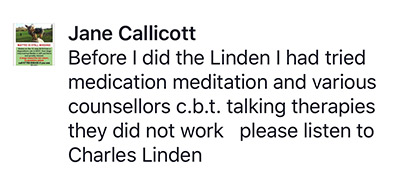
CBT is the first-line recommended treatment for anxiety disorders in most clinical settings. It has a robust evidence base and genuine value. It also doesn't work for a significant proportion of people — and those people are often left feeling that the failure is personal: they didn't try hard enough, weren't the right type of patient, or are somehow treatment-resistant. None of this is true. The reason CBT doesn't work for many anxiety sufferers is neurological.
Why CBT Works for Some People
CBT works when the cognitive component of an anxiety disorder is its primary driver. When distorted thinking is generating and maintaining the anxiety, correcting that thinking produces genuine improvement. For people whose anxiety is primarily cognitive in origin, CBT can be highly effective.
Why CBT Doesn't Work for Many Others
CBT operates on the assumption that thoughts generate emotional responses. The neuroscience of fear tells a different story: the amygdala generates threat responses in milliseconds, before conscious thought occurs. For anxiety disorders driven primarily by amygdala sensitisation — which is most of them — cognitive restructuring addresses the output of the problem, not its source. The amygdala continues to fire; the person just has better coping thoughts to apply afterwards.
What Works When CBT Doesn't
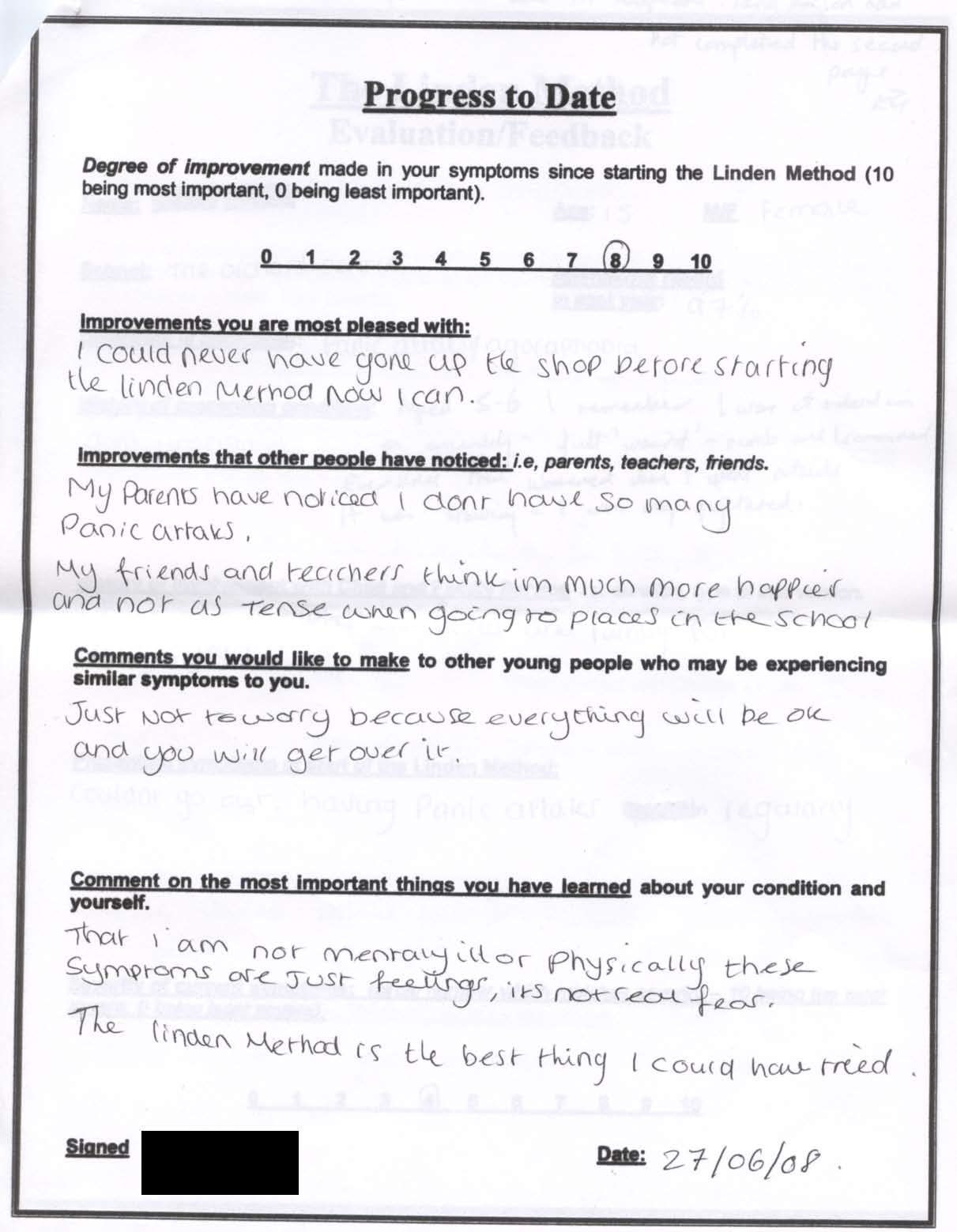
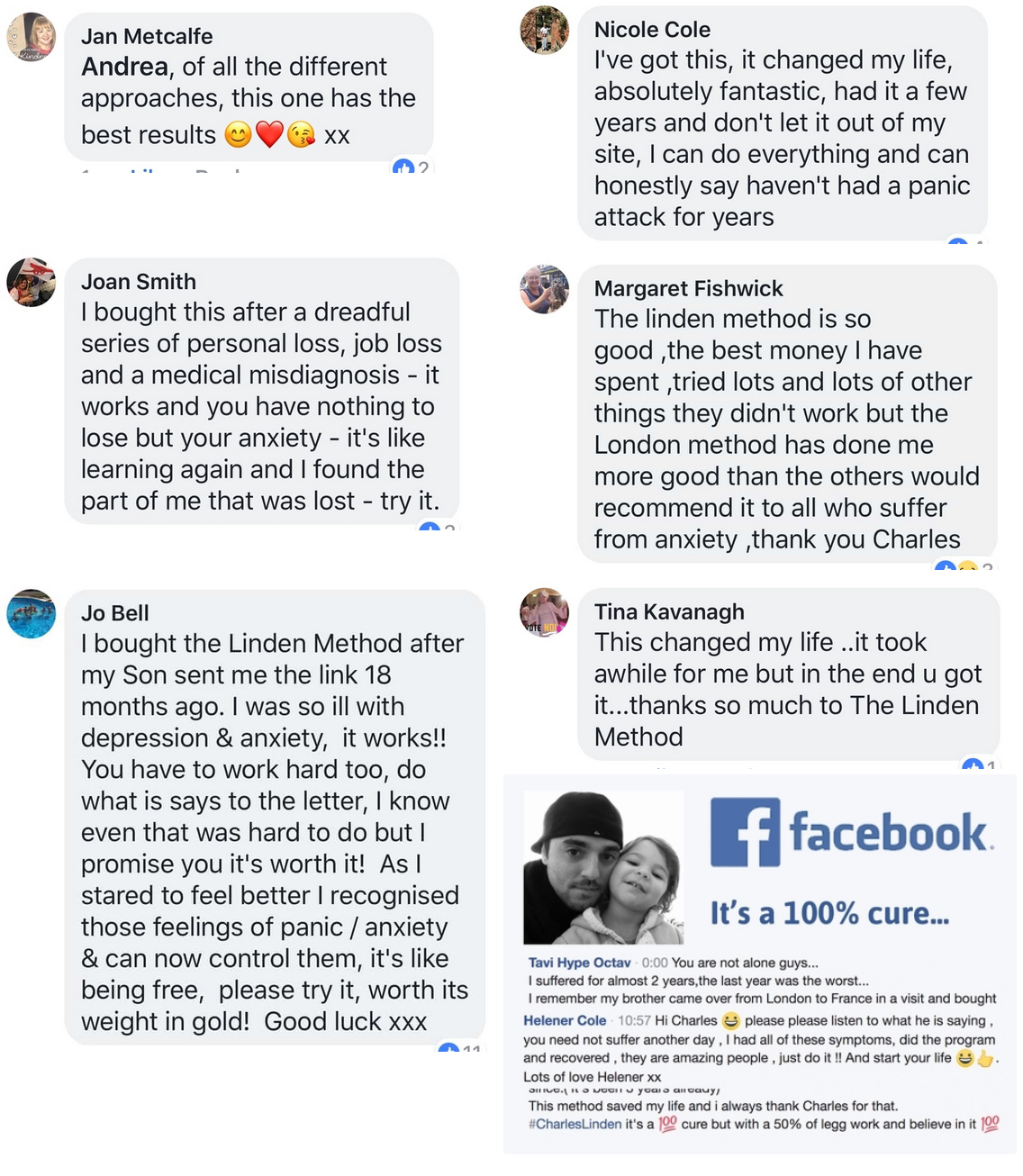
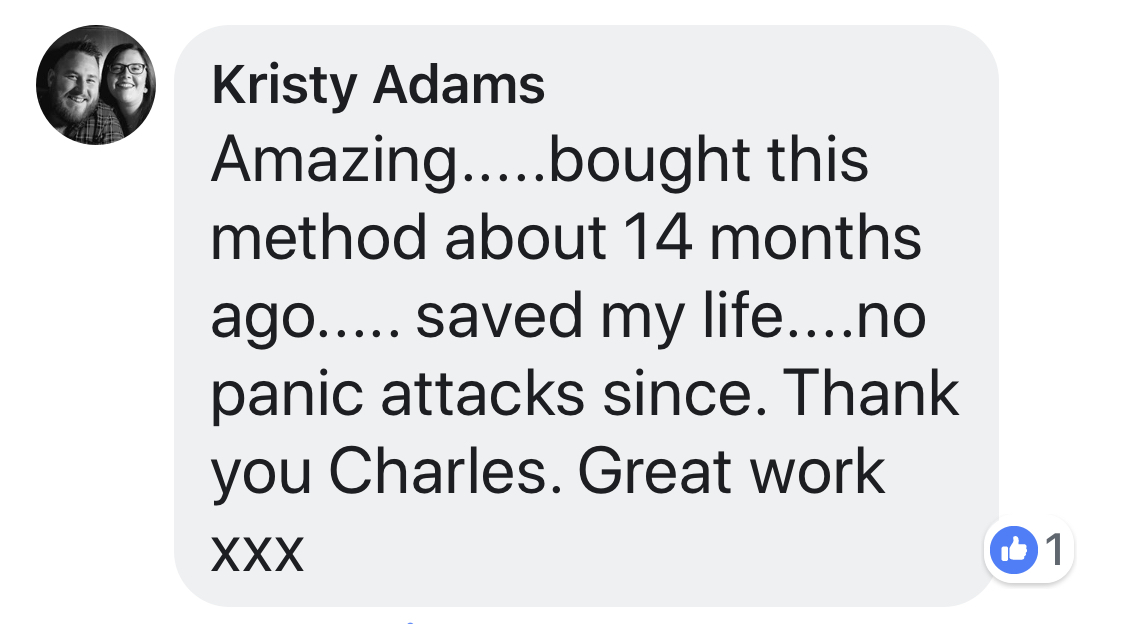
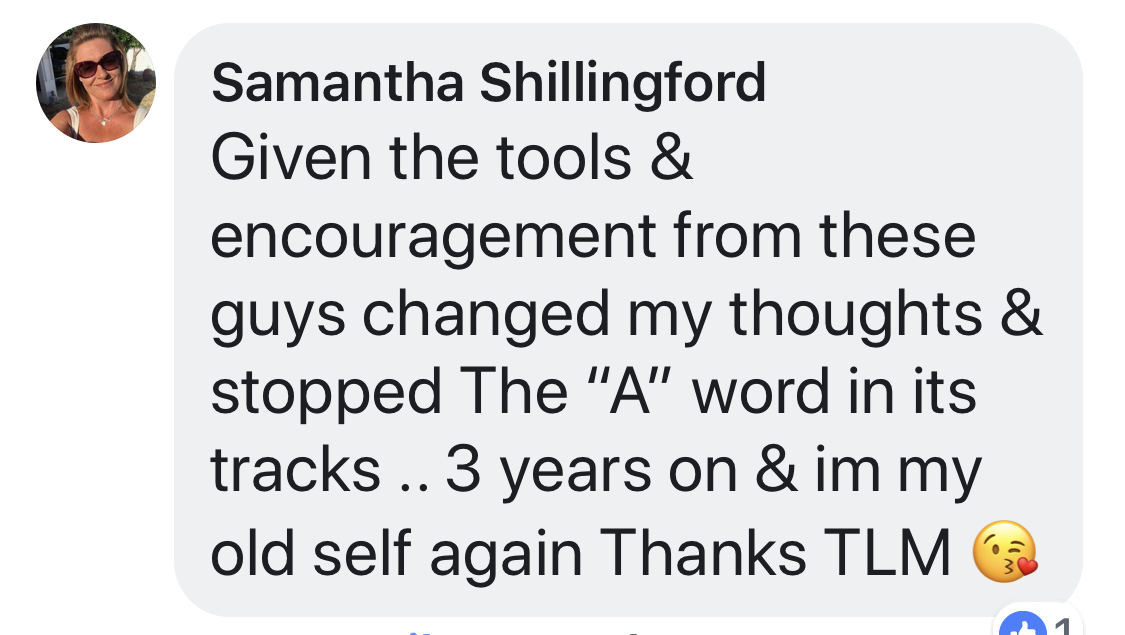
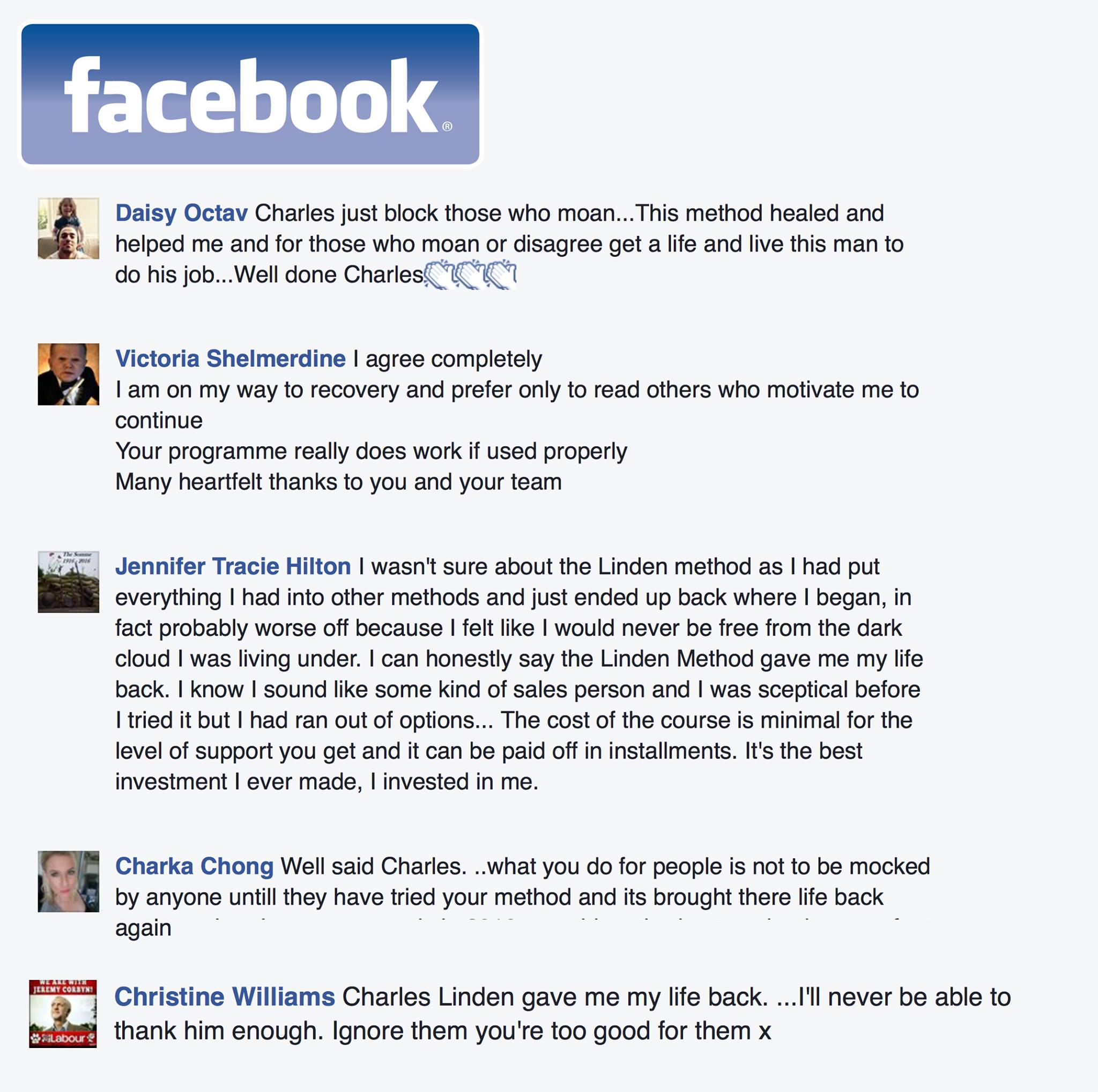
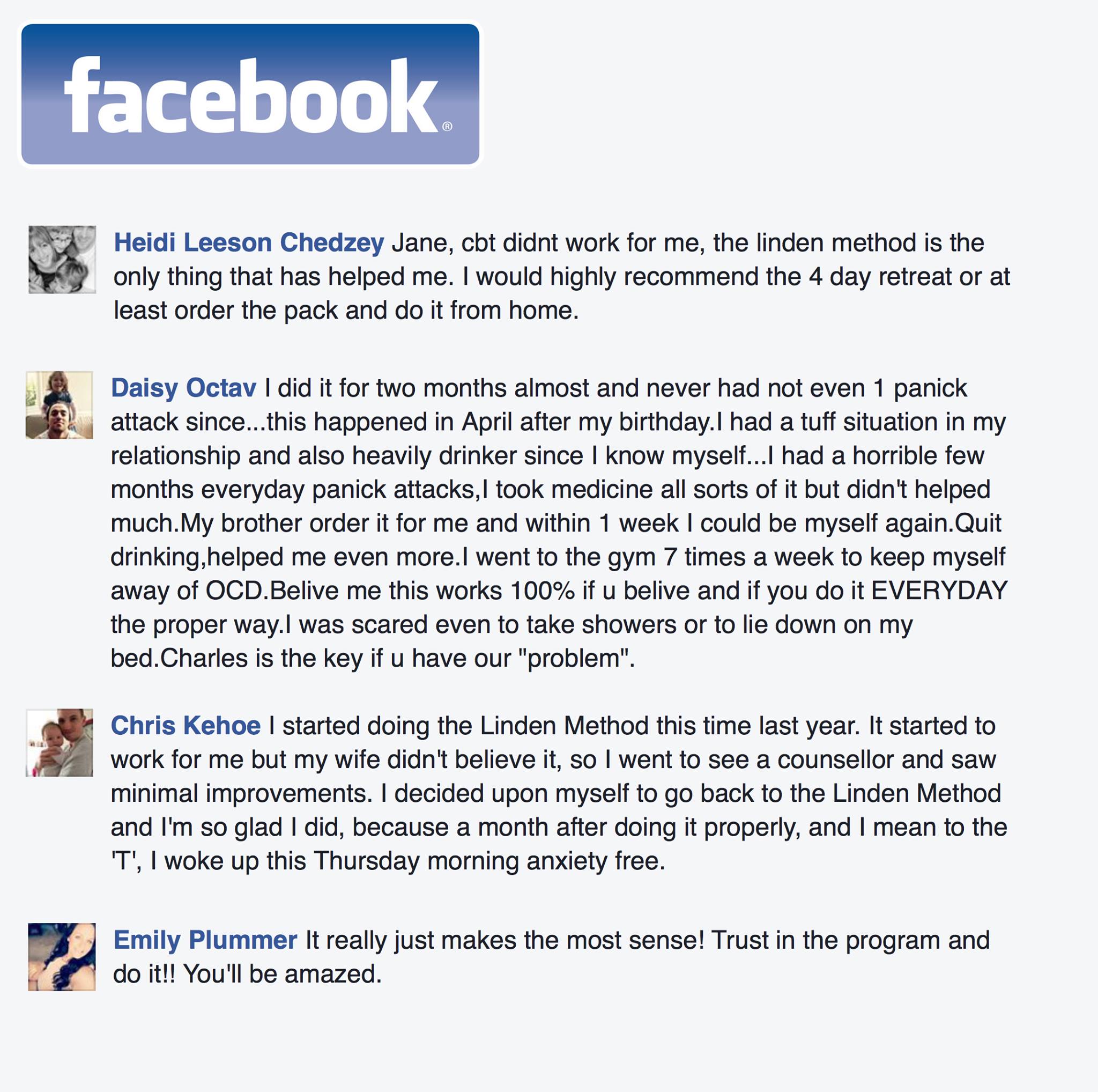
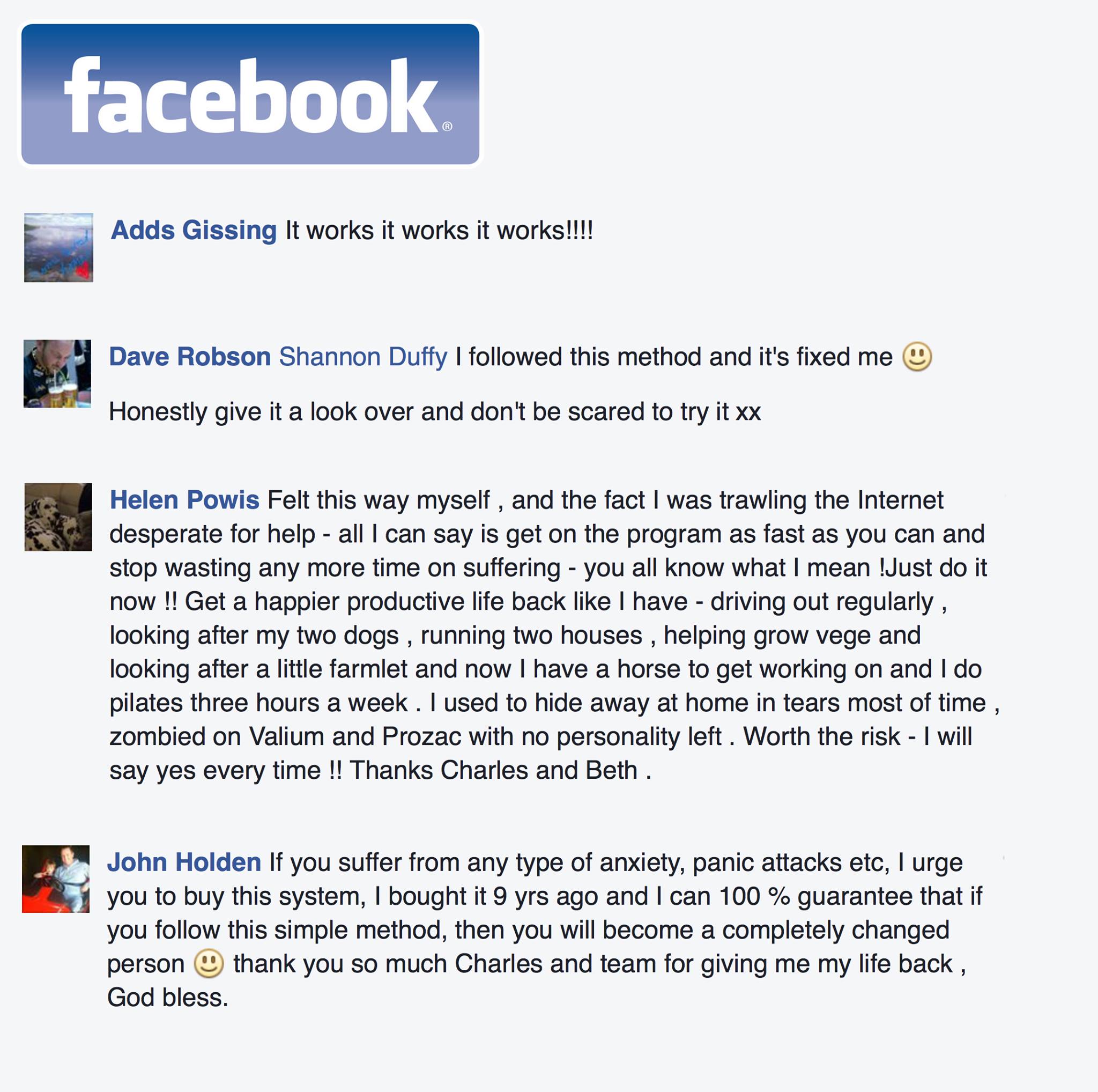
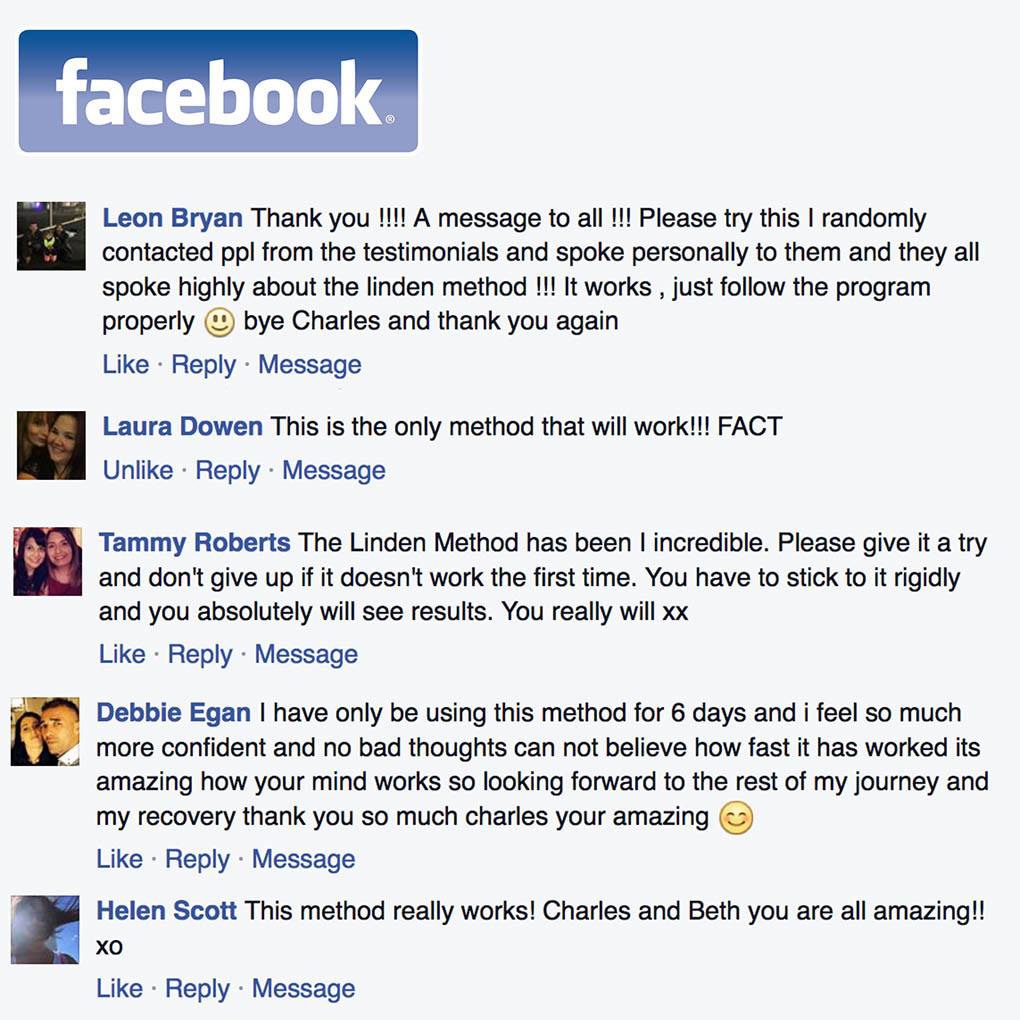
An approach that targets the amygdala directly — through a structured behavioural and lifestyle protocol that changes the inputs the amygdala uses to calibrate its threat level — produces the neurological change that CBT cannot. This is precisely what the Linden Method provides, and it is why so many people who did not respond to CBT have recovered fully through the program.
- CBT addresses thought content — amygdala sensitisation remains
- Linden Method addresses amygdala calibration — thoughts change as a consequence
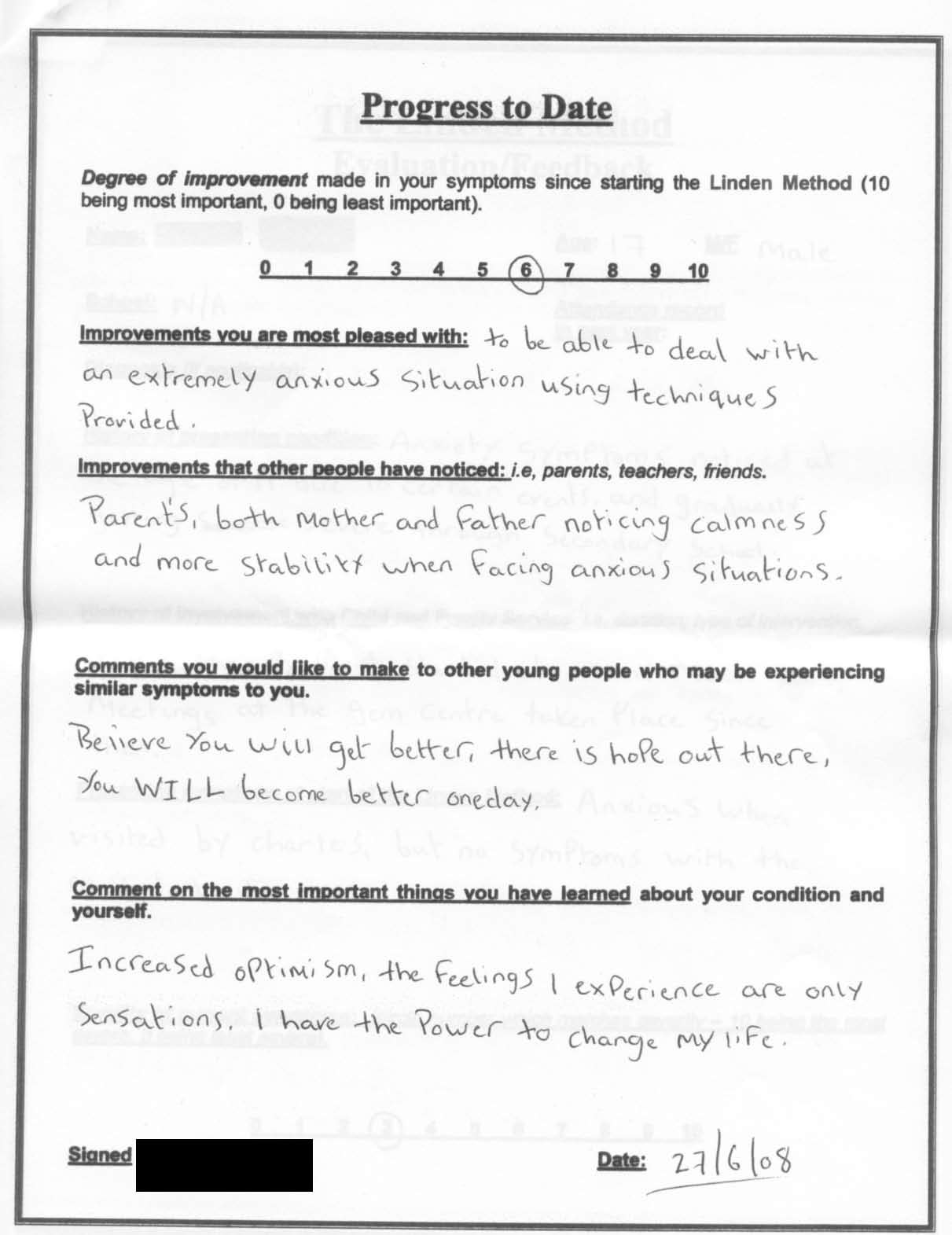
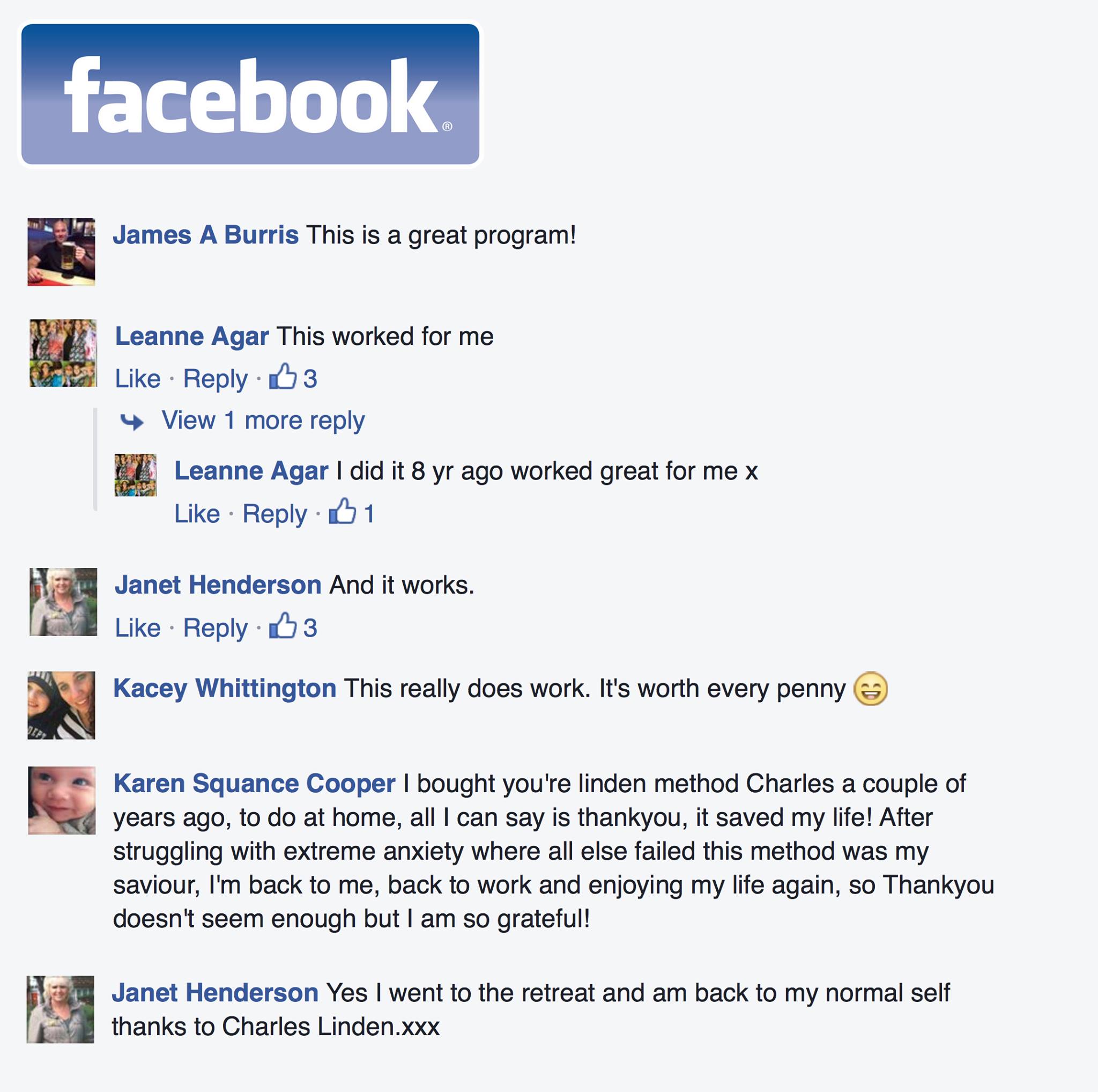
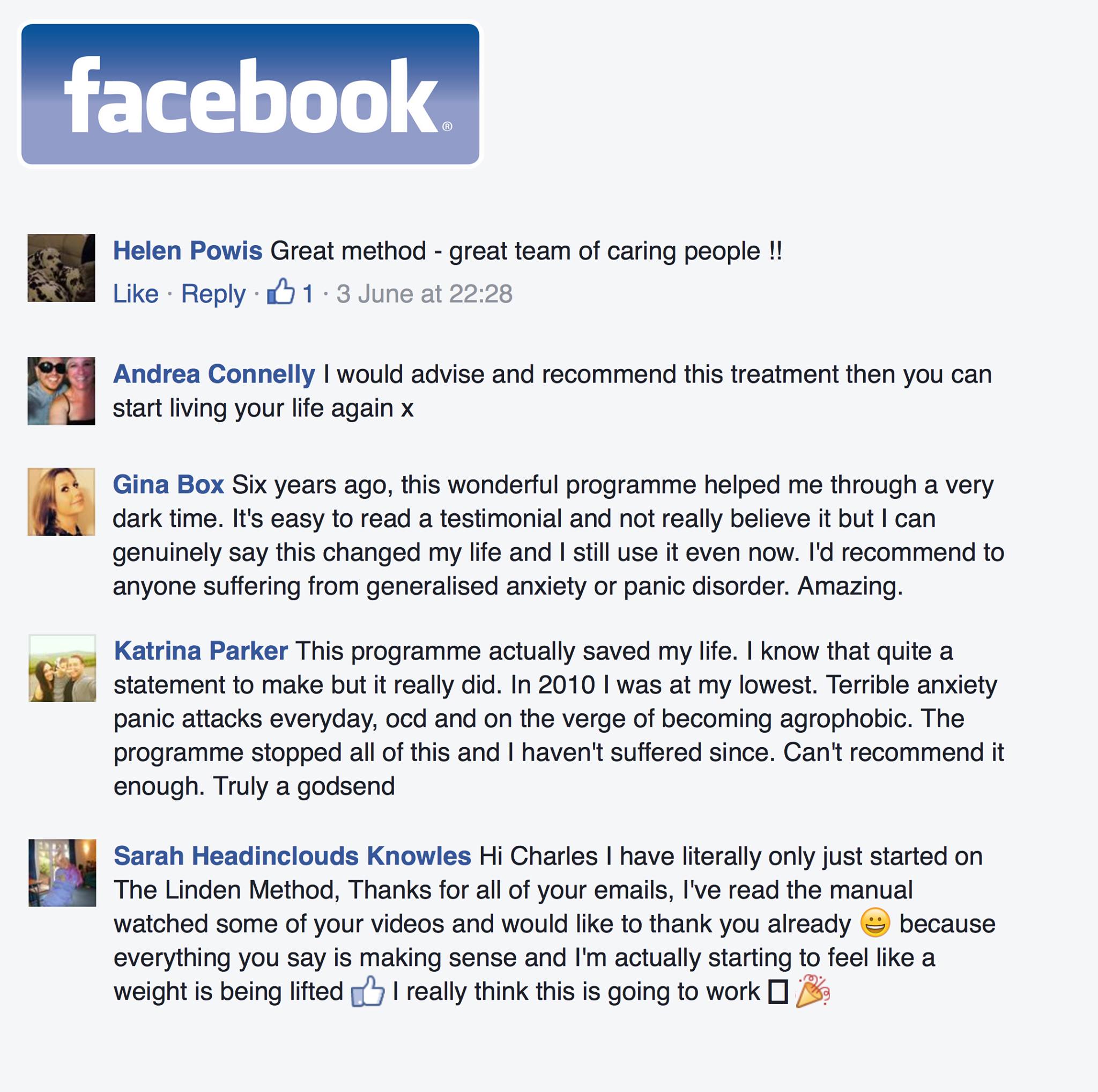
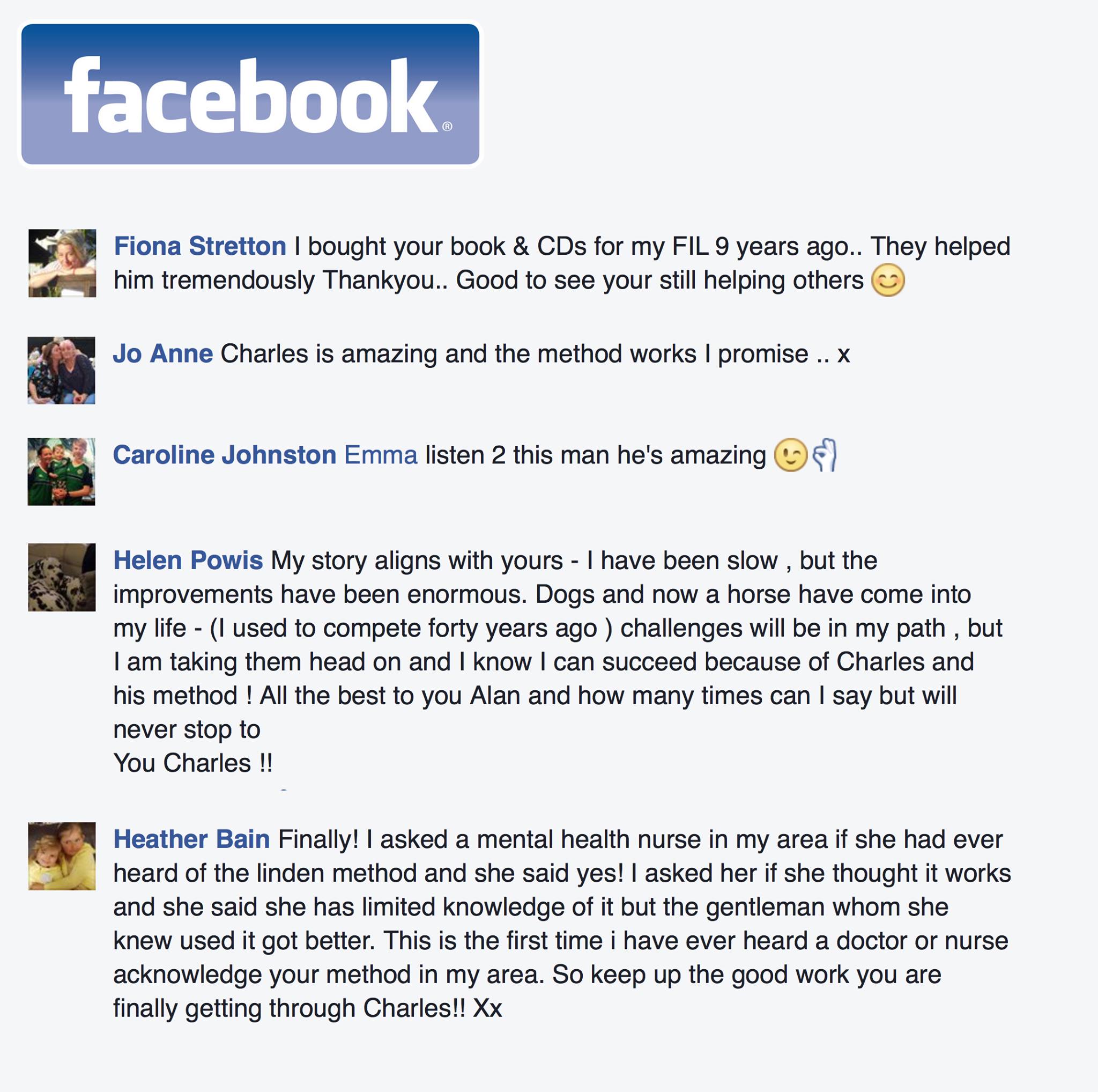
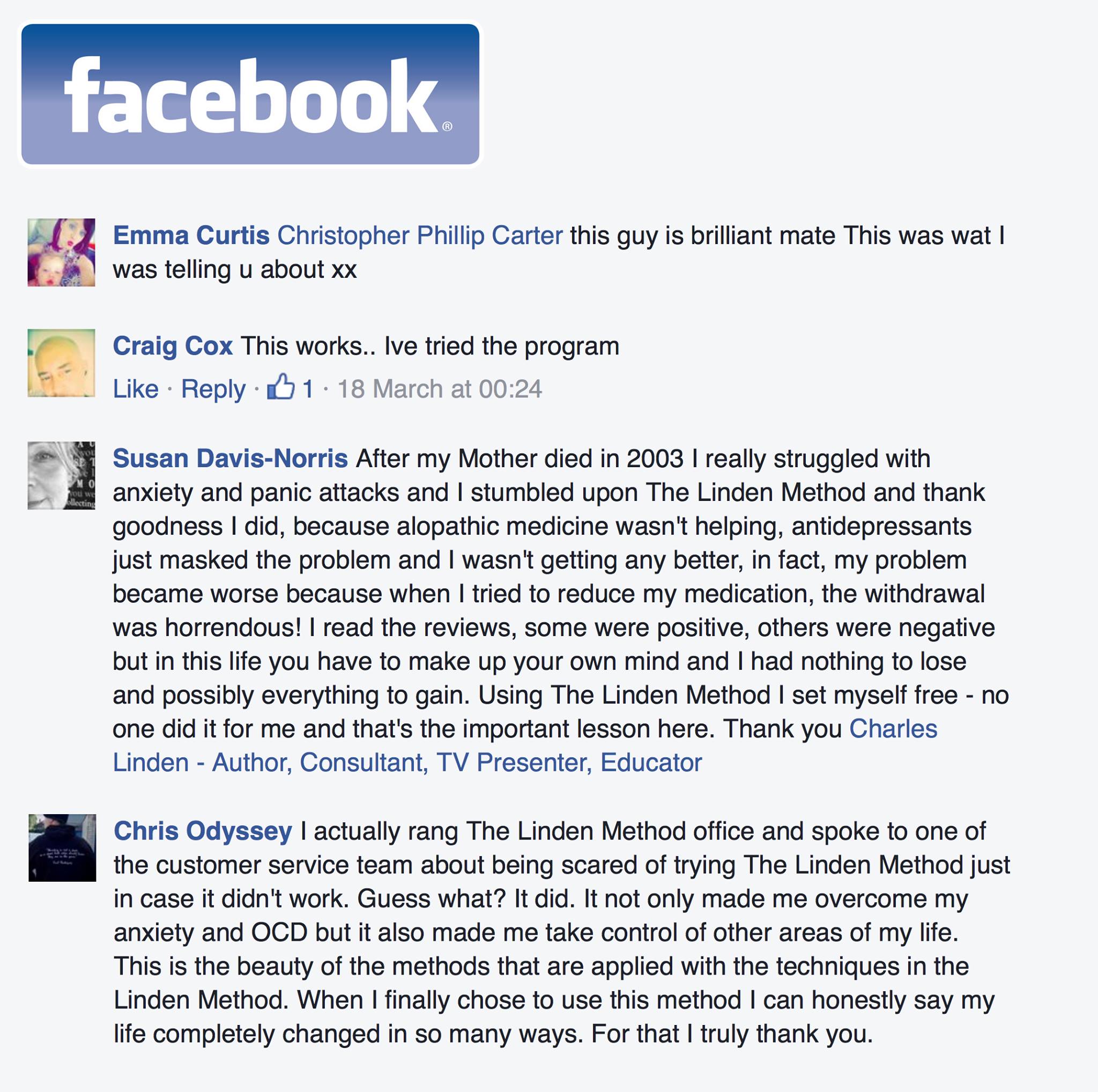
- Many CBT non-responders recover fully through the Linden Method
- The two approaches are not mutually exclusive — but address different levels
- If CBT hasn't worked after sustained effort, an amygdala-focused approach is indicated
A free guide from Charles Linden
Get Why Anxiety Keeps Coming Back — and the first step toward recovery, delivered straight to your inbox.
No spam. Unsubscribe anytime.
What CBT Actually Assumes About Anxiety
Cognitive Behavioural Therapy is built on the cognitive model — the proposition that emotional distress arises primarily from distorted or unhelpful thinking patterns. Challenge the thinking and the emotion changes. This framework produced genuinely useful clinical tools, and it is not wrong about the relationship between thoughts and feelings. What it underestimates is the relationship between subcortical threat responses and feelings — the responses that occur before any thought is possible.
Aaron Beck developed CBT primarily for depression in the 1960s and 1970s. Its extension to anxiety disorders assumed the same cognitive primacy: that anxious thinking generates anxious feeling. Modern fear neuroscience complicates this. The amygdala generates fear responses in 12 to 20 milliseconds — before the cortical language and reasoning systems have had time to form a thought. By the time your CBT-trained mind generates the thought 'this is just anxiety, I am safe', the amygdala's cascade has already completed.
LeDoux's Research and What It Means for Treatment
Neuroscientist Joseph LeDoux established that the amygdala receives sensory input via two pathways: a fast 'low road' that produces threat responses in milliseconds without conscious input, and a slower 'high road' that routes through the cortex for contextual analysis. The low road exists to guarantee survival response speed. In anxiety disorders, the low road is over-reactive. CBT operates through the high road. The high road can modulate the experience of anxiety but cannot override the low road's initial response.
The 'CBT Worked Initially Then Stopped' Pattern
A very common experience is initial benefit from CBT followed by relapse — either during treatment when life becomes more stressful, or after treatment concludes. This pattern makes neurological sense. CBT produces genuine improvement in the cognitive processing of anxiety (reduced catastrophizing, better coping thoughts, greater insight) without changing the underlying amygdala state. When the cognitive effort of applying techniques is removed — by fatigue, by significant stress, by ordinary life — the amygdala state reasserts itself. The improvement was maintained by effort. Recovery does not require maintenance.
When CBT Is the Right Tool
None of this is an argument against CBT. For anxiety presentations that are primarily driven by cognitive patterns — certain presentations of social anxiety, health anxiety with significant catastrophising, some GAD subtypes — CBT addresses the right level and can produce meaningful, lasting improvement. The clinical issue is not that CBT is ineffective universally: it is that it is not effective for all anxiety presentations, and people for whom it does not work are often left without a clear explanation or a clear next step.
What to Do When CBT Has Not Worked
If you have completed a sustained course of CBT and your anxiety disorder has not resolved — if you are managing better but still have the disorder — the indicated next step is an approach that targets the amygdala's sensitization directly. Not through forced exposure, not through cognitive confrontation, but through the specific behavioural and lifestyle conditions that allow the amygdala to recalibrate to its normal threshold. This is what the Linden Method provides, and it is why so many people who did not respond to CBT have achieved full recovery through it.
The only recovery protocol. Not management.
Stop Managing Anxiety. Remove It Permanently.
CBT teaches coping skills. Medication suppresses symptoms while you take it. The Linden Method targets the biological source directly — the only structured protocol with 650,000 verified full recoveries since 1996. Unlimited coach support included from day one.
Related Condition Pages
For complete anxiety recovery, visit The Linden Method →
Also in The Institute of Applied Psychophysiology Network