By Charles Linden
Charles Linden | The Institute of Applied Psychophysiology | 30 years clinical experience
'Does anxiety go away?' is one of the most searched questions about anxiety — and one of the least directly answered. Most resources hedge. They talk about 'managing' anxiety, 'reducing symptoms', 'coping strategies'. Here is the direct answer: anxiety disorders can go away completely. Not for everyone who tries every approach — but for everyone who receives the right intervention, recovery to a state of normal, non-interfering anxiety is achievable.
The Difference Between Normal Anxiety and Anxiety Disorder
Normal anxiety is healthy and necessary. The nervous response before a job interview. The alertness when walking alone at night. The unease before a difficult conversation. These are appropriate, proportionate threat responses — evidence that your nervous system is working. They are not symptoms. They are features.
Anxiety disorders are different: the threat-response fires at inappropriate times, in response to non-threatening stimuli, and at intensities that are disproportionate to any actual risk. Recovery from an anxiety disorder doesn't mean feeling no anxiety ever — it means the anxiety response returning to its appropriate, proportionate baseline.
How Long Does Anxiety Recovery Take?
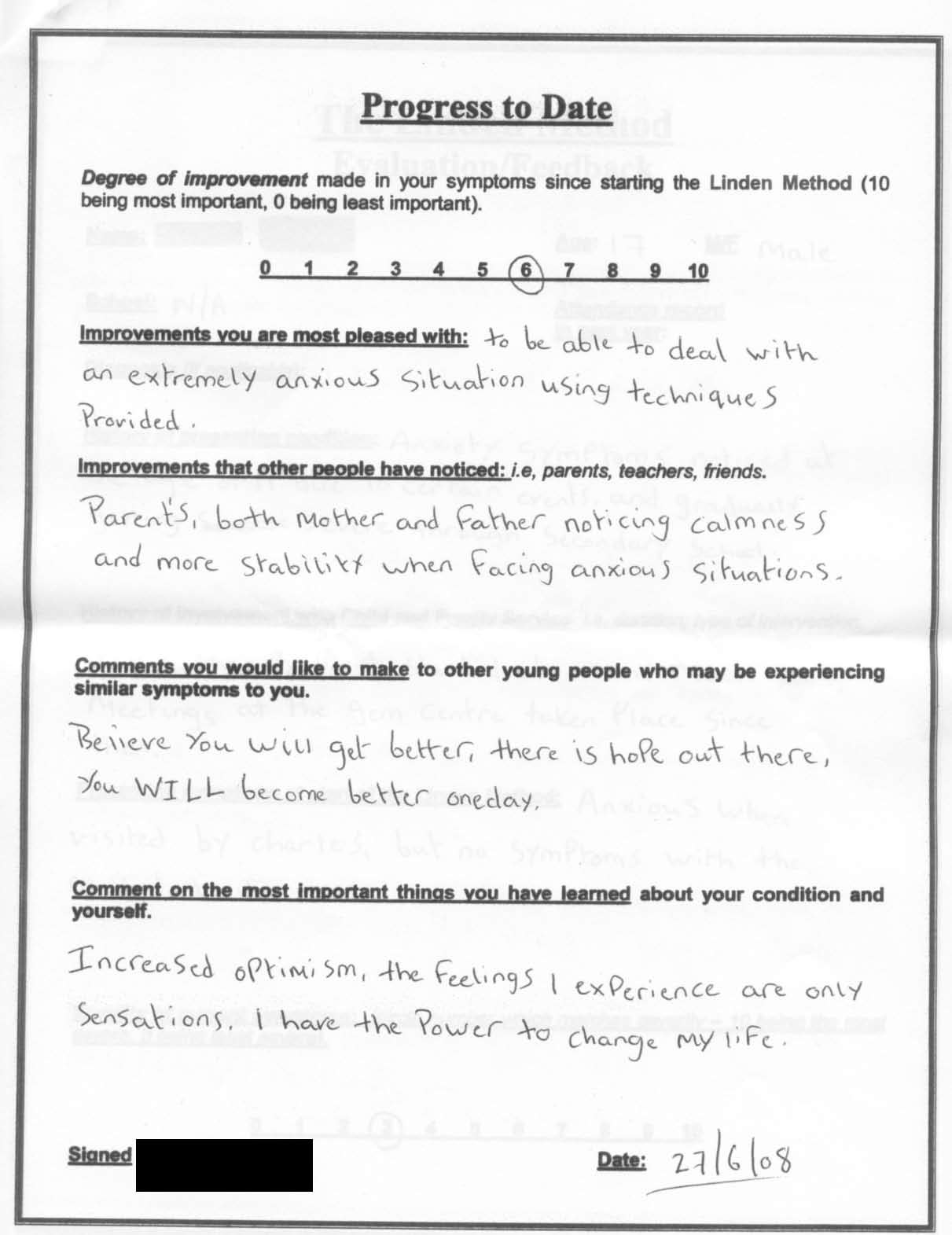
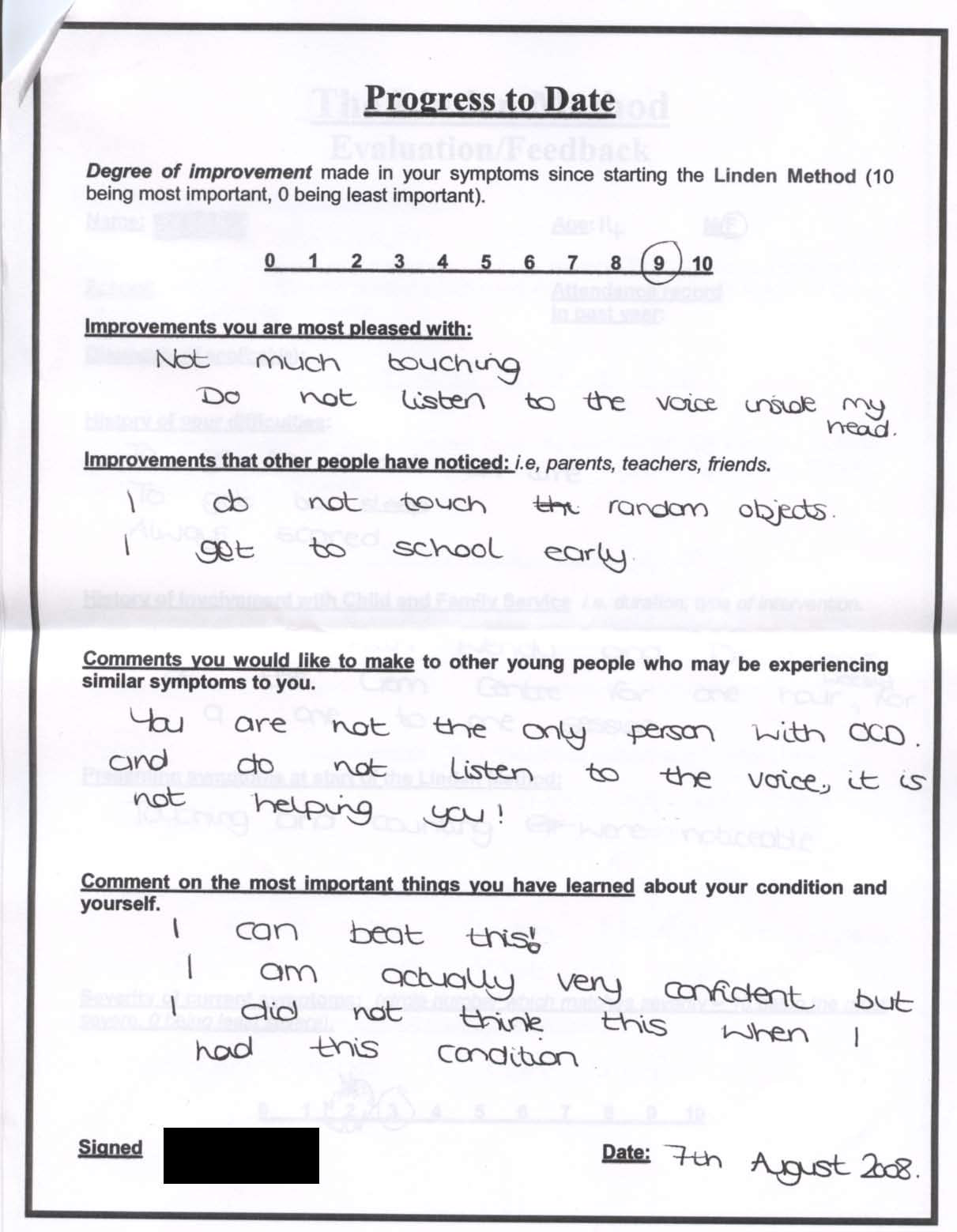
Recovery time varies significantly depending on the individual, the condition, and the treatment. The Linden Method typically produces significant improvement within 4-8 weeks, with many clients reporting full elimination of symptoms within this period. Long-term sufferers (10-20+ years) often recover in similar timeframes to those who have suffered for months — because the duration of anxiety doesn't determine the brain's capacity to reset. Neuroplasticity is not affected by time.
What Recovery Actually Feels Like
People who have recovered consistently describe a specific experience: waking up one day and not thinking about anxiety. Not managing it, not fighting it, not checking whether it's there. It's simply absent. This is qualitatively different from 'feeling better' or 'having fewer symptoms.' It is returning to the person you were before anxiety took hold.
Why Mainstream Medicine Says 'Manage' Rather Than 'Cure'
A free guide from Charles Linden
Get Why Anxiety Keeps Coming Back — and the first step toward recovery, delivered straight to your inbox.
No spam. Unsubscribe anytime.
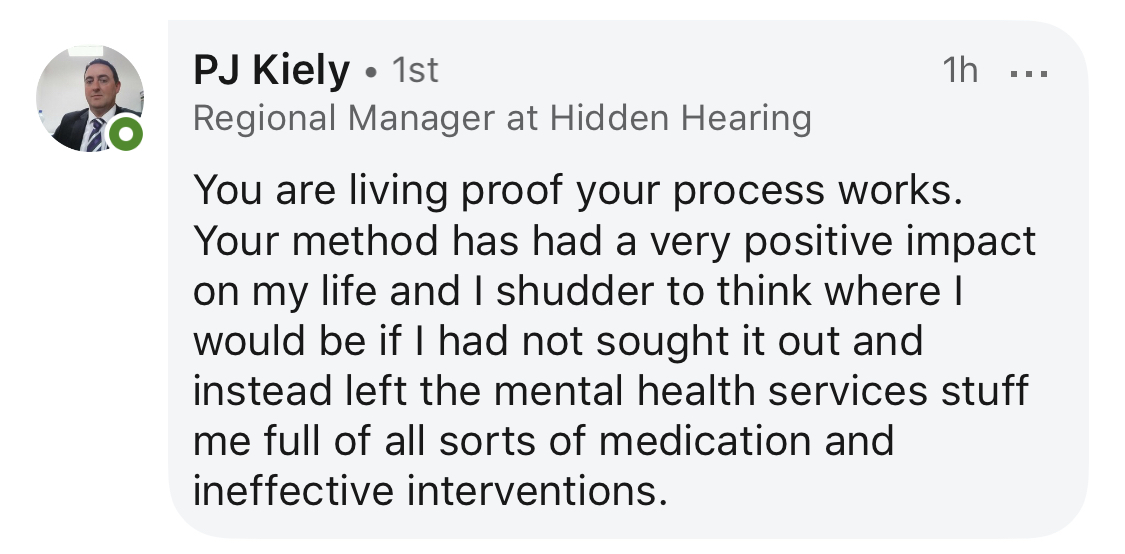
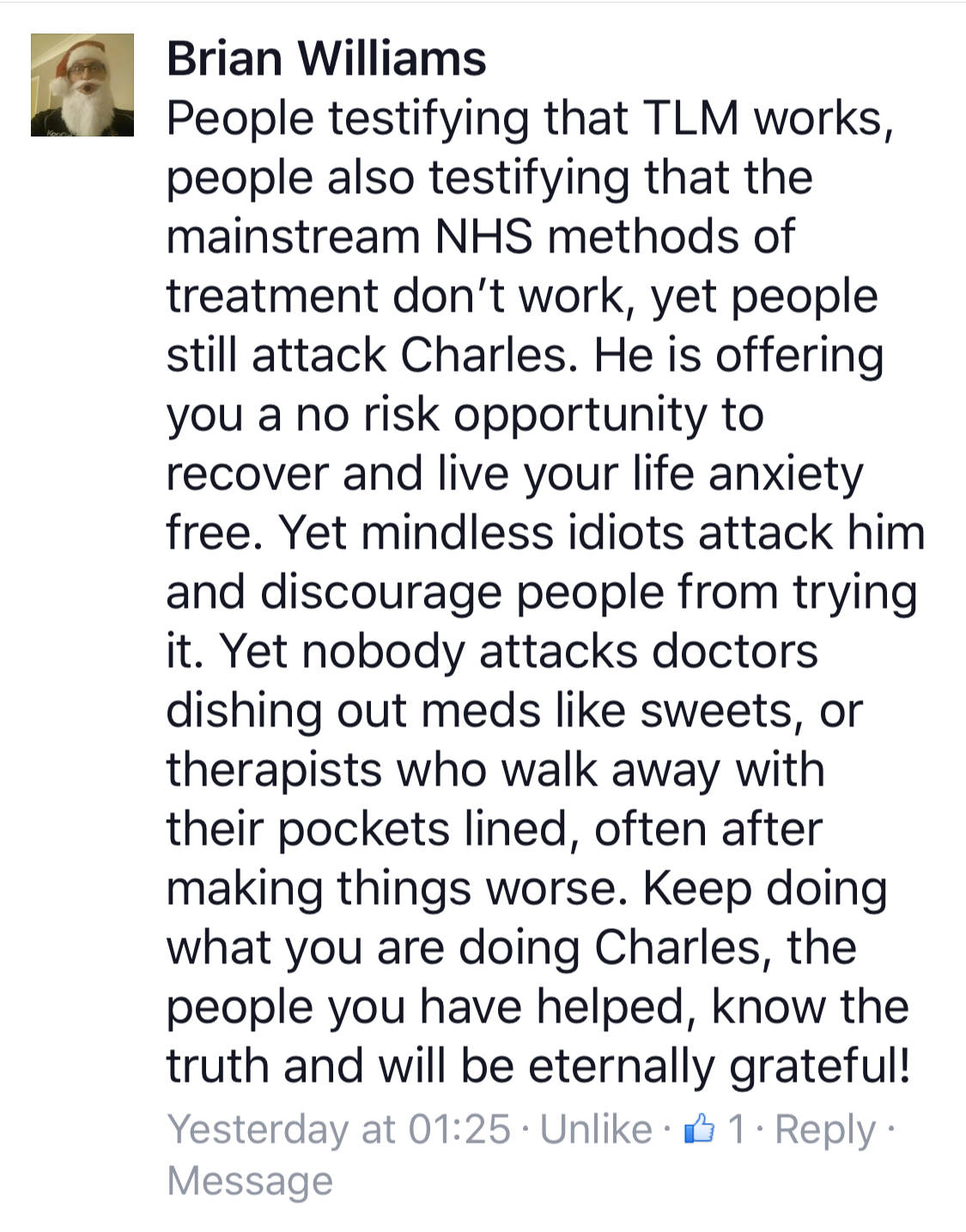
The dominant framework in anxiety treatment is symptom management, not resolution. Clinical guidelines recommend CBT and SSRIs as first-line treatments — both with genuine evidence for symptom reduction. What neither has robust evidence for is full, lasting recovery defined as the absence of the disorder rather than its management. Clinical trials measure symptom scores over weeks or months, not long-term resolution as their endpoint. The implicit message — that anxiety is chronic and requires indefinite management — reflects the limits of the treatments being measured, not the biology of anxiety itself.
The Neuroscience of Anxiety Resolution
The amygdala retains the capacity for neuroplastic change throughout adult life. This is not a fringe claim — it is established neuroscience. The adult brain continues to reorganize itself in response to experience. In anxiety disorders, this means the amygdala's sensitized state can be reversed — not managed, but reversed — through the creation of specific experiential conditions that allow its threshold to recalibrate. The process takes weeks of consistent, structured input. But it is reliable, and it does not require decades to complete.
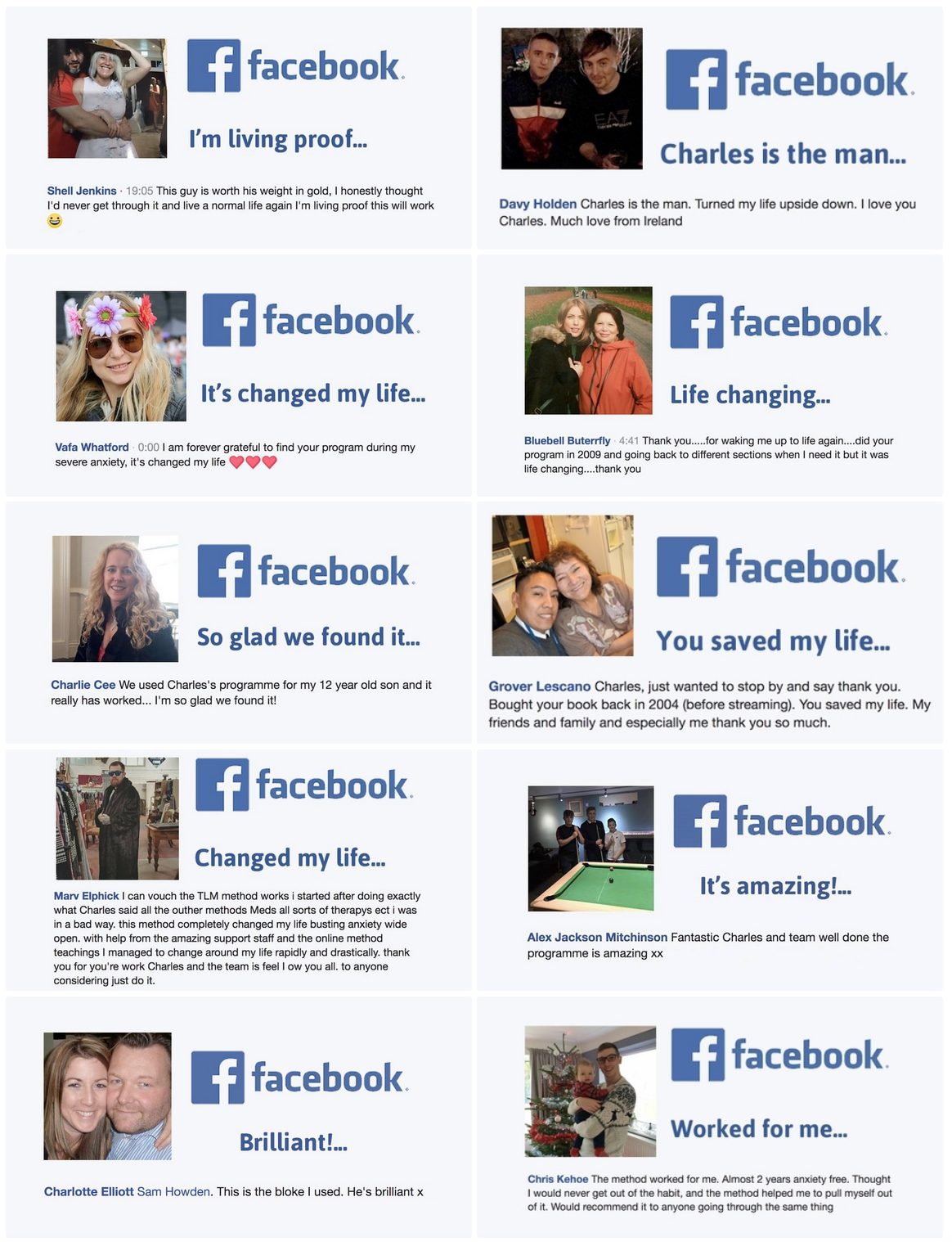
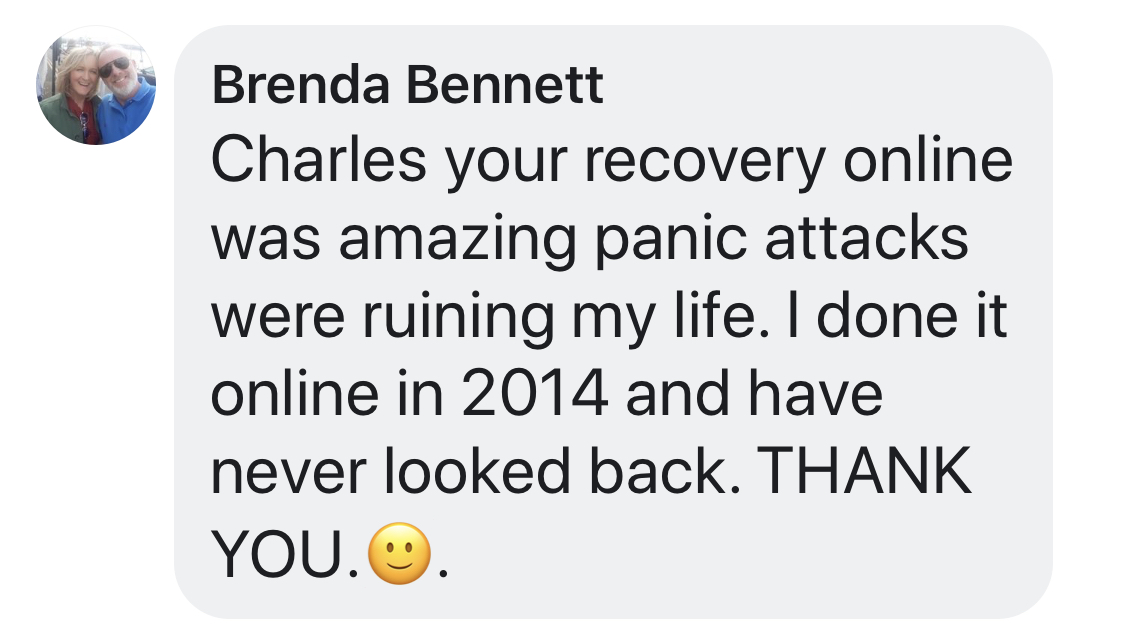
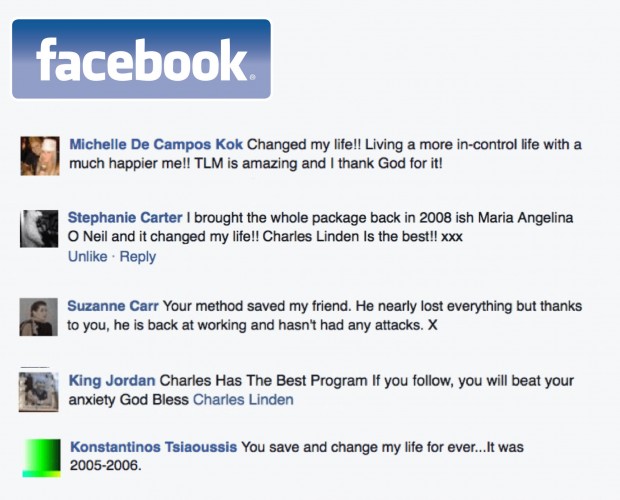
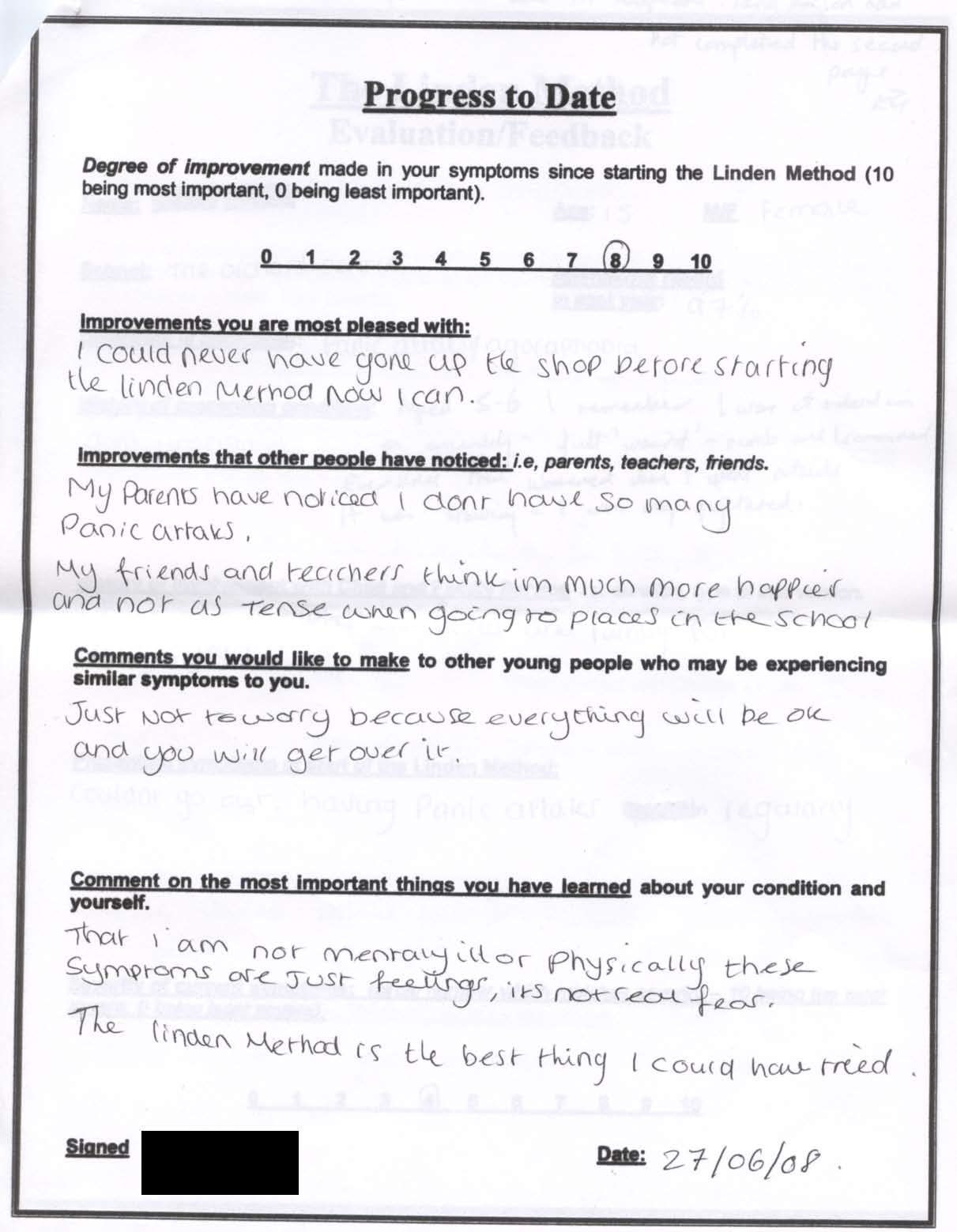
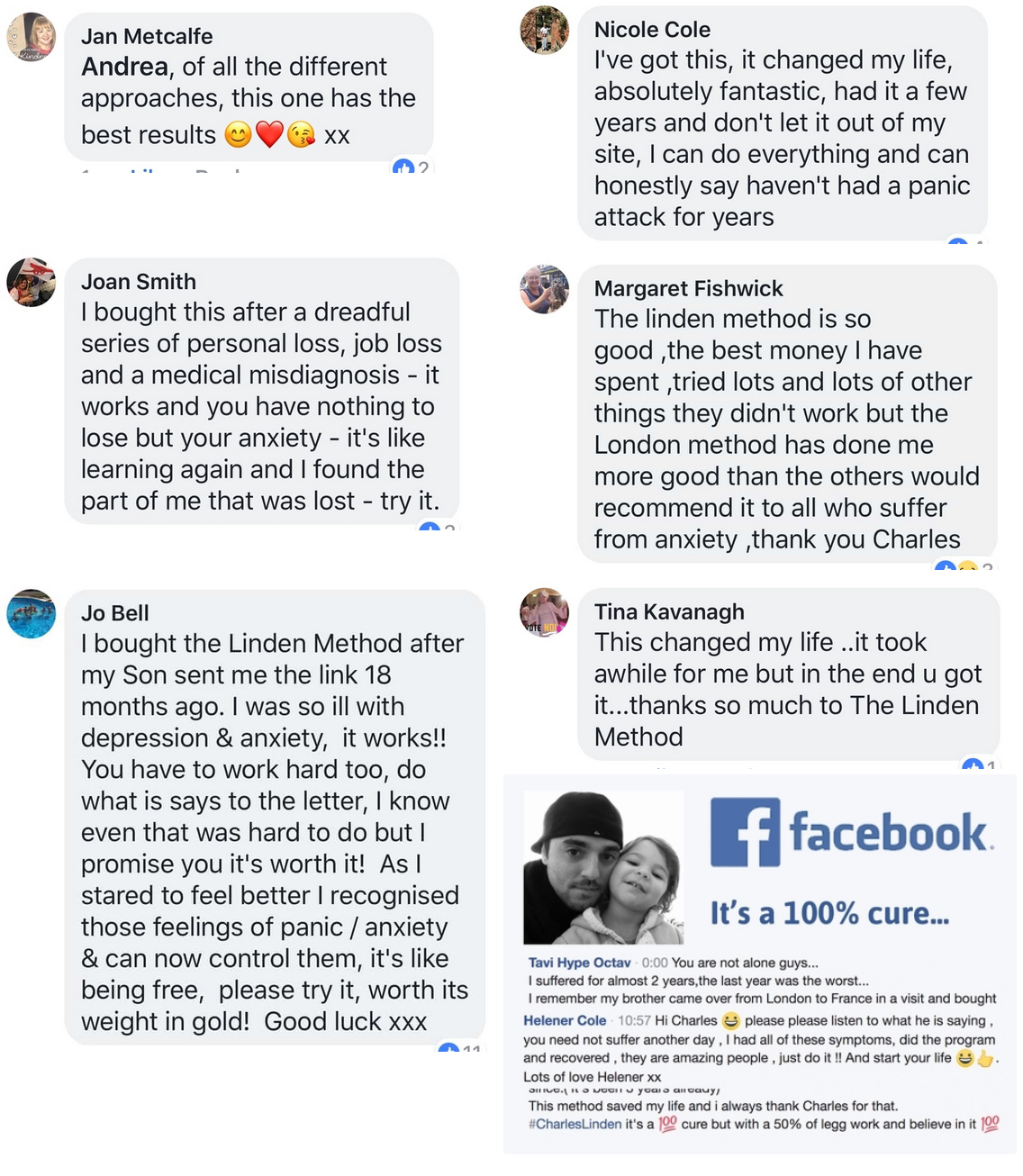
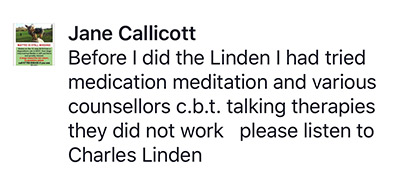
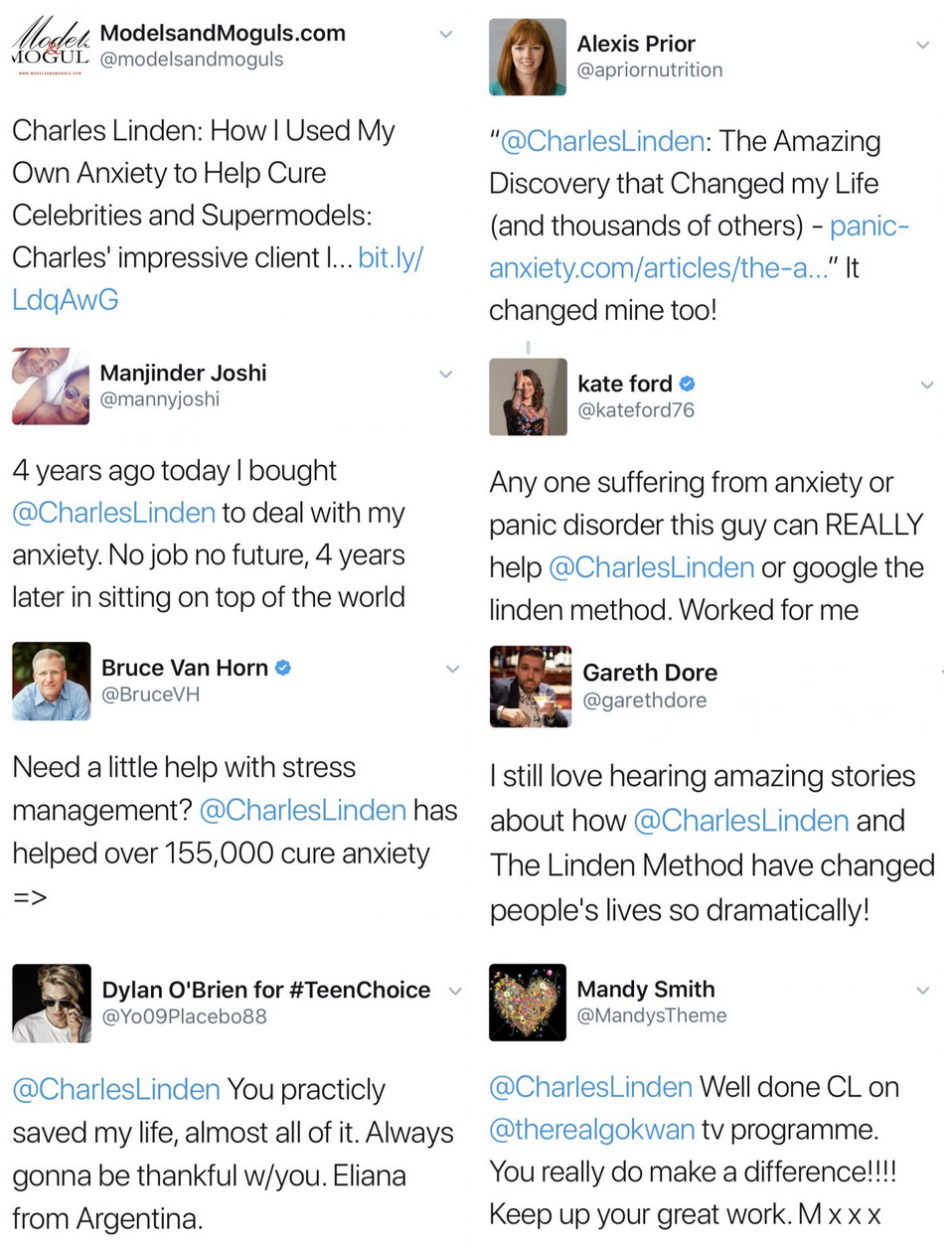
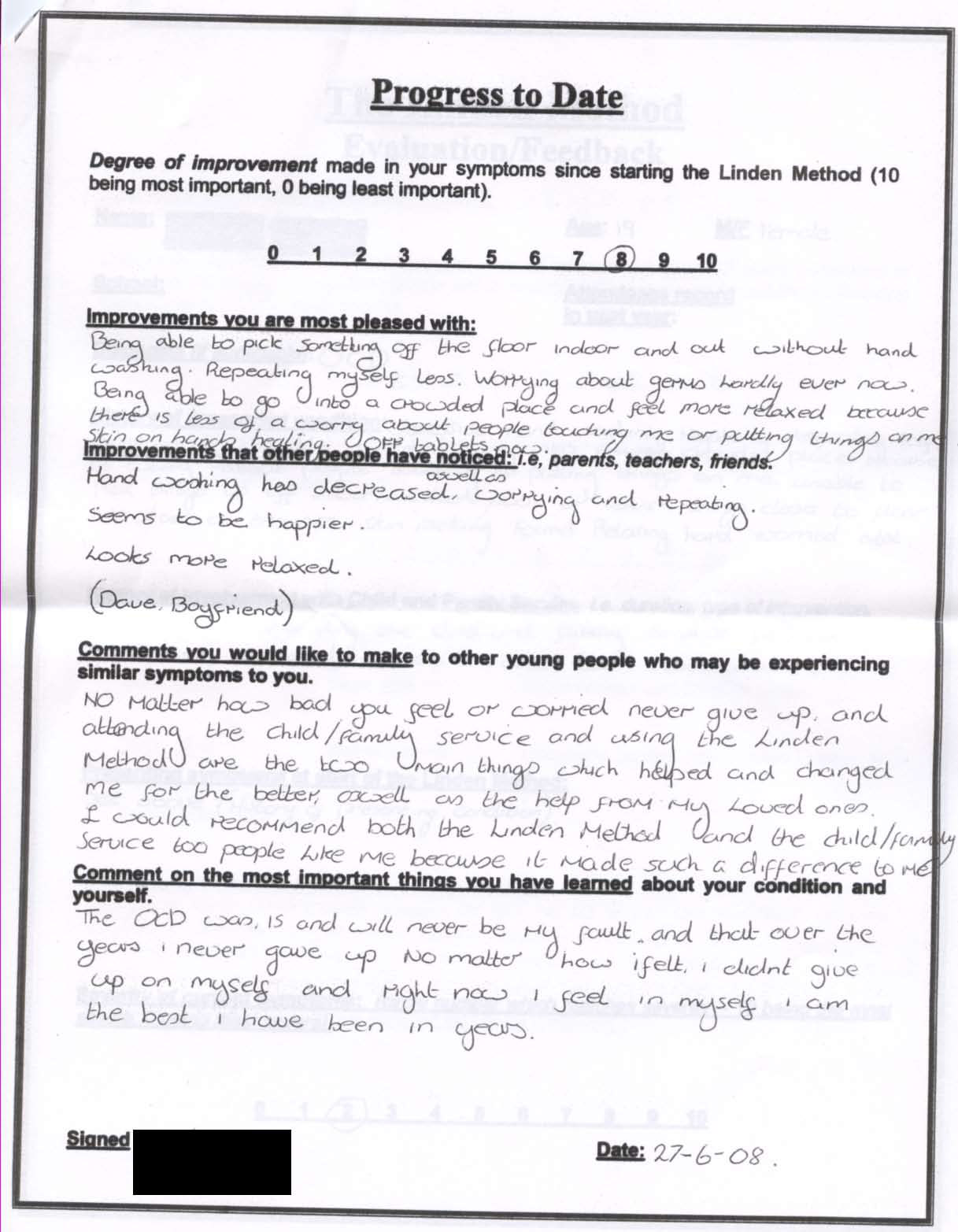
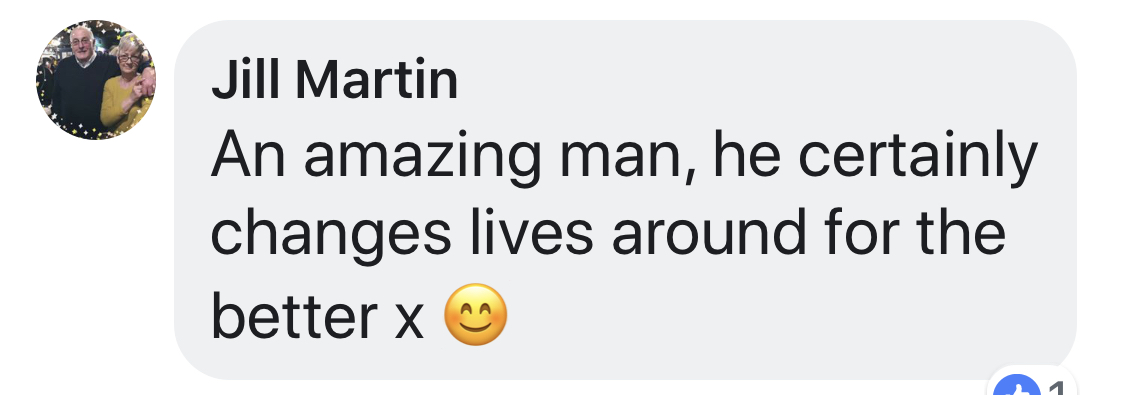
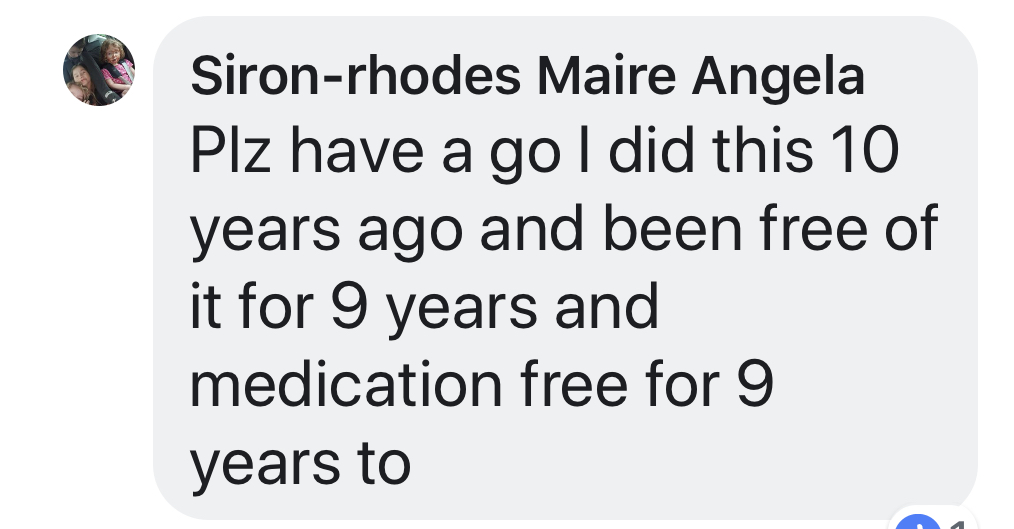
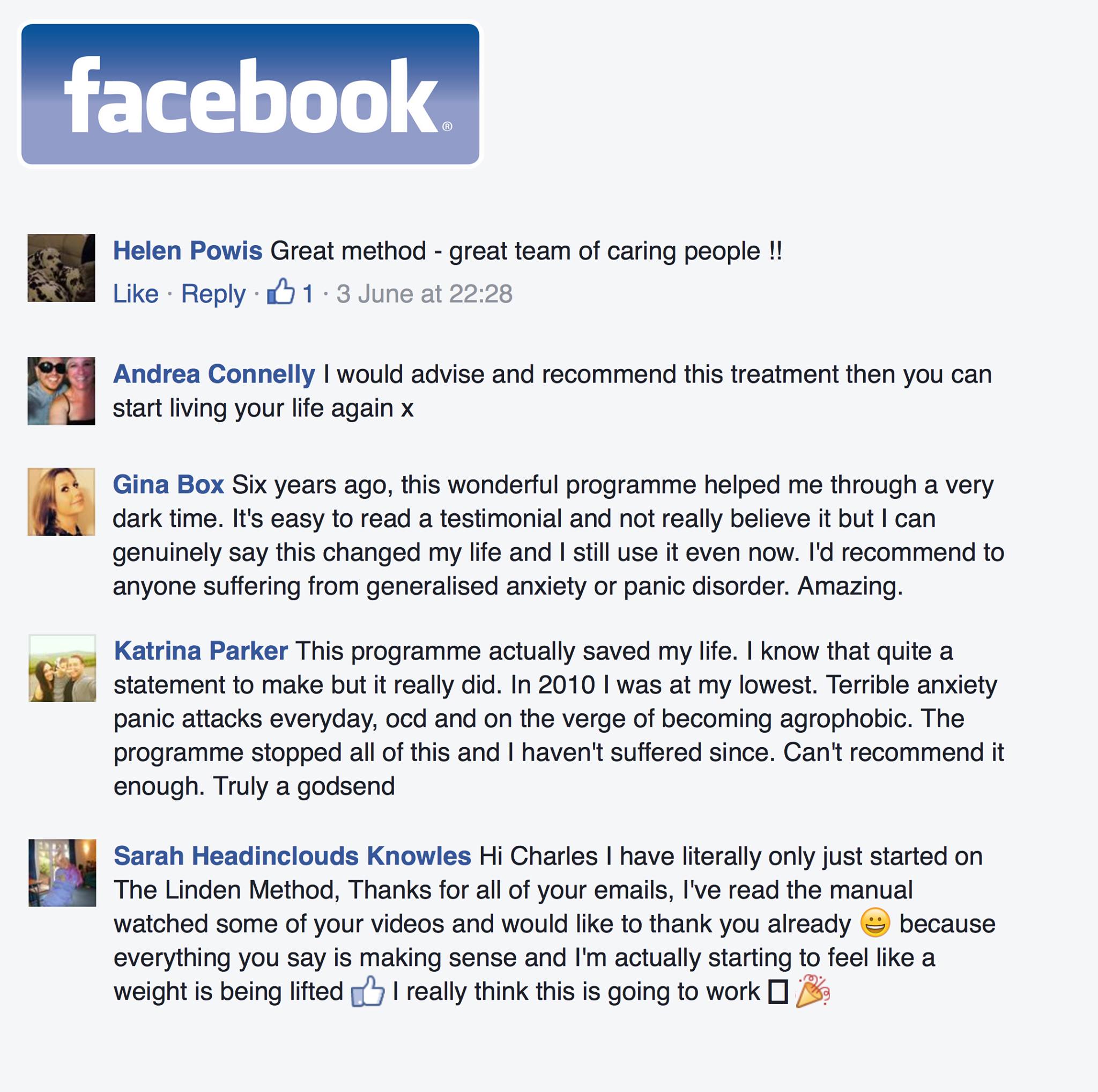
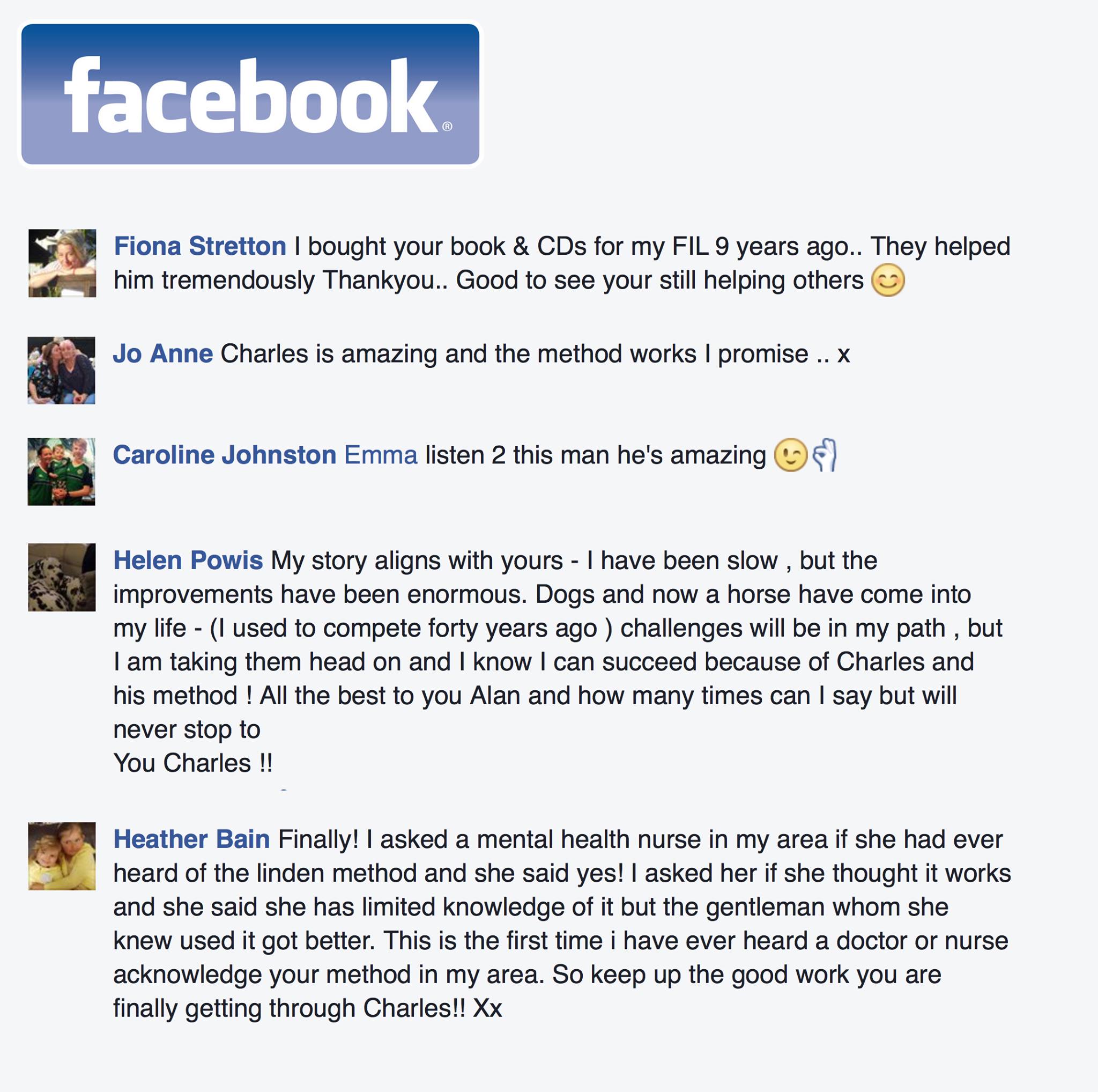
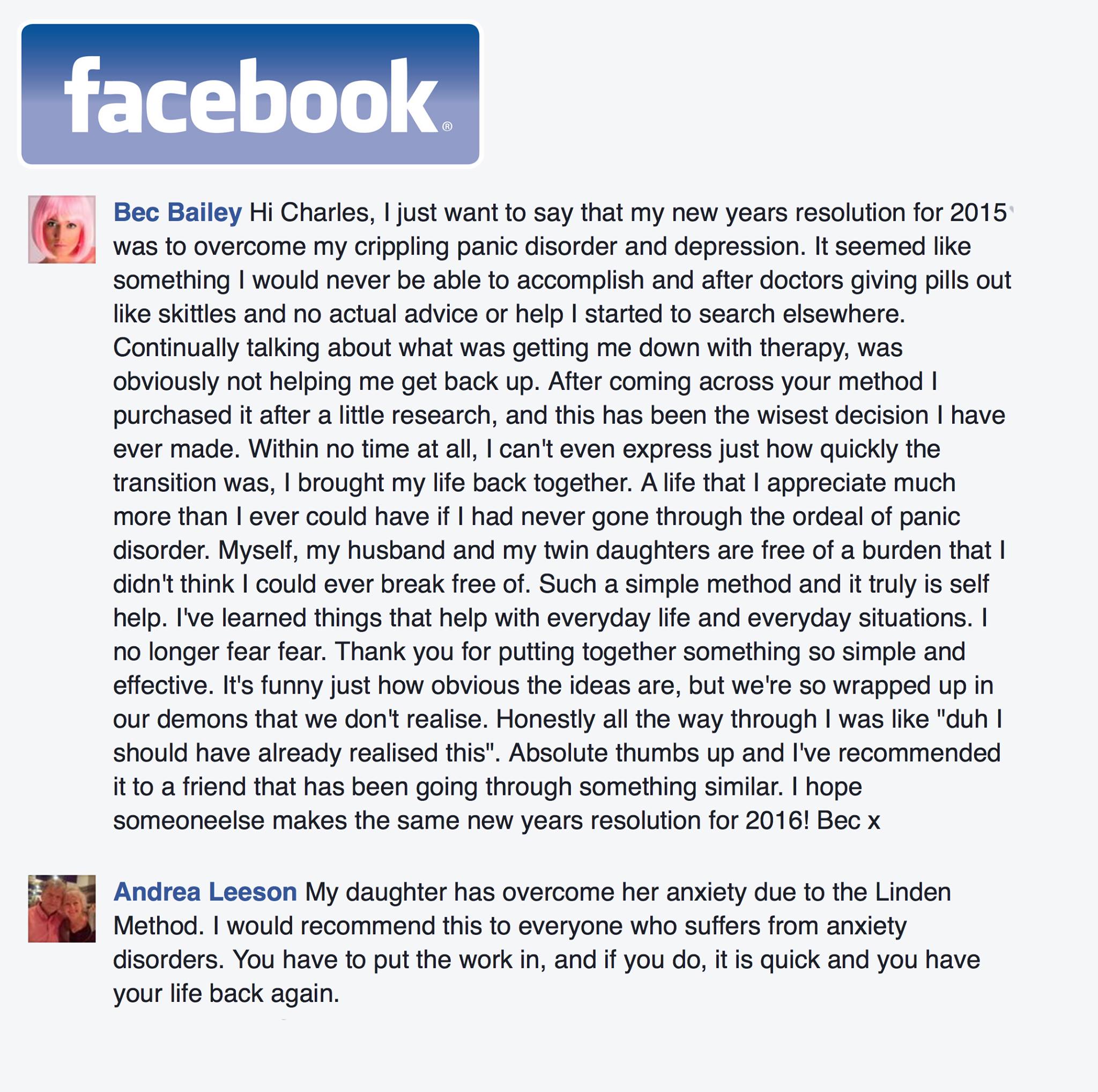
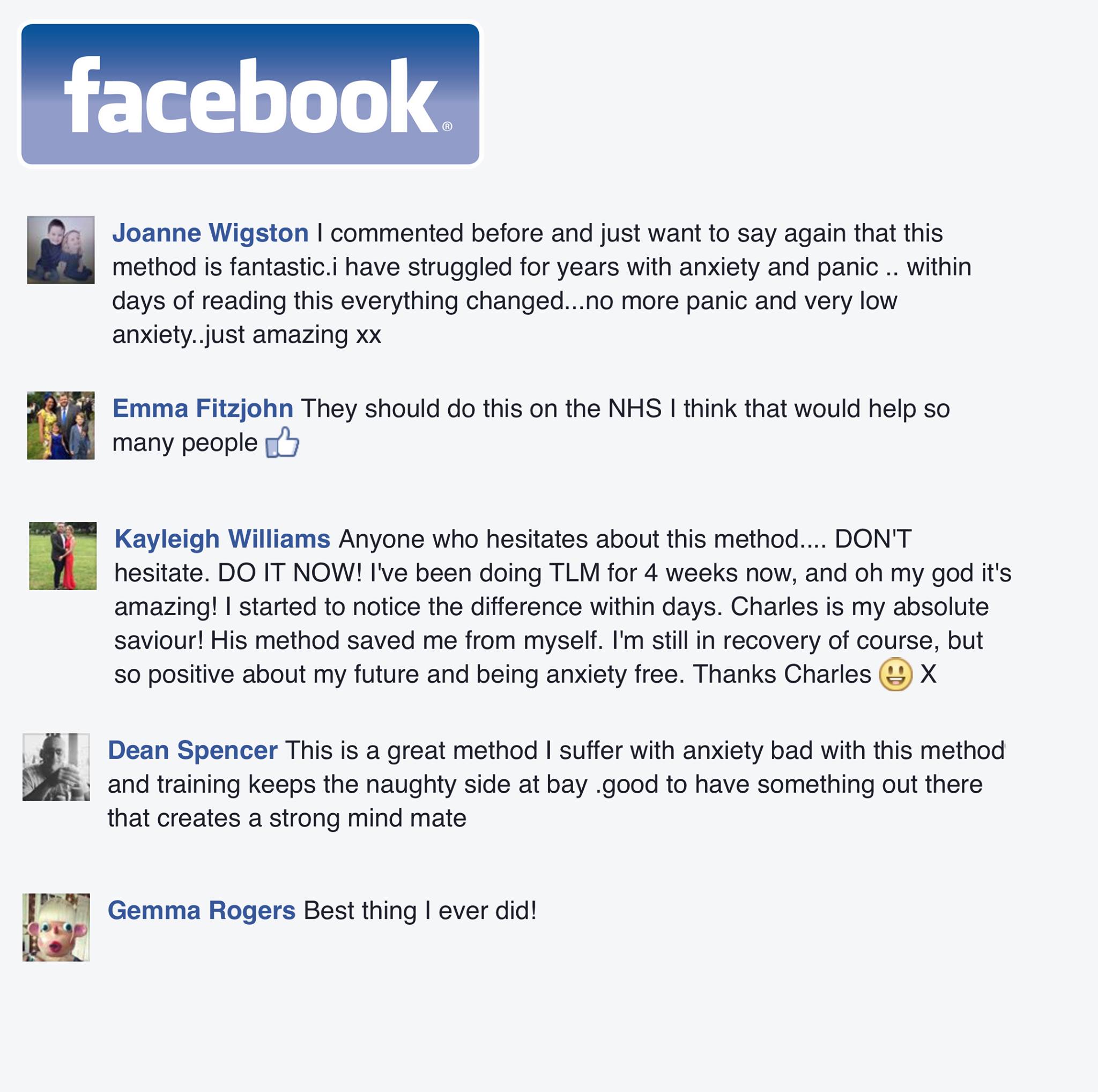
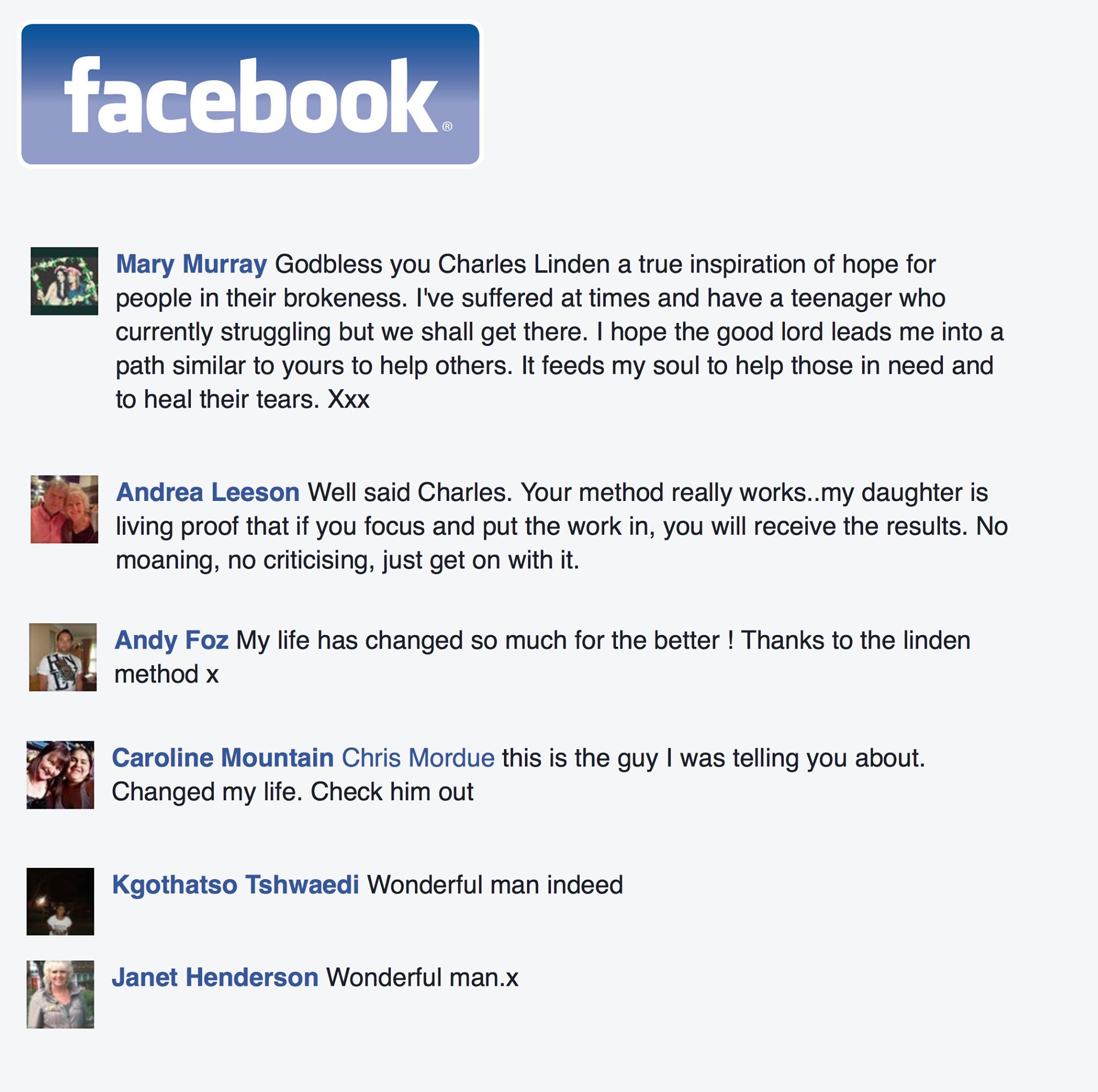
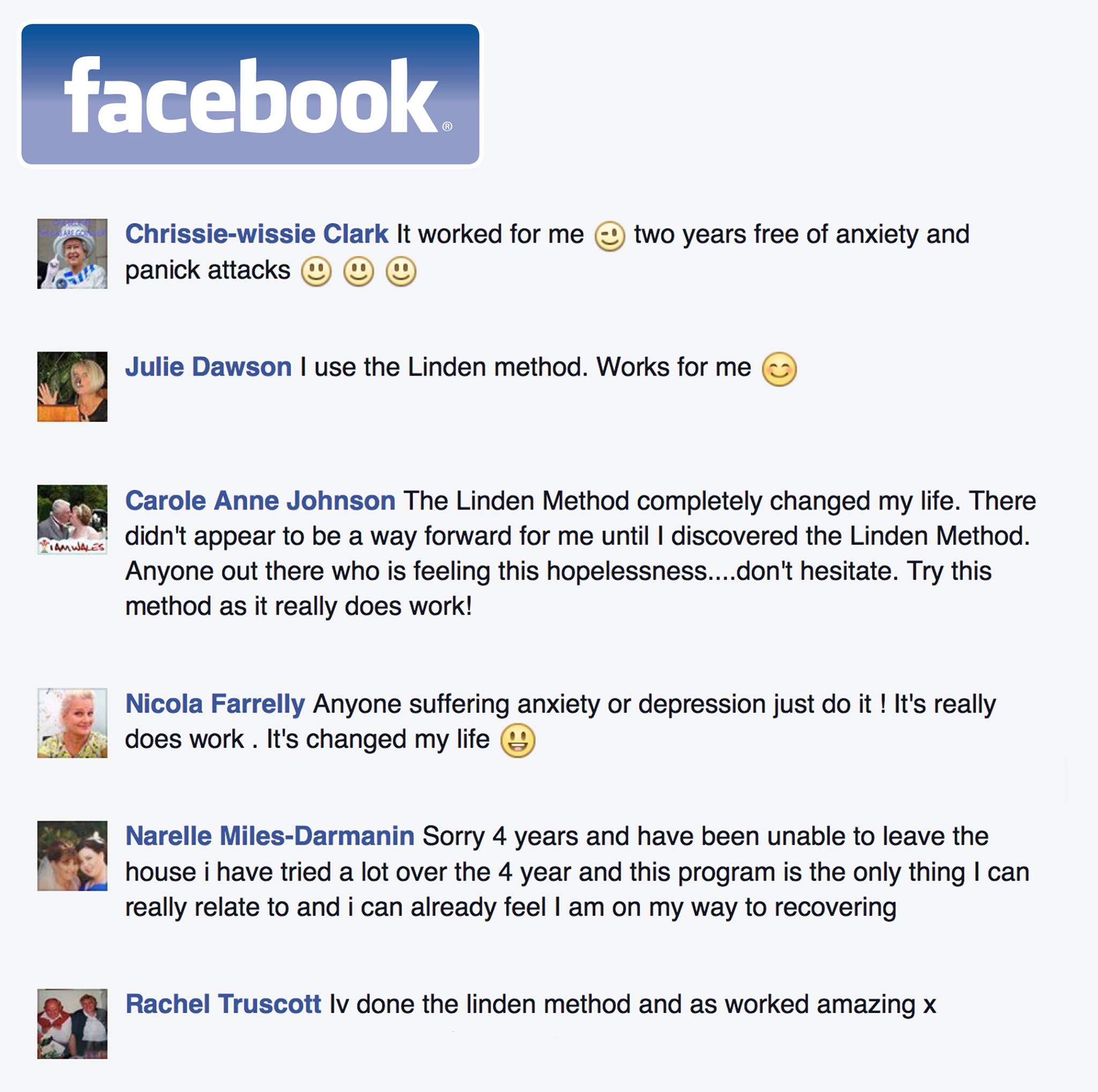
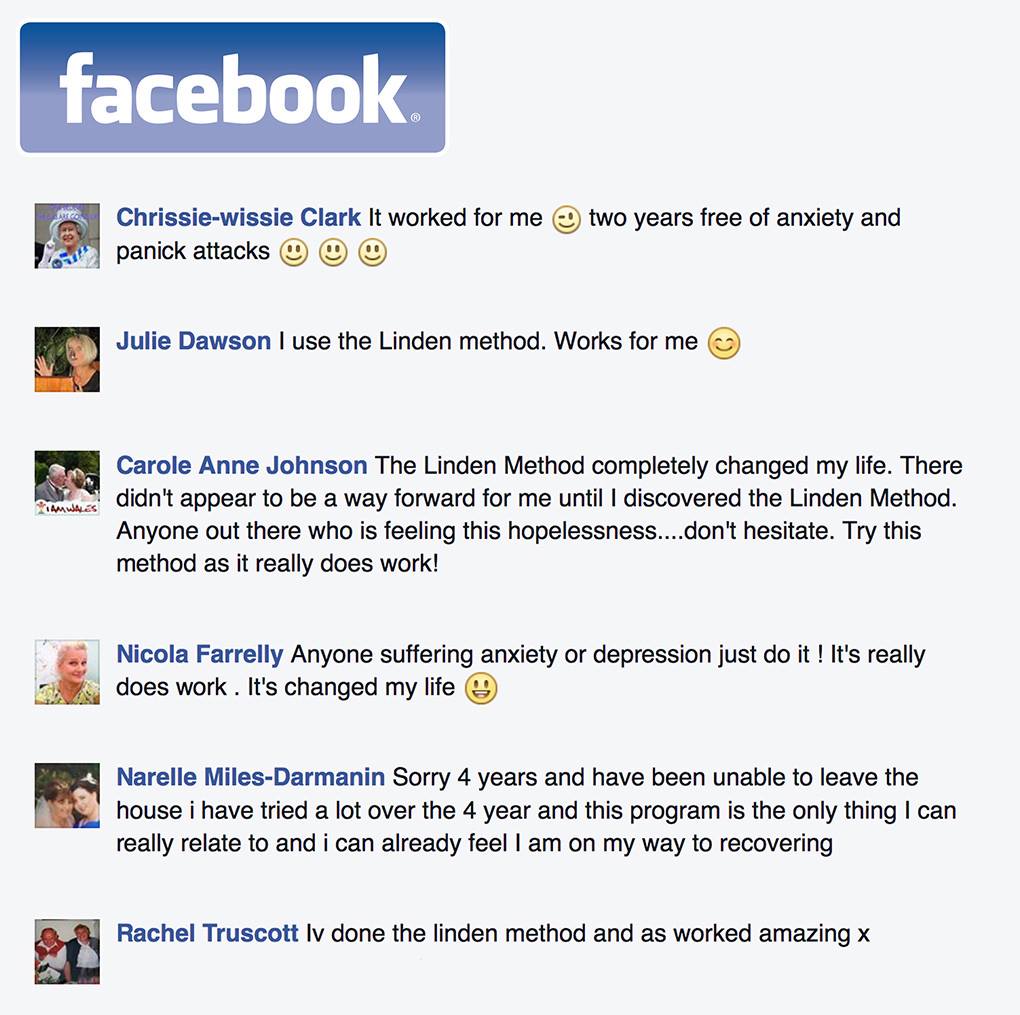
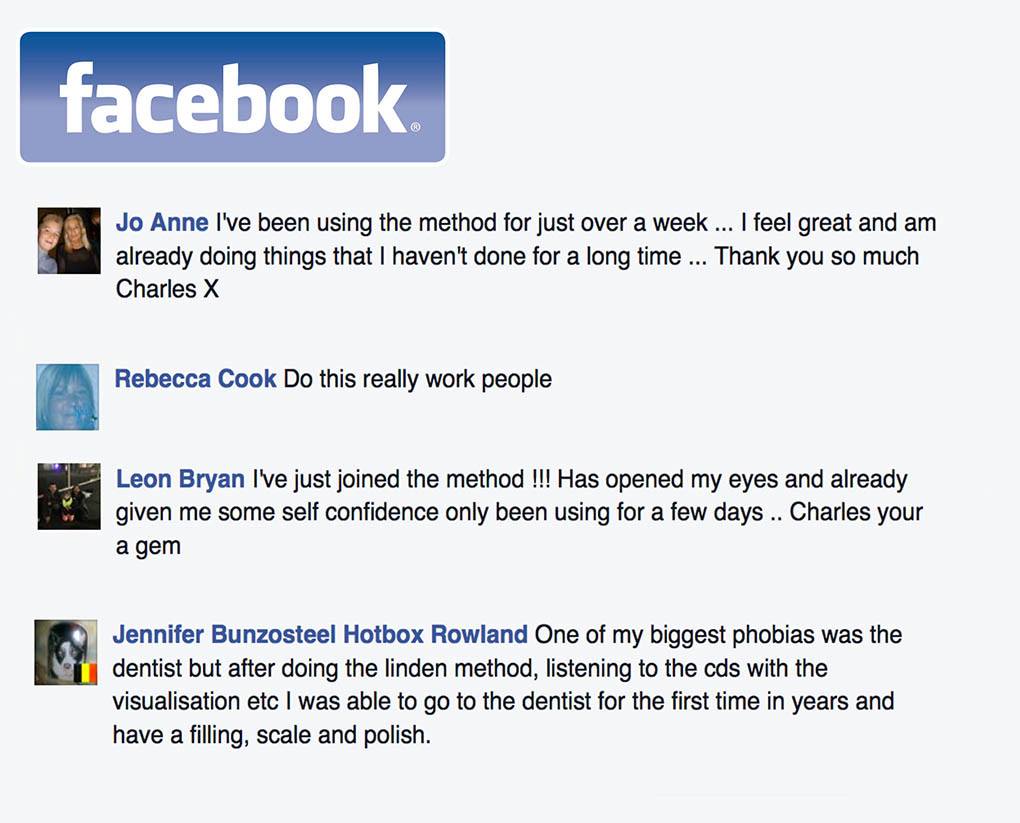
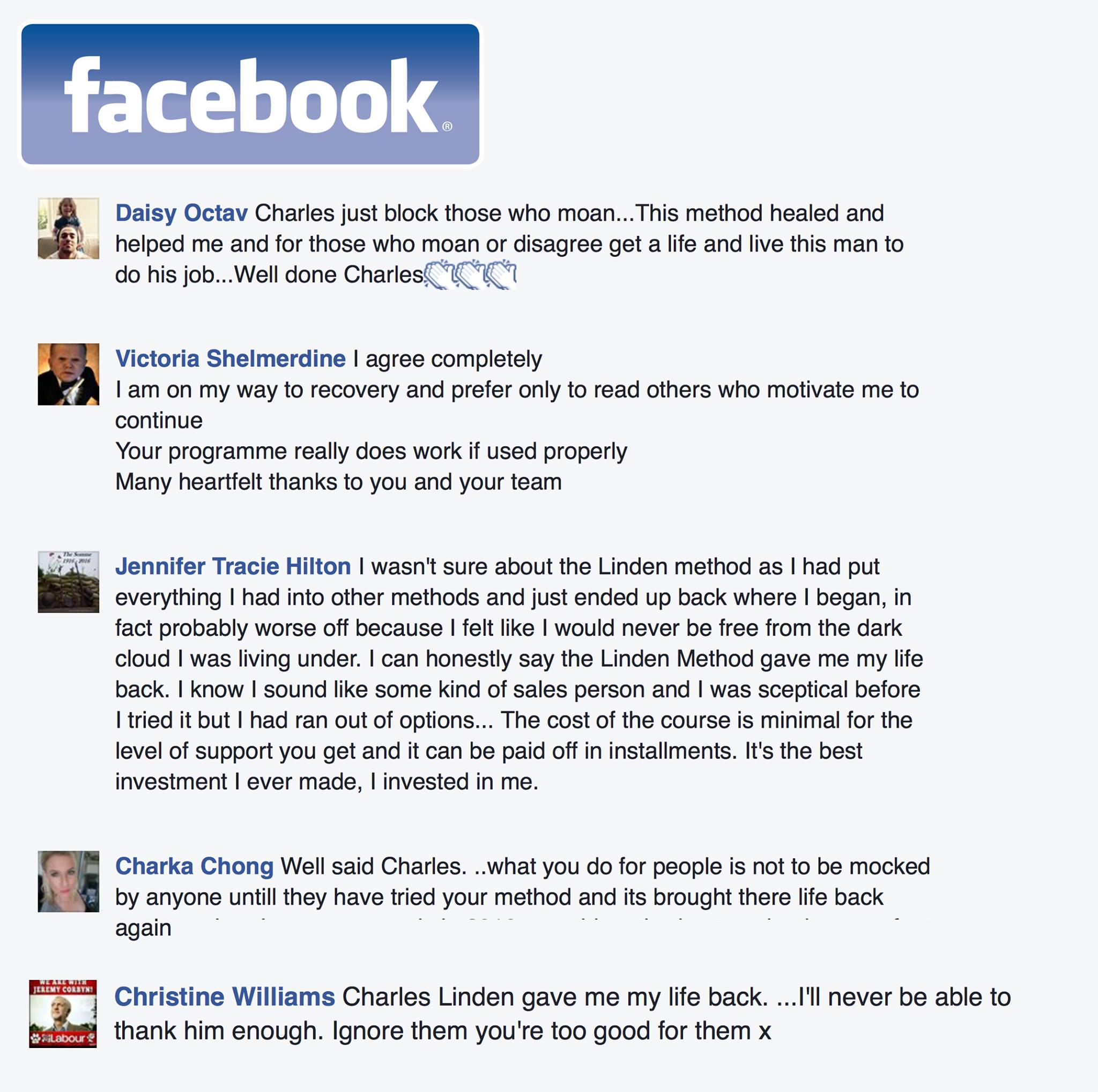
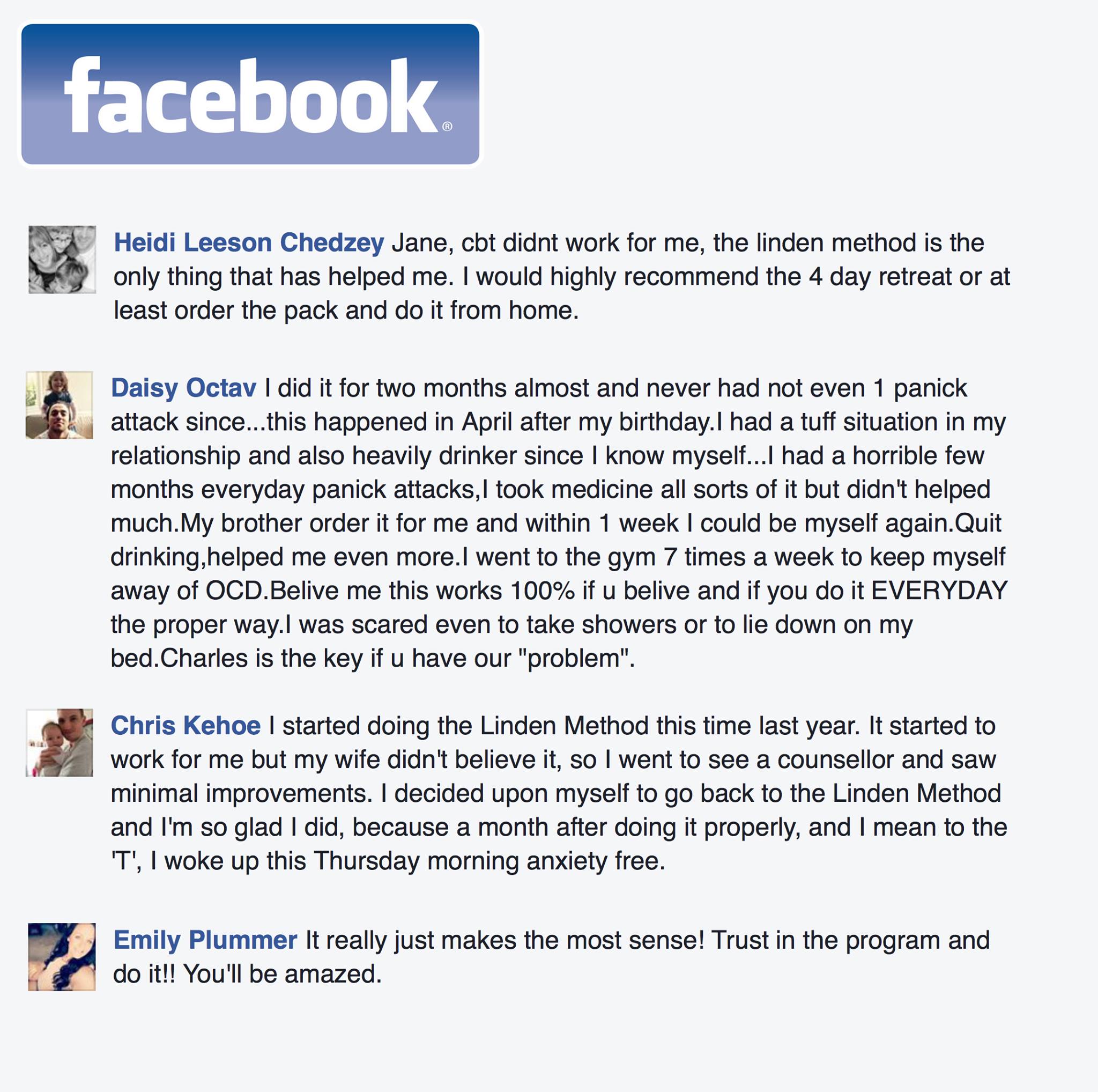
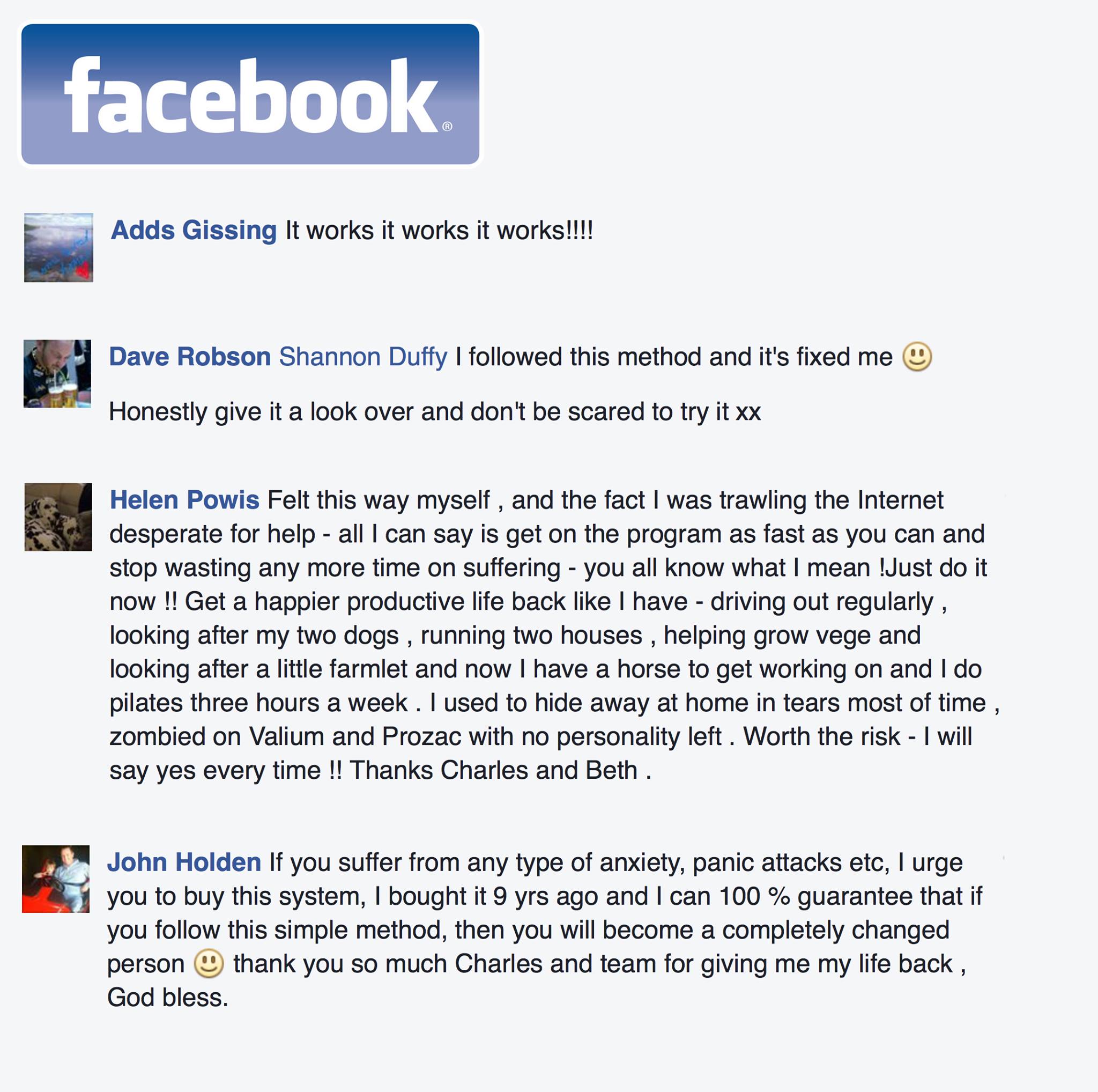
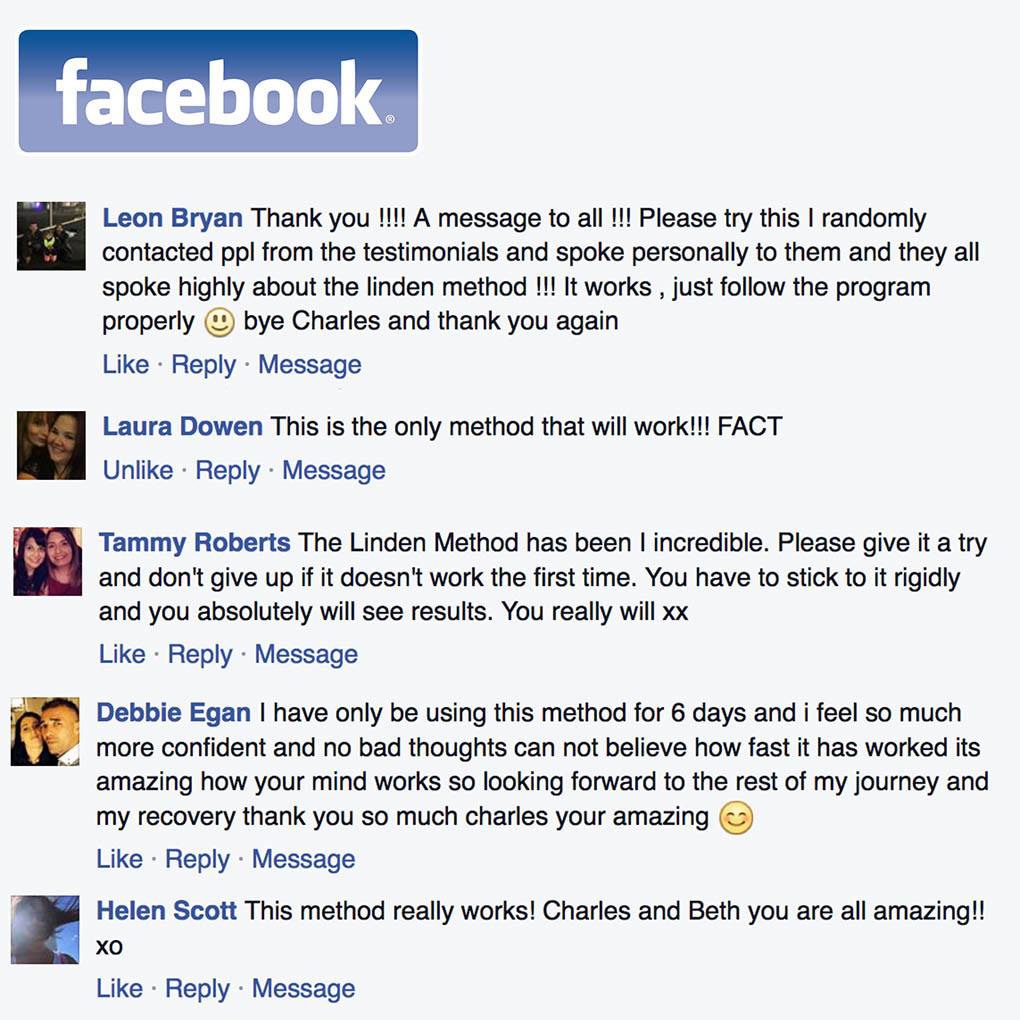
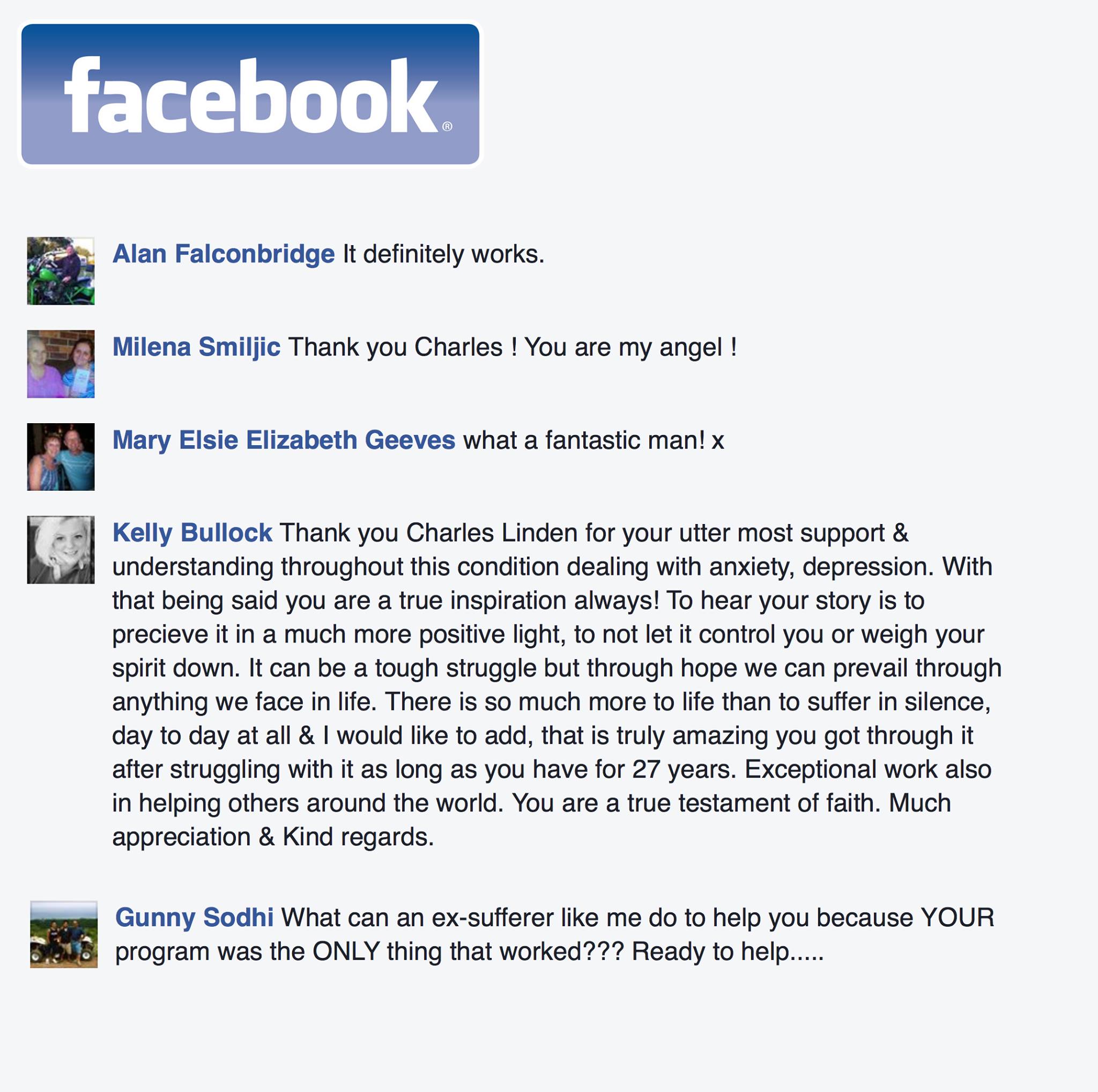
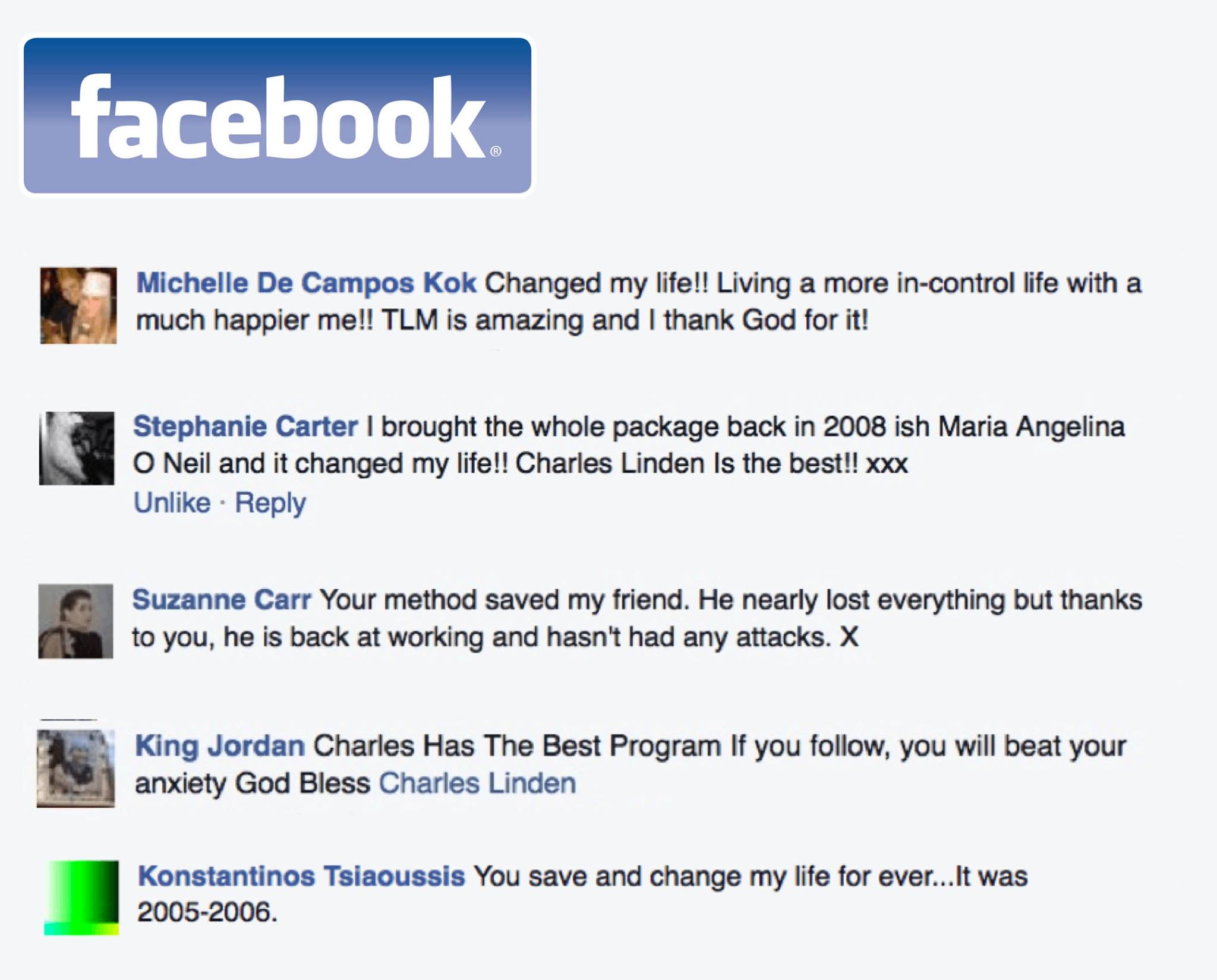
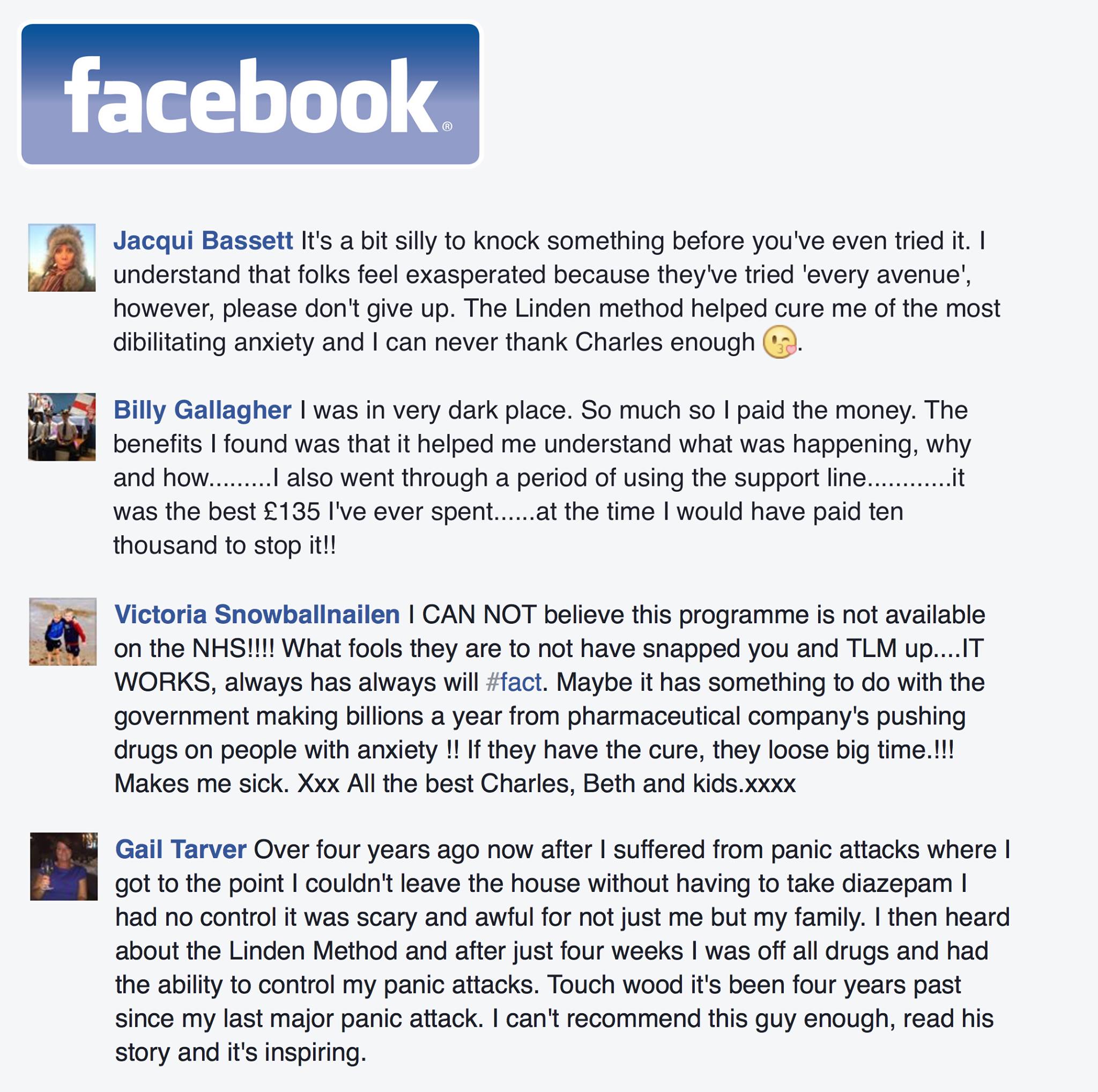
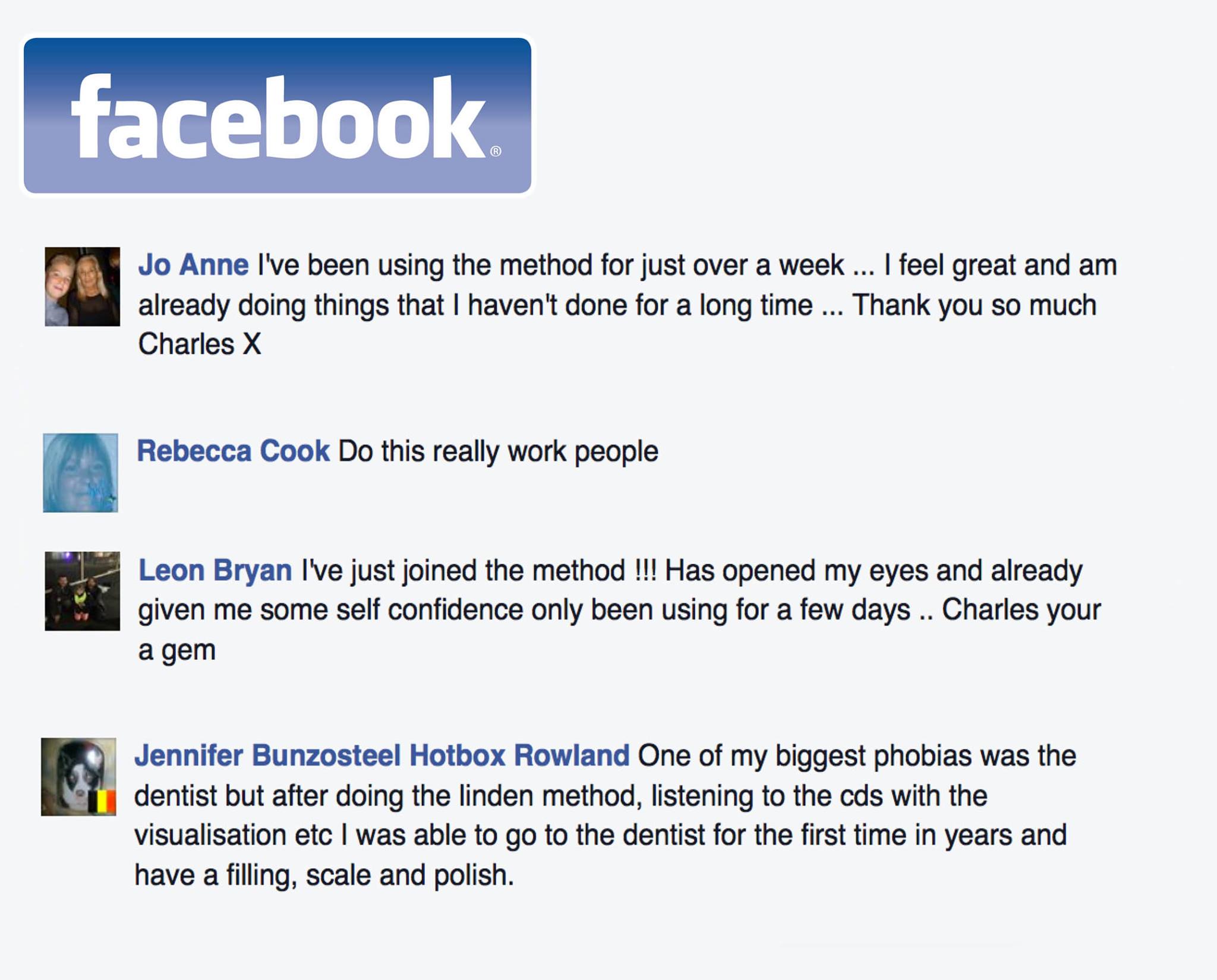
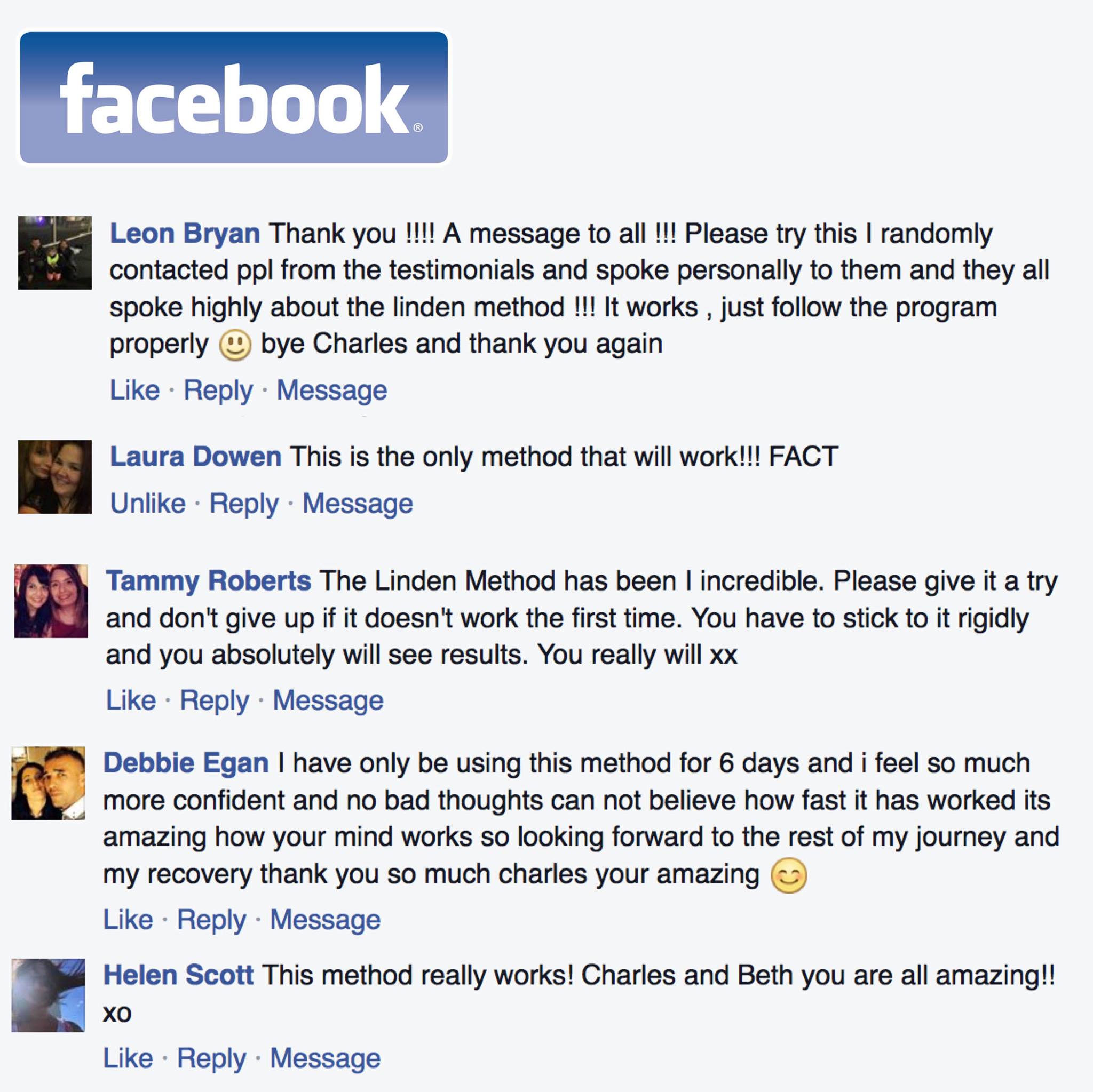
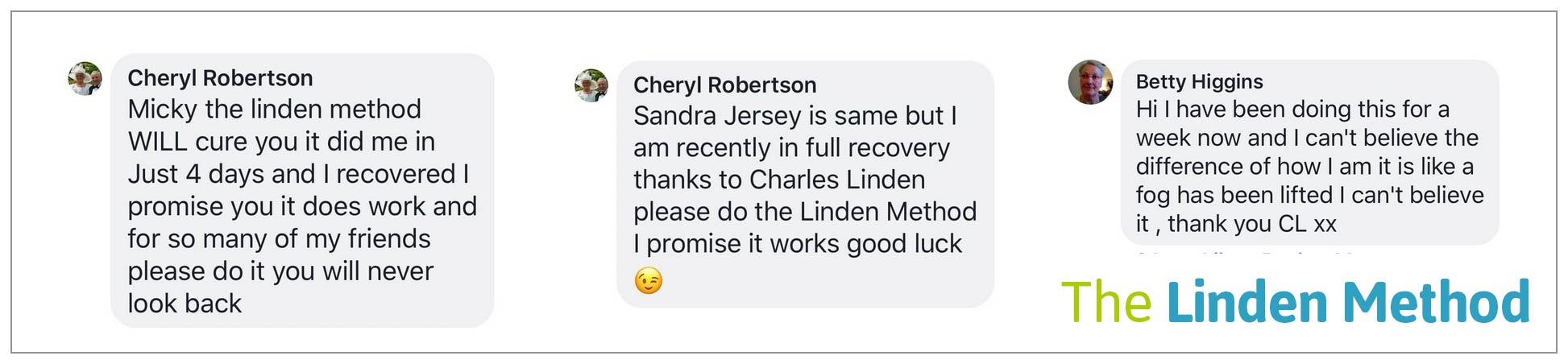
Charles Linden's own recovery from severe panic disorder, agoraphobia, and OCD — and the 650,000 recoveries his method has subsequently facilitated — represent the largest documented body of evidence that full anxiety recovery is achievable at scale. These are not people who manage their symptoms more effectively. They are people whose anxiety disorder has resolved.
Anxiety Conditions That Respond to Recovery-Focused Treatment
- Panic disorder — including long-standing cases with multiple daily attacks
- Generalised Anxiety Disorder (GAD) — persistent background worry and physical tension
- Agoraphobia — including people who have been completely housebound for years
- OCD and Pure O — including hard-to-treat subtypes and long-standing presentations
- Social anxiety disorder — including cases that have prevented normal work or relationships
- Health anxiety — the relentless scanning for symptoms and medical reassurance-seeking
- Specific phobias — including emetophobia, driving phobia, and needle phobia
Recovery Timelines: Realistic Expectations
How long anxiety recovery takes varies between individuals. What the Linden Method's 30-year outcomes data consistently shows is that most people experience meaningful improvement within four to eight weeks. Many people in that timeframe report complete elimination of their primary anxiety symptoms. Longer-standing or more complex presentations take more time — but the duration of prior suffering does not consistently predict recovery time. The amygdala does not keep a record of how long it has been sensitized.
The Normal Anxiety That Returns After Recovery
Recovery from an anxiety disorder does not mean the permanent absence of all anxiety. Normal anxiety is biological and healthy — the nervous system's proportionate response to genuine uncertainty or risk. After recovery, people experience appropriate nervousness before significant events and wariness in genuinely uncertain situations. What they do not experience is the disorder: the disproportionate, uncontrollable, life-impairing fear responses to non-threatening situations. That is what goes away — permanently.
650,000 People Know It's Real
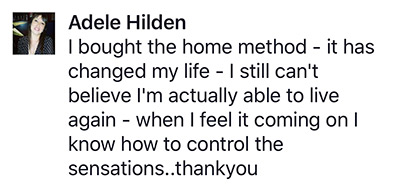
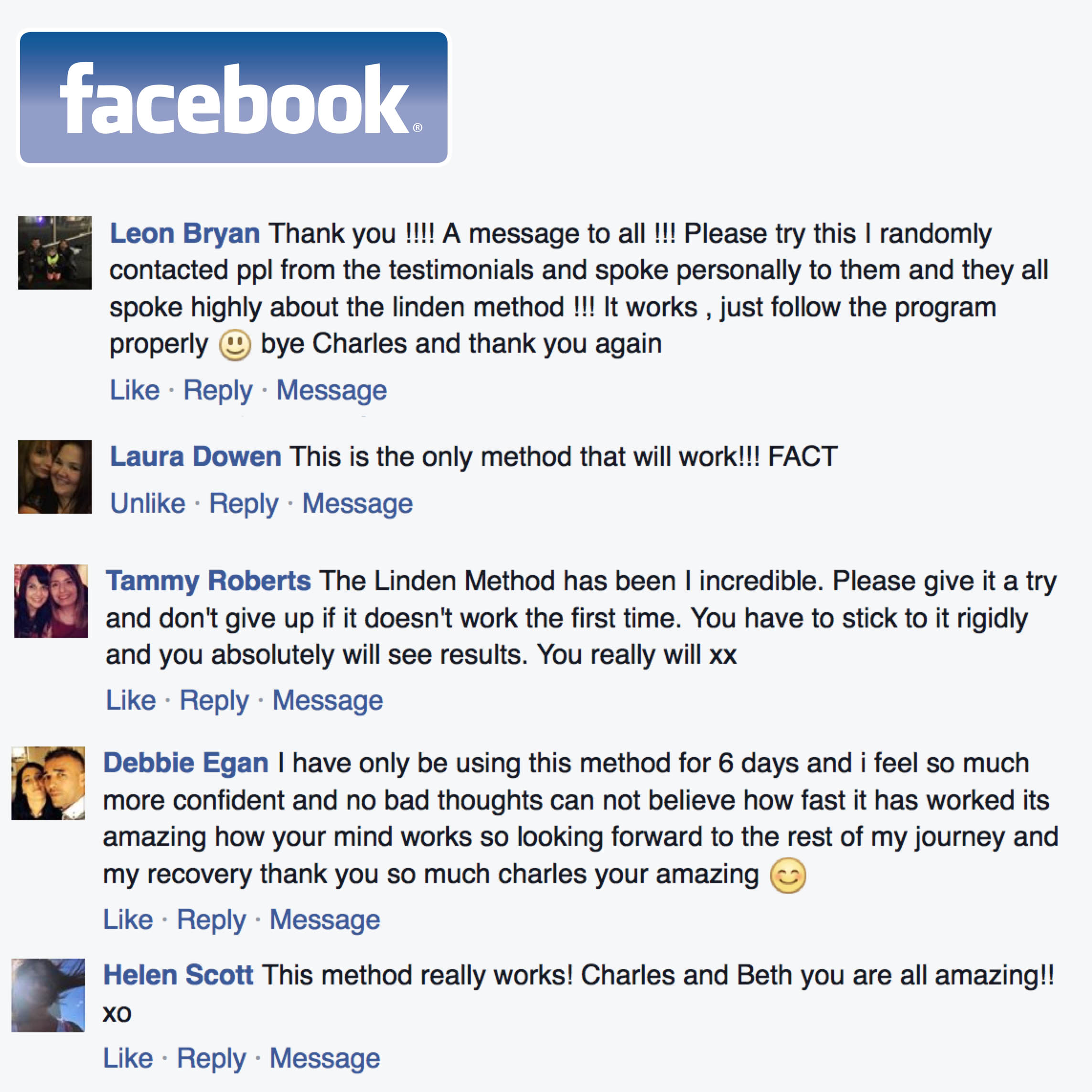
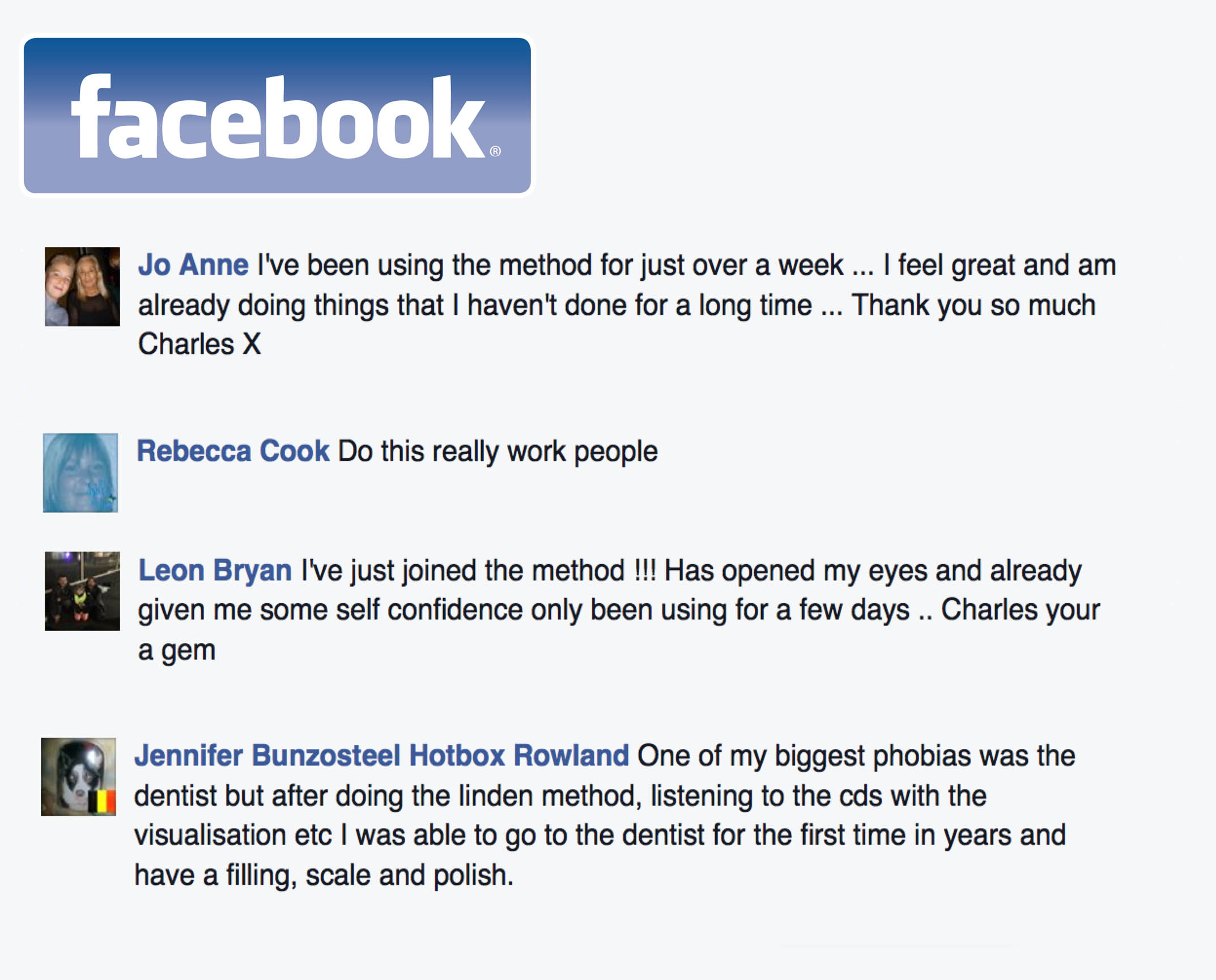
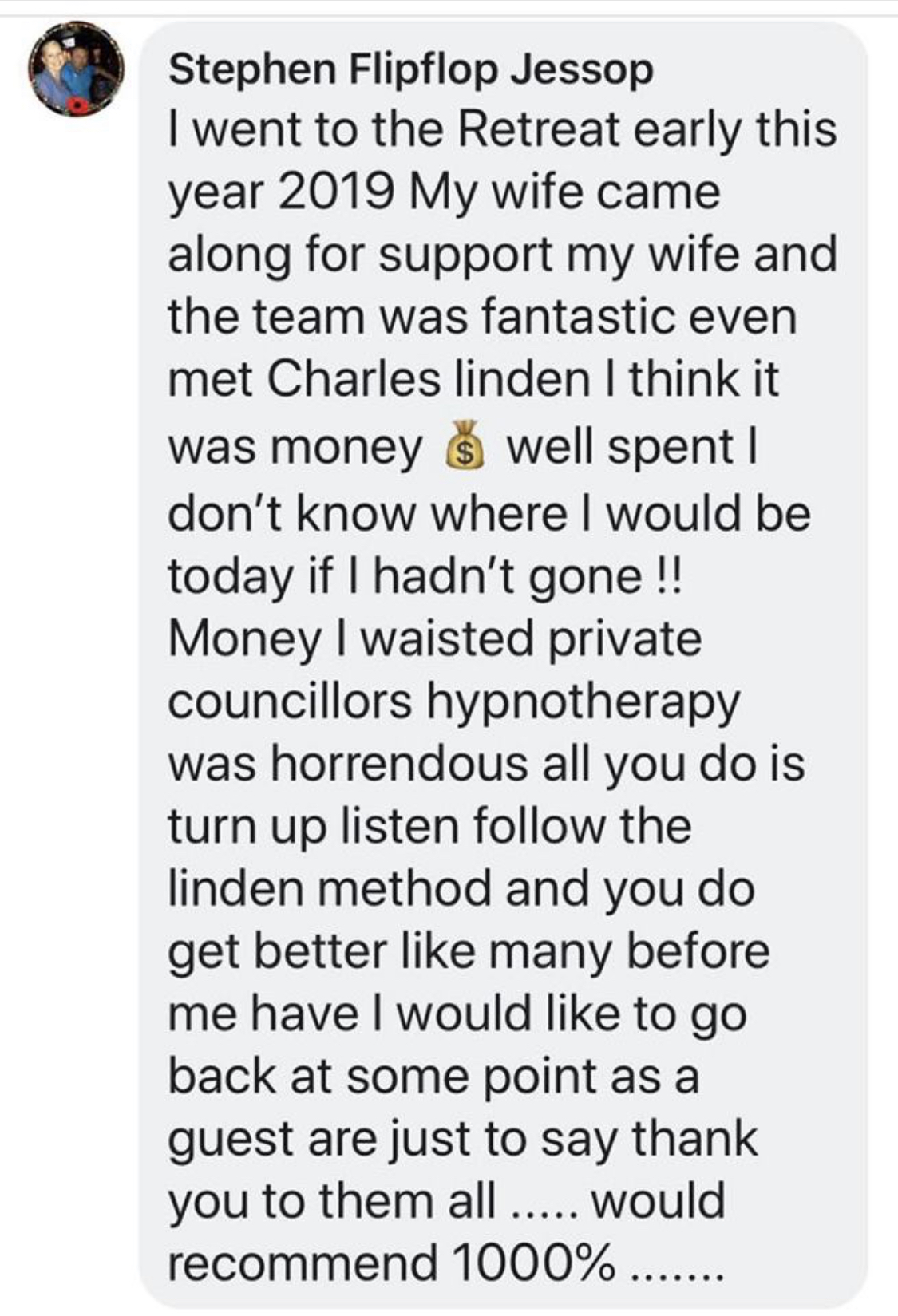
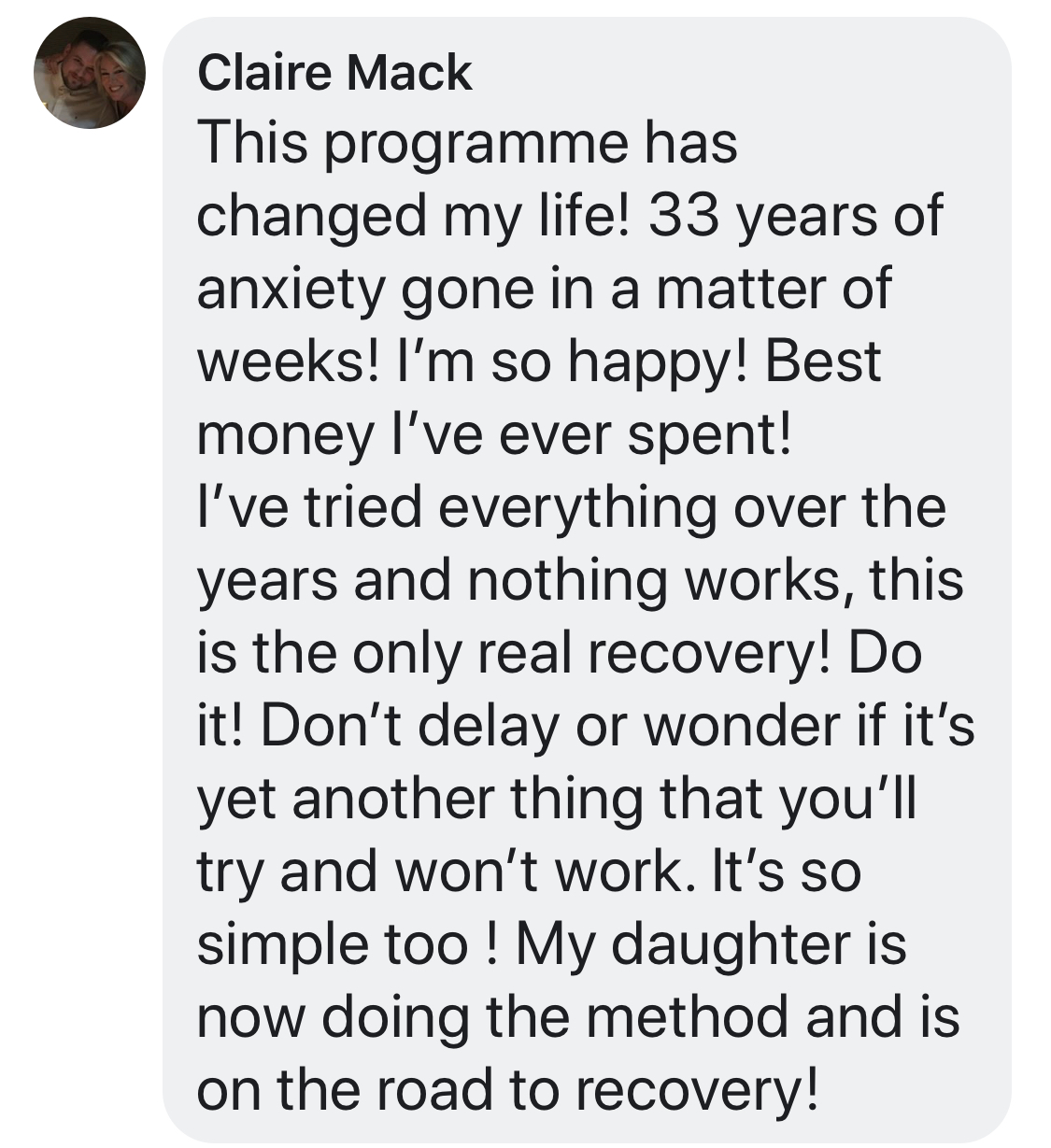
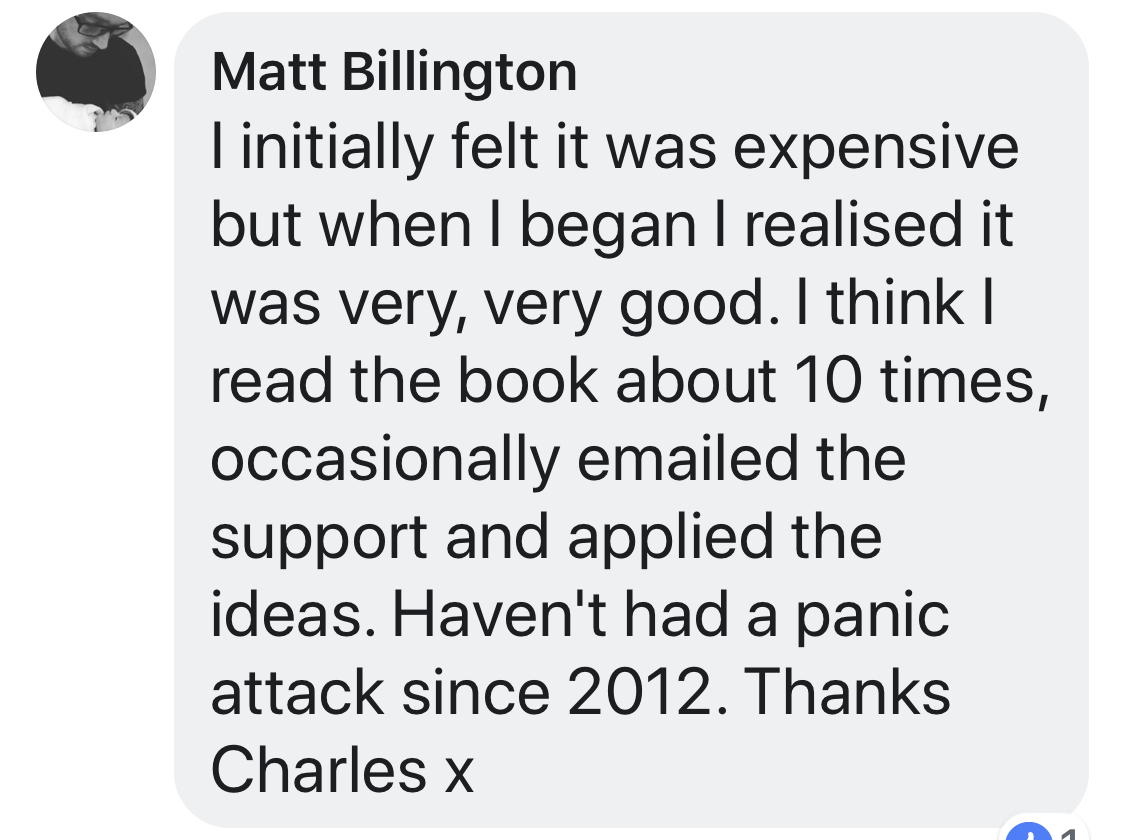
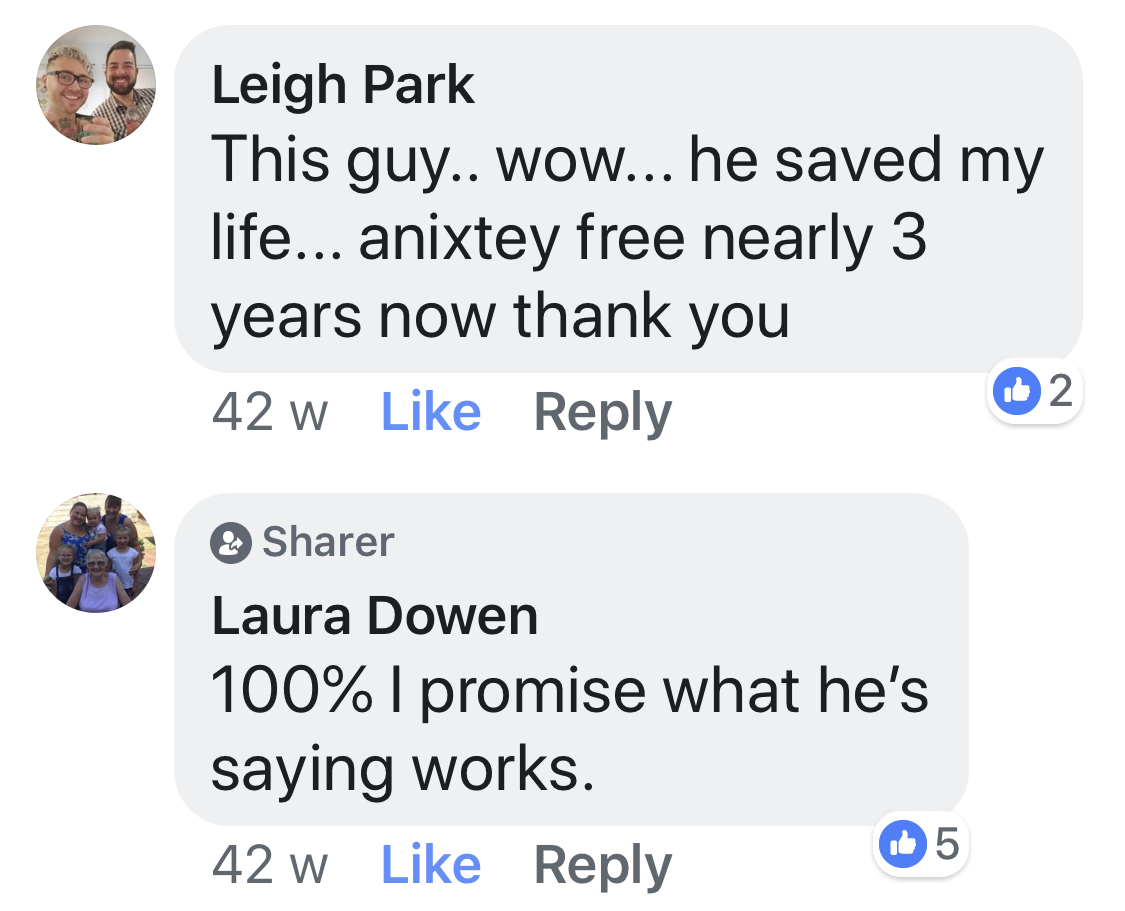
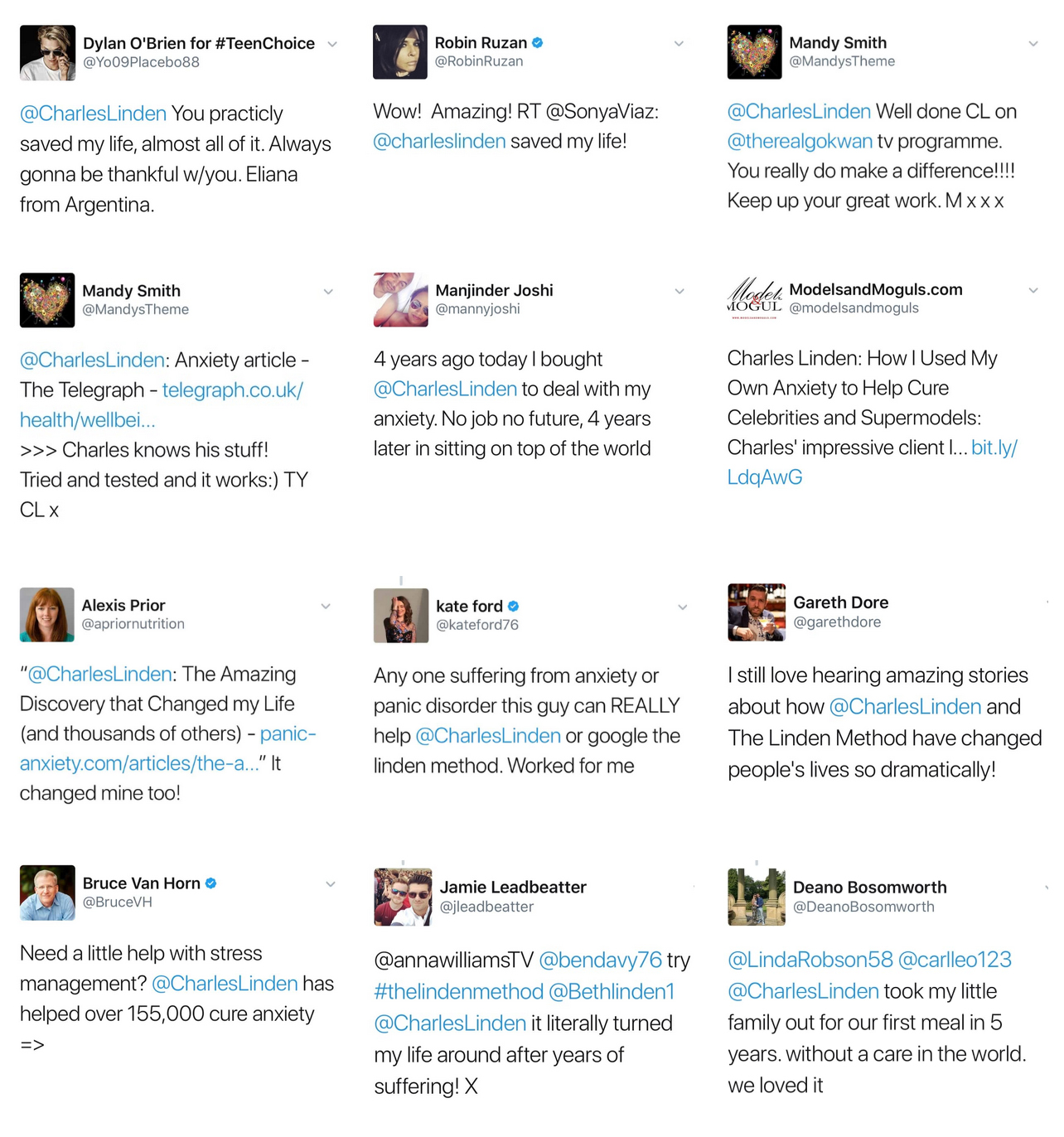
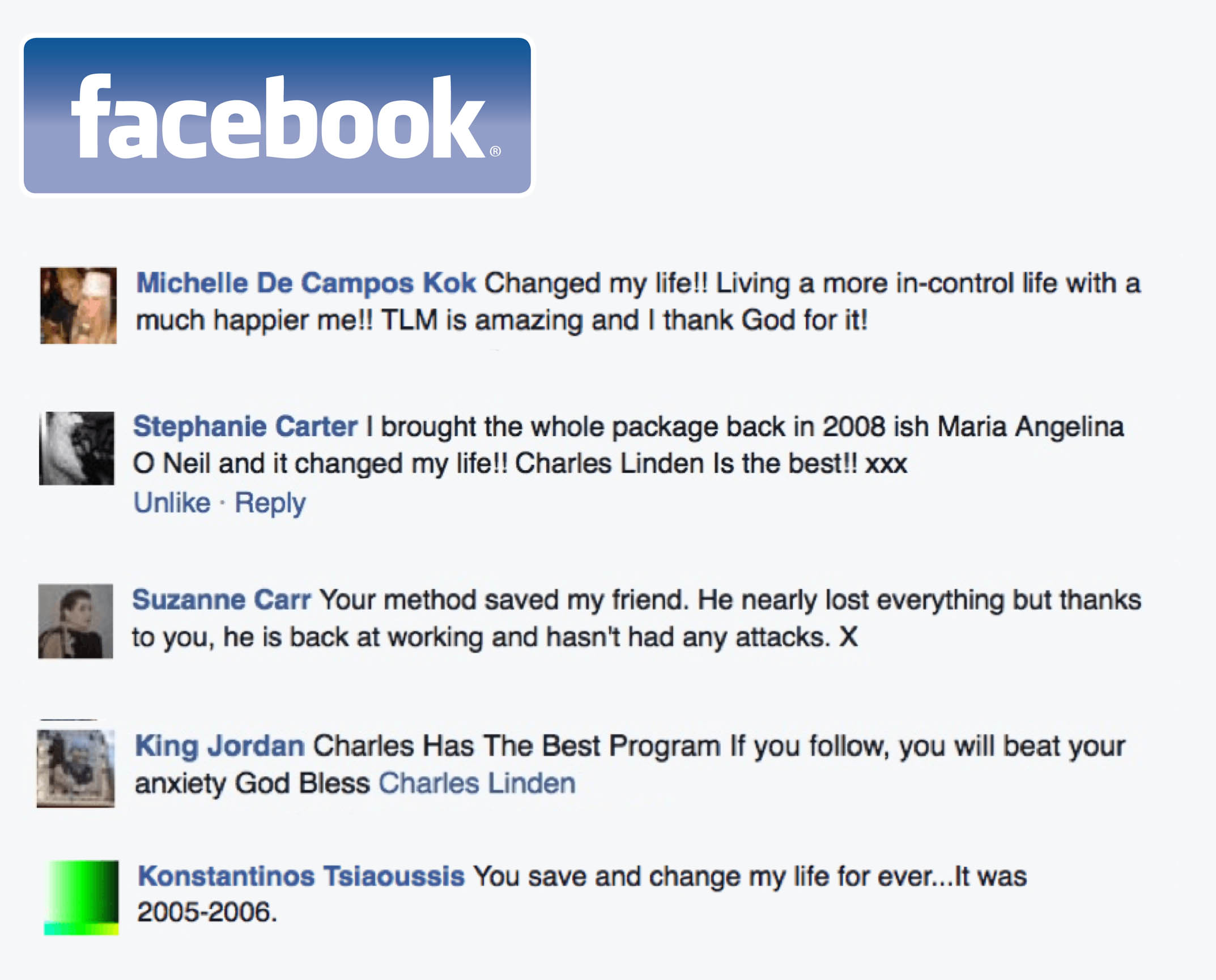
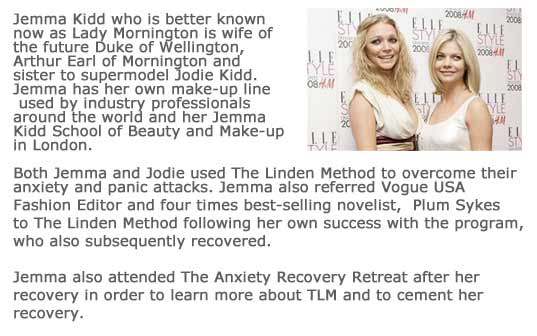
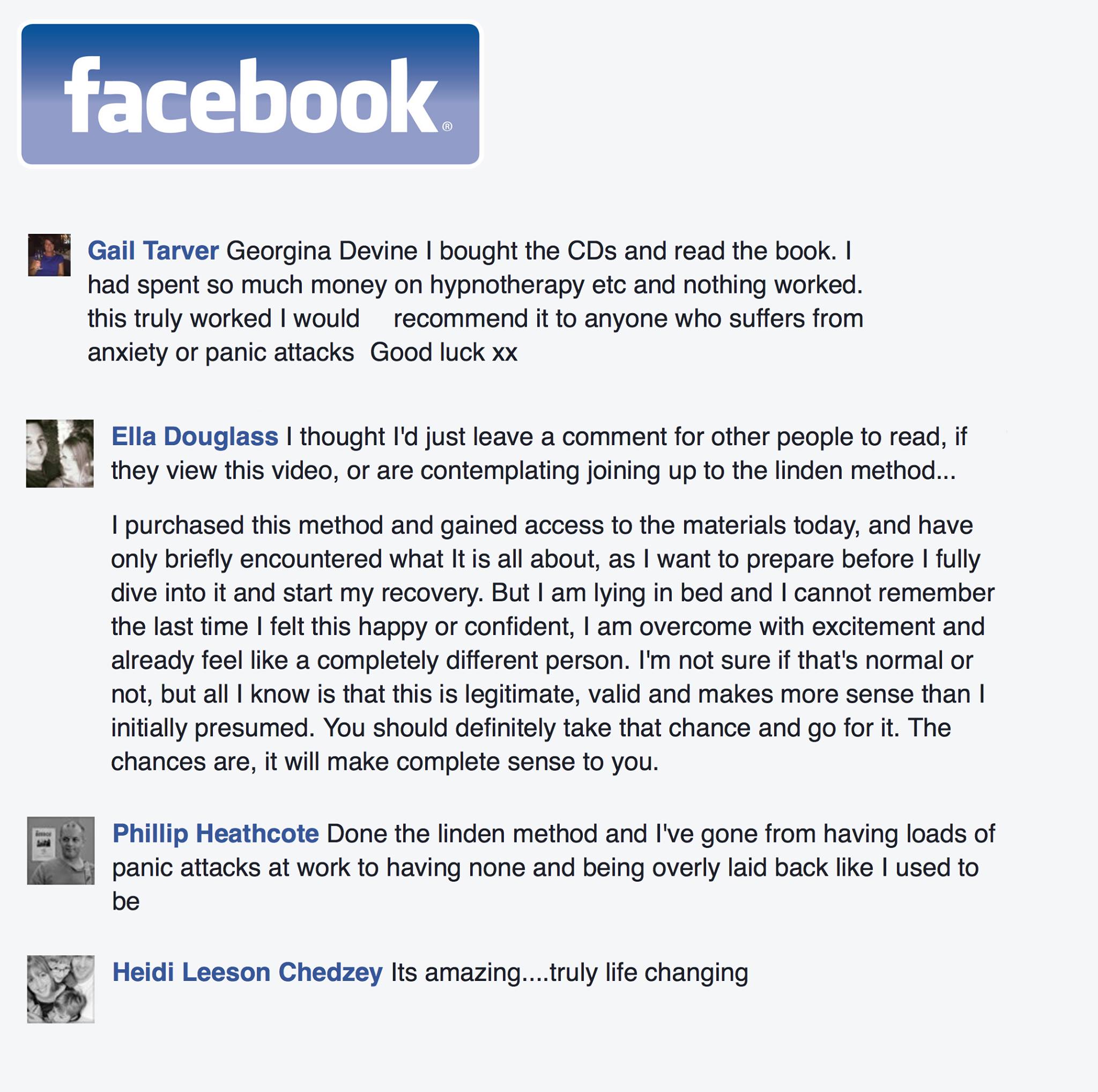
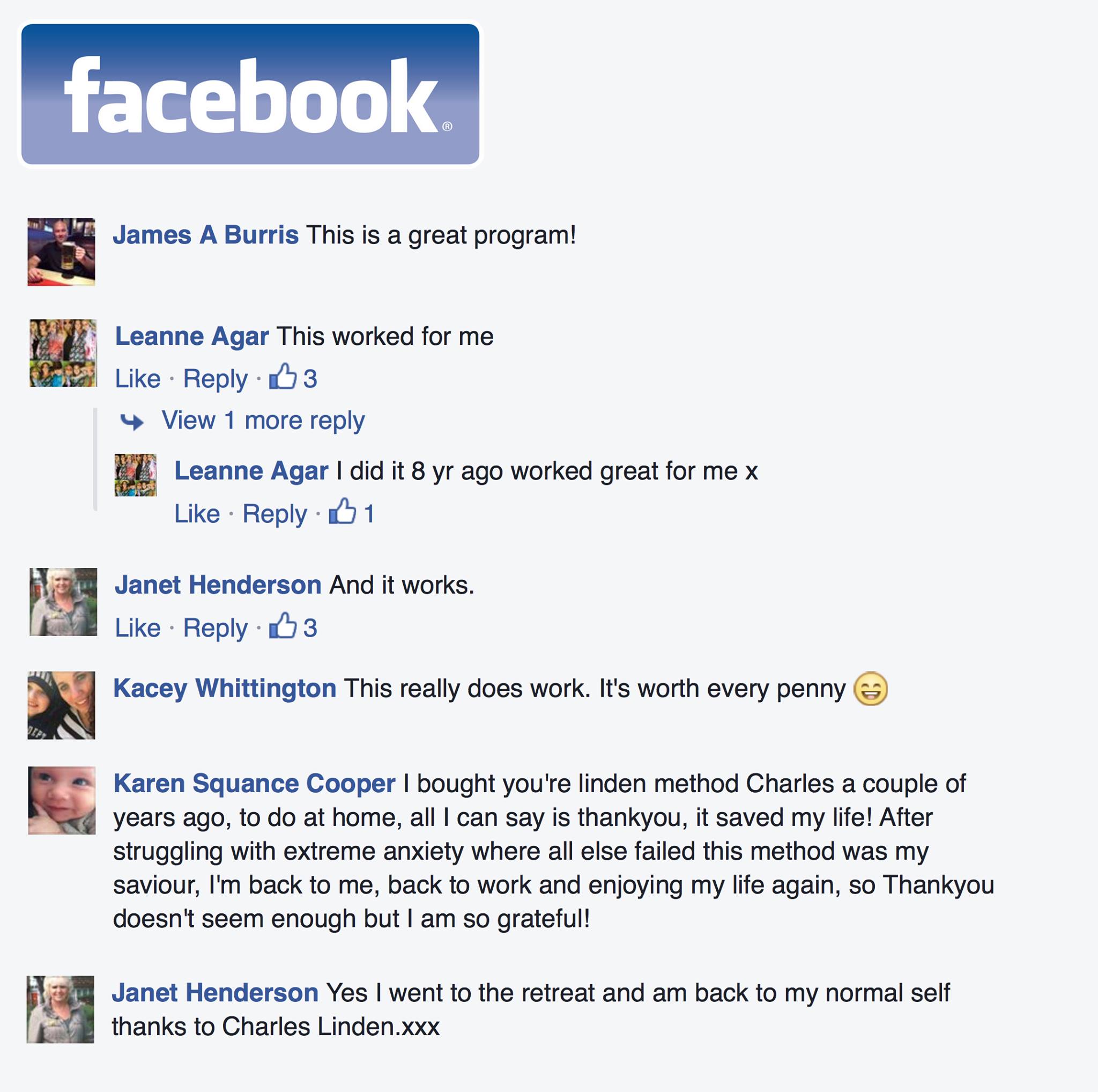
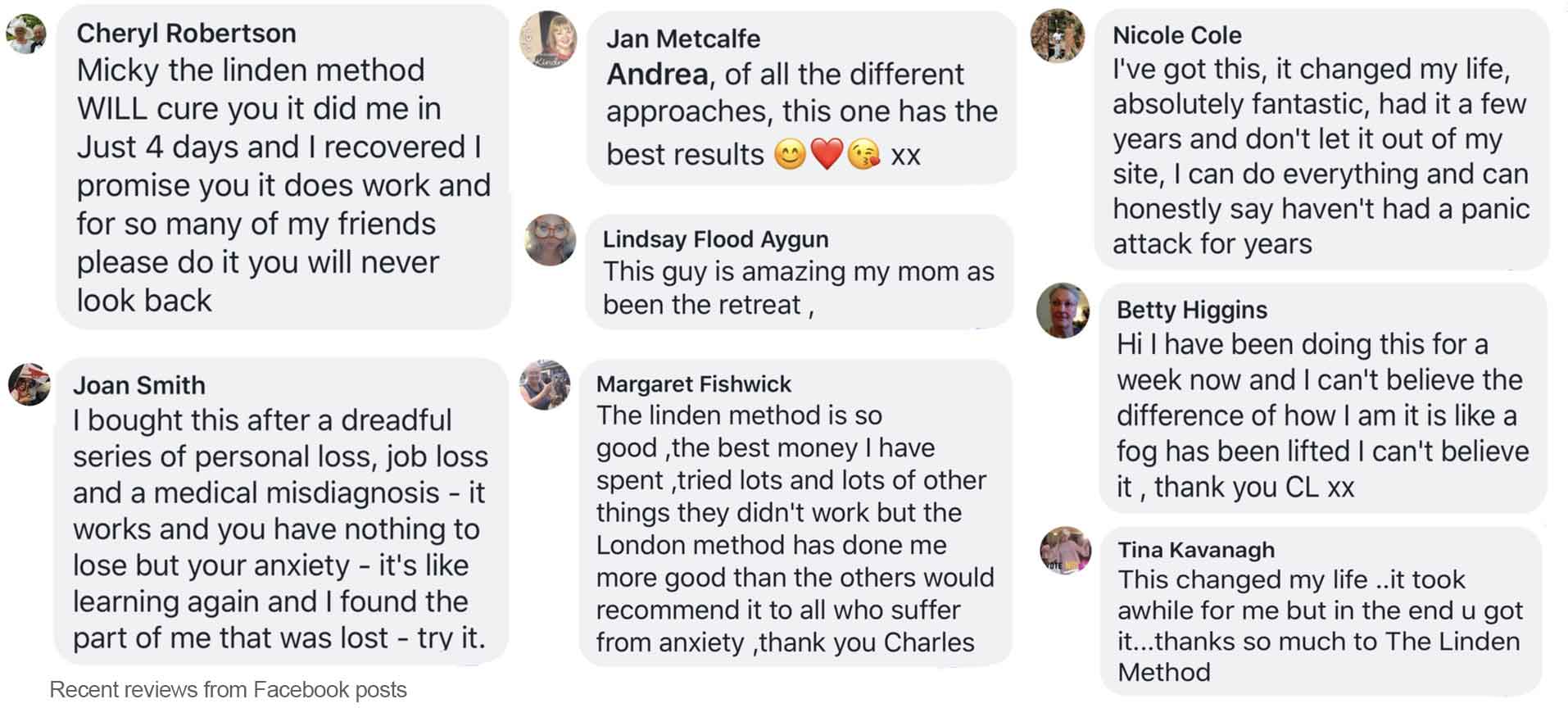
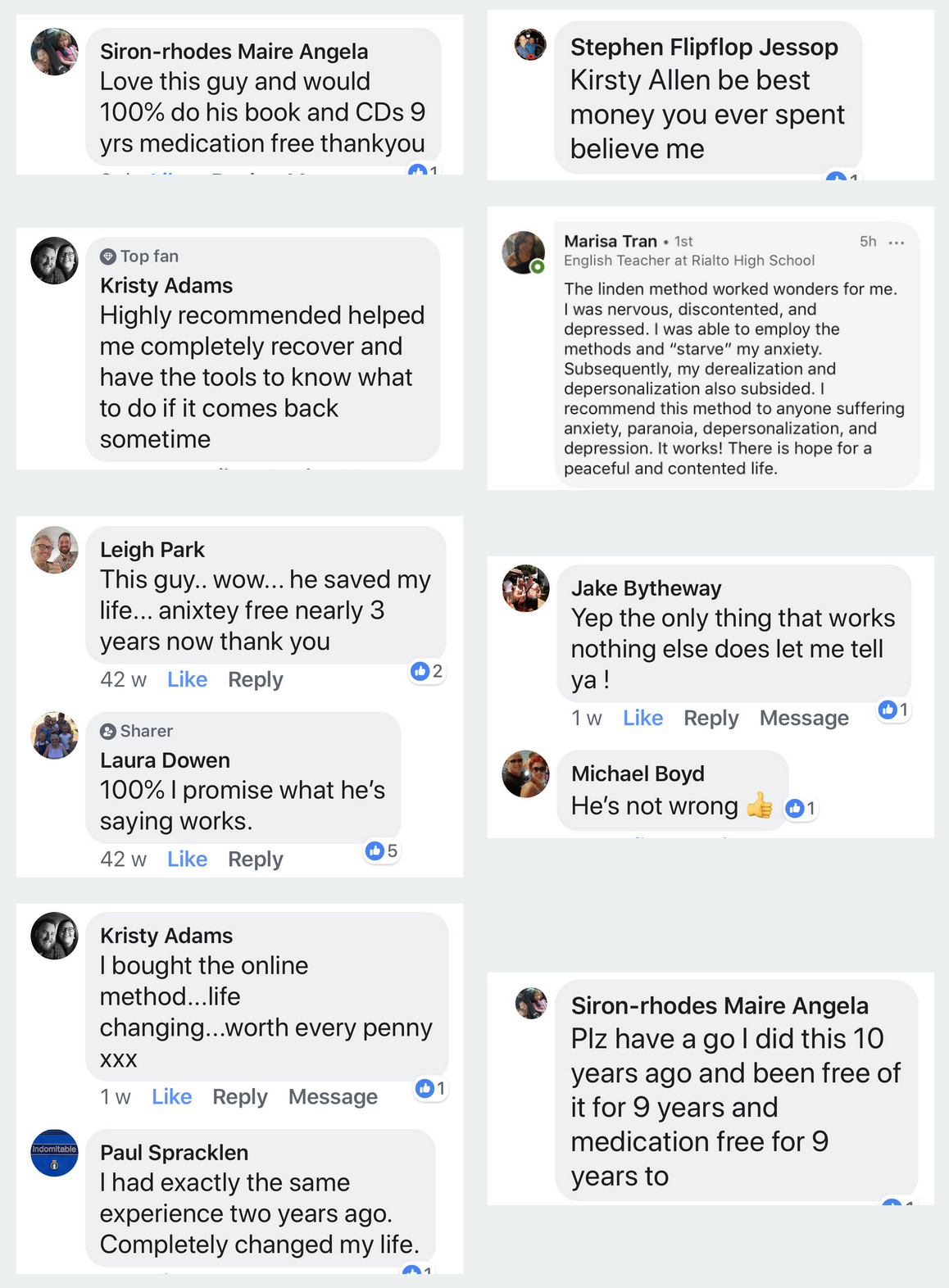
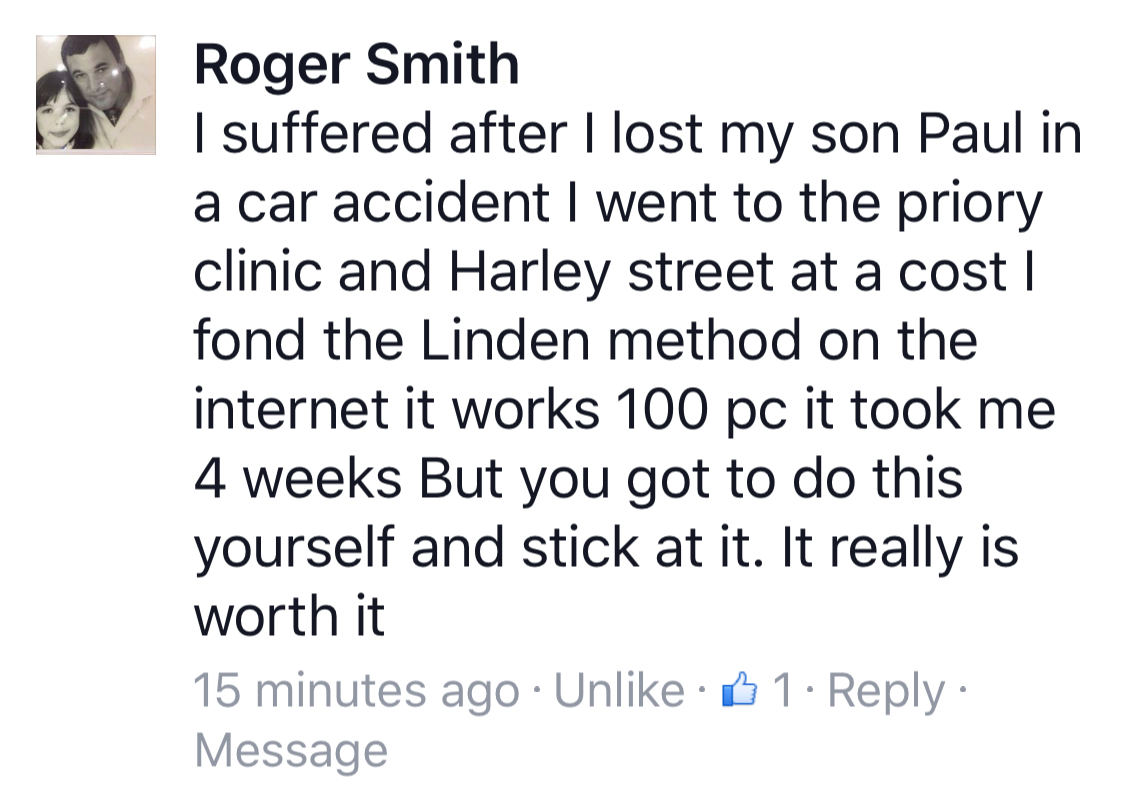
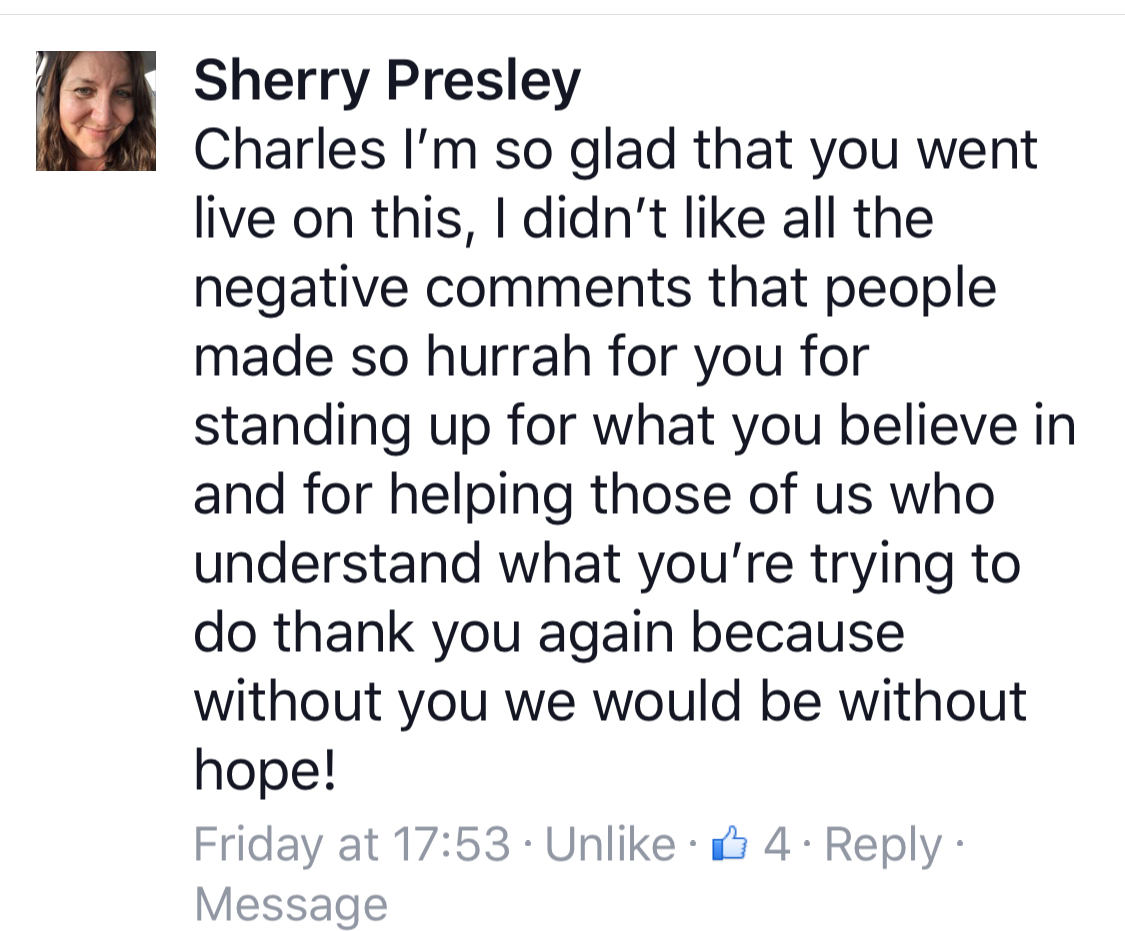
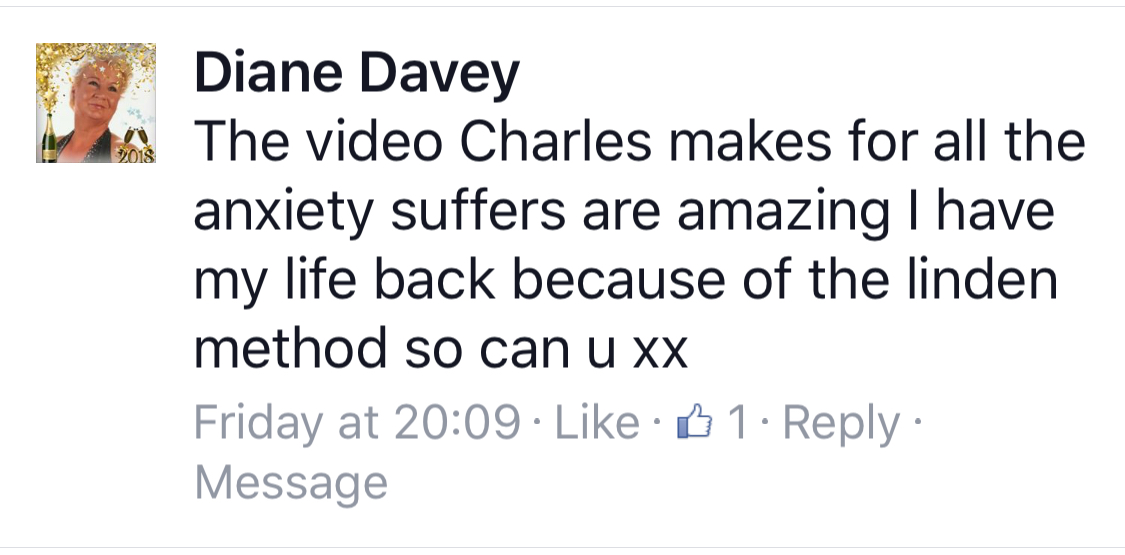
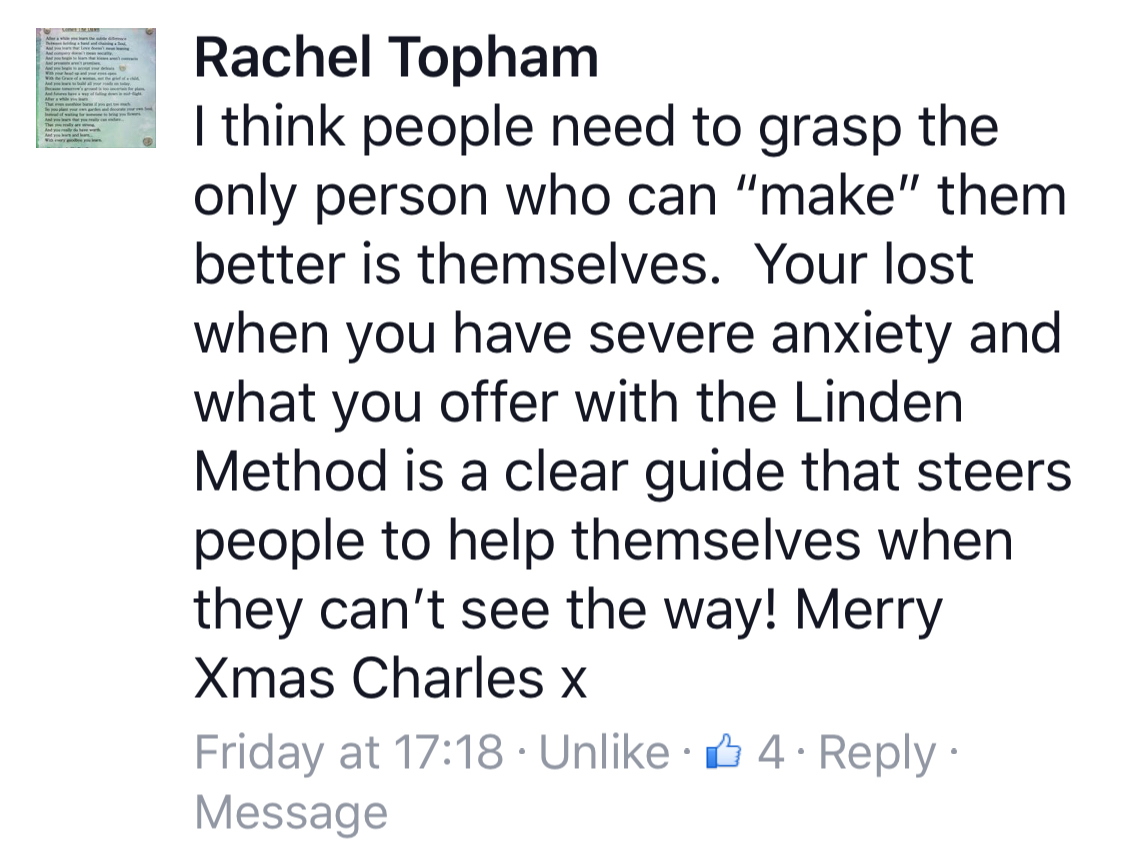
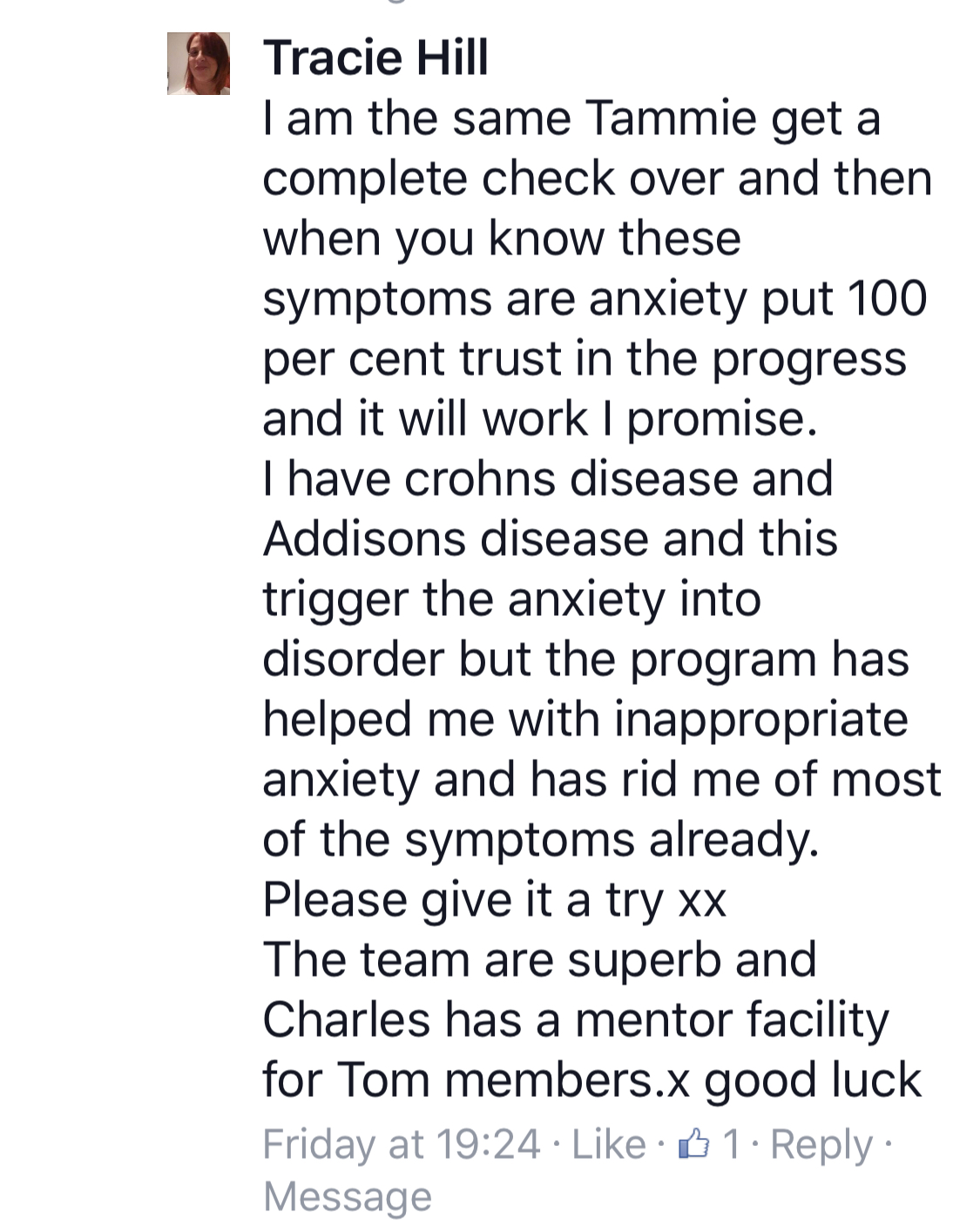
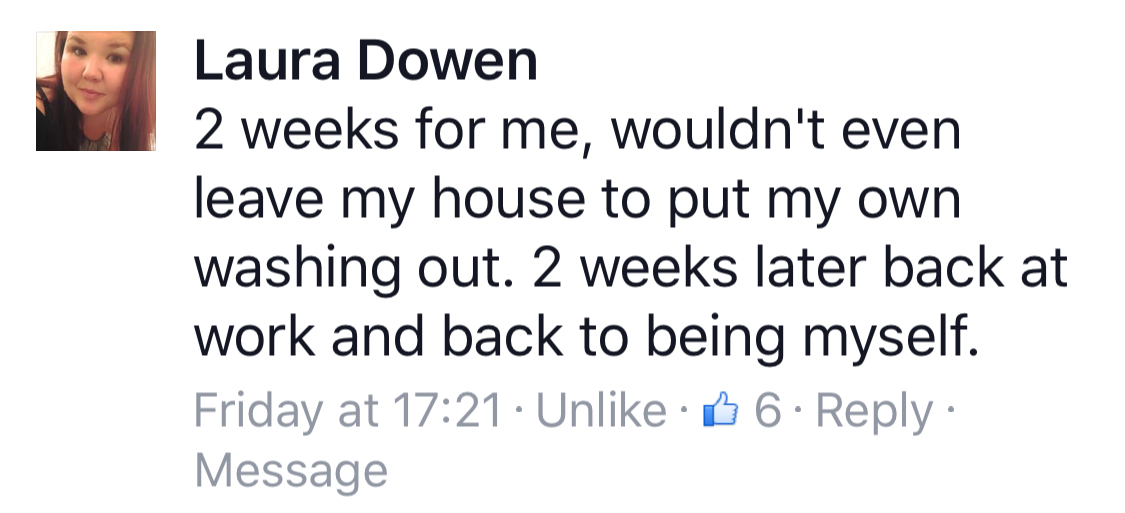
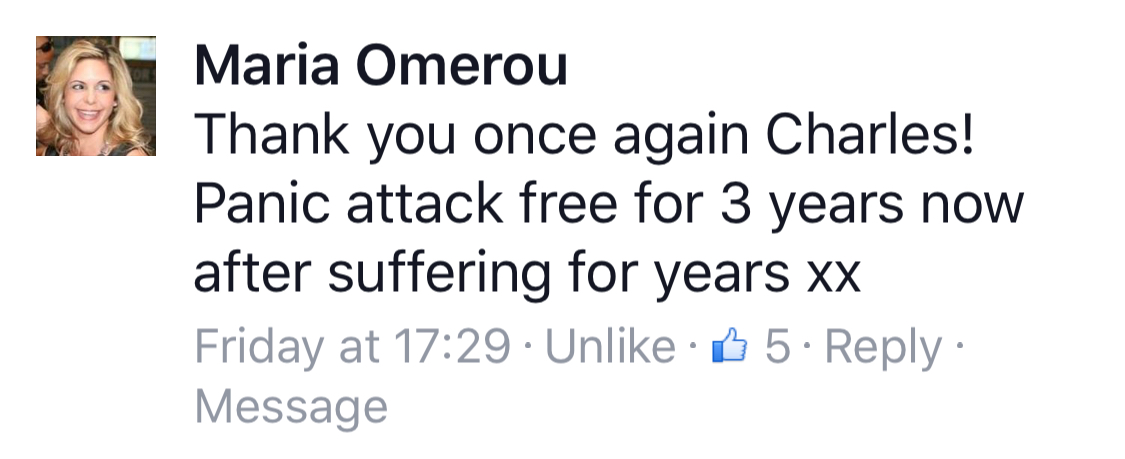
The Linden Method has produced full recovery in more than 650,000 people worldwide since 1996. These are not people who manage their anxiety better. They are people for whom the anxiety is gone.
The only recovery protocol. Not management.
Stop Managing Anxiety. Remove It Permanently.
CBT teaches coping skills. Medication suppresses symptoms while you take it. The Linden Method targets the biological source directly — the only structured protocol with 650,000 verified full recoveries since 1996. Unlimited coach support included from day one.
Related Condition Pages
For complete anxiety recovery, visit The Linden Method →
Also in The Institute of Applied Psychophysiology Network