By Charles Linden
Charles Linden | The Institute of Applied Psychophysiology | 30 years clinical experience
You've been told to breathe slowly. Count to four. Box breathe. Ground yourself by naming five things you can see. These techniques are everywhere. They're also not the solution most people think they are. Here's why — and what actually produces lasting change.
Why Most Panic Attack Techniques Keep You Stuck
Every breathing exercise, grounding technique, and coping strategy has one thing in common: they signal to your amygdala that there is something to cope with. They confirm the threat. When you scramble to implement a technique during a panic attack, you are responding to the amygdala's alarm by taking the alarm seriously. The amygdala notes this and stores it: the alarm was appropriate to respond to.
This is why many people who practice these techniques for years never fully recover. They get better at managing attacks. They don't eliminate them.
Breathing Exercises: Helpful for Comfort, Not for Cure
Controlled breathing can reduce the intensity of a panic attack's physical symptoms by correcting the hyperventilation that often accompanies it. That's a genuine short-term benefit. But it doesn't change the underlying amygdala sensitization. If you stop doing the breathing exercises, the panic doesn't stop. That's not recovery.
What the Amygdala Actually Needs to Reset
The amygdala resets its anxiety threshold through a neurological process called habituation — essentially, repeated exposure to the feared stimulus without the feared outcome occurring. The challenge is that most people's response to panic attacks prevents habituation: they avoid situations, use safety behaviours, and implement coping strategies that all interrupt the process.
The Linden Method works by giving the amygdala the specific conditions it needs to habituate and reset — not through confrontation or exposure, but through a precise set of behavioural and lifestyle adjustments that communicate safety to the alarm system at a neurological level.
A free guide from Charles Linden
Get Why Anxiety Keeps Coming Back — and the first step toward recovery, delivered straight to your inbox.
No spam. Unsubscribe anytime.
The Only Goal Worth Having: No More Panic Attacks
Recovery from panic disorder doesn't mean 'having fewer attacks' or 'managing attacks better.' It means reaching a state where panic attacks stop entirely. That state is achievable for every person with panic disorder — the brain retains its capacity to normalize the alarm system throughout life, regardless of how long you've been suffering.
What Is Actually Happening During a Panic Attack
To understand why most stopping techniques fail, it helps to understand precisely what is happening physiologically. When the amygdala fires, it triggers a cascade: adrenaline and cortisol flood the body, heart rate accelerates to pump blood to muscles, breathing shifts to draw in more oxygen, and peripheral blood vessels constrict. None of this is dangerous. All of it is intensely uncomfortable. And none of it can be stopped mid-attack by a cognitive technique, because the cascade is subcortical — it occurs before conscious thought has formed.
Breathing exercises, grounding methods, and sensory anchoring techniques engage the prefrontal cortex to partially counteract the amygdala's output. They can reduce symptom intensity and shorten the subjective experience of an attack. What they cannot do is change the amygdala's sensitization level. The sensitized state remains. The next attack is still possible. That is management. Recovery is categorically different.
Safety Behaviours: The Hidden Fuel of Panic Disorder
A safety behaviour is any action taken to prevent, escape from, or control a feared outcome — carrying medication just in case, always sitting near an exit, avoiding caffeine, avoiding physical exertion, having a trusted person on standby, monitoring your pulse. Safety behaviours feel sensible and protective. Neurologically, they maintain the disorder.
When you perform a safety behaviour and the feared outcome does not happen, the amygdala draws a conclusion: the safety behaviour was necessary to prevent the catastrophe. The threat level is confirmed. The vigilance is reinforced. The sensitized state is maintained rather than reduced. Removing safety behaviours — systematically and with a clear understanding of their neurological role — is one of the most powerful steps available in recovery from panic disorder.
The Biological Route to Permanently Stopping Panic Attacks
Permanent elimination of panic attacks requires a fundamentally different approach from managing individual attacks as they occur. The amygdala's sensitization threshold must change — through sustained neurological recalibration, not through the application of techniques. The specific conditions required for recalibration include removing safety and avoidance behaviours, reducing anticipatory anxiety, normalizing sleep and baseline physiological arousal, and consistently providing the amygdala with experiential evidence of safety at a subcortical level.
What Recovered People Report
People who have fully recovered from panic disorder consistently describe the same experience: at some point, they simply stopped thinking about panic attacks — not because they were suppressing the thought, but because it was no longer relevant to their daily life. They had stopped having panic attacks. The hypervigilance dissolved. The anticipatory anxiety faded. Life resumed its previous texture, without the constant management overhead that had accompanied every day of the disorder.
650,000 Full Recoveries
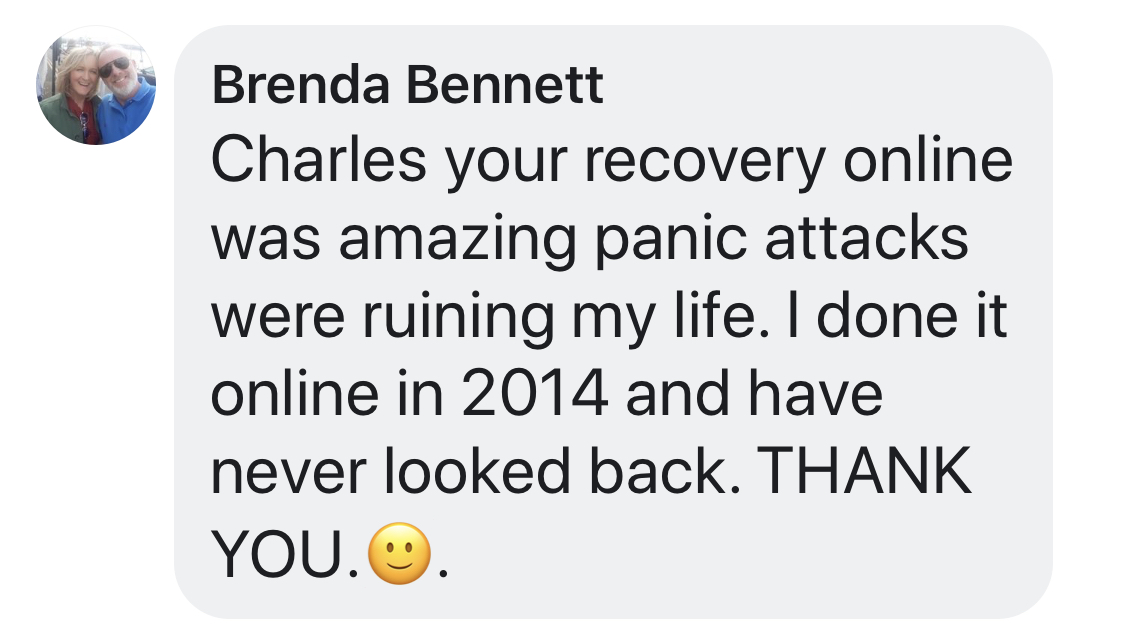
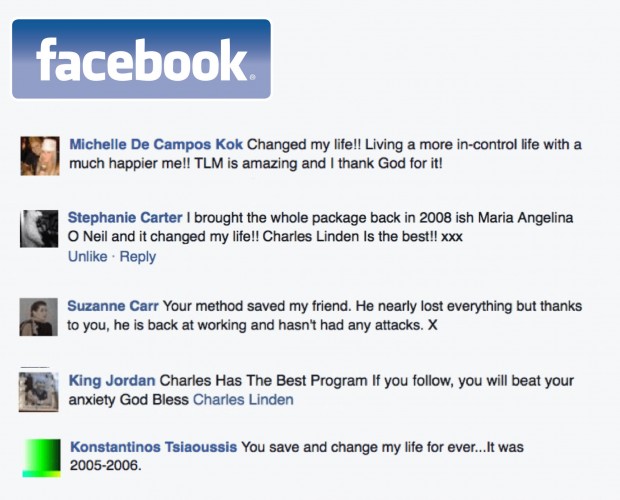
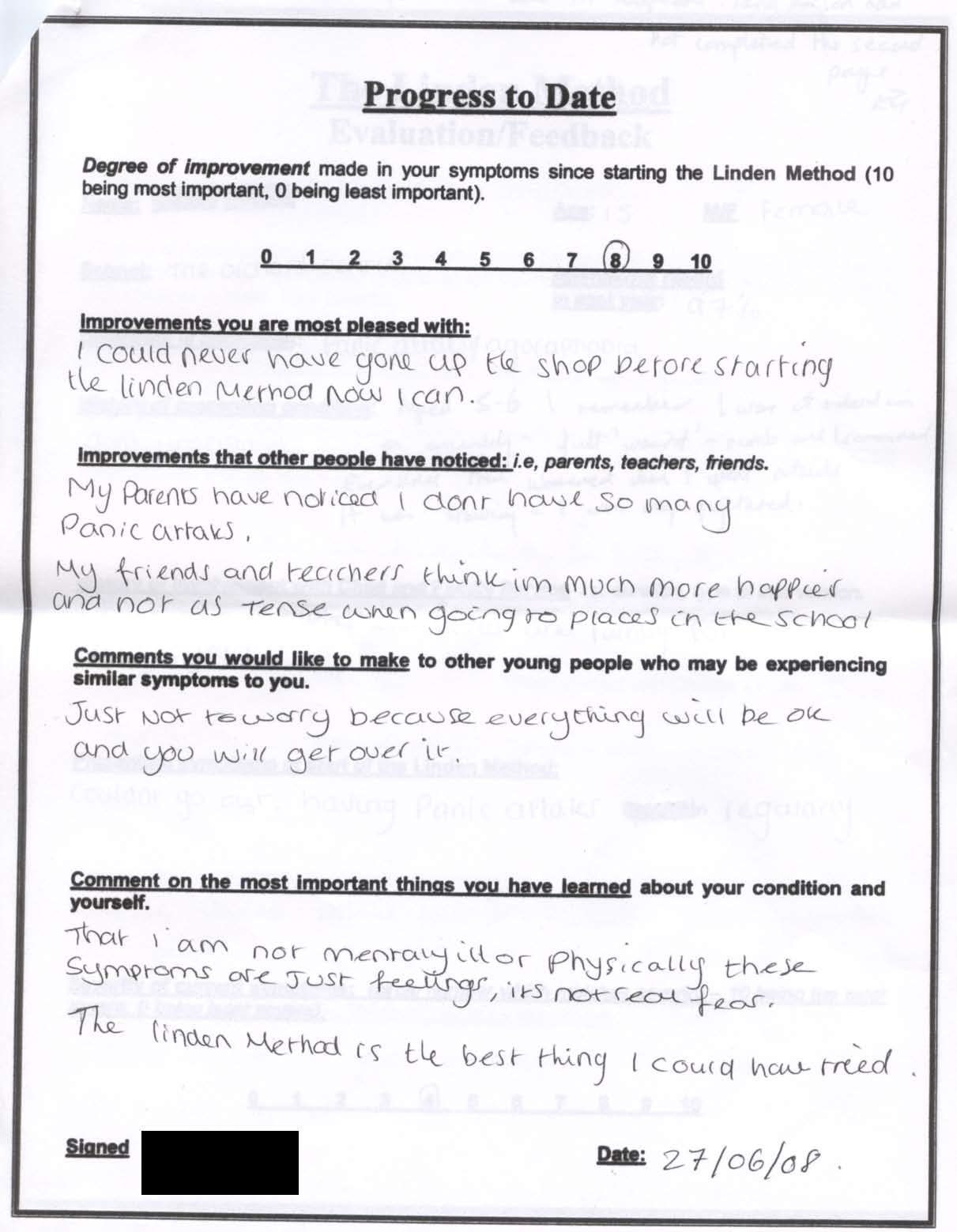
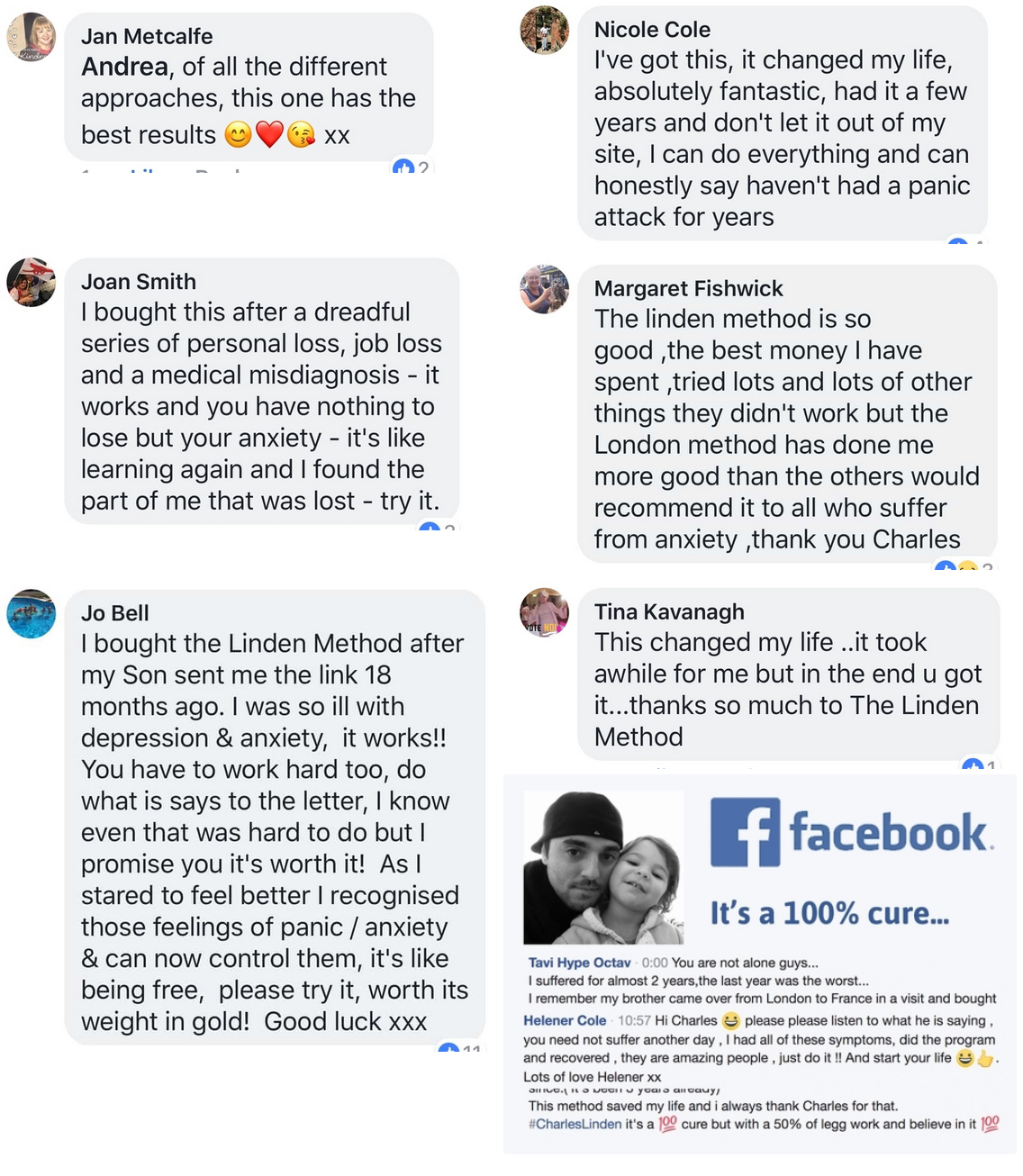
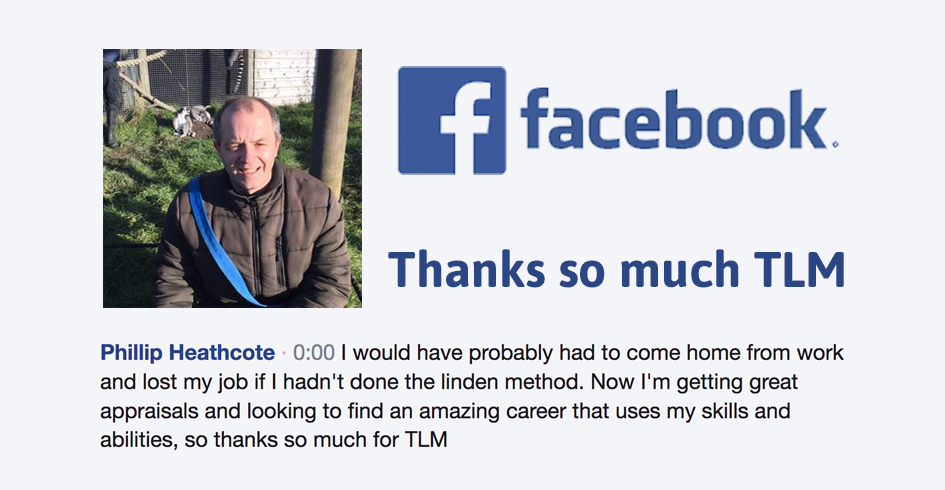
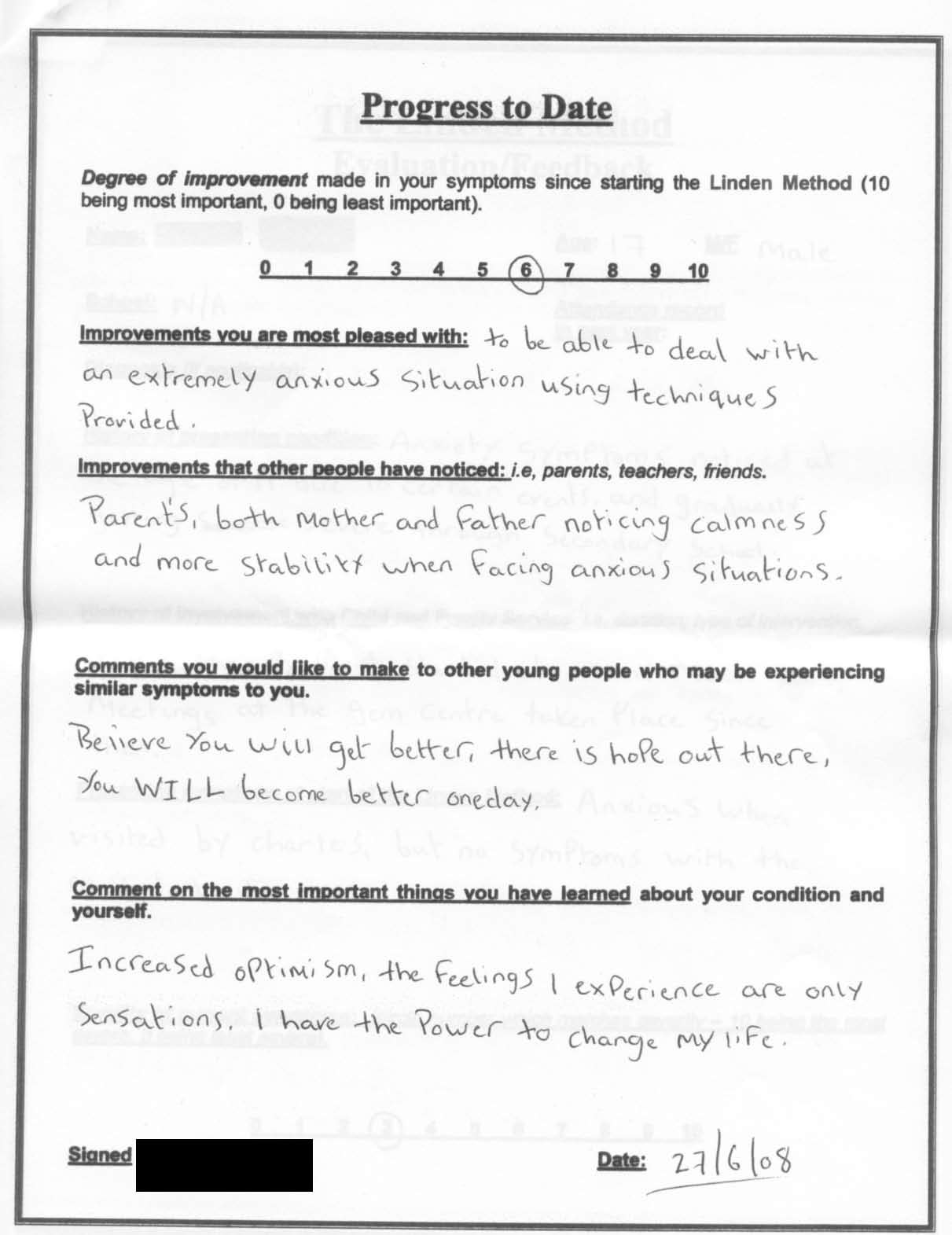
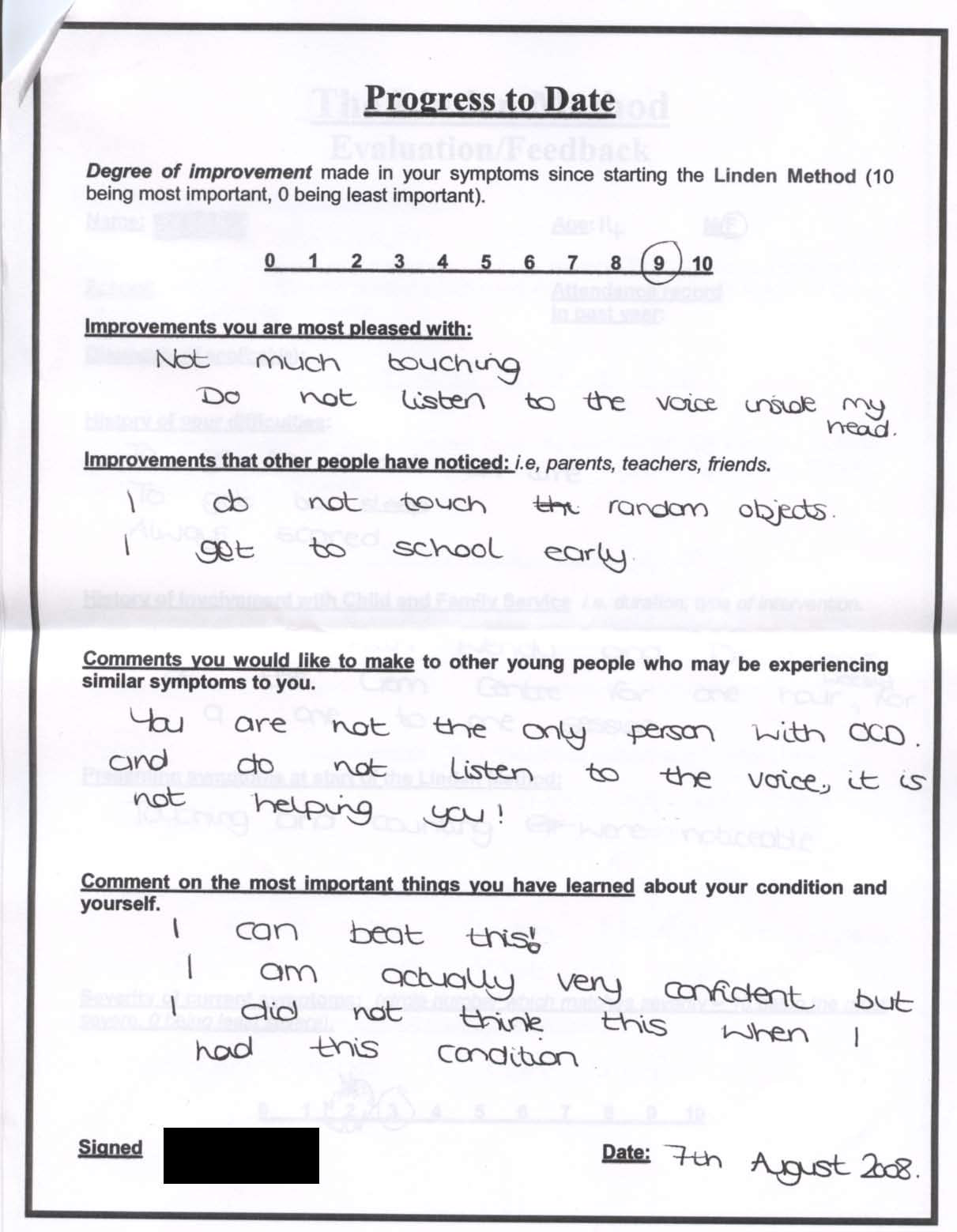
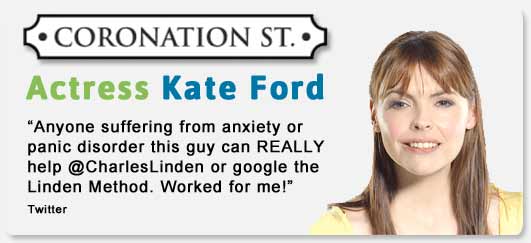
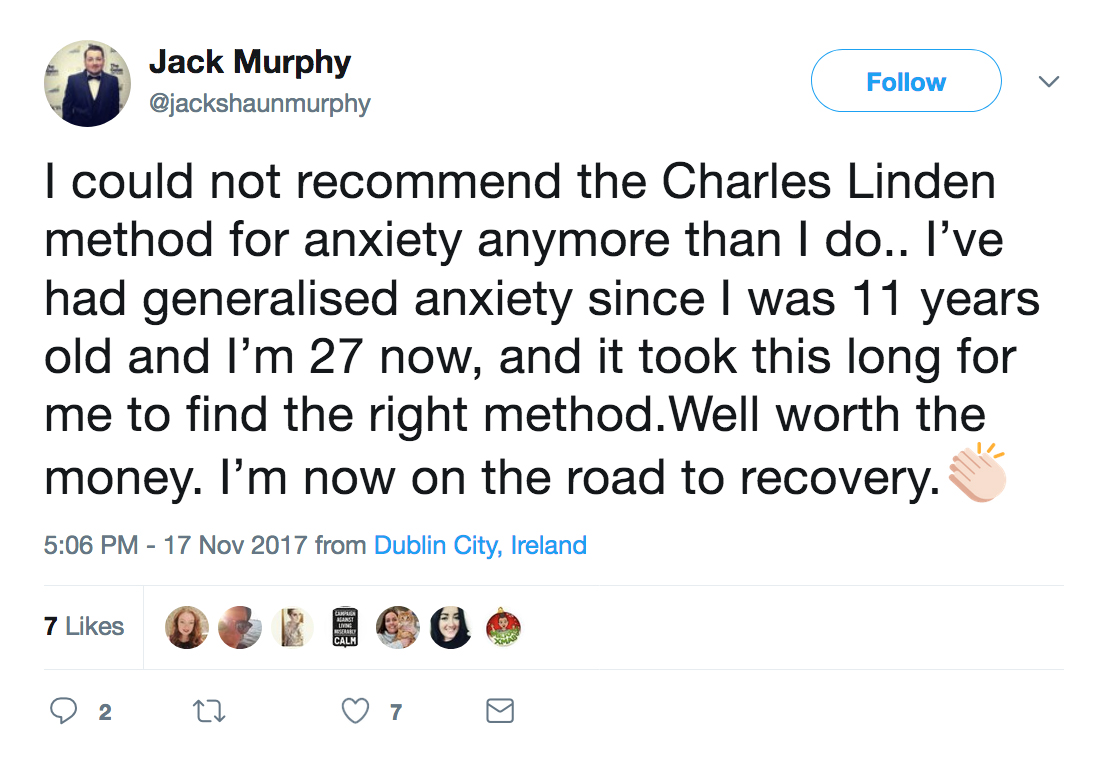
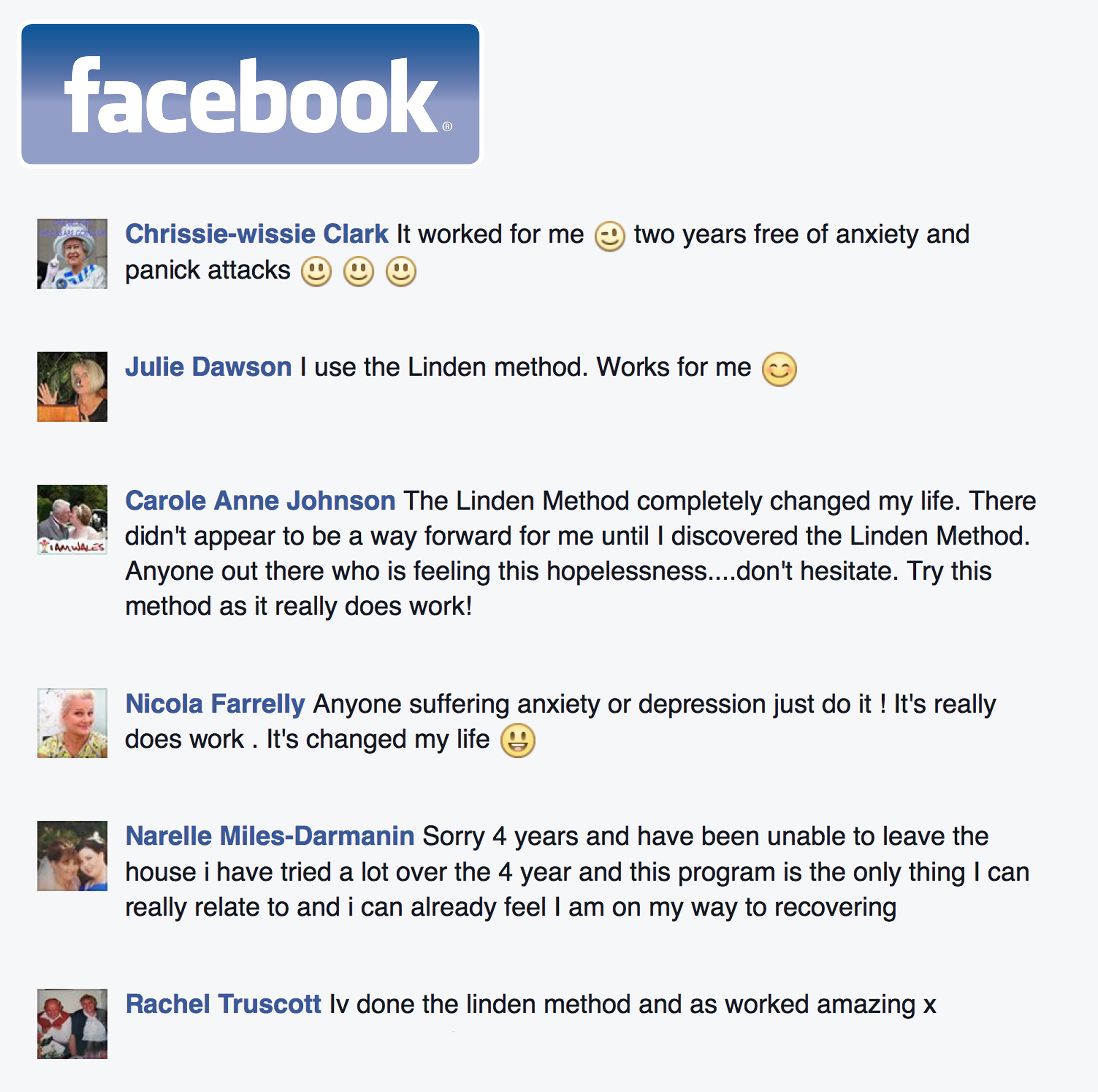
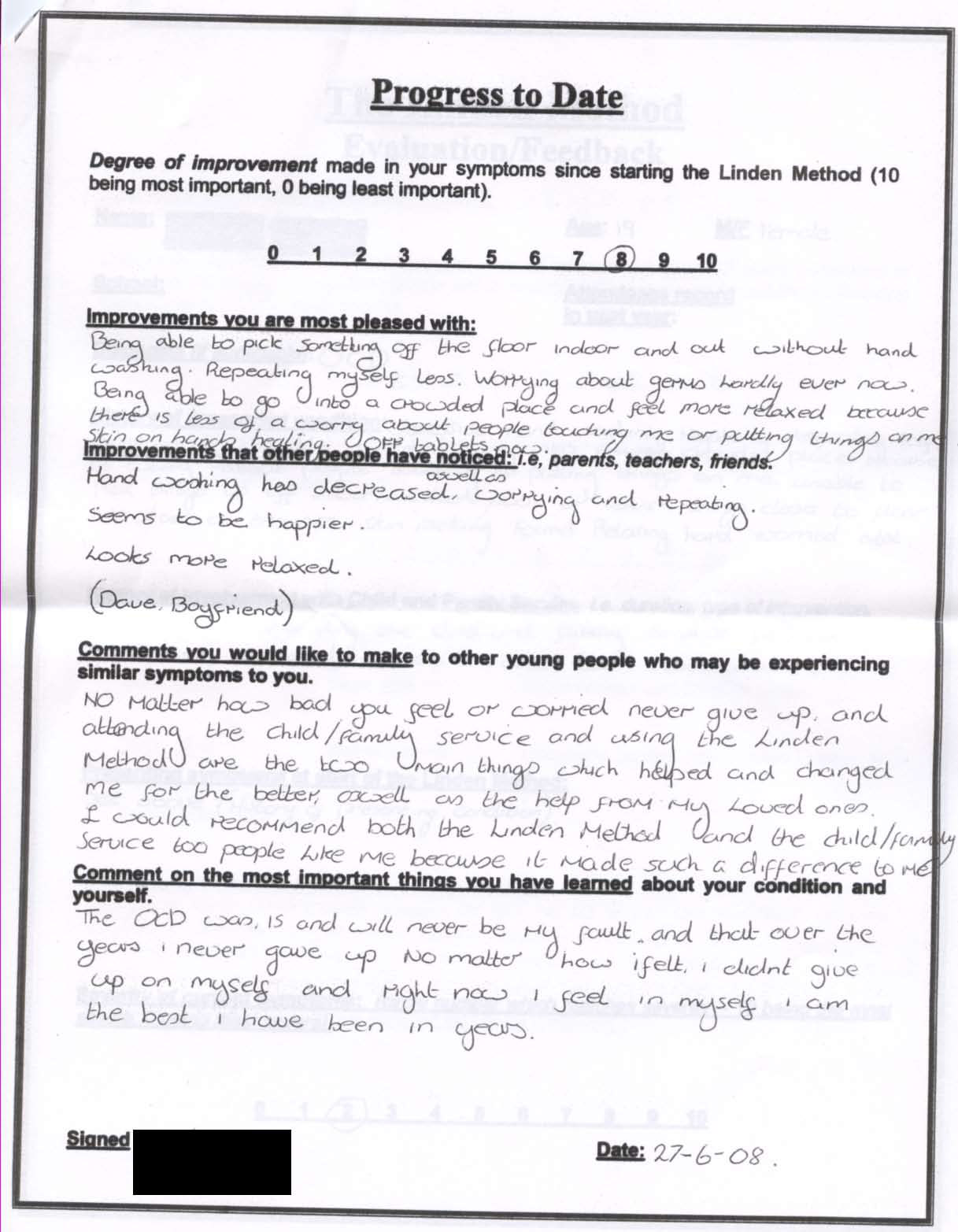
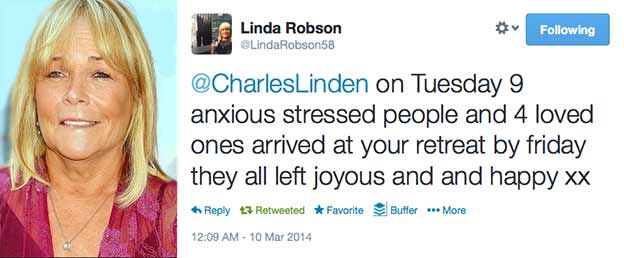
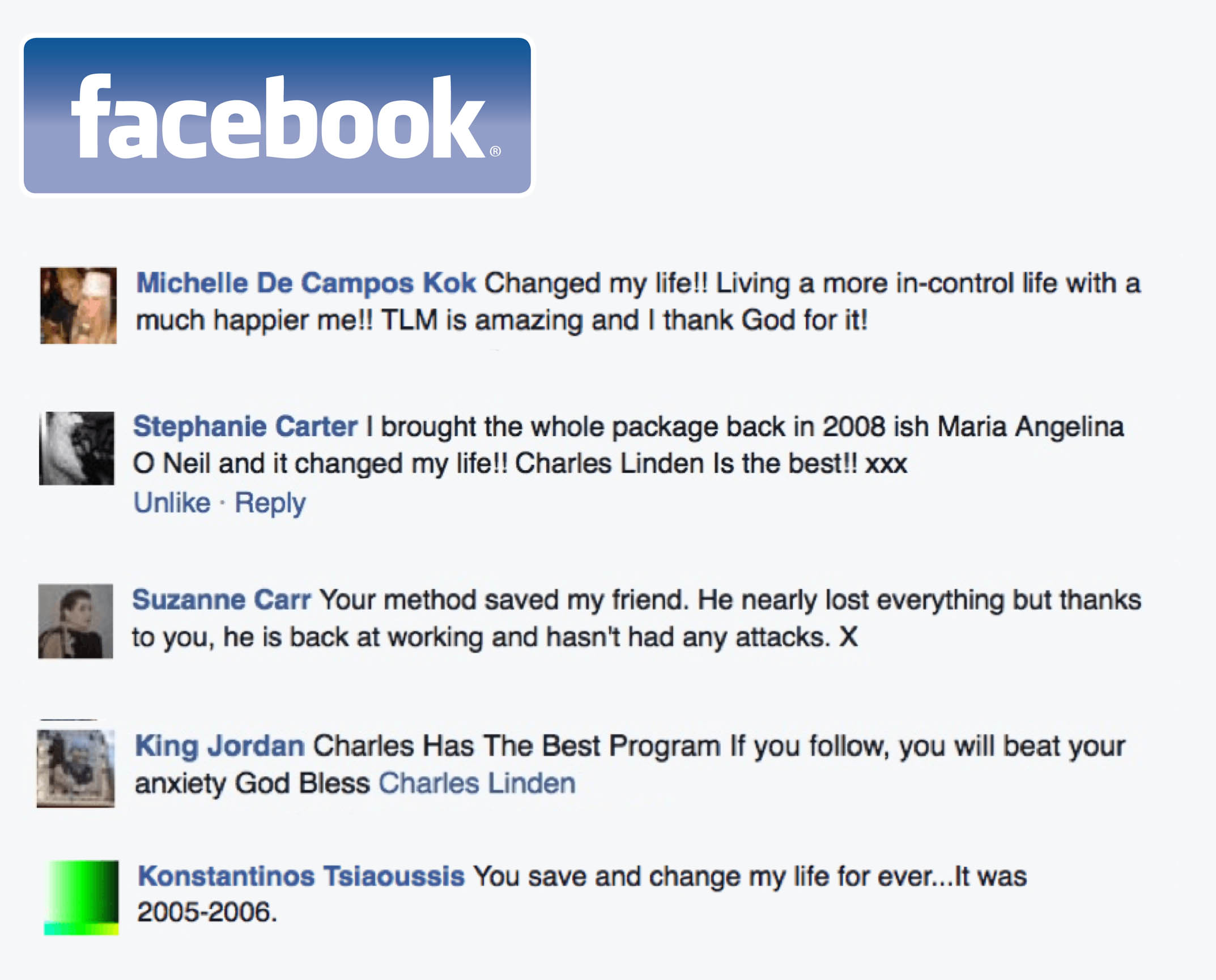
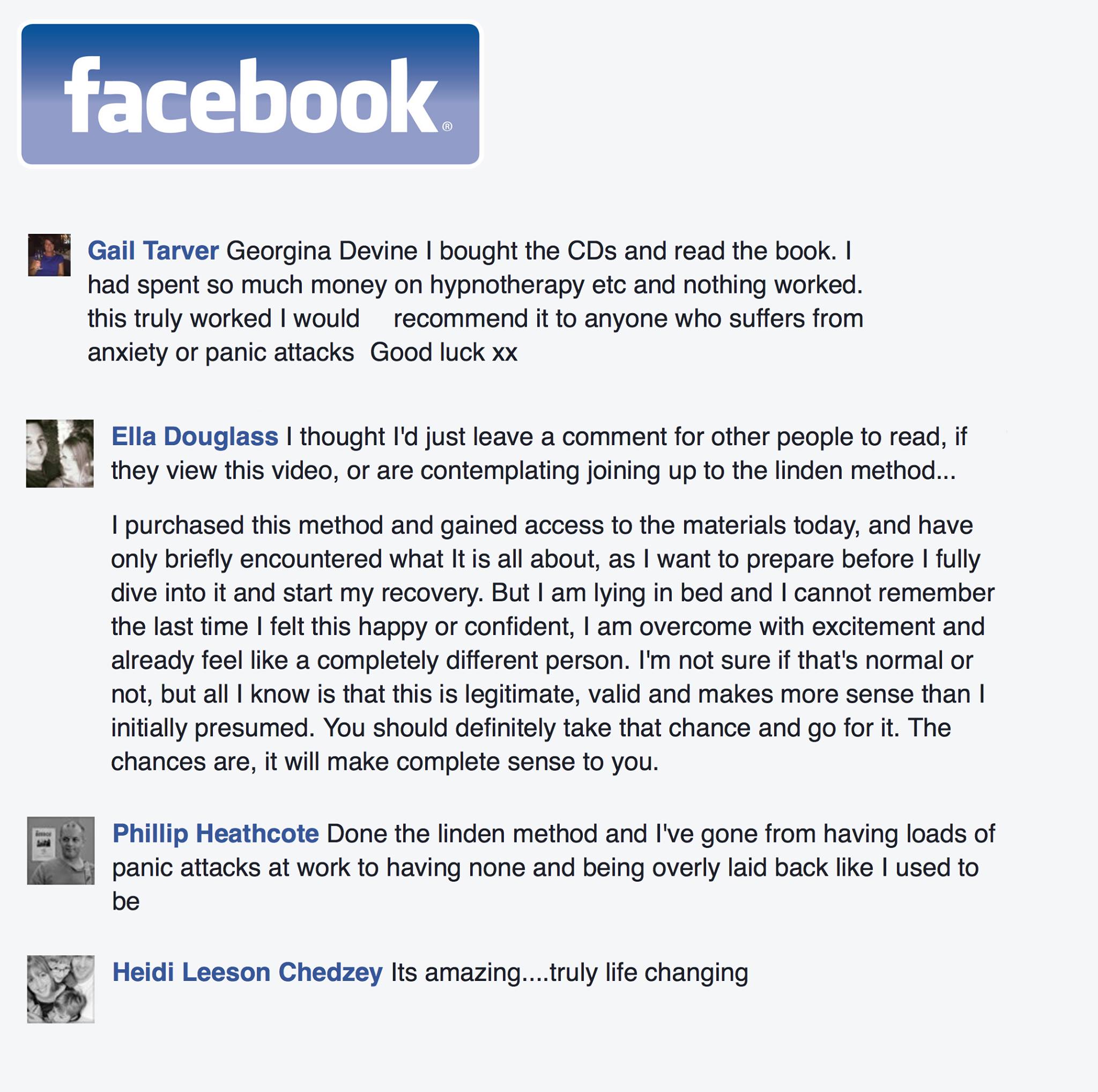
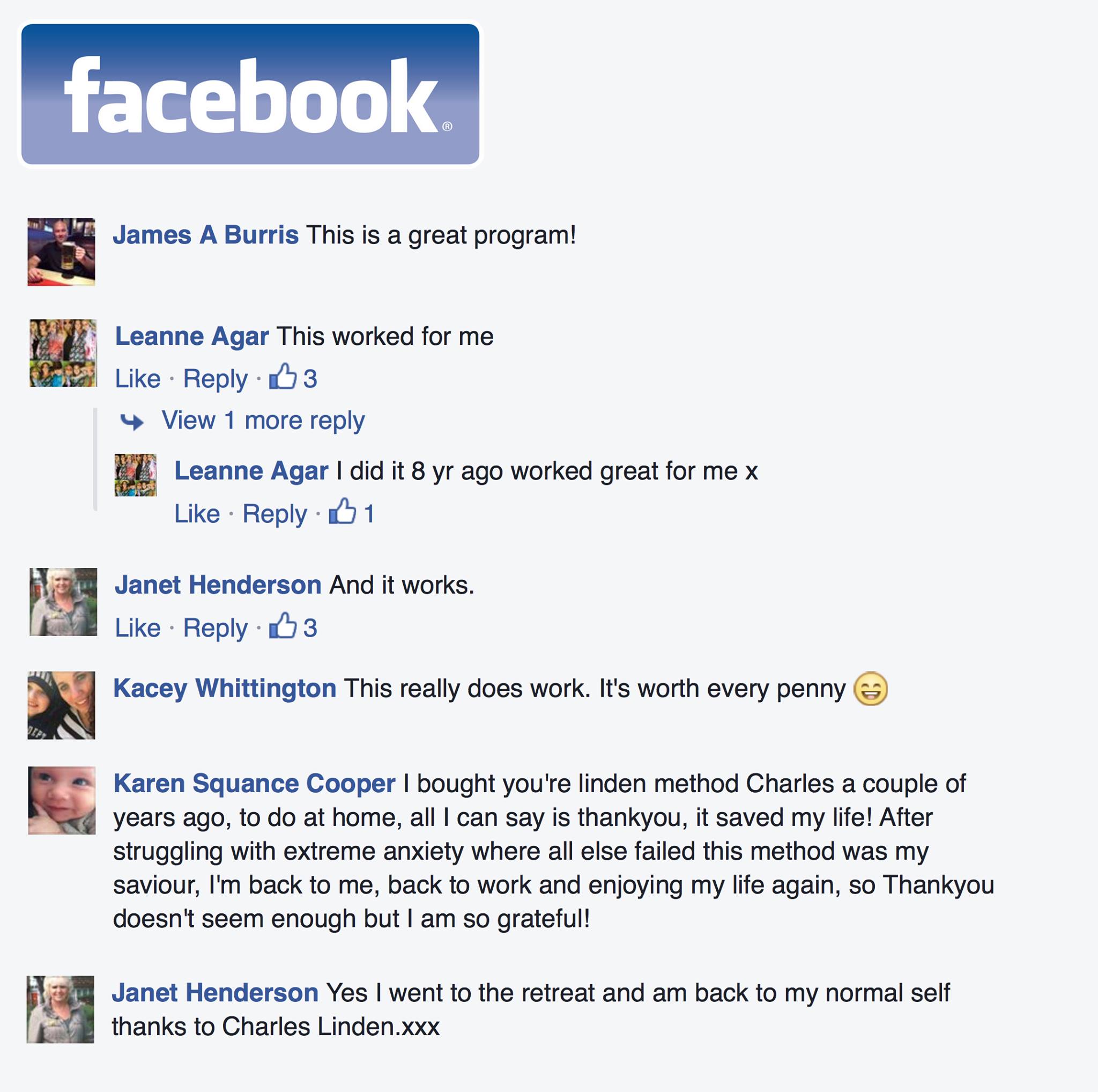
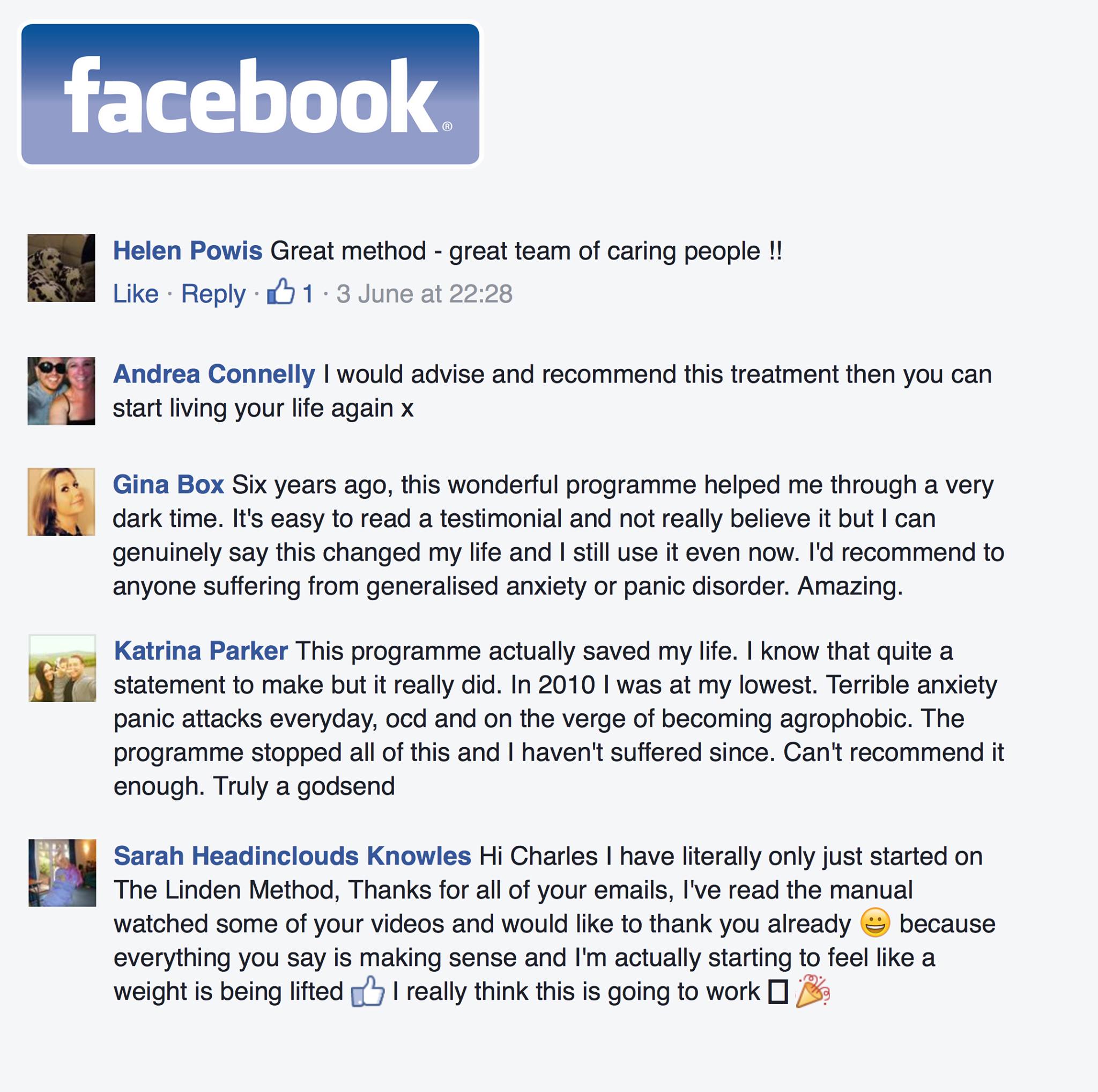
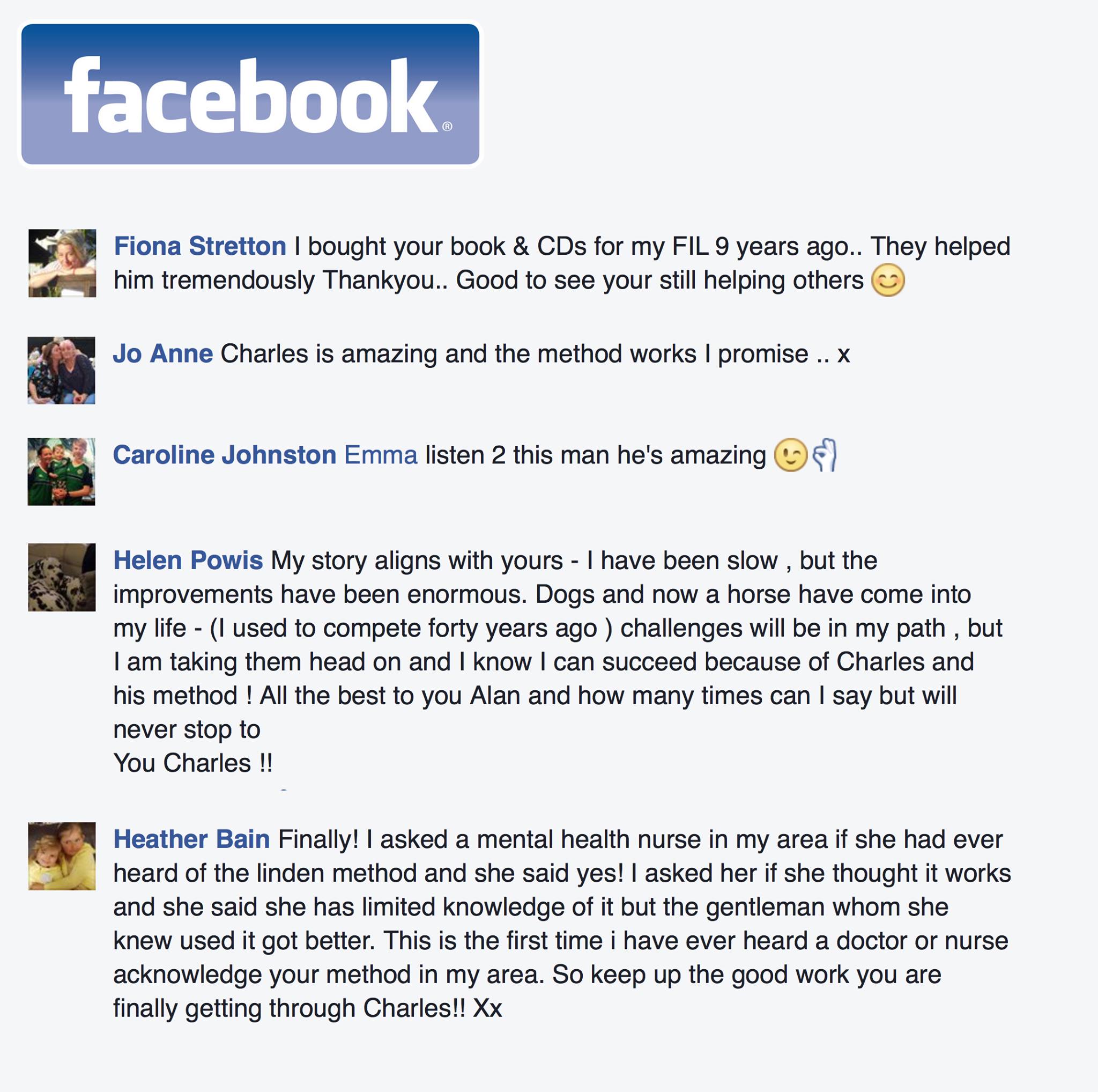
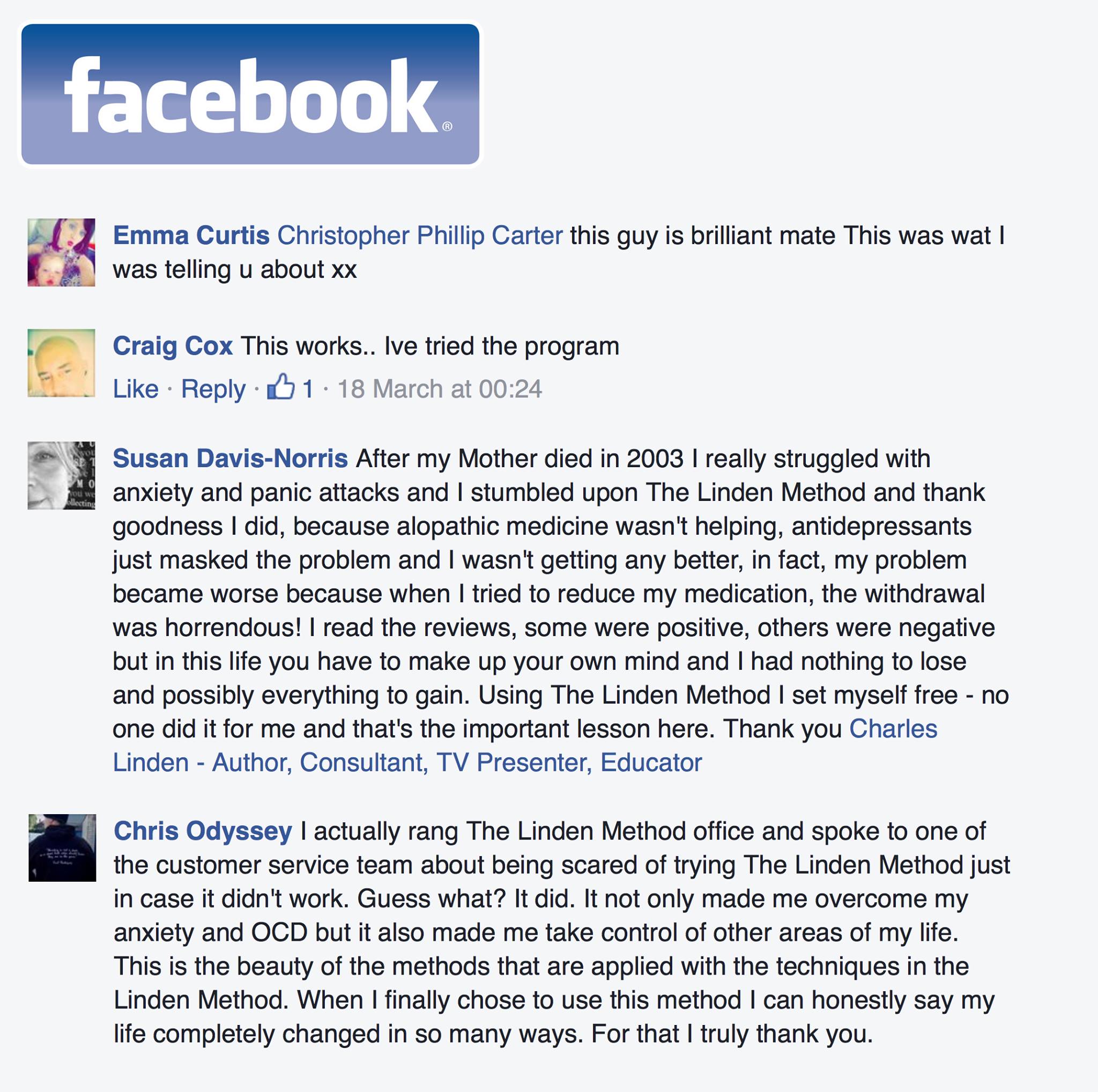
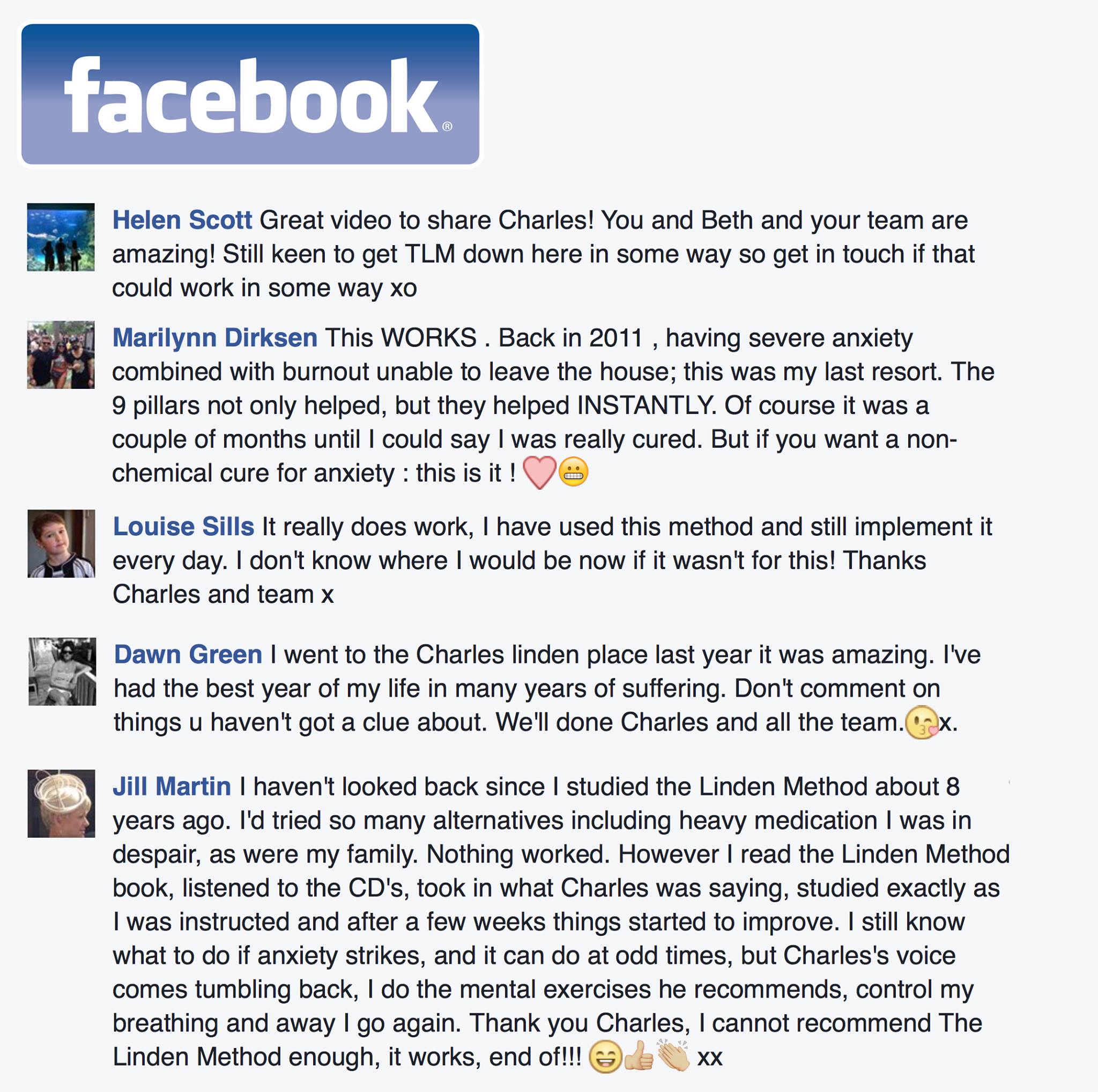
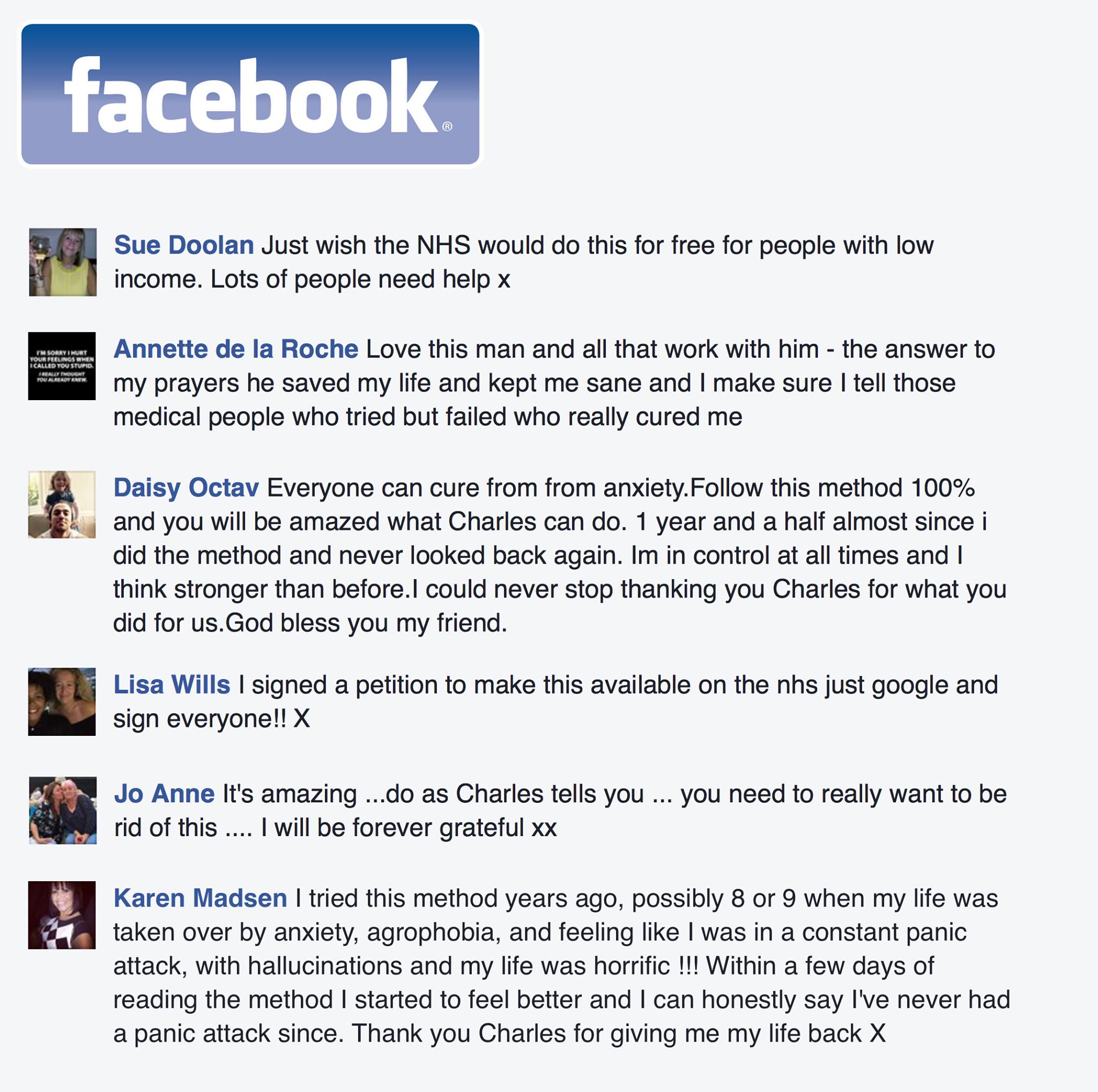
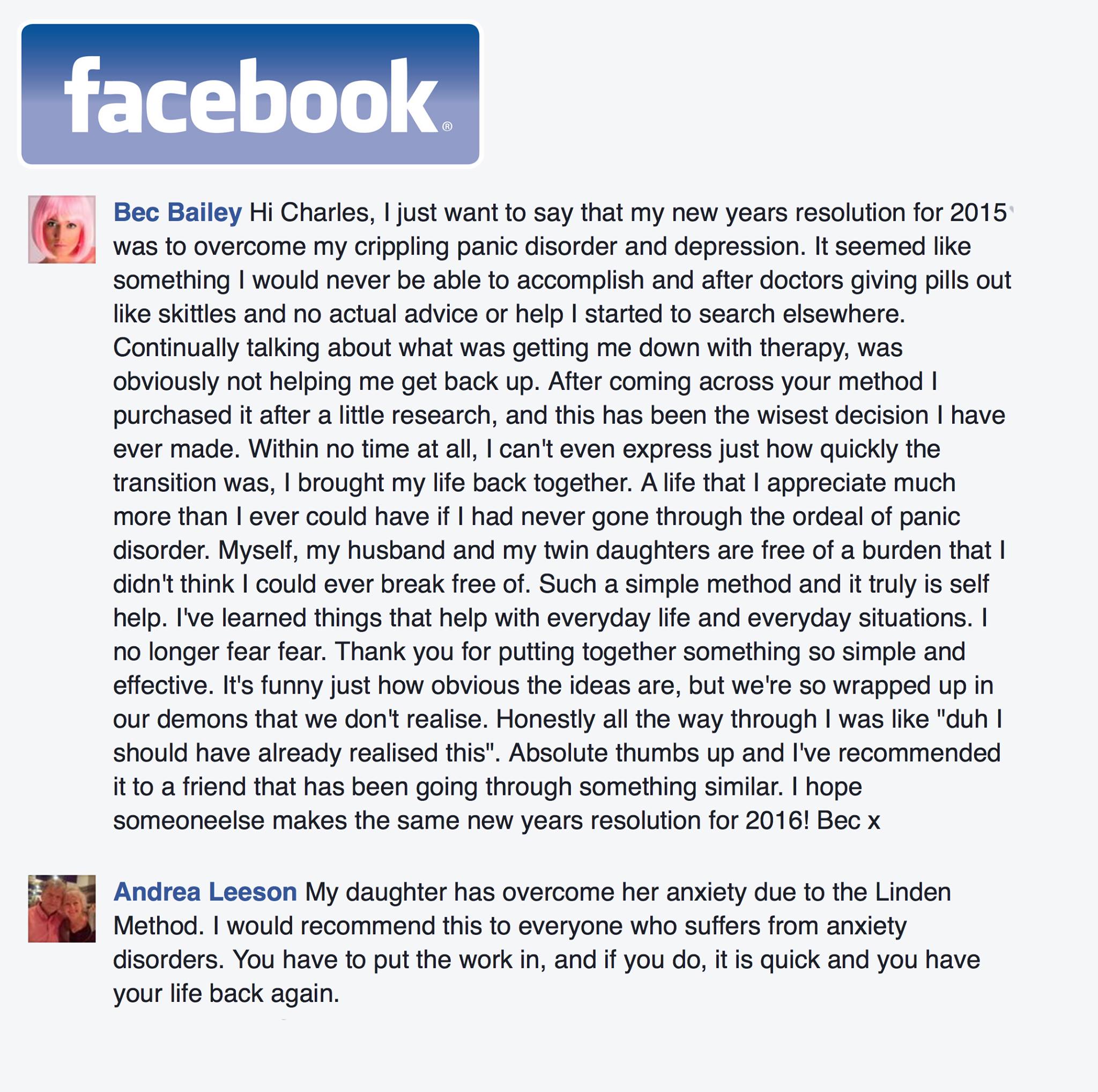
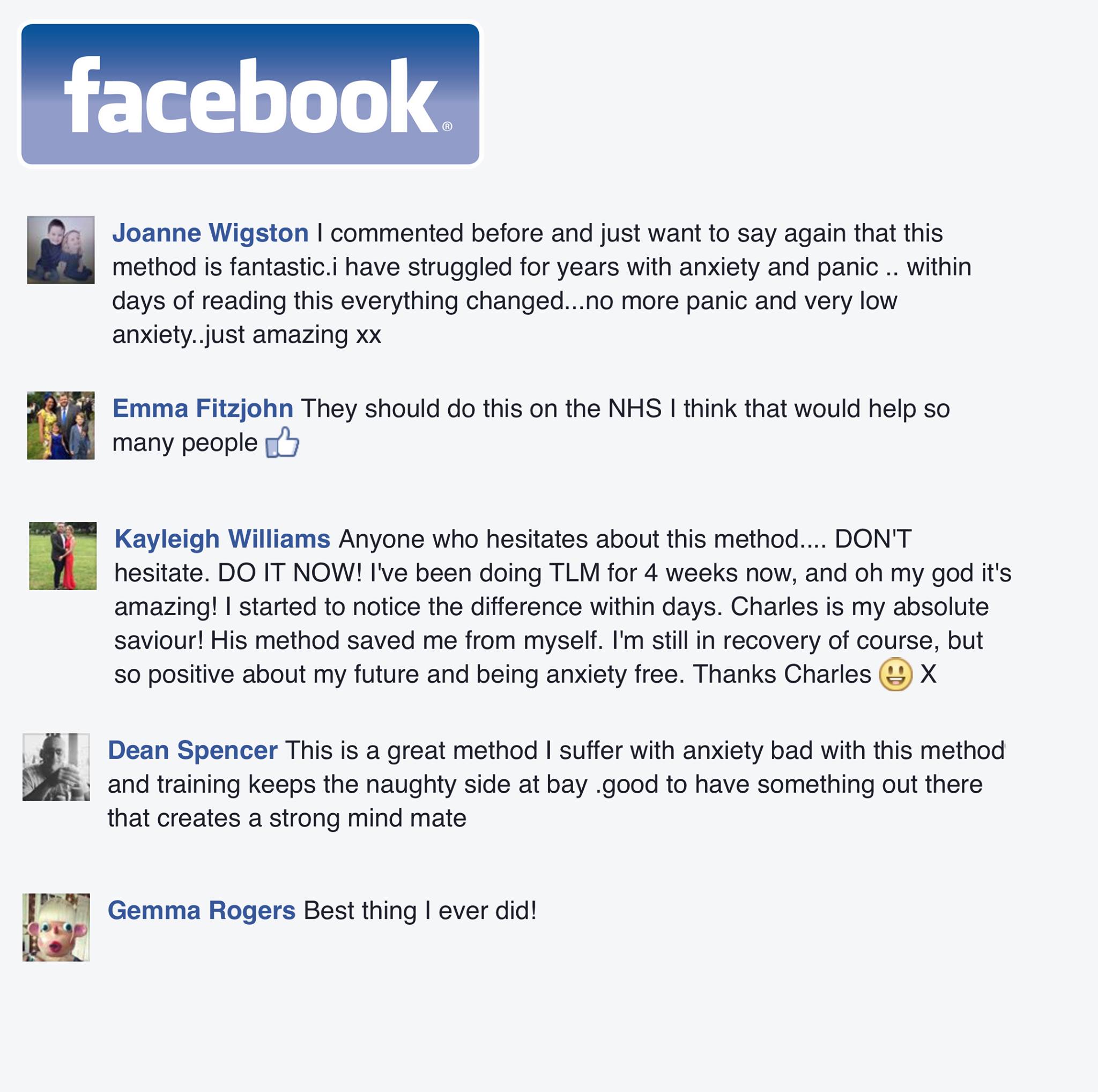
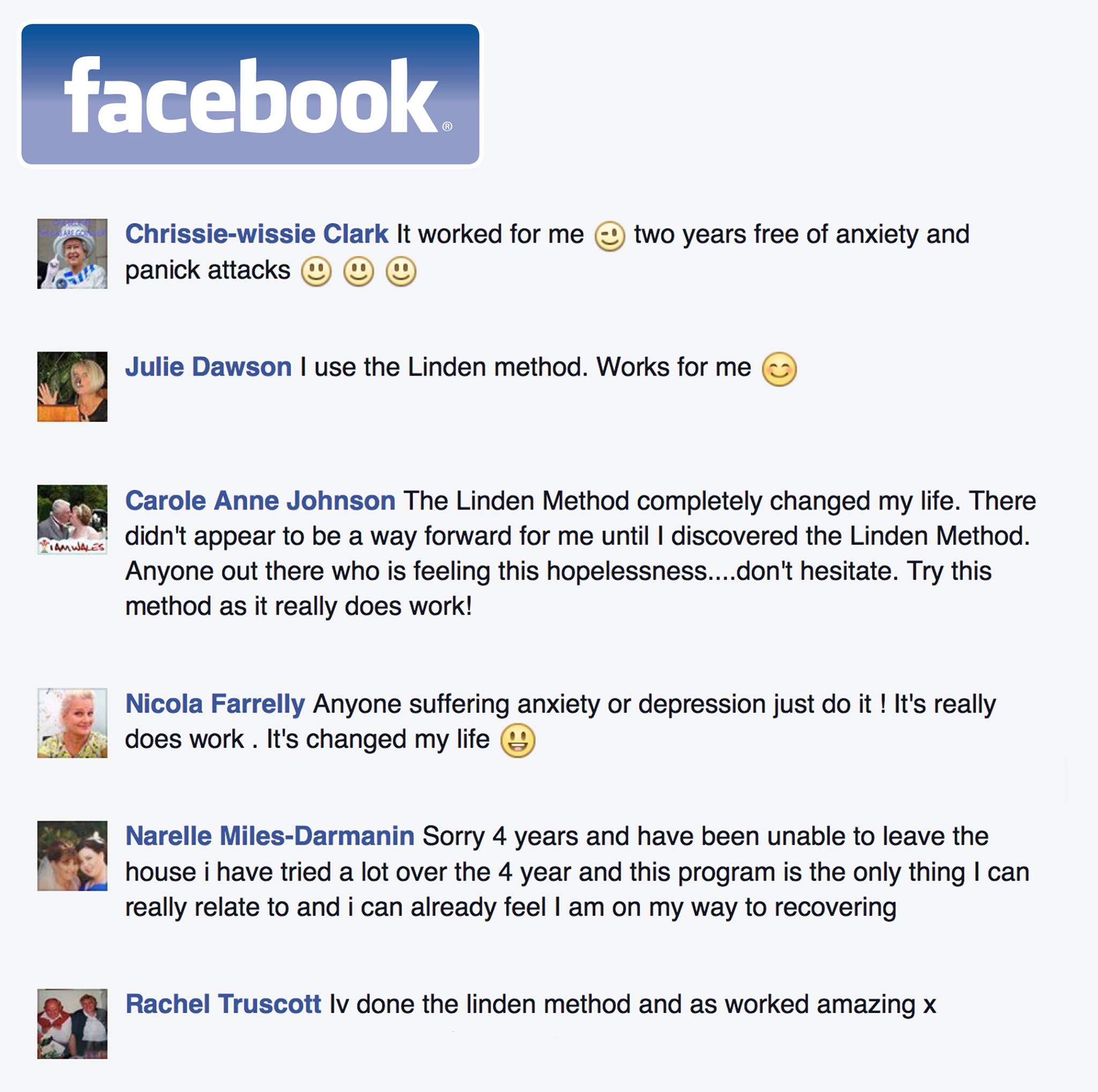
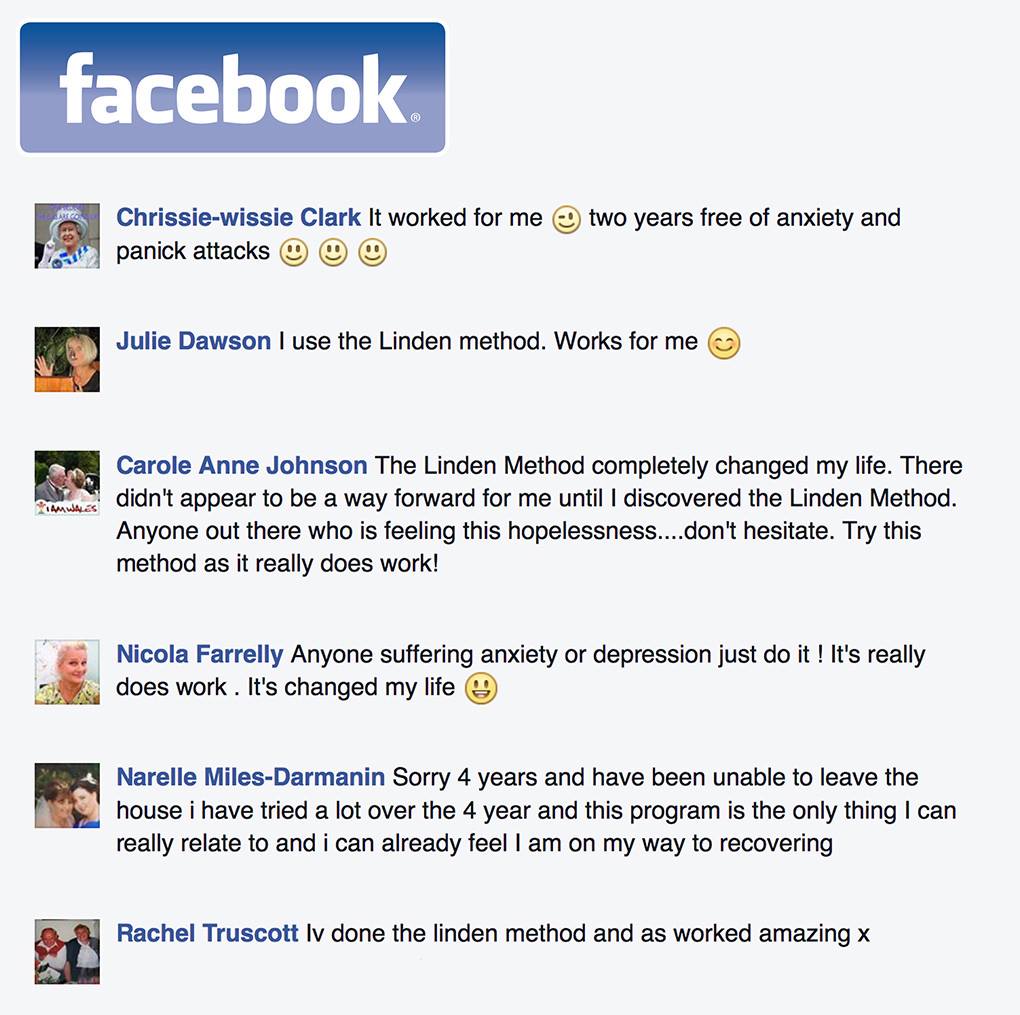
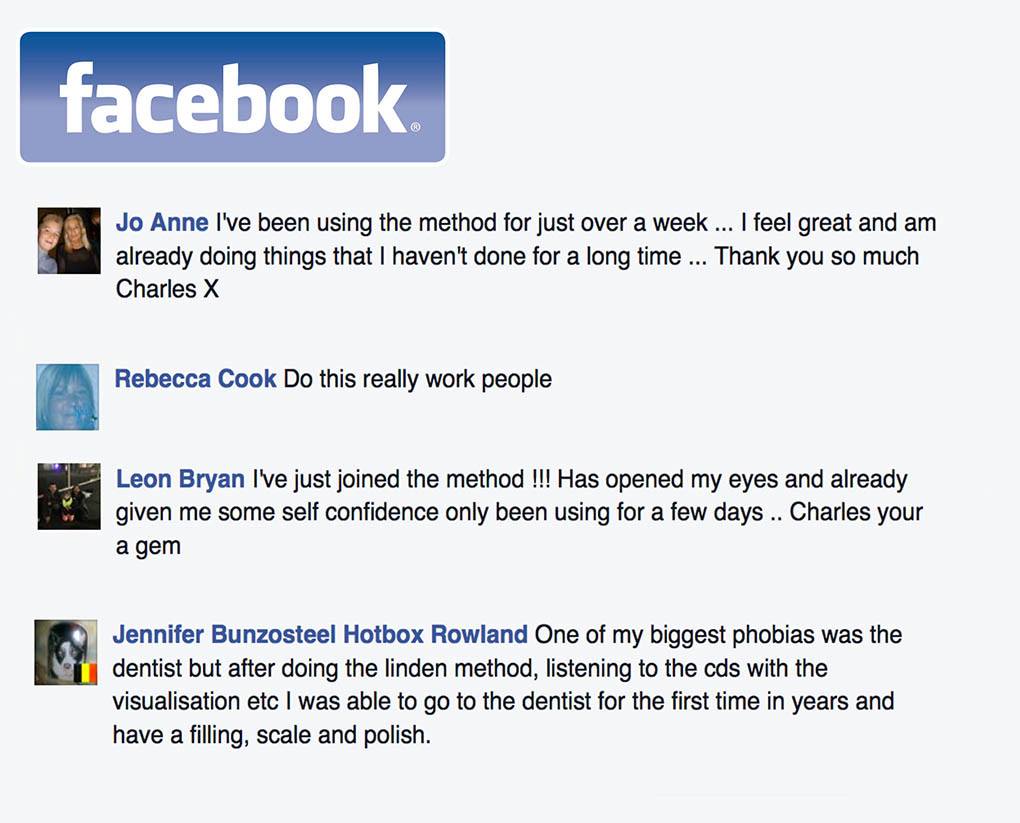
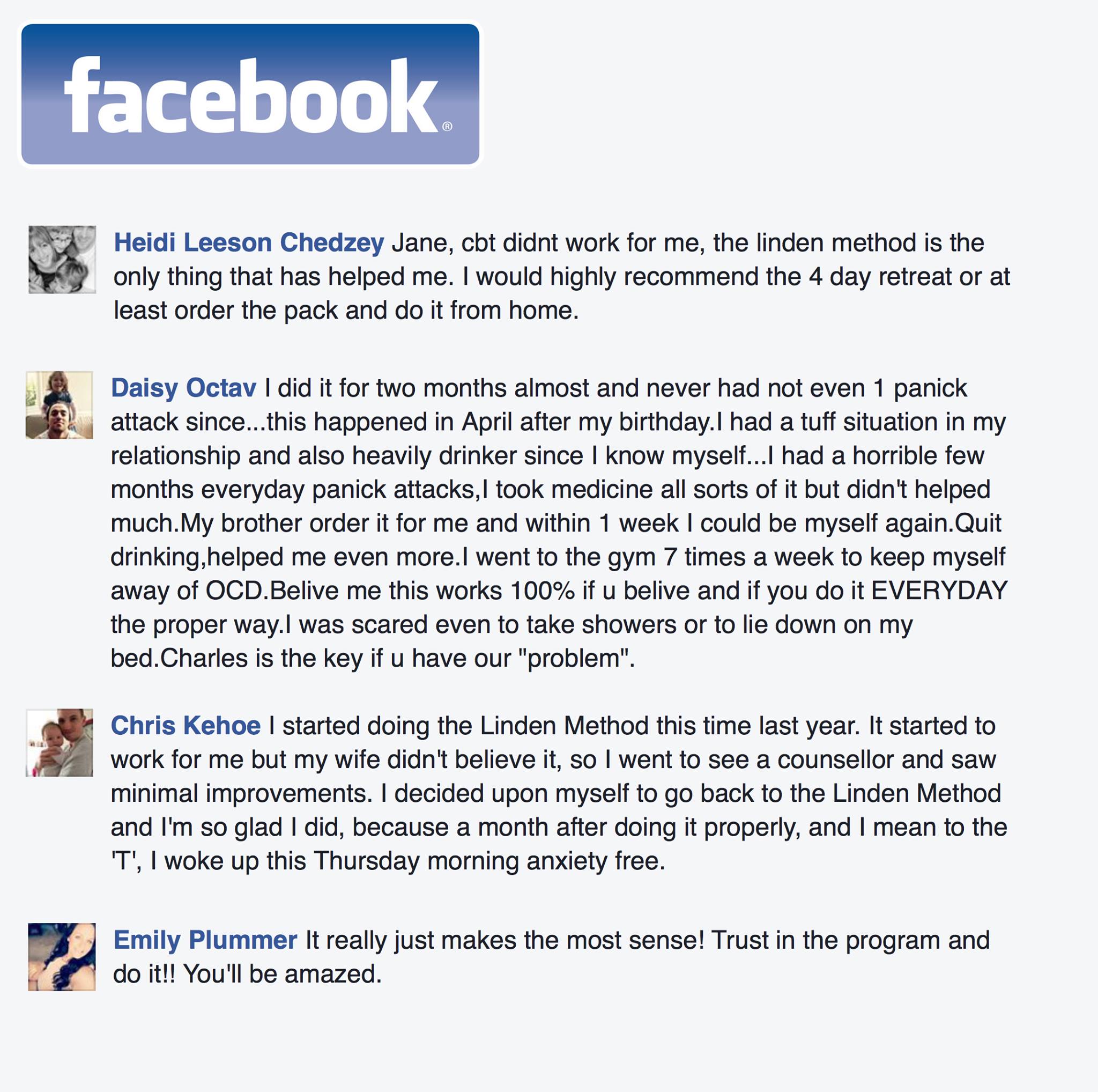
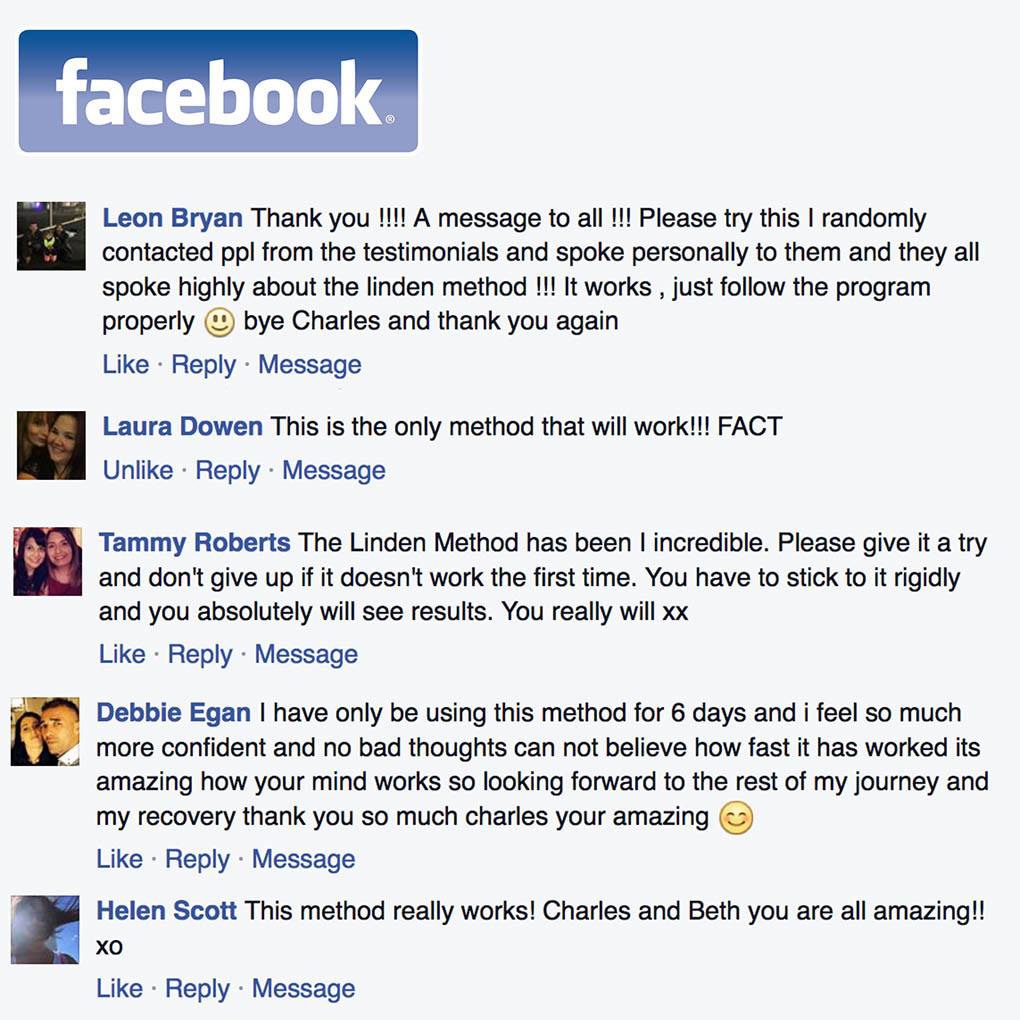
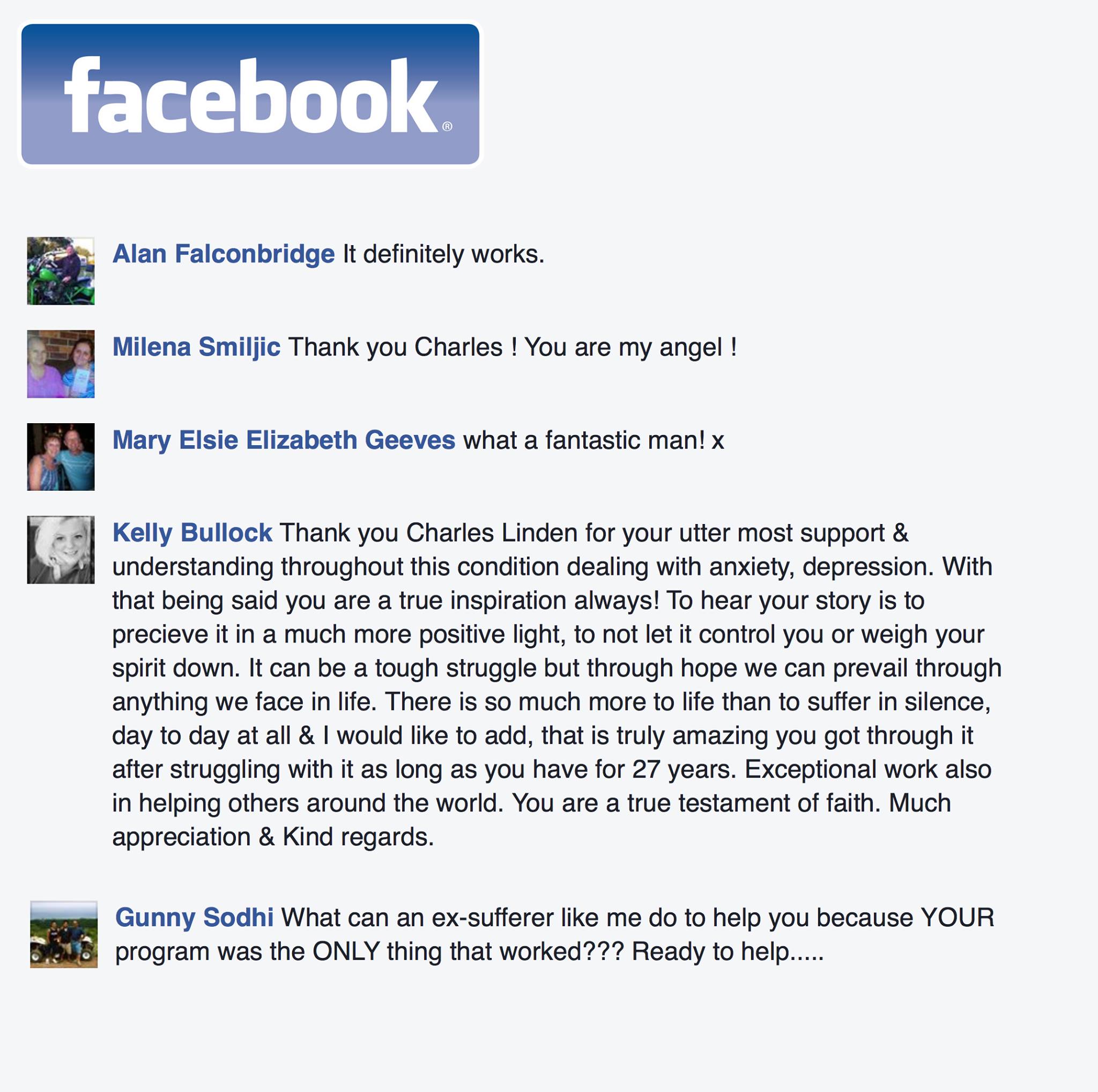
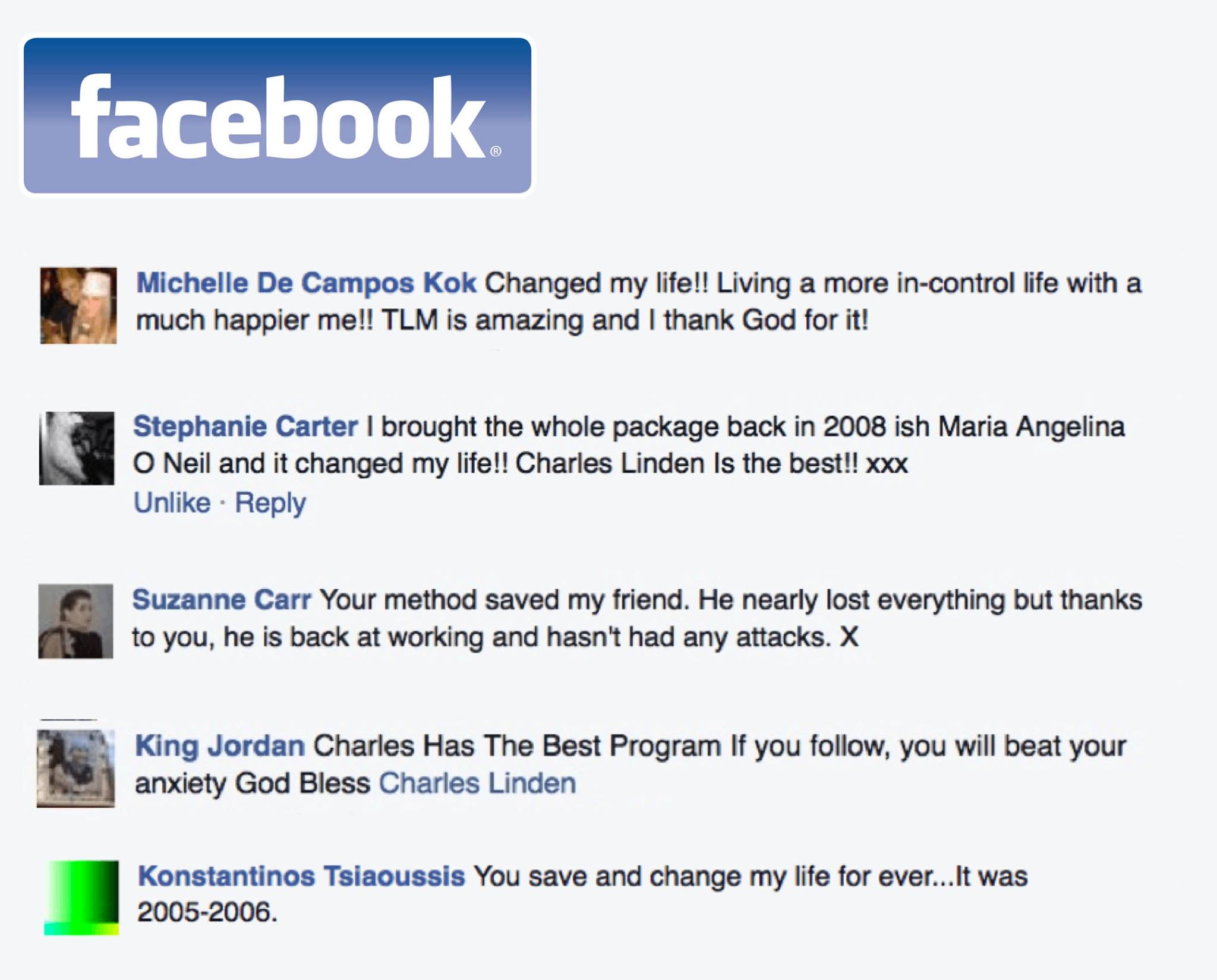
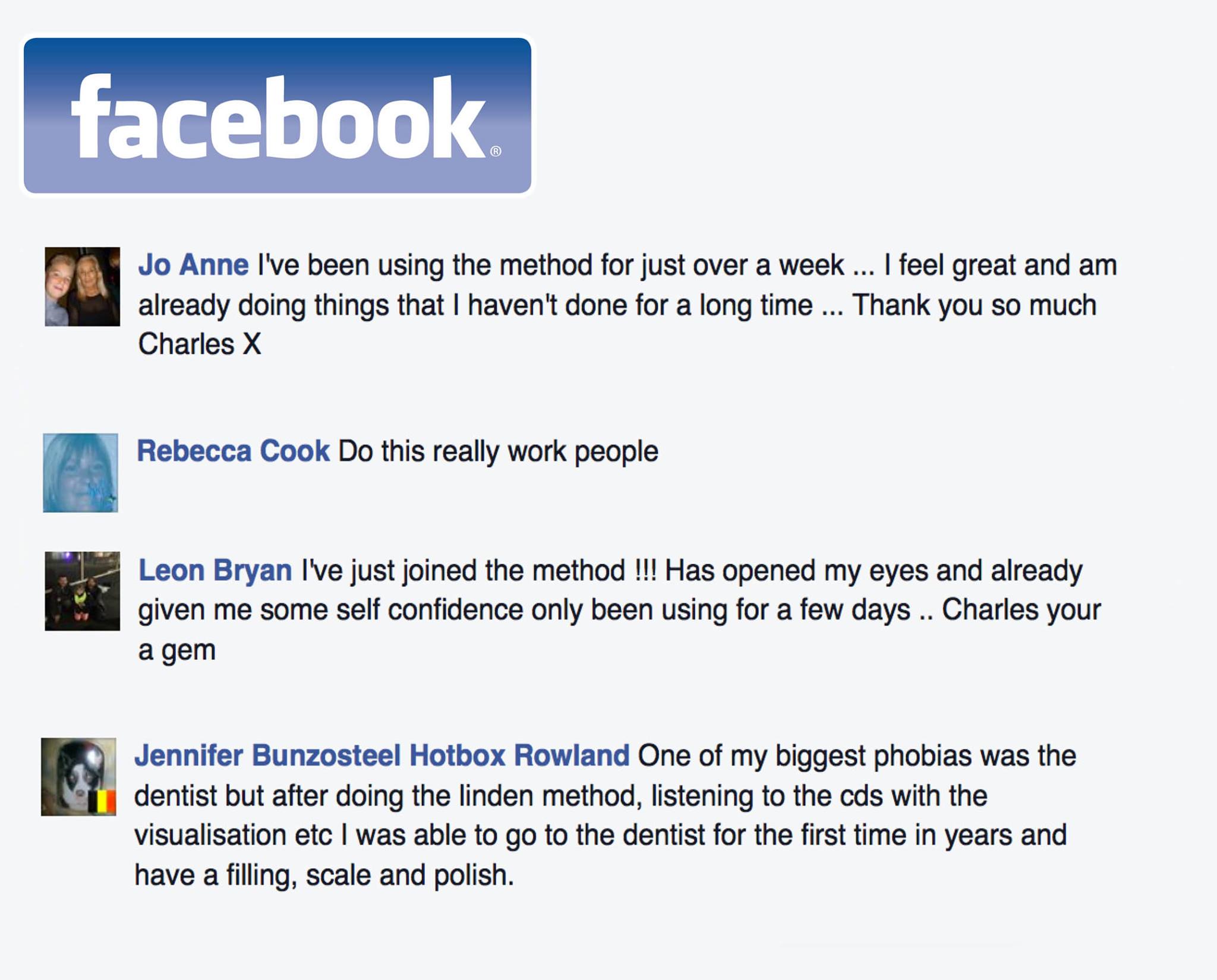
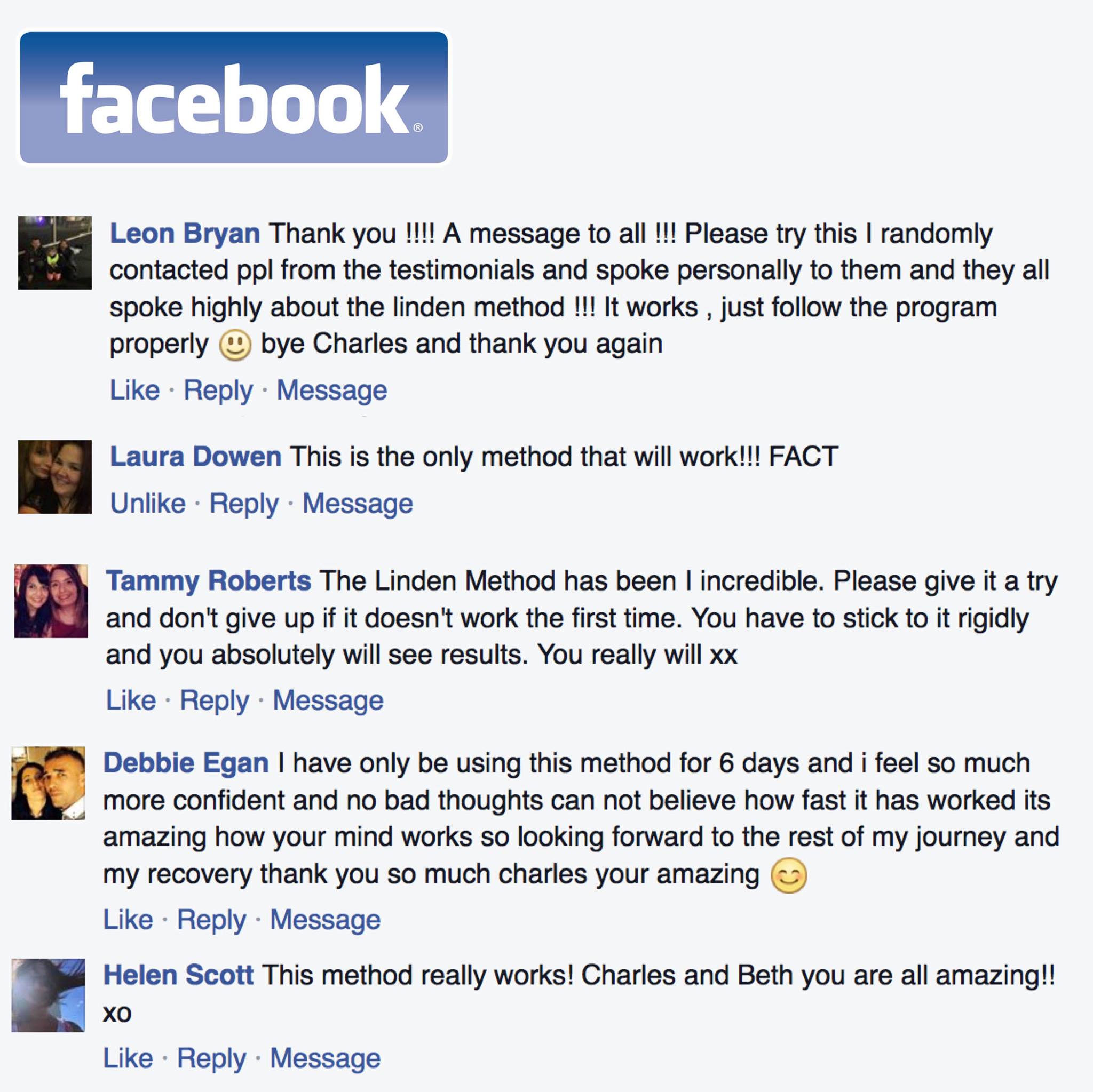
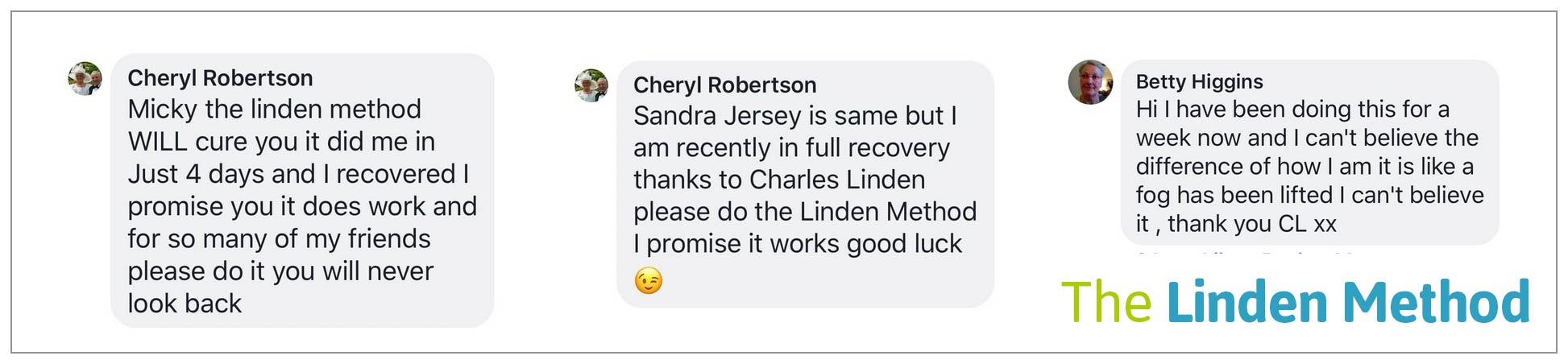
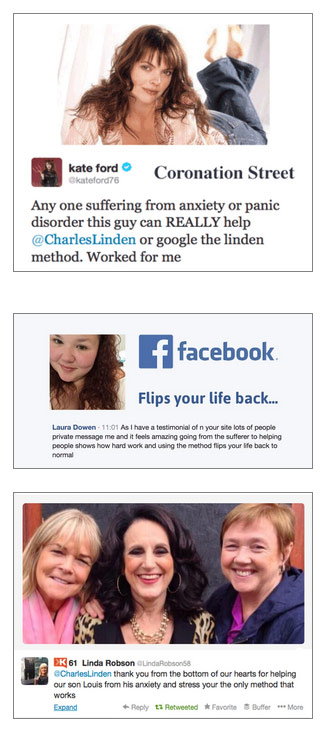
The Linden Method has produced complete elimination of panic attacks in more than 650,000 people worldwide since 1996. Not reduction. Not management. Elimination. Recovery means waking up and not thinking about panic attacks because they no longer happen.
The only recovery protocol. Not management.
Stop Managing Anxiety. Remove It Permanently.
CBT teaches coping skills. Medication suppresses symptoms while you take it. The Linden Method targets the biological source directly — the only structured protocol with 650,000 verified full recoveries since 1996. Unlimited coach support included from day one.
Related Condition Pages
For complete anxiety recovery, visit The Linden Method →
Also in The Institute of Applied Psychophysiology Network