By Charles Linden
Charles Linden | The Institute of Applied Psychophysiology | 30 years clinical experience
A panic attack is a sudden surge of overwhelming fear and physical symptoms that reaches its peak within minutes. If you've had one, you know: it feels like dying. Your heart pounds, you can't breathe, your hands tingle, and a wave of pure terror tells you something is catastrophically wrong. Nothing is wrong. That's the cruelest part.
Panic Attack Symptoms: What's Actually Happening
During a panic attack, your amygdala — the brain's threat-detection center — fires as if you're facing mortal danger. It triggers a massive adrenaline release. Your heart rate spikes to pump blood to your muscles. Your breathing shifts to take in more oxygen. Your extremities tingle as blood is redirected. Every one of these sensations is your body doing exactly what it was designed to do. The problem isn't that it's happening. The problem is that the threat isn't real.
- Sudden, intense fear or terror with no identifiable cause
- Heart pounding, racing, or skipping beats
- Shortness of breath or feeling of being smothered
- Chest tightness or pain (often mistaken for a heart attack)
- Dizziness, lightheadedness, or feeling faint
- Tingling or numbness in hands, feet, or face
- Chills or sudden heat flush
- Nausea or stomach distress
- Feeling detached from yourself or your surroundings
- Fear of dying, losing control, or 'going crazy'
Panic Attack vs Heart Attack: The Crucial Difference
The physical symptoms of a panic attack and a cardiac event overlap significantly — chest pain, racing heart, shortness of breath. If you've never had a panic attack before and experience these symptoms, getting medical evaluation is appropriate. Once cardiac causes are ruled out, you can understand that what you're experiencing is your nervous system misfiring, not your heart failing.
Key differences: panic attack symptoms typically peak within 10 minutes and resolve within 20-30 minutes. Heart attack chest pain often radiates to the arm or jaw, is triggered by exertion, and does not resolve on its own. A panic attack will not kill you. It cannot harm you physically.
Why Do Panic Attacks Happen?
Panic attacks occur when the brain's alarm system — the amygdala — becomes sensitized and begins firing at a much lower threshold than normal. This sensitization can develop through a single catastrophic event, accumulated stress, or gradually through long-term anxiety. Once established, the amygdala reacts to its own physical sensations as threats, creating a cycle: anxiety causes physical sensations, physical sensations cause fear, fear causes more anxiety.
A free guide from Charles Linden
Get Why Anxiety Keeps Coming Back — and the first step toward recovery, delivered straight to your inbox.
No spam. Unsubscribe anytime.
What Makes Panic Attacks Keep Happening
Most treatments for panic attacks focus on managing or coping with attacks when they occur. This approach keeps the amygdala engaged in the threat cycle. The only way to eliminate panic attacks permanently is to address the neurological sensitization that causes them — not to manage each attack as it happens.
The Amygdala: The Biological Source of Every Panic Attack
Every panic attack originates in the amygdala — a small, almond-shaped structure in the brain's temporal lobe that functions as the threat-detection and threat-response centre. The amygdala monitors incoming sensory information and triggers the fight-or-flight response when it identifies danger. In a healthy nervous system, this system fires in proportion to genuine threats. In panic disorder, the amygdala has become sensitized: its firing threshold has dropped to the point where ordinary physical sensations — a slightly elevated heart rate, mild breathlessness — trigger the full emergency response.
Neuroscientist Joseph LeDoux established that the amygdala generates its fear response in 12 to 20 milliseconds — far faster than conscious thought. By the time you are aware of feeling afraid during a panic attack, the adrenaline cascade has already completed. This is why rational self-reassurance during an attack rarely stops it: the cortical reasoning system arrives too late to prevent what the amygdala has already set in motion.
Anticipatory Anxiety: The Fear That Lives Between Panic Attacks
For many people with panic disorder, the fear of the next panic attack becomes more disabling than the attacks themselves. This anticipatory anxiety — a background state of hypervigilance and dread — keeps the amygdala primed and scanning for sensations that might signal an approaching attack. The monitoring produces the very physiological arousal it is searching for, making attacks more likely and creating a self-reinforcing loop.
This is the mechanism through which panic disorder develops into agoraphobia. After panic attacks in specific settings, the amygdala files those locations as dangerous and triggers avoidance. Avoidance provides short-term relief, which reinforces it. The world that feels safe contracts. The problem was never the locations themselves — it was the fear of having an attack in them.
Why Duration of Suffering Does Not Predict Recovery
The number of years you have experienced panic attacks does not determine how quickly you can recover. The amygdala retains its neuroplastic capacity — its ability to recalibrate its threshold — regardless of how long it has been dysregulated. Charles Linden recovered from severe panic disorder after more than a decade of suffering. People who have suffered for twenty or thirty years have recovered through the Method. Duration of the disorder is not a predictor of recovery time.
- Panic attacks peak within 10 minutes and resolve on their own — the body cannot sustain the adrenaline cascade indefinitely
- Physical symptoms (chest pain, breathlessness, tingling) are caused by adrenaline — not by heart or lung disease
- Nocturnal panic attacks occur during sleep-stage transitions, waking the person in pure terror without dream context
- Anticipatory anxiety between attacks maintains amygdala sensitization and must be addressed in recovery
- Situational avoidance provides short-term relief but maintains the underlying sensitized state
The Recovery Reality
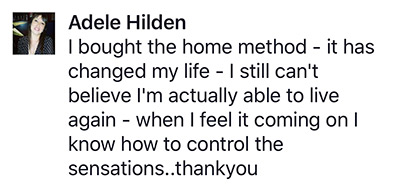
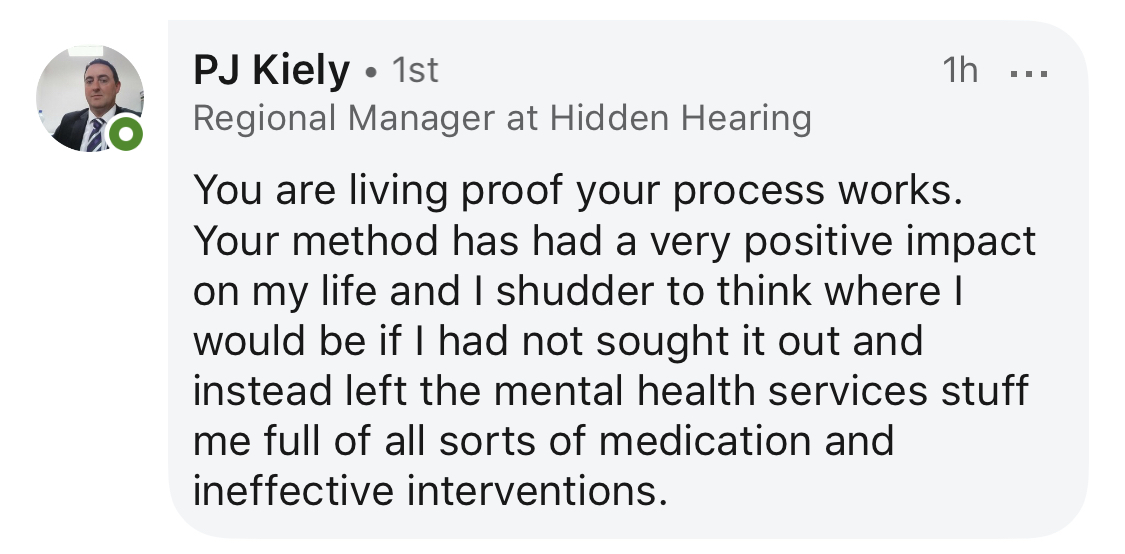
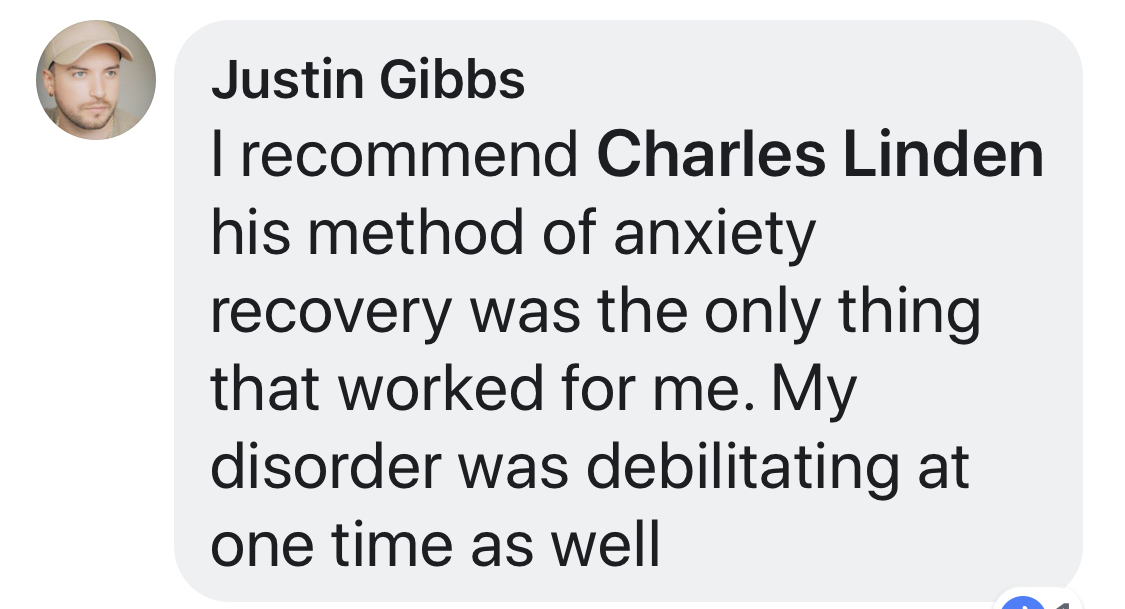
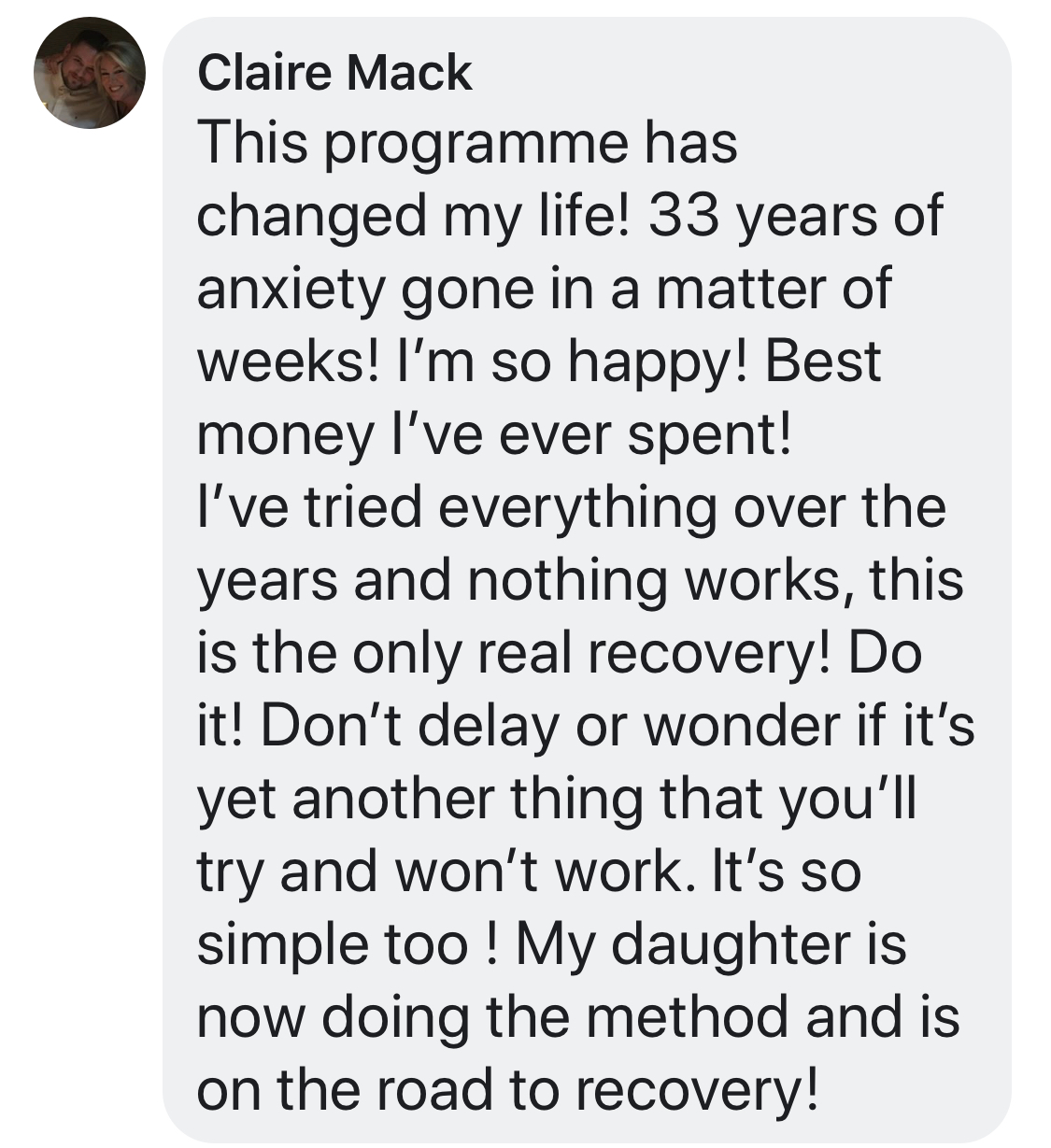
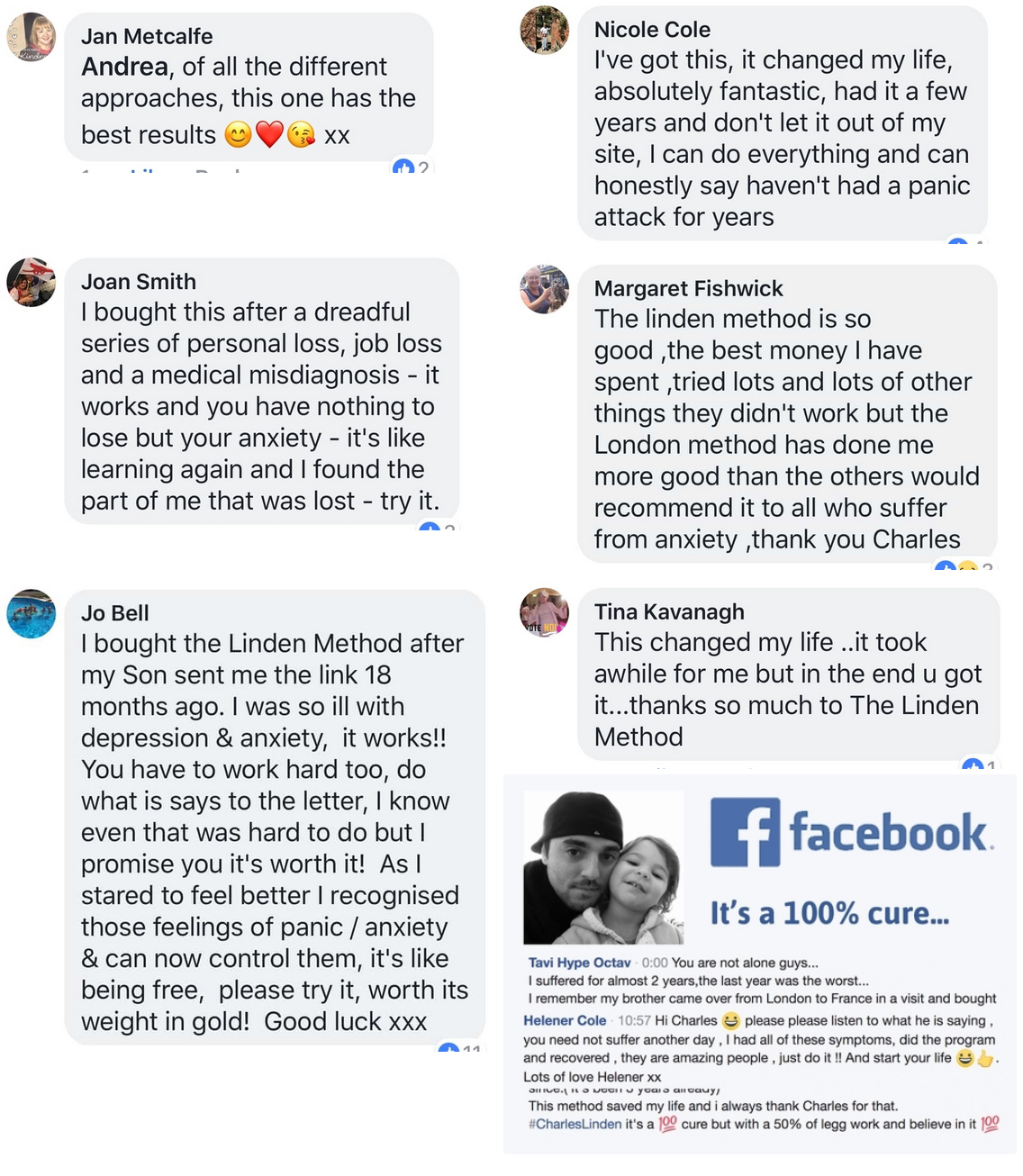
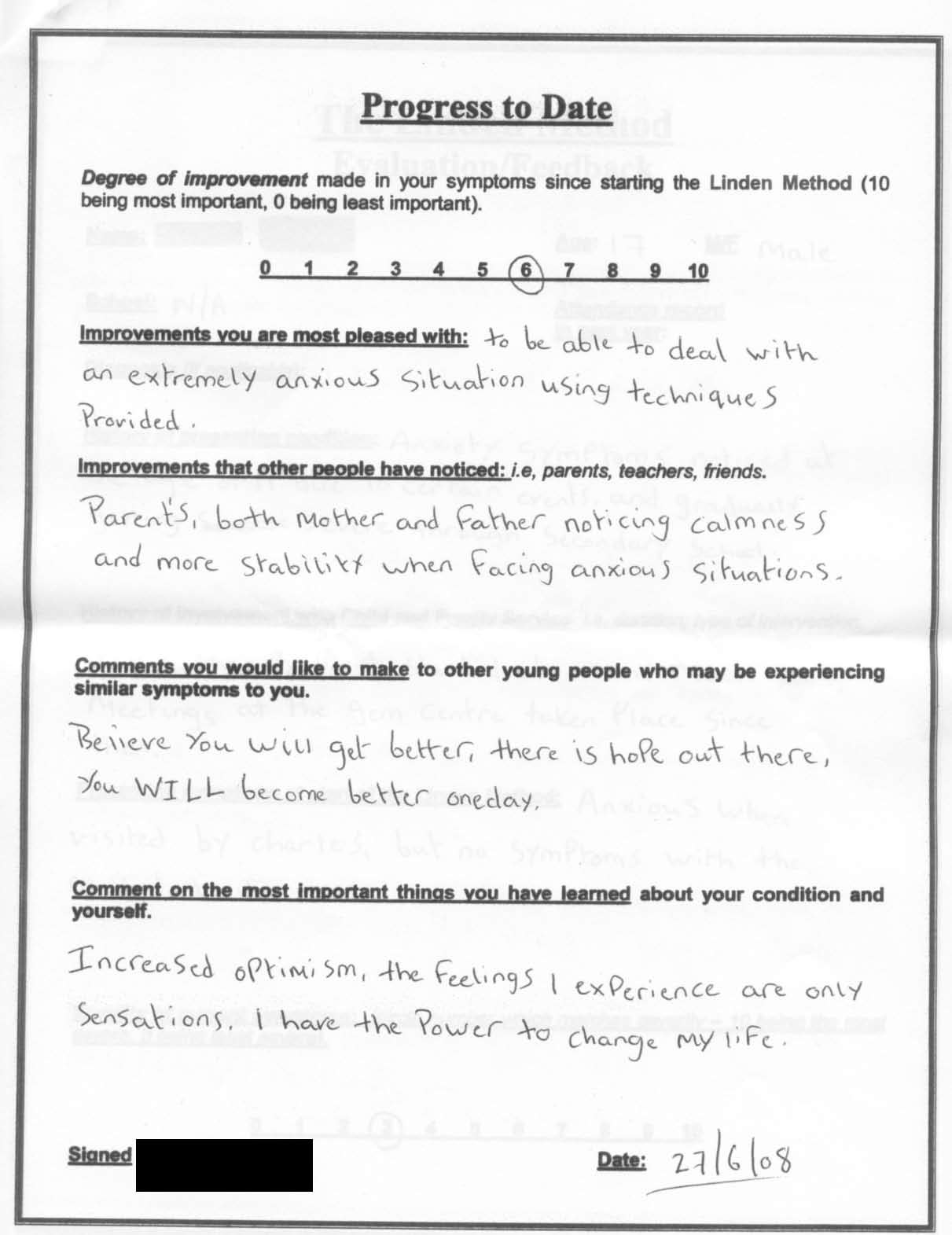
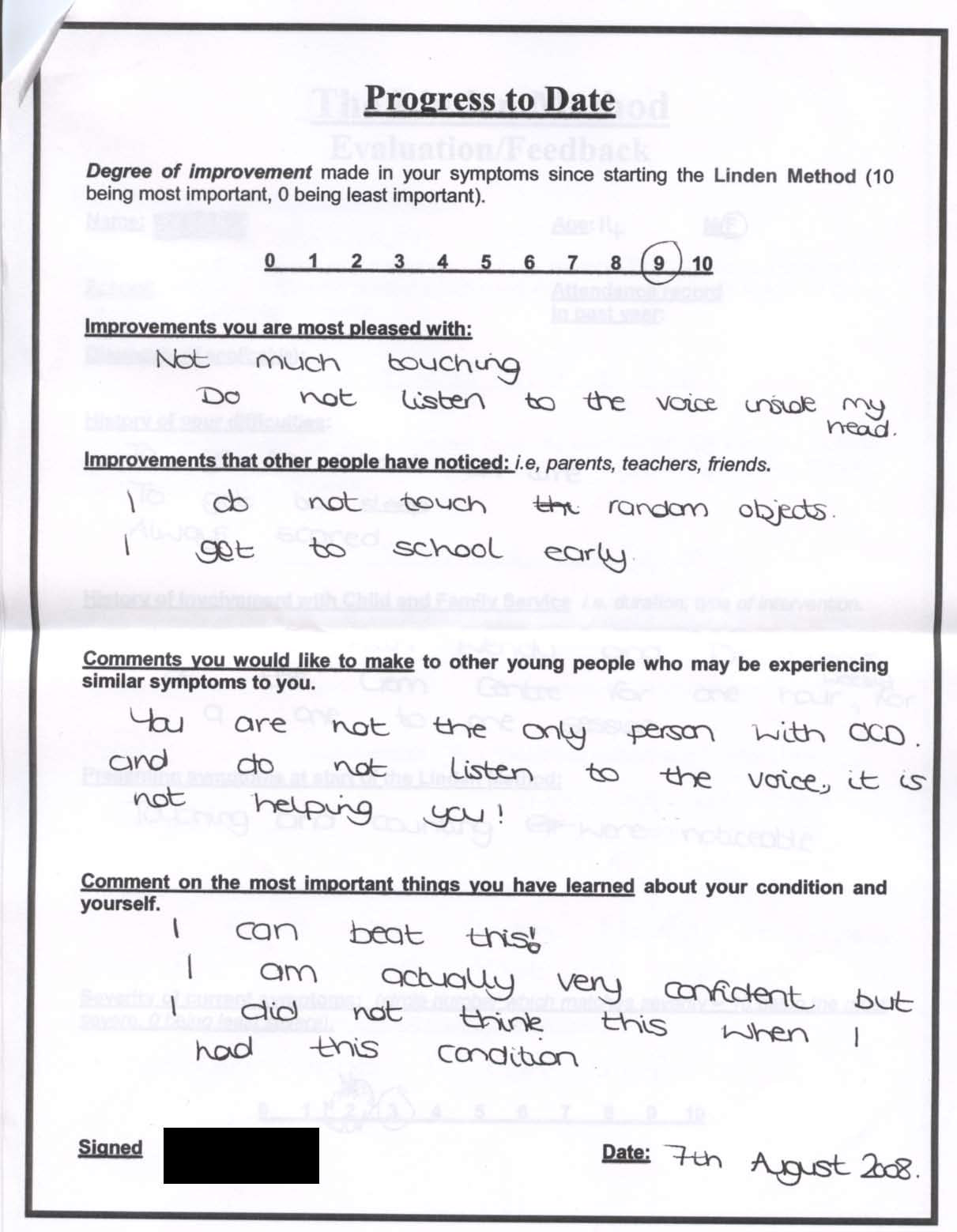
Panic disorder is completely curable. Not manageable — curable. The Linden Method has produced more than 650,000 full recoveries since 1996, working with the brain's own neuroplasticity to reset the amygdala to its pre-disorder baseline. Recovery is not learning to cope with panic attacks. It is becoming someone who doesn't have them.
The only recovery protocol. Not management.
Stop Managing Anxiety. Remove It Permanently.
CBT teaches coping skills. Medication suppresses symptoms while you take it. The Linden Method targets the biological source directly — the only structured protocol with 650,000 verified full recoveries since 1996. Unlimited coach support included from day one.
Related Condition Pages
For complete anxiety recovery, visit The Linden Method →
Also in The Institute of Applied Psychophysiology Network