FREE Book — LEGACY
By Charles Linden
Charles Linden | The Institute of Applied Psychophysiology | 30 years clinical experience
Anxiety that keeps coming back — improving for a period then returning, sometimes worse than before — is not evidence that recovery is impossible. It is evidence that the approaches tried so far are addressing the symptoms without resolving the underlying neurological state. The anxiety returns because that state has never changed.
Why Anxiety Returns After Improvement
When anxiety improves through coping strategies, lifestyle changes, or medication, the amygdala's sensitisation has not resolved — it has simply not been triggered to its full intensity. When a significant stressor, illness, or life event removes the conditions supporting the improvement, the sensitised amygdala responds as it always has: with disordered anxiety.
The Relapse-Maintenance Cycle
The relapse cycle has a consistent pattern: anxiety worsens → treatment provides improvement → improvement is maintained with effort → stressor occurs → anxiety returns → back to the beginning. This cycle continues indefinitely when treatment addresses management rather than recovery. The exit from the cycle is amygdala reset — which does not require ongoing maintenance because the neurological change is permanent.
- Anxiety that returns is a sign the underlying sensitisation remains
- Stressors don't cause relapse in recovered people — they cause appropriate, proportionate stress
- The amygdala reset produced by recovery is not undone by life's challenges
- Permanent recovery means the disorder does not return — even under significant stress
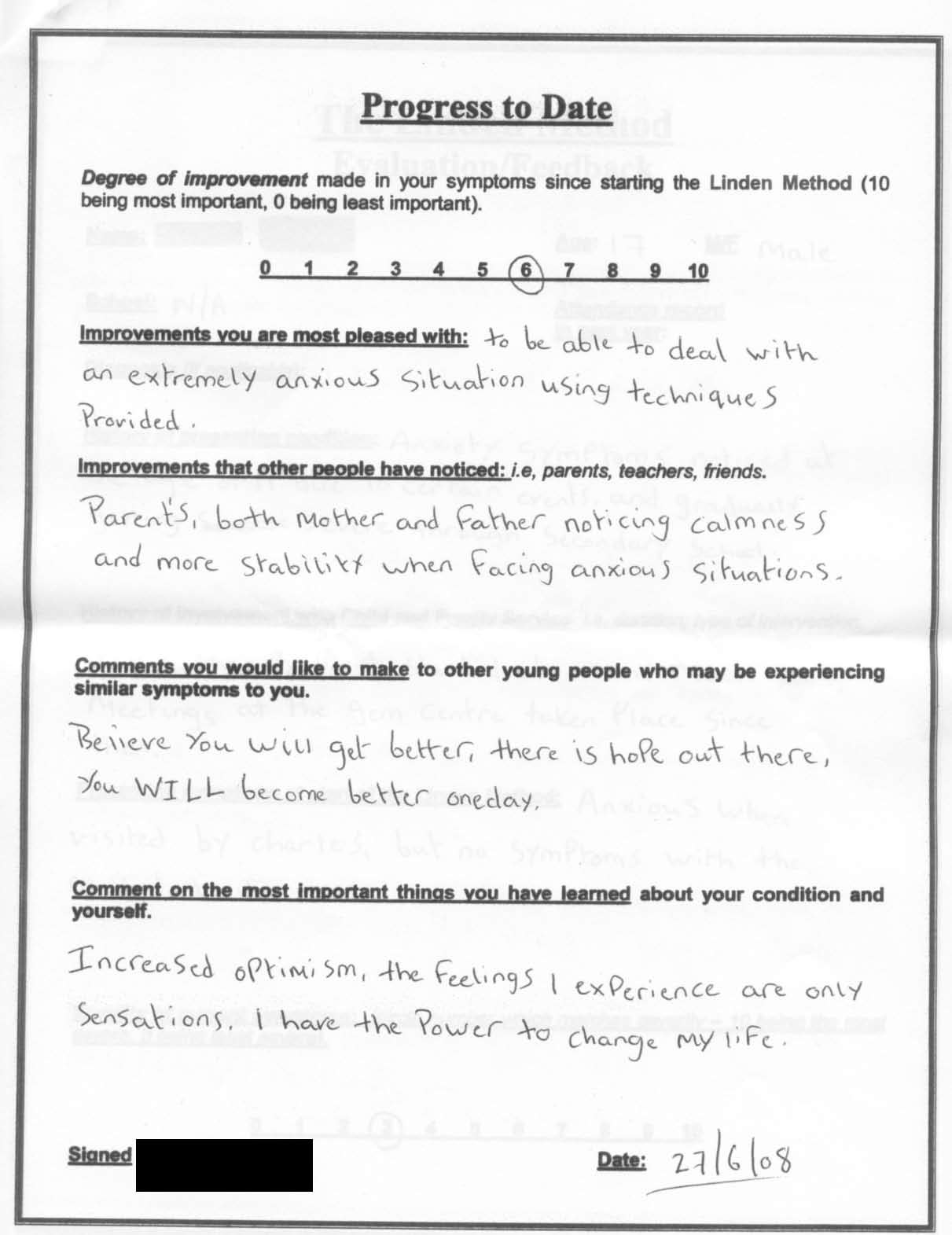
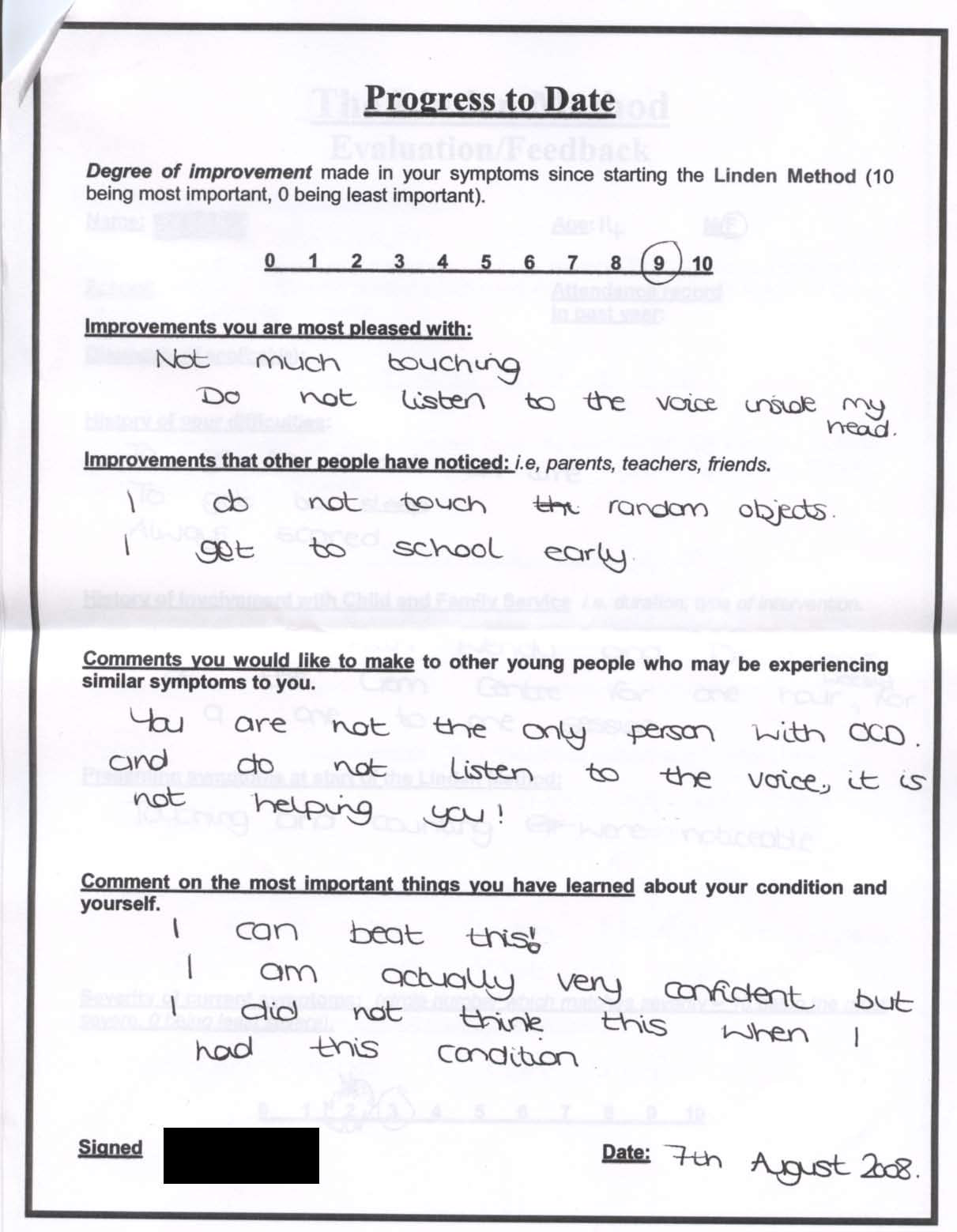
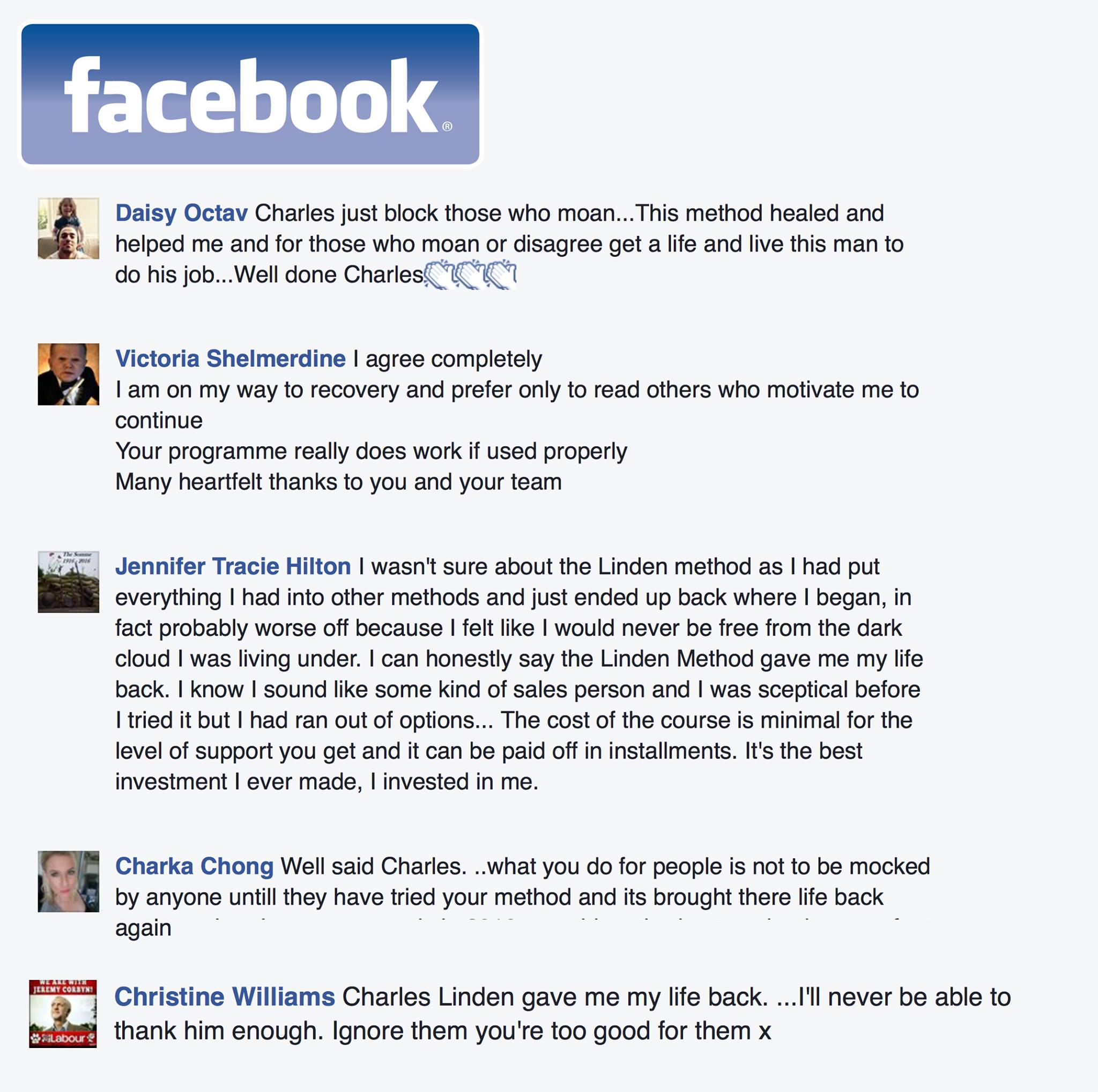
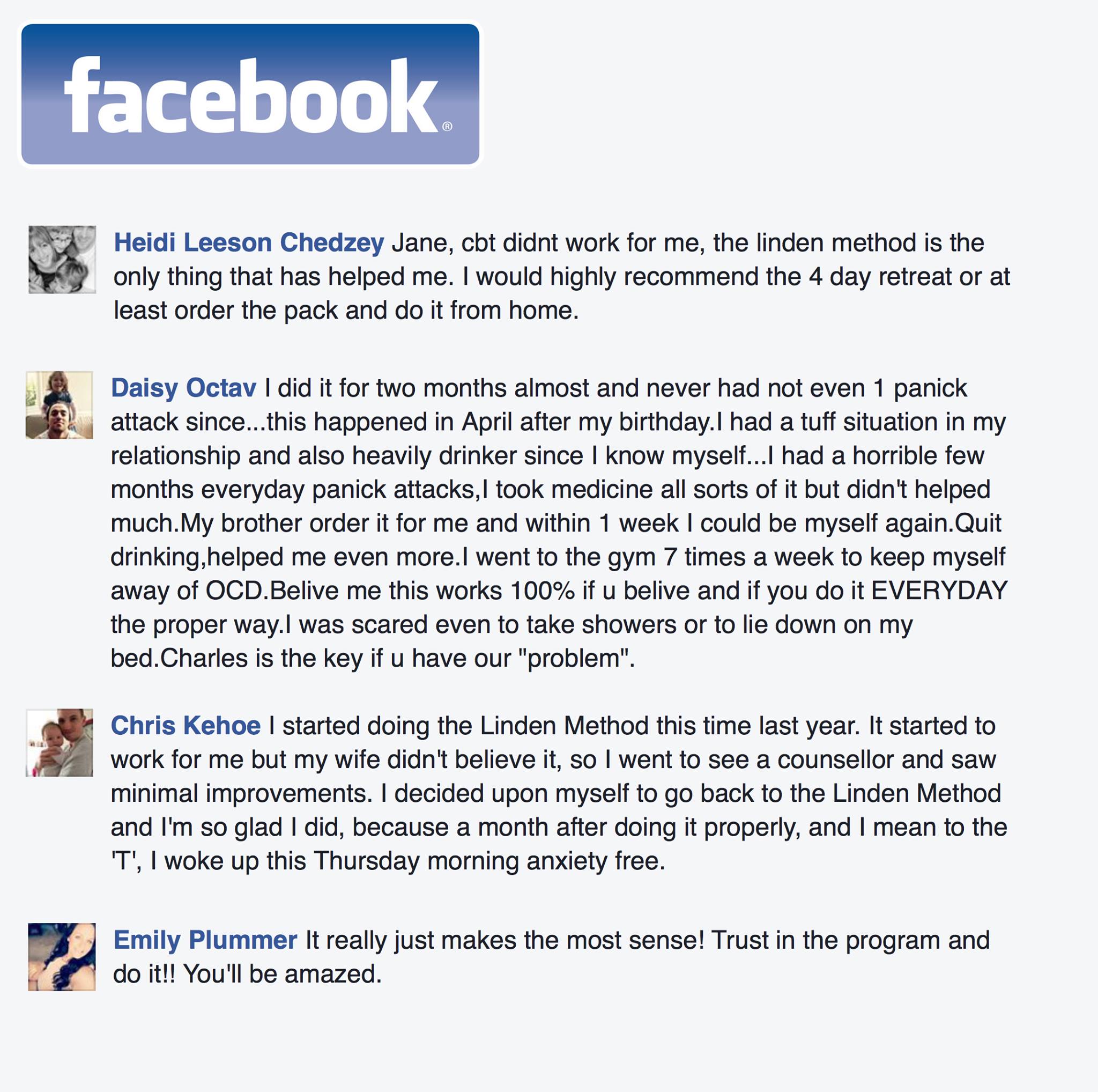
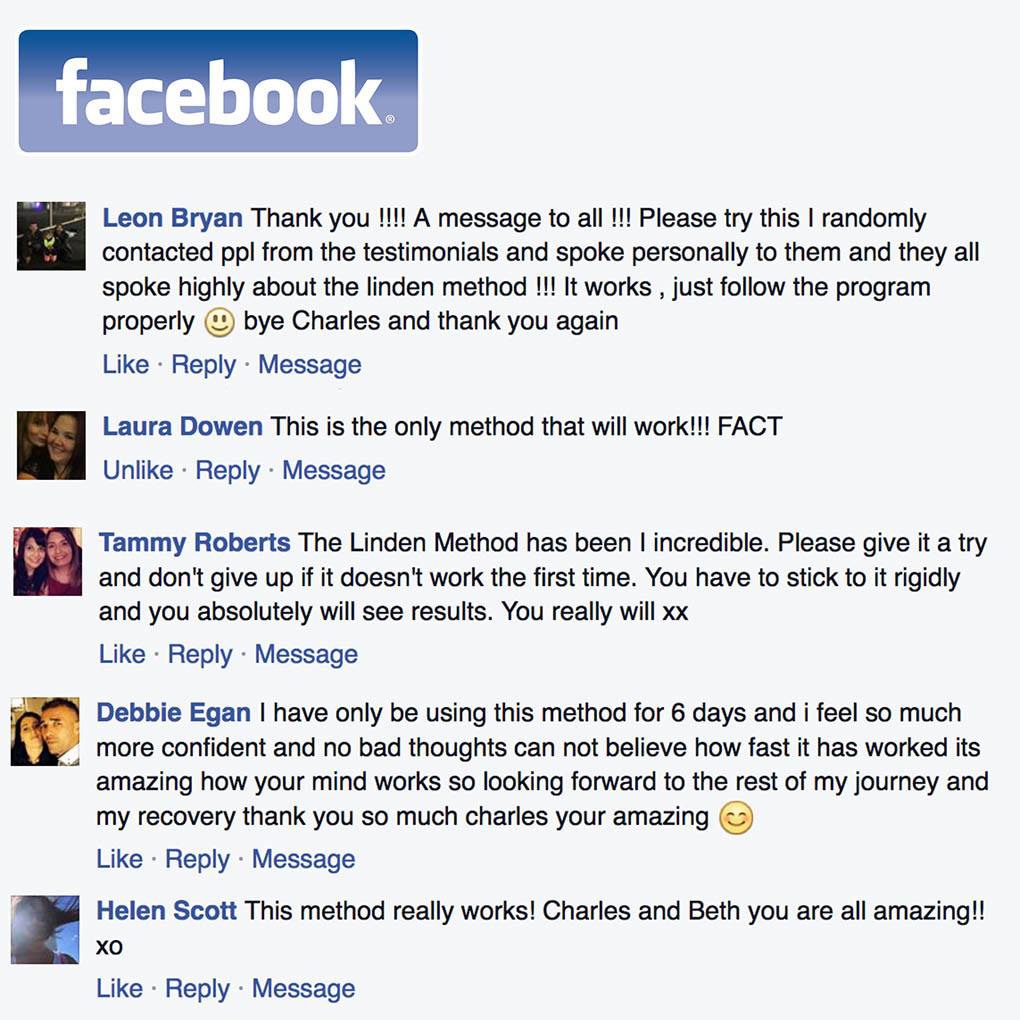
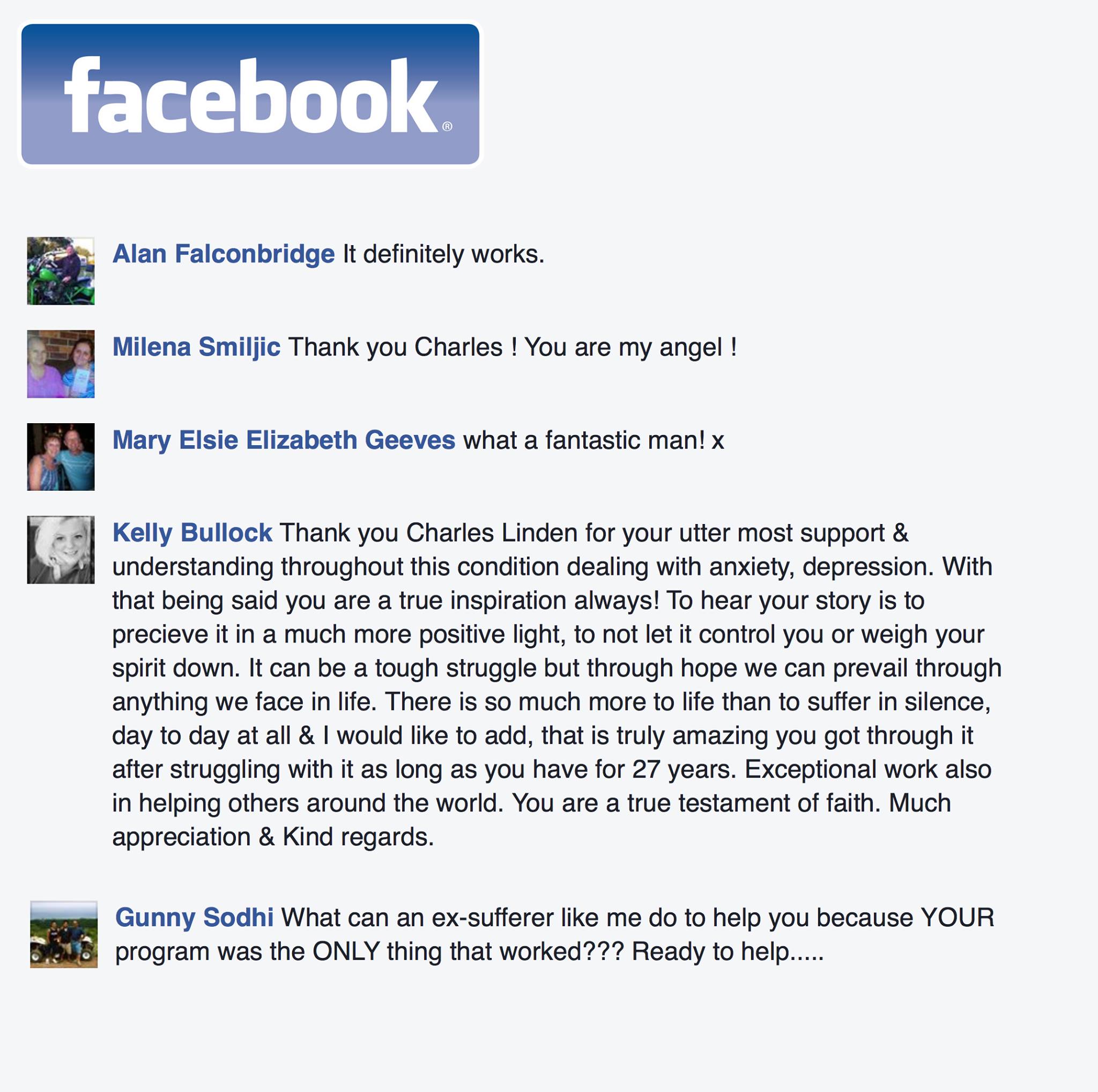
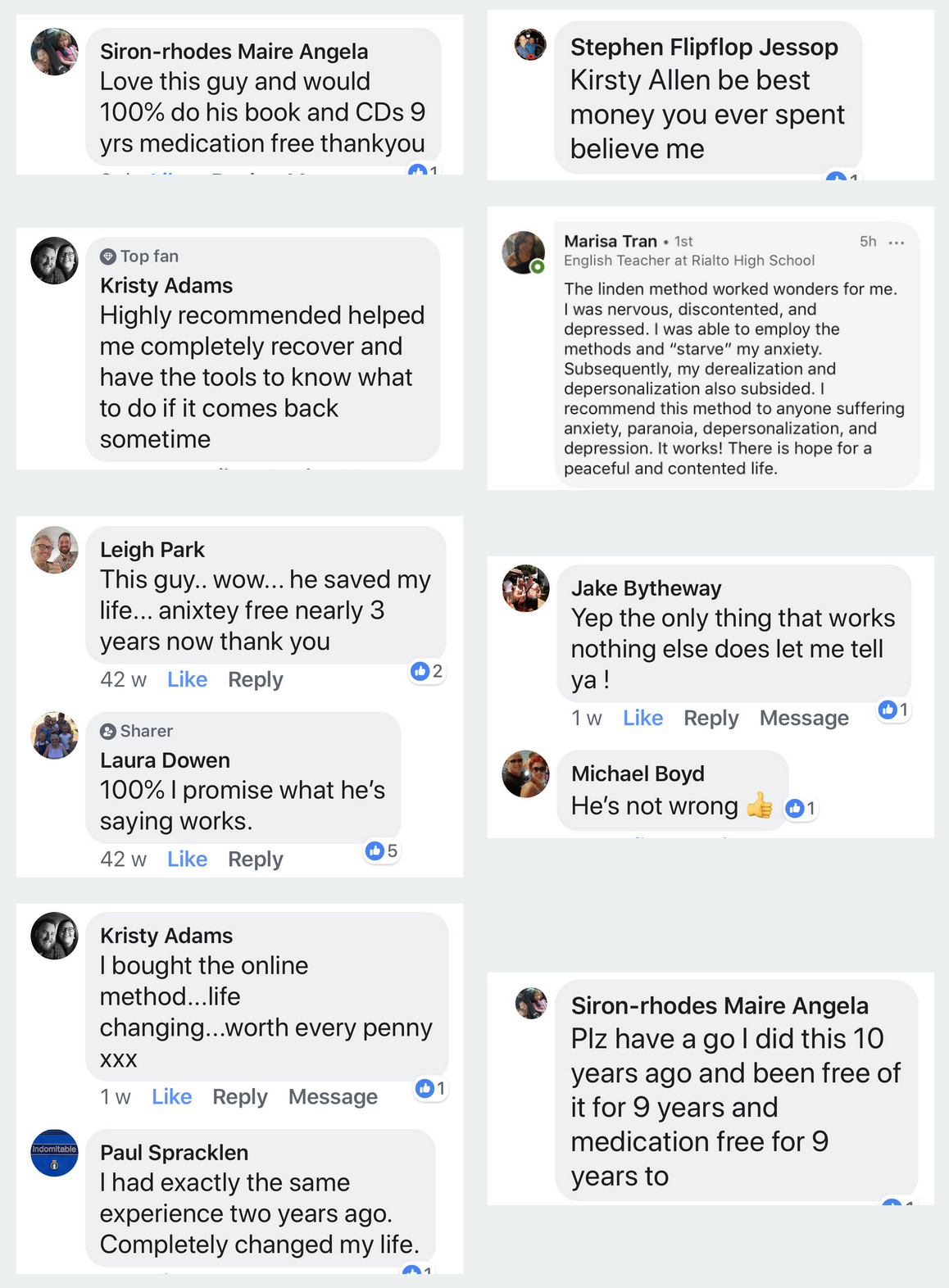
- The Linden Method's 30-year record demonstrates permanent, non-relapsing recovery
The Stress-Sensitisation Relationship
Anxiety disorders do not simply emerge in response to stress — but stress can maintain and reveal them. When the amygdala is sensitized, normal life pressures — work demands, relationship difficulties, illness, sleep disruption — are amplified into disproportionate fear responses. For people whose anxiety keeps coming back, the typical pattern is apparent improvement during lower-stress periods followed by a return when demands increase. The stress did not cause the relapse. The sensitized state was present throughout. The stress simply revealed it.
A free guide from Charles Linden
Get Why Anxiety Keeps Coming Back — and the first step toward recovery, delivered straight to your inbox.
No spam. Unsubscribe anytime.
Why Improvement Is Not the Same as Recovery
This distinction is fundamental. Improvement means the anxiety experience has become less intense, less frequent, or more manageable. Recovery means the anxiety disorder has resolved — the amygdala's threshold has returned to its normal baseline. An improved anxiety disorder is still an anxiety disorder. Given sufficient stress, or the removal of whatever conditions were supporting the improvement, it returns to its previous severity. This is not failure or weakness. It is what happens when an unchanged neurological state is managed rather than resolved.
Safety Behaviours and the Active Maintenance of Sensitisation
Every safety behaviour and avoidance decision actively maintains the amygdala's sensitized state. When you avoid a feared situation and the catastrophe doesn't happen, the amygdala concludes the avoidance was necessary — not that the situation was safe. The sensitization is reinforced rather than reduced. This is one reason anxiety that improves continues to return: the safety behaviours that maintained the sensitization were never removed, and so the neurological state never changed.
What Amygdala Recalibration Actually Means
When the Linden Method refers to the amygdala resetting, this is a specific neuroplastic change in its firing threshold — not a metaphor. Through a structured protocol that consistently provides the amygdala with safety evidence at a neurological level, the threshold gradually recalibrates to its pre-disorder baseline. This is not a skill to practise. It is a structural change in how the brain processes threat. Once complete, it is the default state — and stress produces proportionate, appropriate responses rather than anxiety disorder symptoms.
Life After Recovery: Why the Disorder Does Not Return
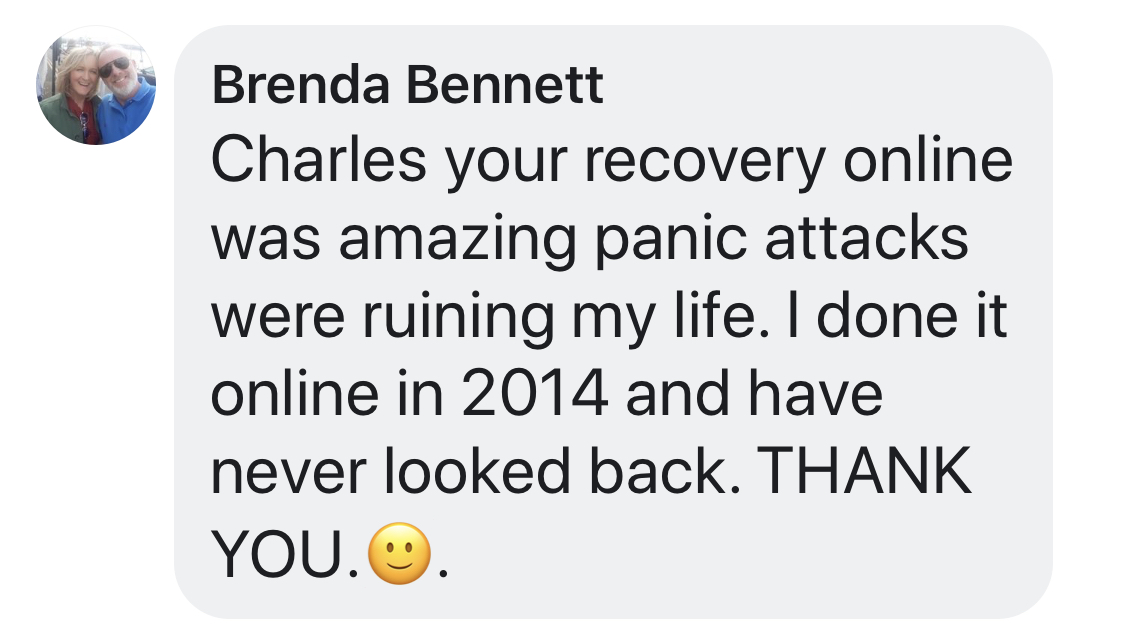
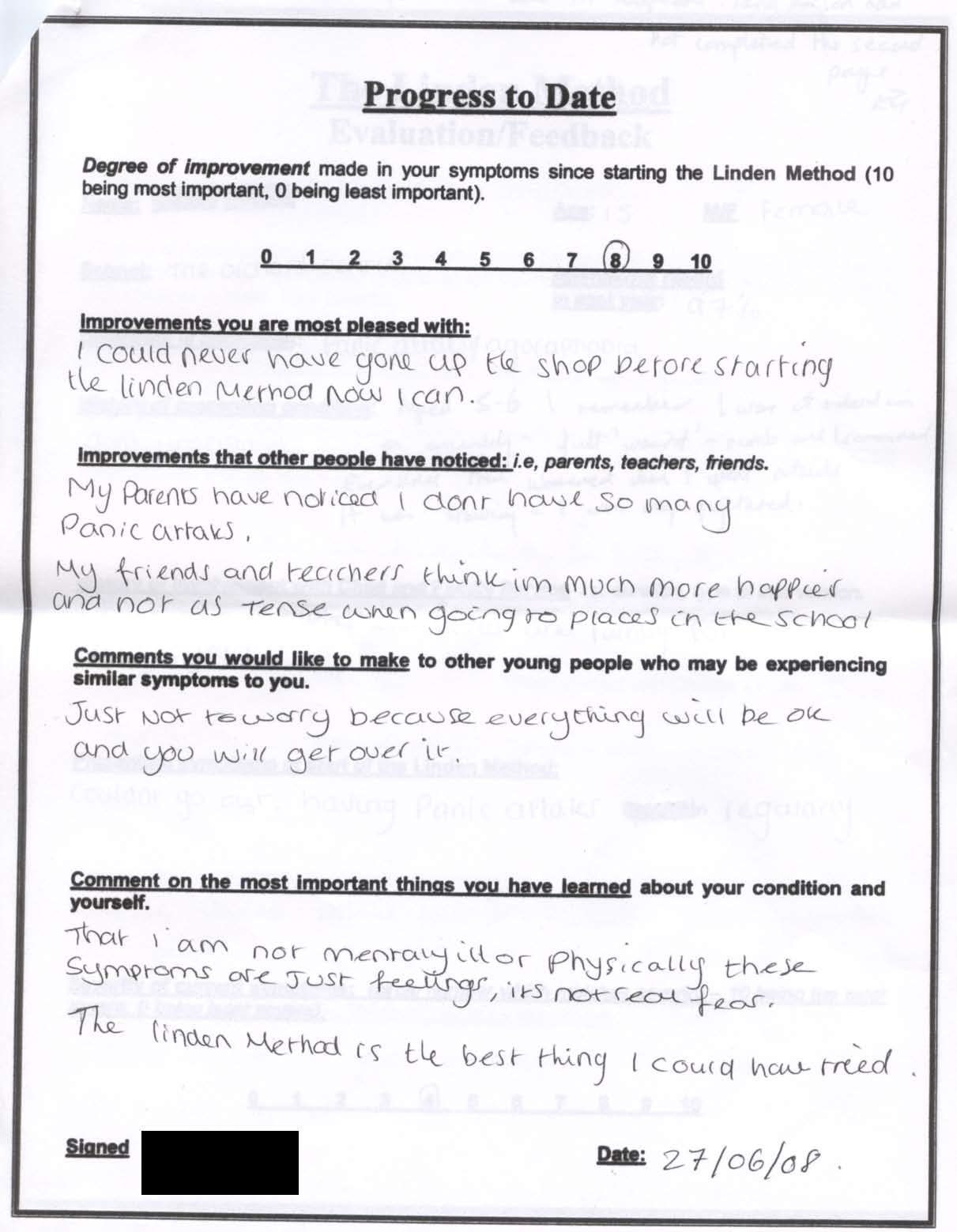
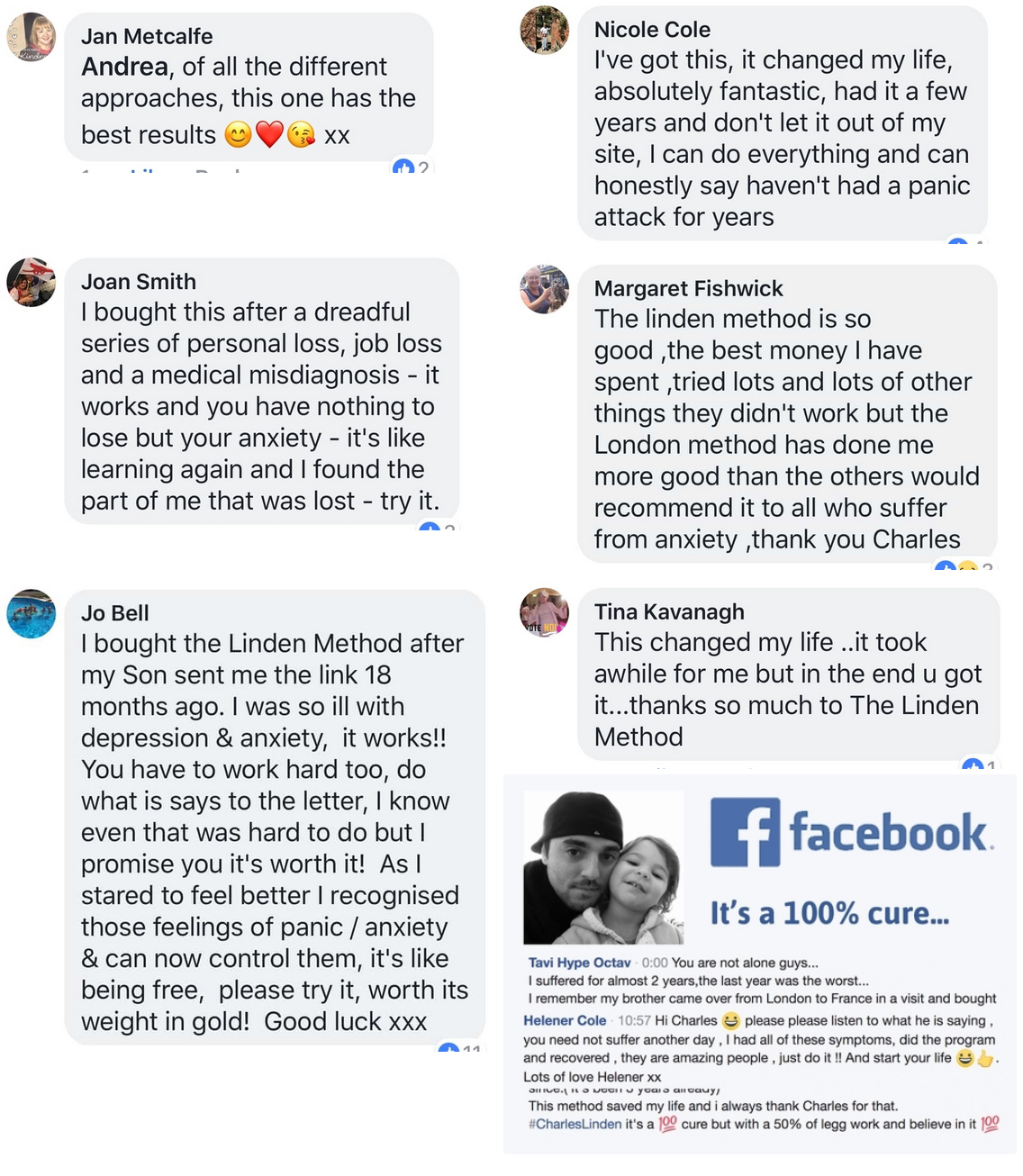
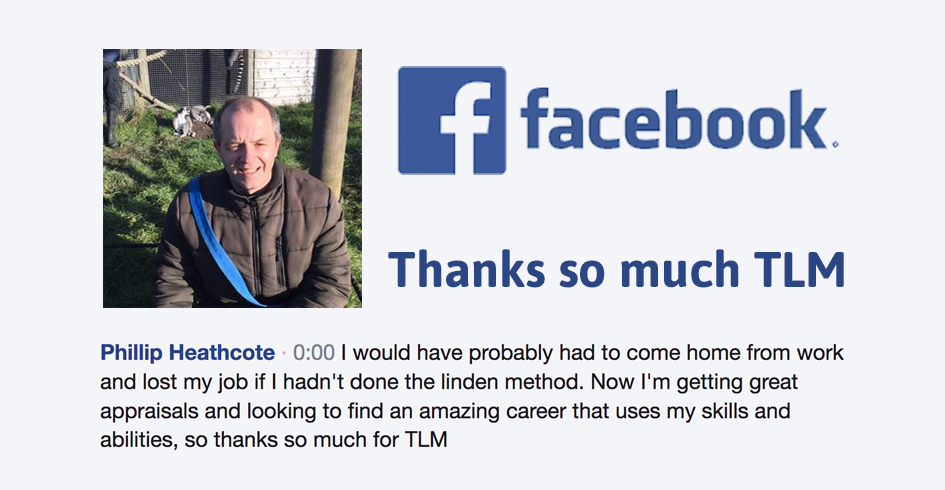
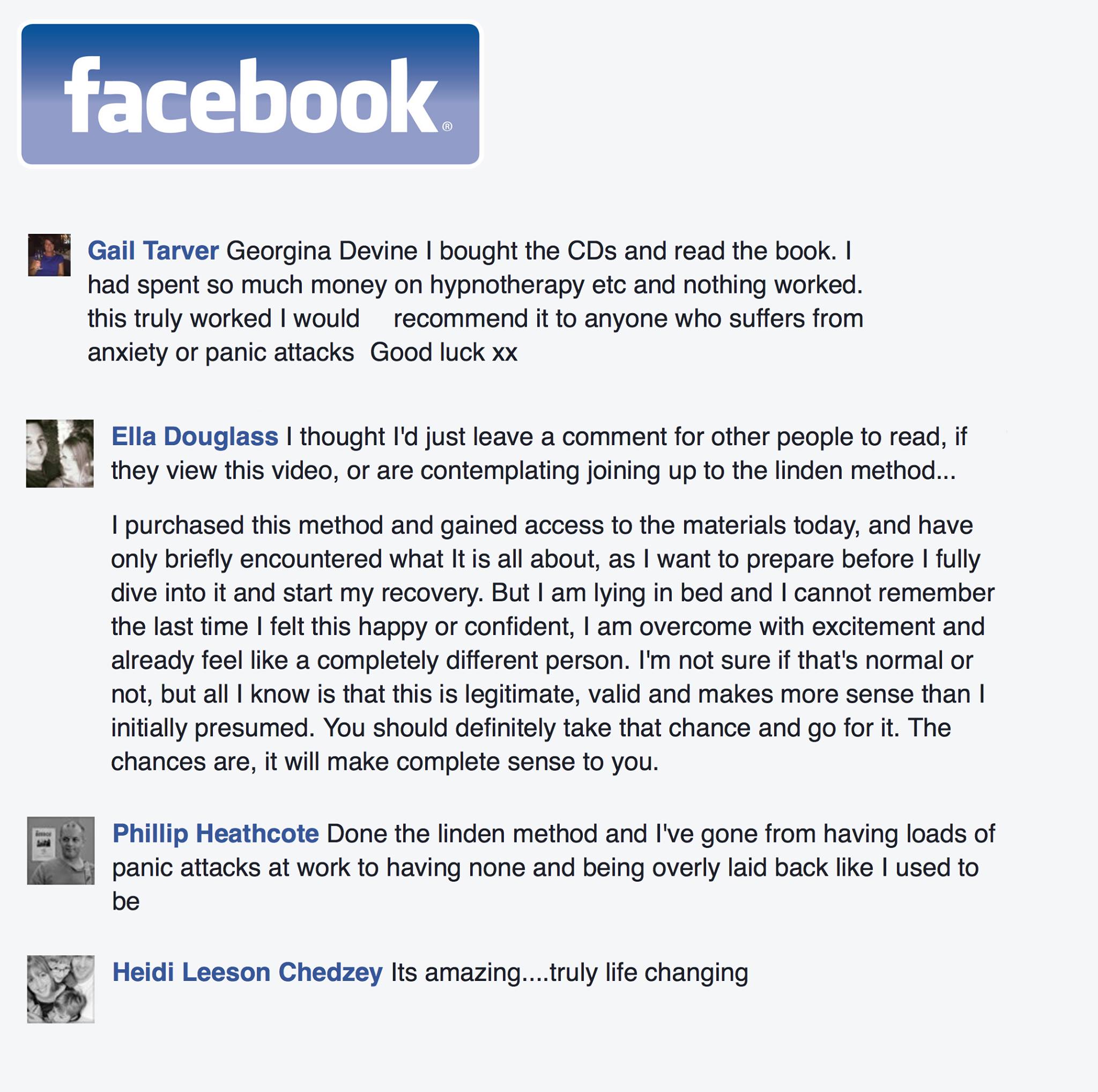
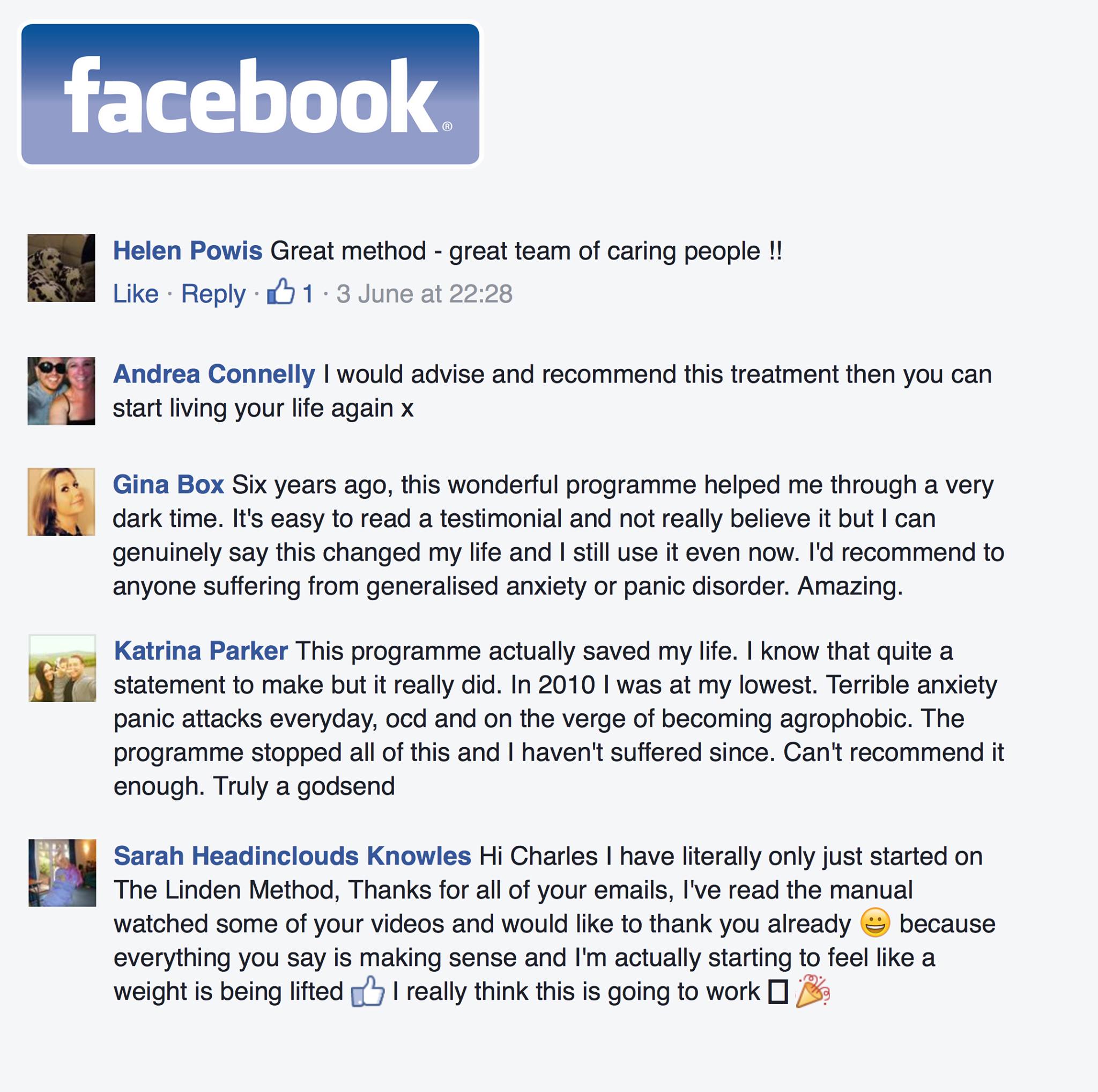
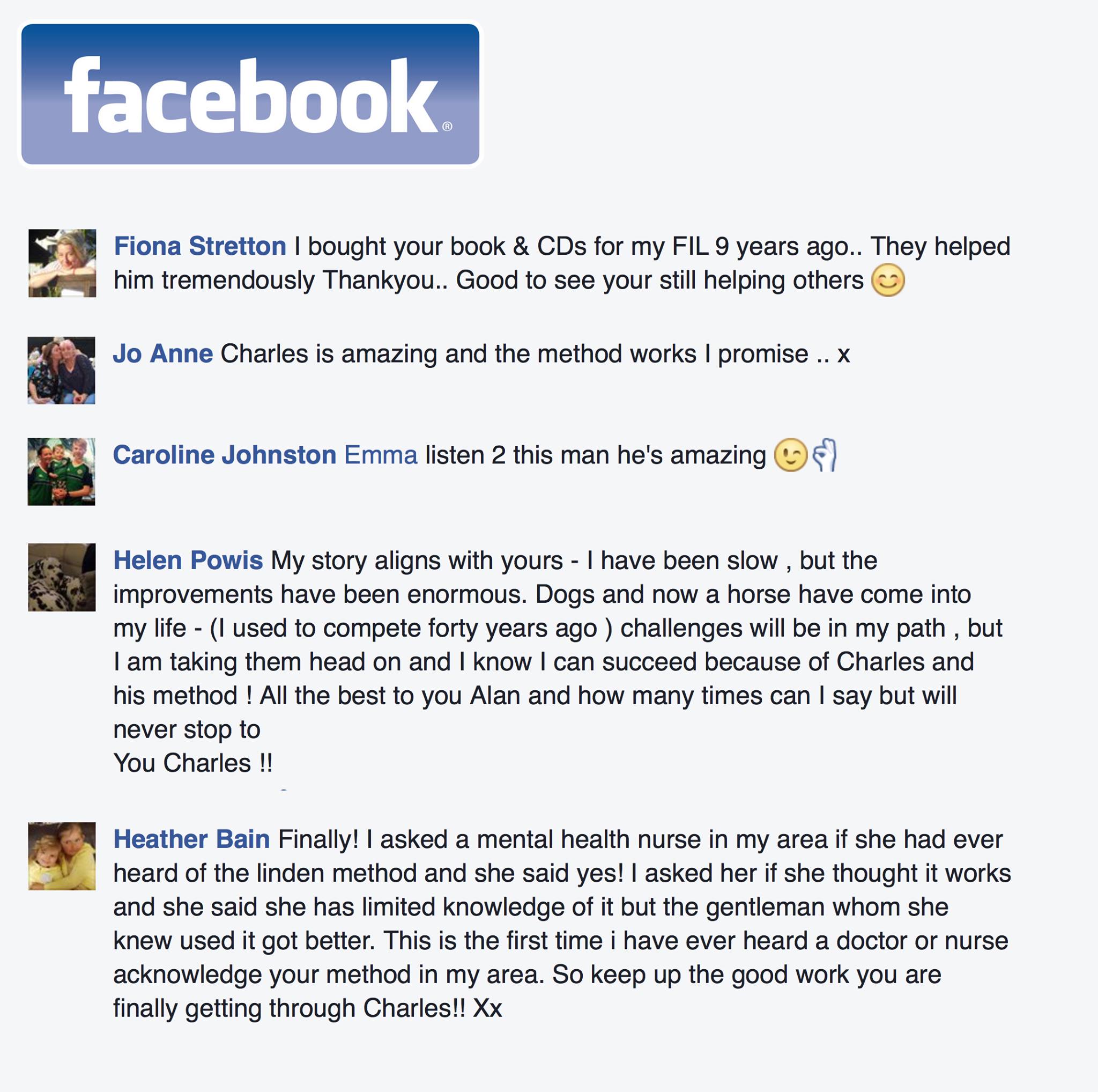
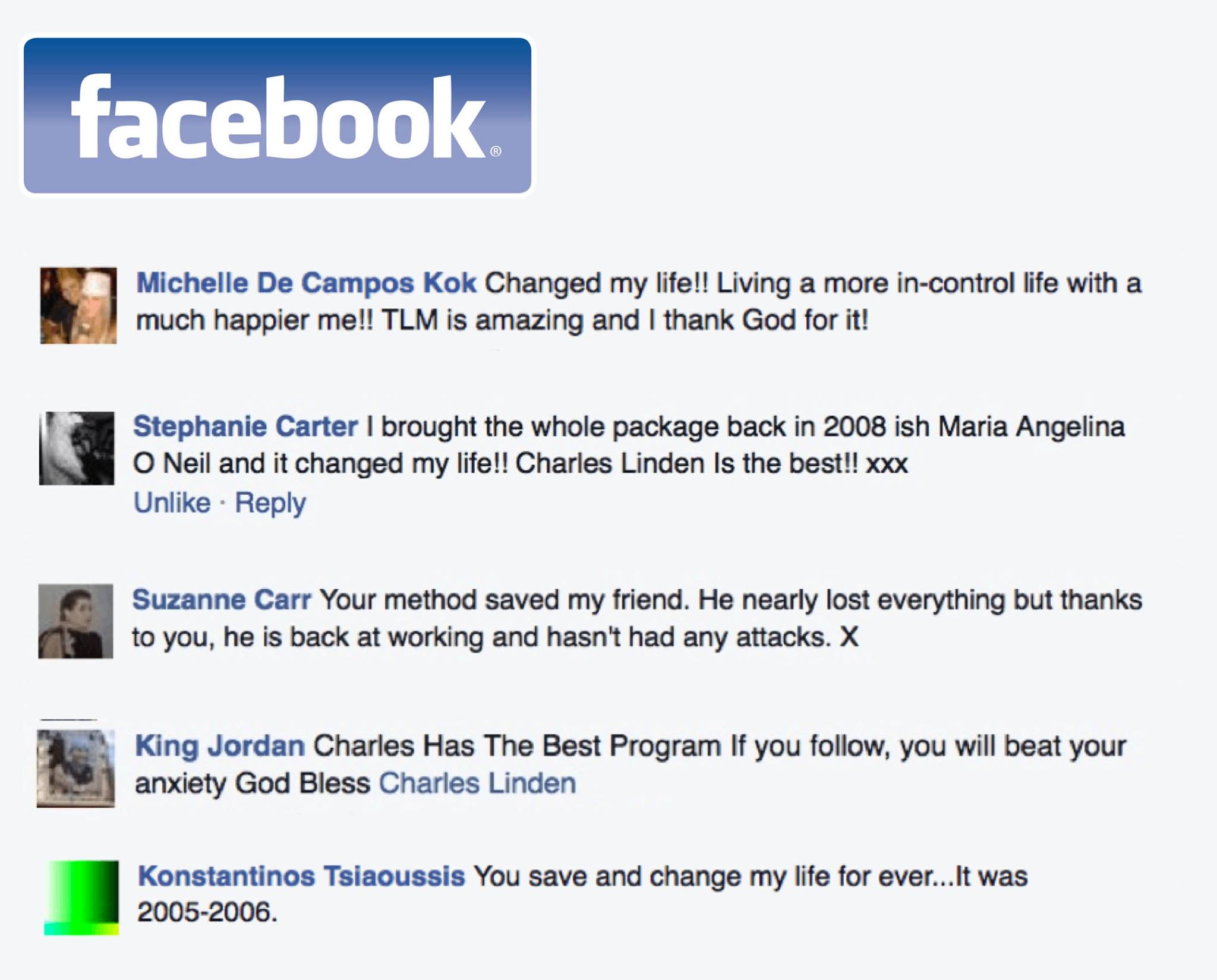
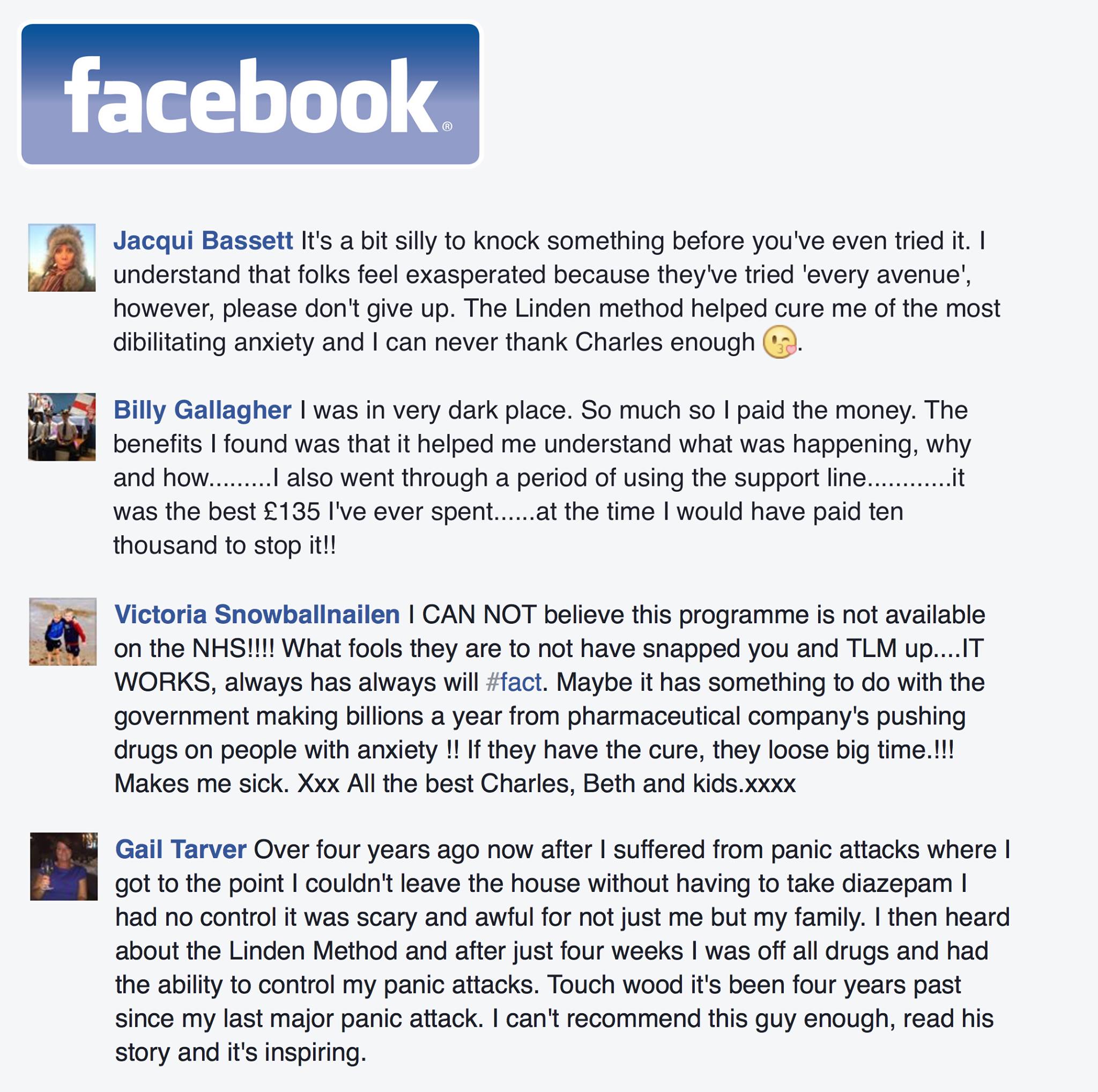
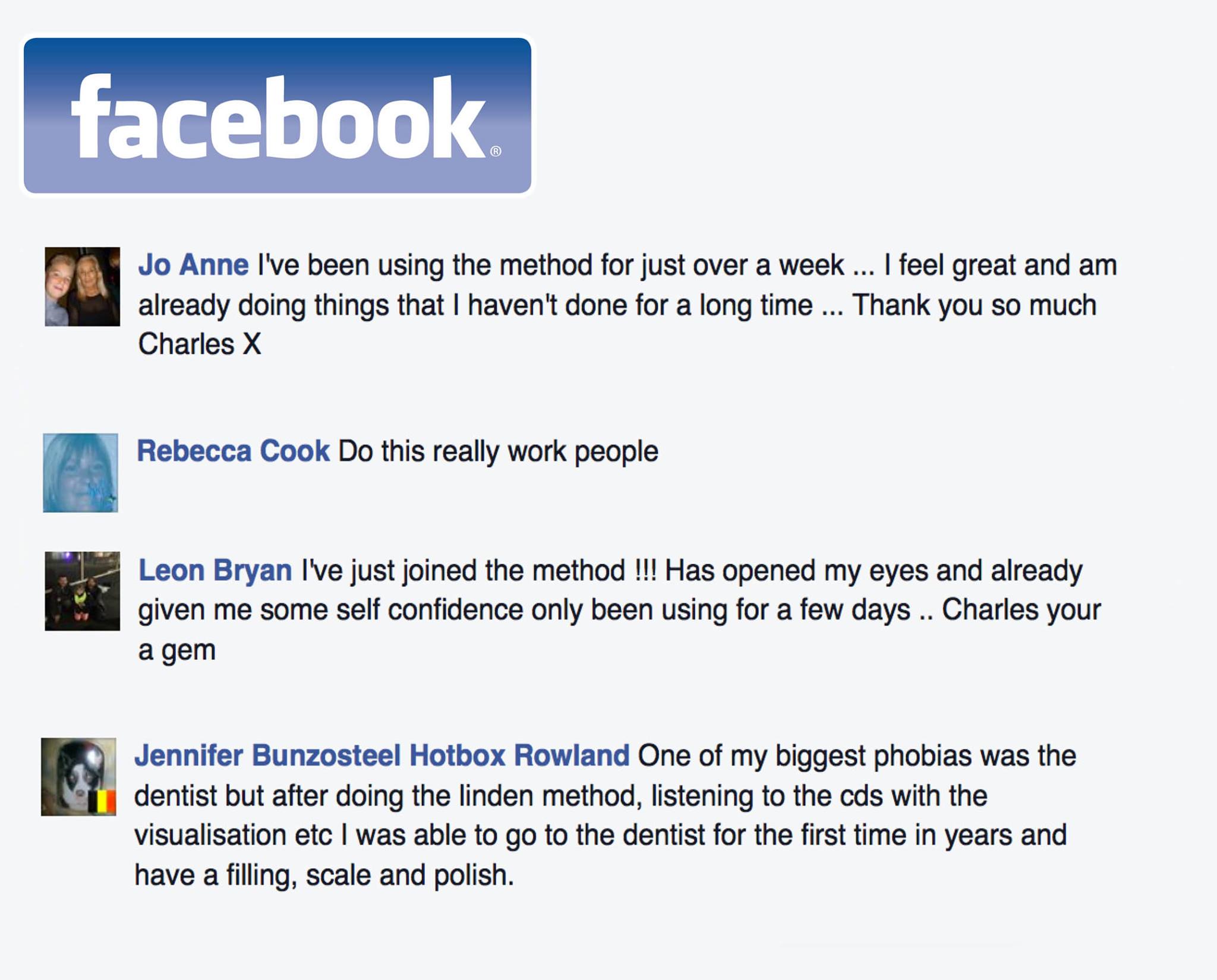
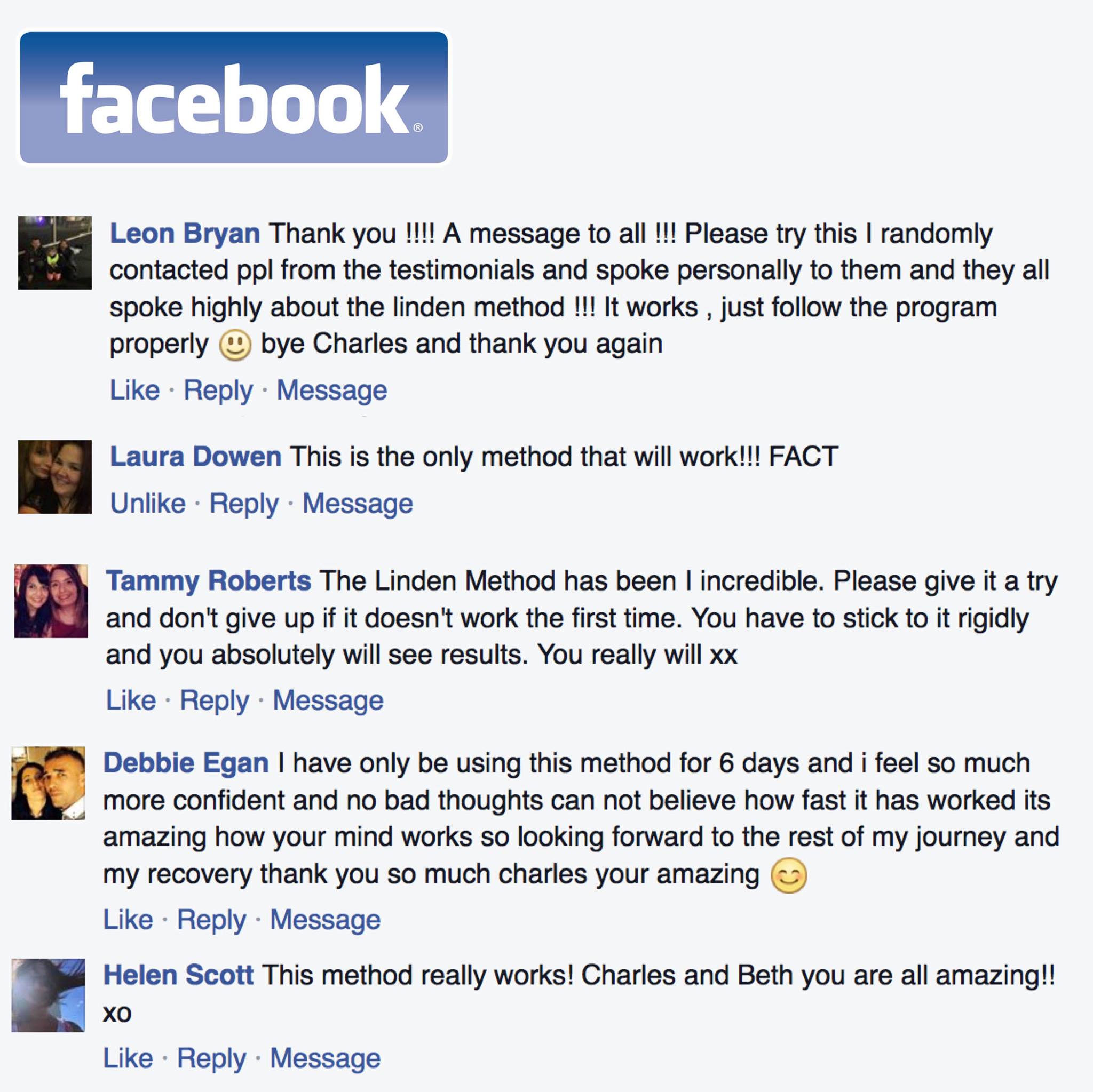
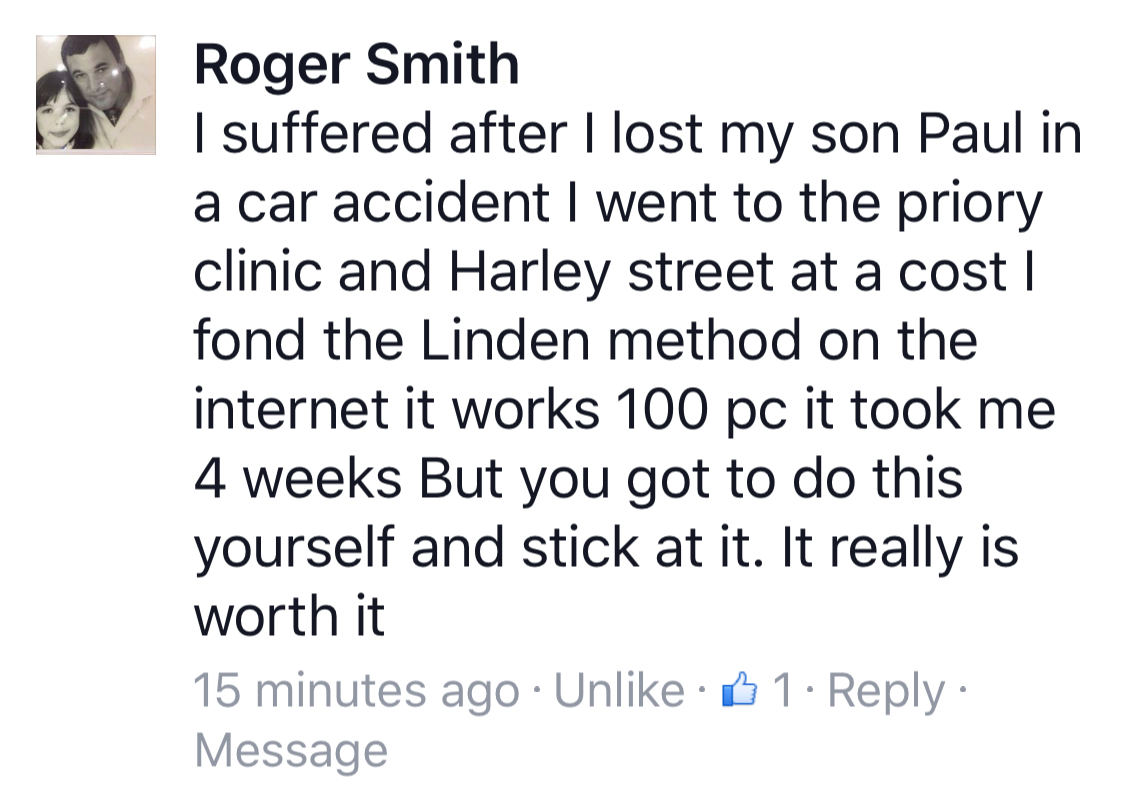
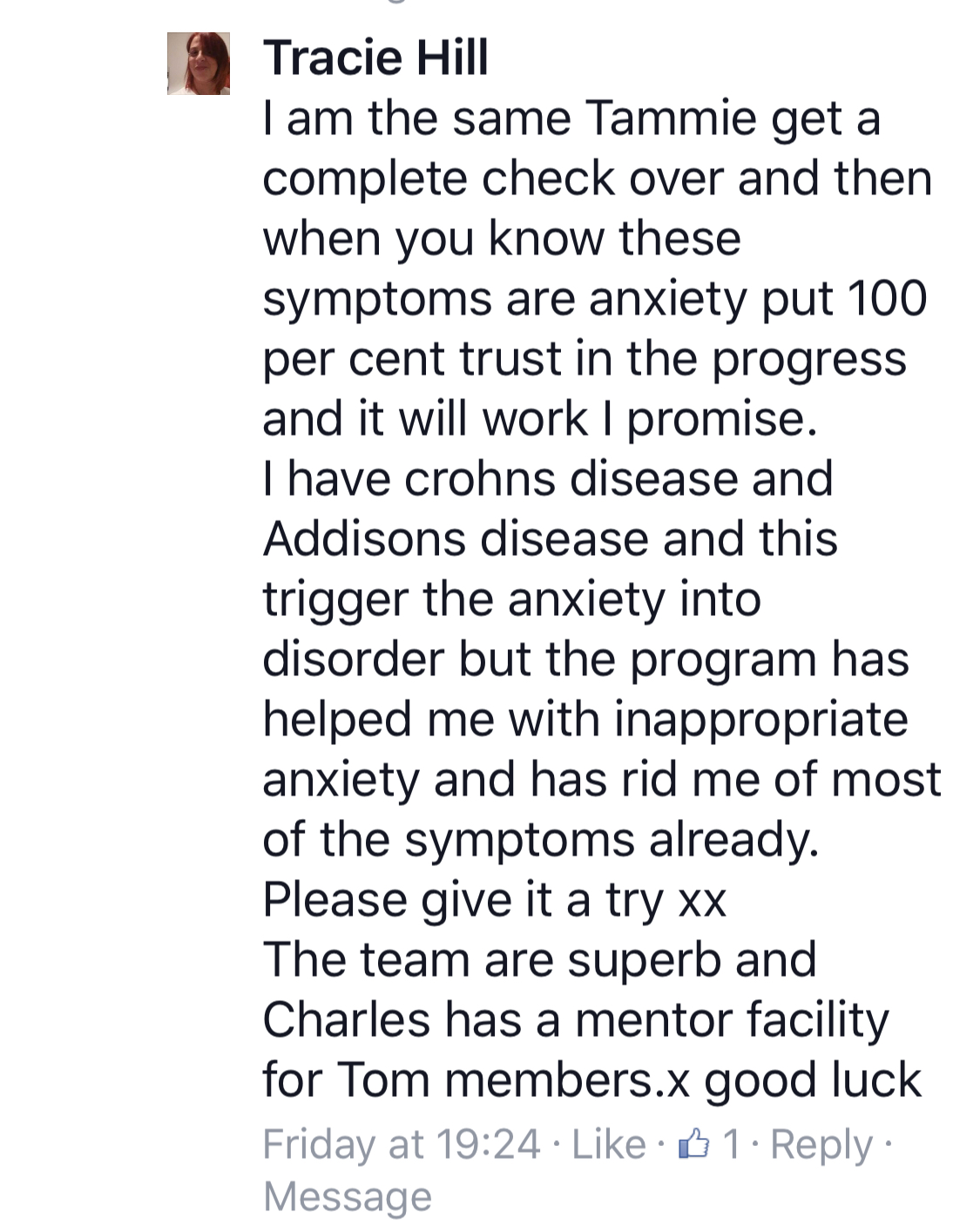
People who have fully recovered through the Linden Method consistently report that the recovery is durable. Subsequent stress, illness, bereavement, and significant life events do not bring the anxiety disorder back. This makes neurological sense: the recovered amygdala has a normal threshold. It responds to genuine threats with appropriate anxiety. It does not respond with the disordered, self-perpetuating fear response of an anxiety disorder. There is no ongoing maintenance required. The recovery is the new baseline.
This is the fundamental difference between recovery and management: management requires effort to sustain and collapses when the effort is removed; recovery is a structural change that requires no effort to maintain because the disorder is no longer present. The goal of the Linden Method is precisely this — not a better toolkit for living with anxiety, but the end of the anxiety disorder itself.
- Normal life stress produces appropriate, proportionate responses — not anxiety disorder symptoms
- Previously avoided places, activities, and situations become accessible without technique or effort
- Sleep quality and baseline physiological arousal return to their pre-disorder level
- The constant mental monitoring for symptoms dissolves naturally as the disorder resolves
- Relationships improve as the burden of managing the disorder is no longer present
The only recovery protocol. Not management.
Stop Managing Anxiety. Remove It Permanently.
CBT teaches coping skills. Medication suppresses symptoms while you take it. The Linden Method targets the biological source directly — the only structured protocol with 650,000 verified full recoveries since 1996. Unlimited coach support included from day one.
Related Condition Pages
For complete anxiety recovery, visit The Linden Method →
Also in The Institute of Applied Psychophysiology Network