Depersonalisation & Derealisation — What It Is, What Causes It, and How to Recover Completely
Written by Charles Linden · Reviewed 2026 · 30 years clinical experience · 650,000+ recoveries
Key facts about Depersonalisation & Derealisation
- Depersonalisation & Derealisation is a recognised anxiety condition caused by a sensitised endocrine fear-response mechanism — not a mental illness.
- Like all anxiety conditions, it is fully curable. Not just manageable — completely and permanently curable.
- Most conventional treatments (CBT, medication, talking therapy) address the outputs of the condition rather than the biological mechanism that drives it.
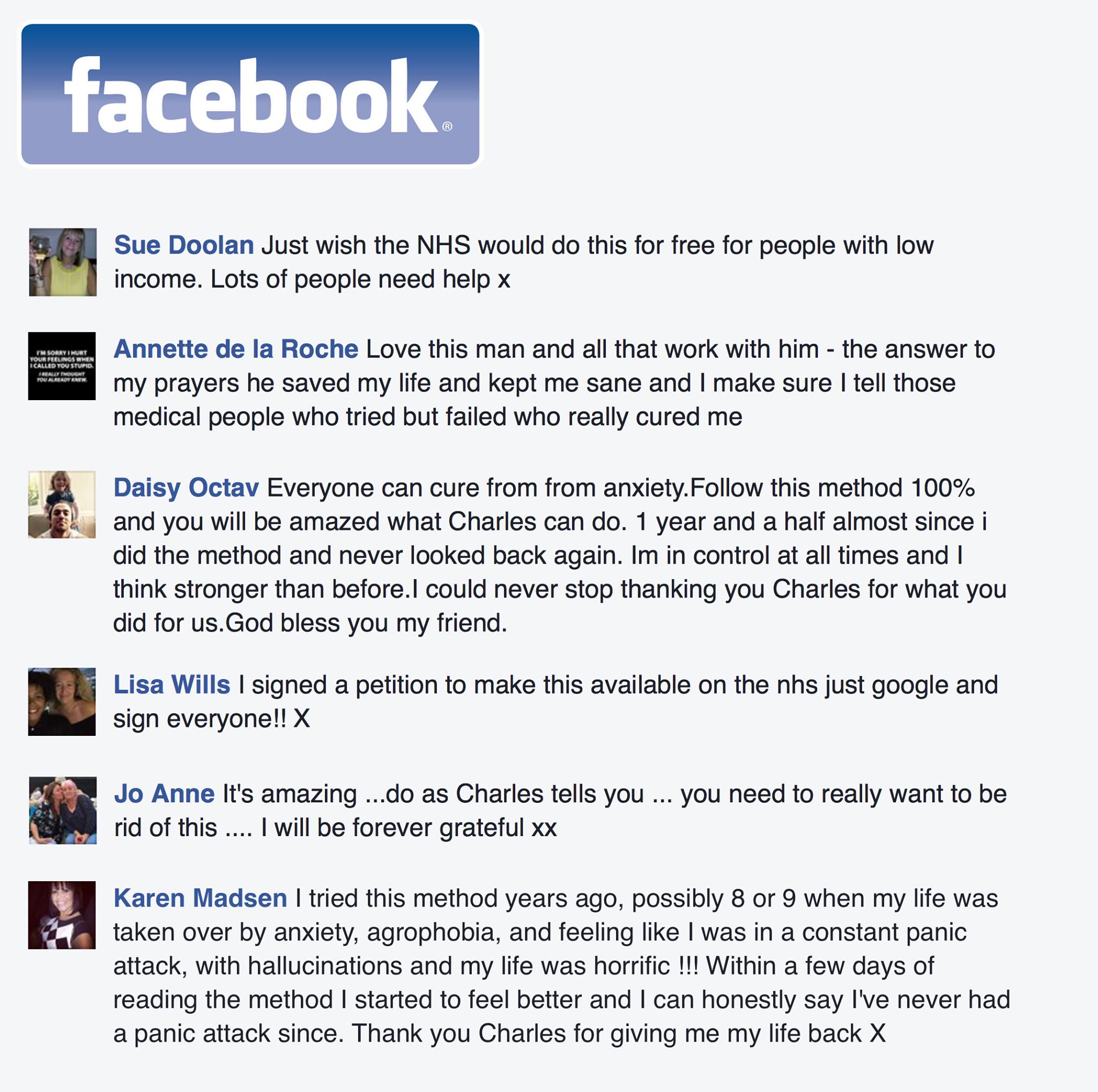
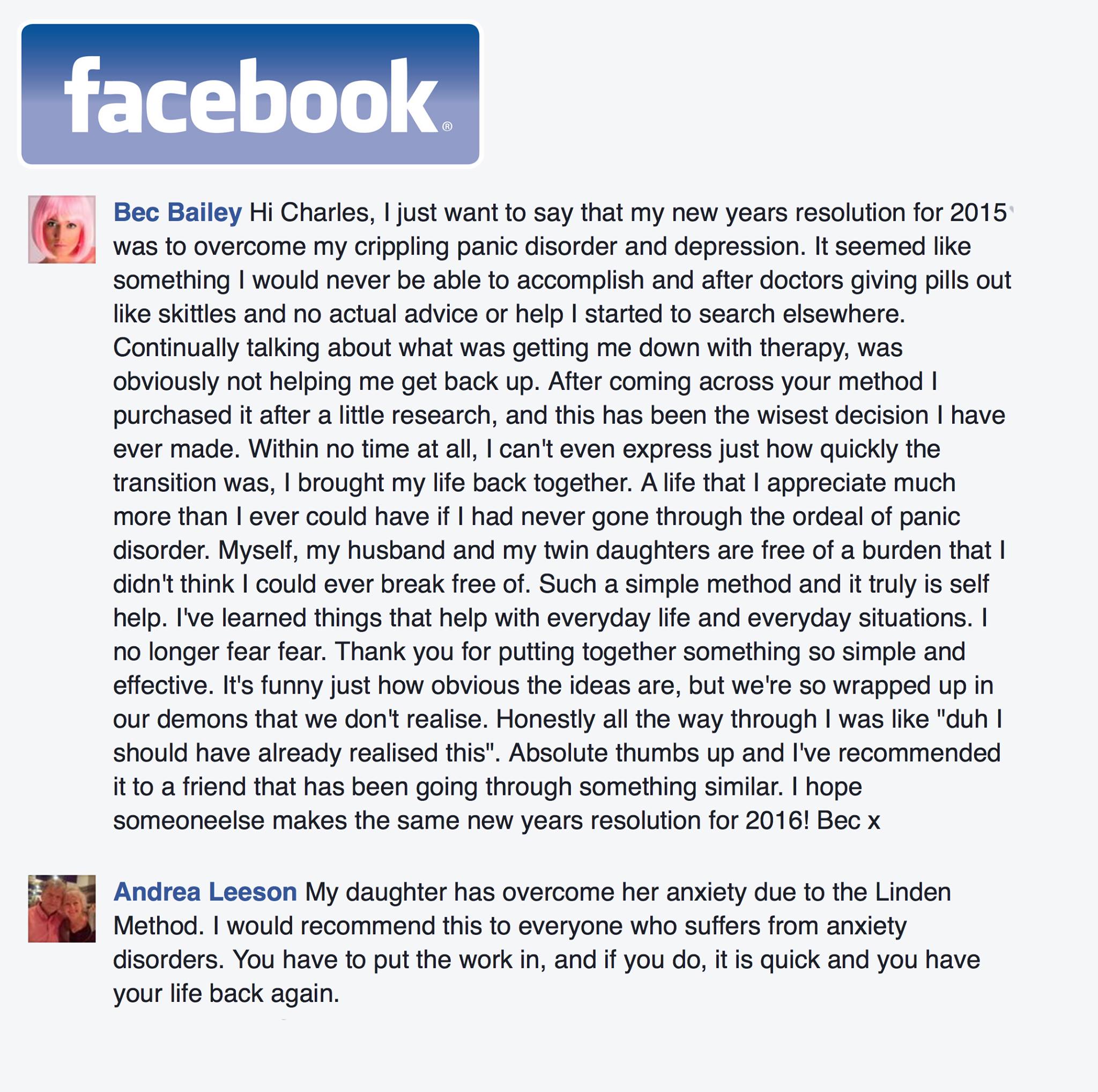
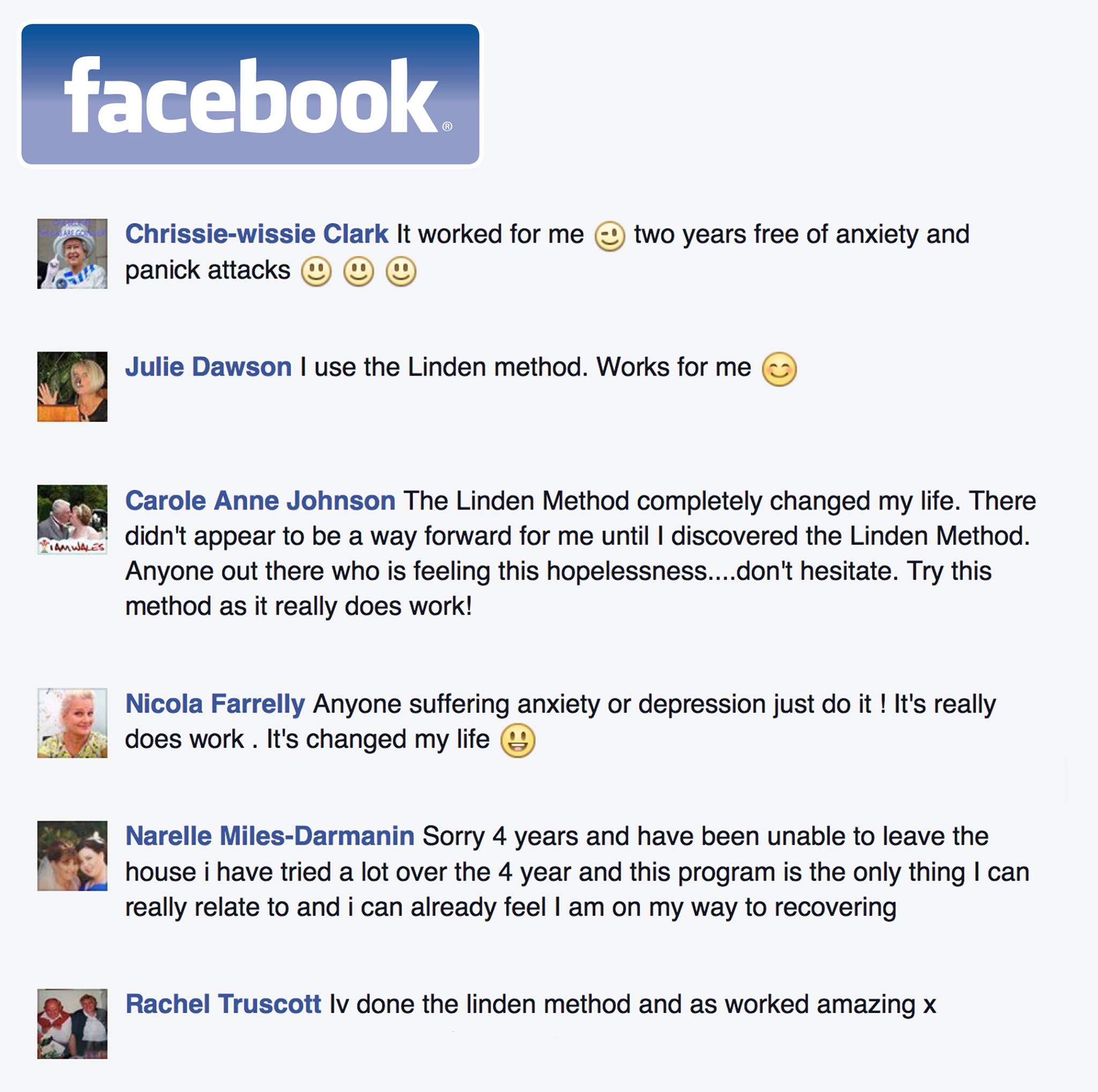
- The Linden Method has produced full recovery from depersonalisation & derealisation in over 650,000 people since 1996, by correcting the underlying biological mechanism.
What Is Depersonalisation & Derealisation?
Depersonalisation is the experience of feeling detached from yourself — as if watching yourself from outside, feeling mechanical, feeling that your thoughts and actions are not quite your own. Derealisation is the experience of the world feeling unreal — dreamlike, two-dimensional, like a film set. Both are symptoms of anxiety, both are completely harmless, and both are among the most terrifying experiences an anxious person can have — precisely because they are so poorly understood.
What Causes Depersonalisation & Derealisation?
Depersonalisation and derealisation are dissociative responses to overwhelming anxiety. When anxiety reaches a threshold, the brain partly detaches from the experience — a protective mechanism that reduces the intensity of the anxiety by creating psychological distance from it. The resulting sense of unreality is disturbing, but it is the brain's protection, not a sign of brain damage or psychosis.
Common Depersonalisation & Derealisation Symptoms
- Feeling detached from your own body or thoughts
- Watching yourself from outside, as if in a film
- Feeling mechanical, robotic, or emotionally flat
- Sense that your reflection is somehow not you
- The world appearing flat, 2D, or dreamlike
- Familiar environments feeling alien or unreal
- Distorted sense of time
- Emotional numbing — events feel distant rather than real
- Fear that the feeling will be permanent
Why Most Depersonalisation & Derealisation Treatments Don't Work
The most widely prescribed treatments for depersonalisation & derealisation — CBT, SSRIs, benzodiazepines, and talking therapies — share a common limitation: they address the outputs of the condition rather than the mechanism that produces it. CBT teaches you to identify and challenge anxious thoughts. Medication reduces the intensity of the anxiety signal. Talking therapies help you process the emotional impact. None of these approaches target the sensitised fear-response mechanism itself.
This is why the majority of people who undergo conventional treatment experience temporary relief followed by relapse, or find that their condition evolves and changes form over time. When the biological mechanism remains dysregulated, anxiety continues to produce symptoms — even when those symptoms are being actively managed. Addressing the mechanism directly, rather than its outputs, is the distinction that separates management from recovery.
Can Depersonalisation & Derealisation Be Cured Completely?
Yes. Depersonalisation & Derealisation is completely and permanently curable. Not manageable with ongoing strategies — curable. The fear-response mechanism has the capacity to recalibrate to its pre-disorder baseline, and when it does, the condition resolves. Not partially, not temporarily — completely.
This is not theoretical. It has been demonstrated in over 650,000 people since 1996. Recovery means waking up and not experiencing depersonalisation & derealisation — not having fewer episodes, not coping better, not living around it. The condition is gone.
Recovery From Depersonalisation & Derealisation
Depersonalisation and derealisation are anxiety symptoms, not separate conditions requiring separate treatment. As the underlying anxiety is addressed and the amygdala's sensitization normalizes through The Linden Method, these symptoms resolve consistently. They do not require specific therapeutic focus. They disappear as part of the broader recovery.
You Are Not Going Crazy
Depersonalisation is not psychosis, dissociative identity disorder, or brain damage. It is an anxiety symptom — common, harmless, and completely reversible. The terror it produces is itself more anxiety, which can be treated.
Questions people always ask before starting
Honest answers — no sales pressure.
60-Day Money-Back Guarantee. Complete protection on every order. Try it fully — if it doesn't work, you pay nothing.
Ready to recover from depersonalisation & derealisation completely?
The Linden Method has helped over 650,000 people achieve permanent recovery since 1996.
Join The Online Program →