Postpartum Anxiety — What It Is, What Causes It, and How to Recover Completely
Written by Charles Linden · Reviewed 2026 · 30 years clinical experience · 650,000+ recoveries
Key facts about Postpartum Anxiety
- Postpartum Anxiety is a recognised anxiety condition caused by a sensitised endocrine fear-response mechanism — not a mental illness.
- Like all anxiety conditions, it is fully curable. Not just manageable — completely and permanently curable.
- Most conventional treatments (CBT, medication, talking therapy) address the outputs of the condition rather than the biological mechanism that drives it.
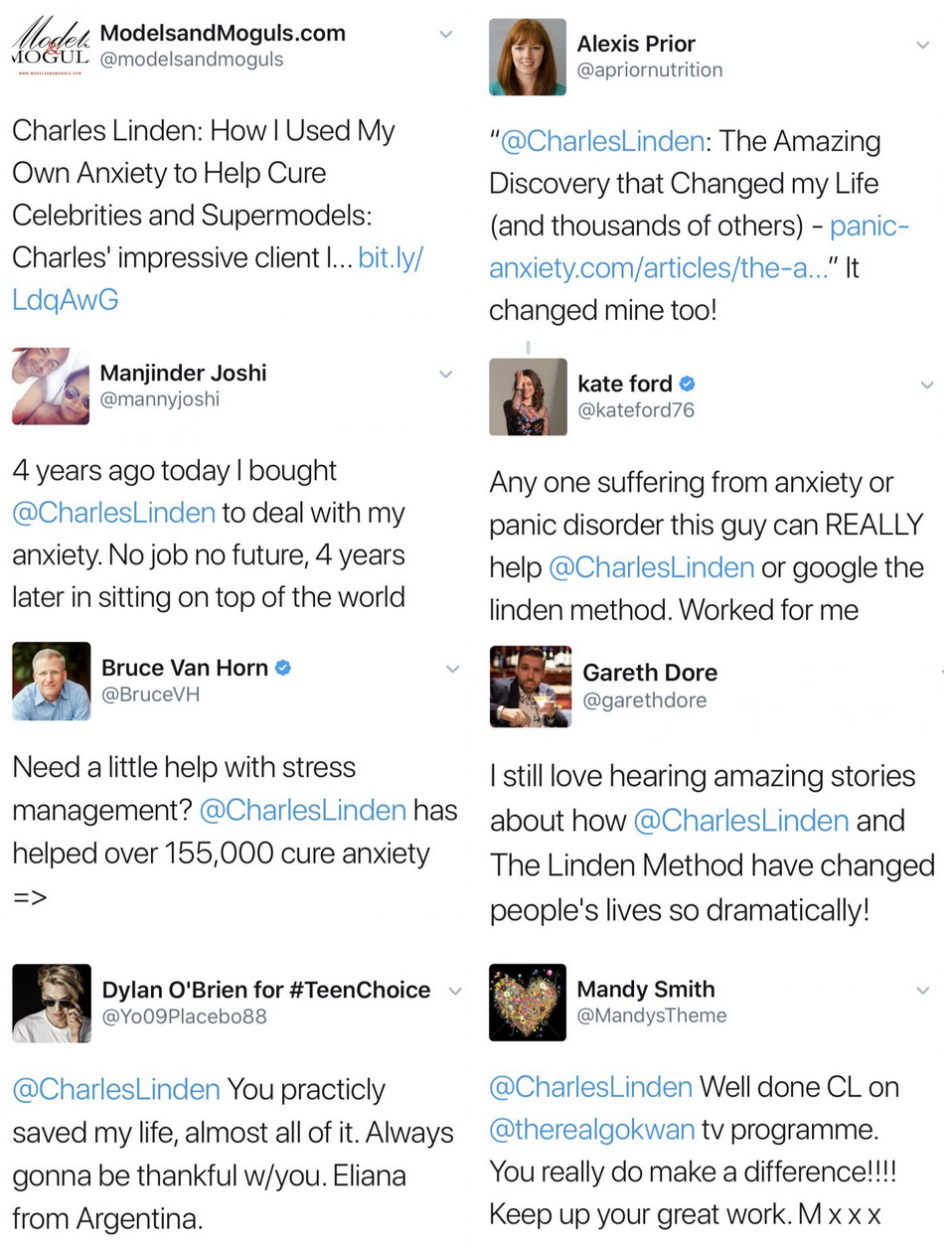
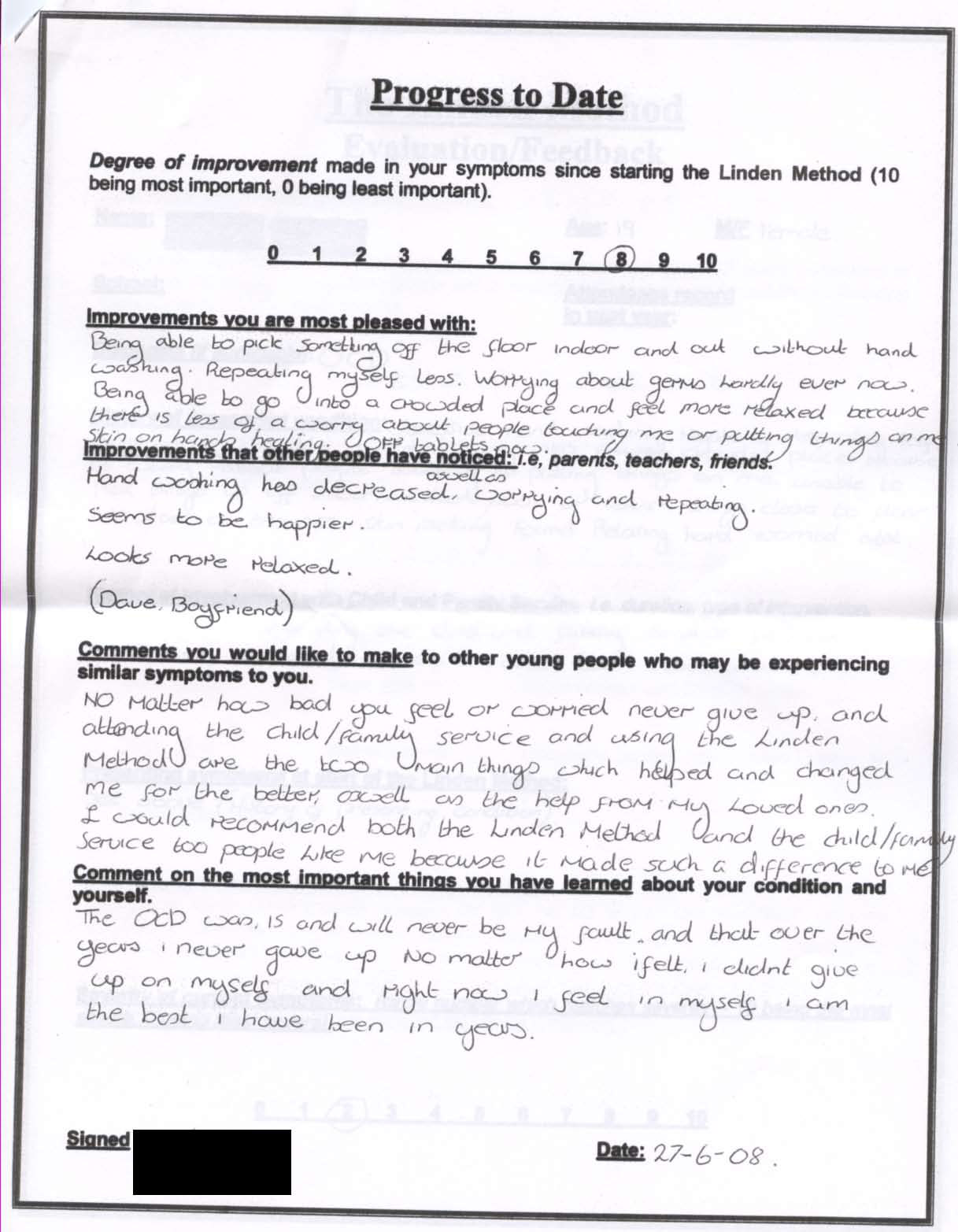
- The Linden Method has produced full recovery from postpartum anxiety in over 650,000 people since 1996, by correcting the underlying biological mechanism.
What Is Postpartum Anxiety?
Postpartum anxiety (PPA) is the most common perinatal mental health complication, affecting approximately 15-20% of new mothers — more than postpartum depression. Despite this prevalence, it remains under-discussed and under-diagnosed. Many women experiencing PPA are told — and believe — that what they're experiencing is simply the anxiety of new parenthood. It isn't. Postpartum anxiety is a recognisable condition, distinct from normal parental worry, and it responds rapidly to effective treatment.
What Causes Postpartum Anxiety?
The dramatic hormonal changes of the postpartum period — particularly the rapid drop in estrogen and progesterone following delivery — affect the regulation of the brain's stress-response systems. In some women, this creates conditions for amygdala sensitization, producing the hypervigilant, catastrophizing state characteristic of anxiety disorders. Sleep deprivation, physical recovery, and the psychological weight of new responsibility compound this neurological vulnerability.
Common Postpartum Anxiety Symptoms
- Constant, excessive worry about the baby's health and safety
- Racing thoughts that cannot quiet even when the baby sleeps
- Inability to sleep despite exhaustion
- Intrusive thoughts about harm coming to the baby
- Physical tension, rapid heartbeat, trembling
- Persistent feeling that something terrible is about to happen
- Compulsive need to check on the baby
- Difficulty being away from the baby for any period
- Hypervigilance — inability to relax
Why Most Postpartum Anxiety Treatments Don't Work
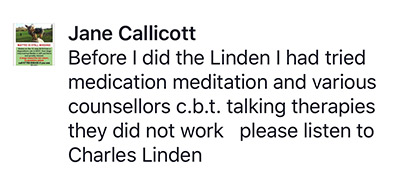
The most widely prescribed treatments for postpartum anxiety — CBT, SSRIs, benzodiazepines, and talking therapies — share a common limitation: they address the outputs of the condition rather than the mechanism that produces it. CBT teaches you to identify and challenge anxious thoughts. Medication reduces the intensity of the anxiety signal. Talking therapies help you process the emotional impact. None of these approaches target the sensitised fear-response mechanism itself.
This is why the majority of people who undergo conventional treatment experience temporary relief followed by relapse, or find that their condition evolves and changes form over time. When the biological mechanism remains dysregulated, anxiety continues to produce symptoms — even when those symptoms are being actively managed. Addressing the mechanism directly, rather than its outputs, is the distinction that separates management from recovery.
Can Postpartum Anxiety Be Cured Completely?
Yes. Postpartum Anxiety is completely and permanently curable. Not manageable with ongoing strategies — curable. The fear-response mechanism has the capacity to recalibrate to its pre-disorder baseline, and when it does, the condition resolves. Not partially, not temporarily — completely.
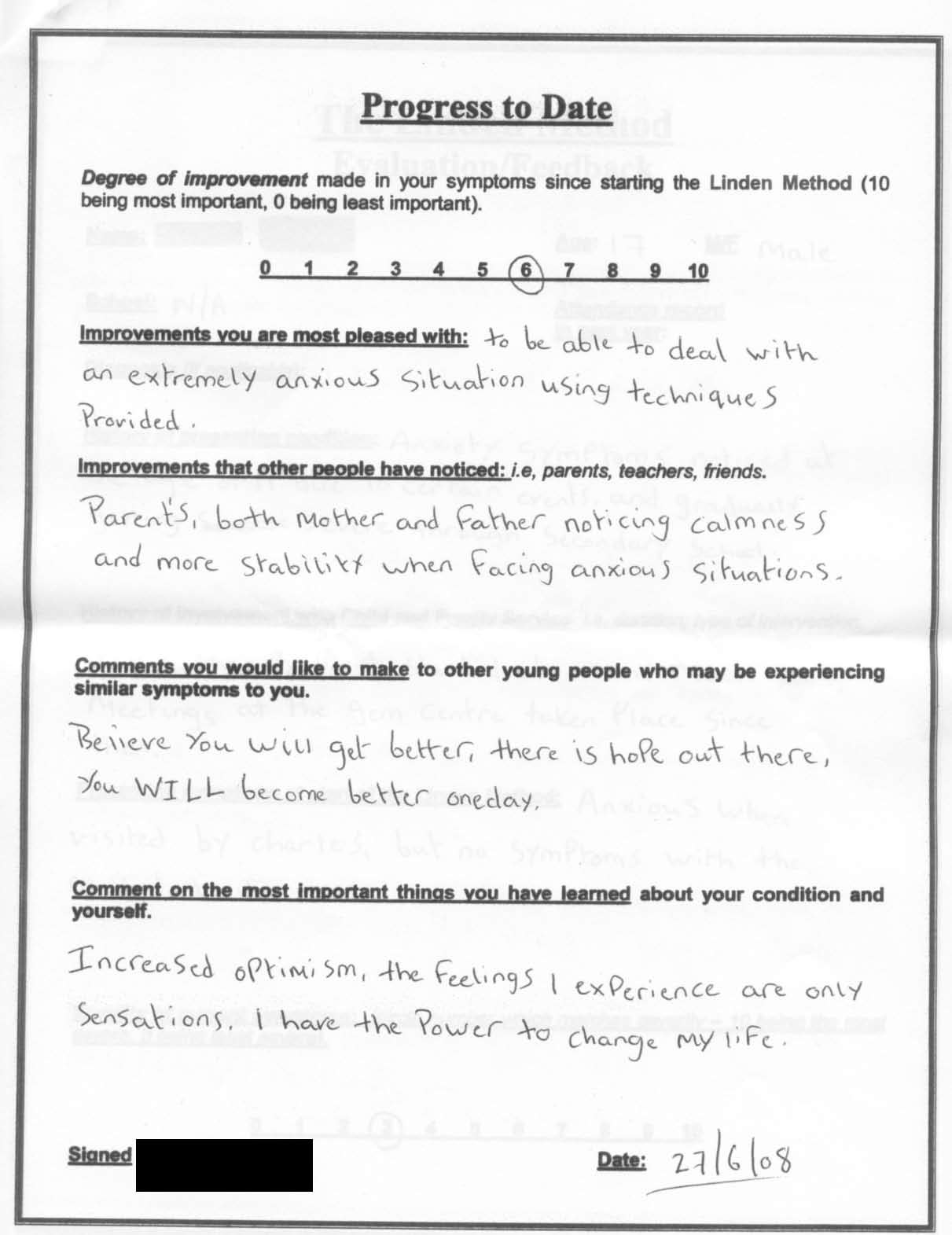
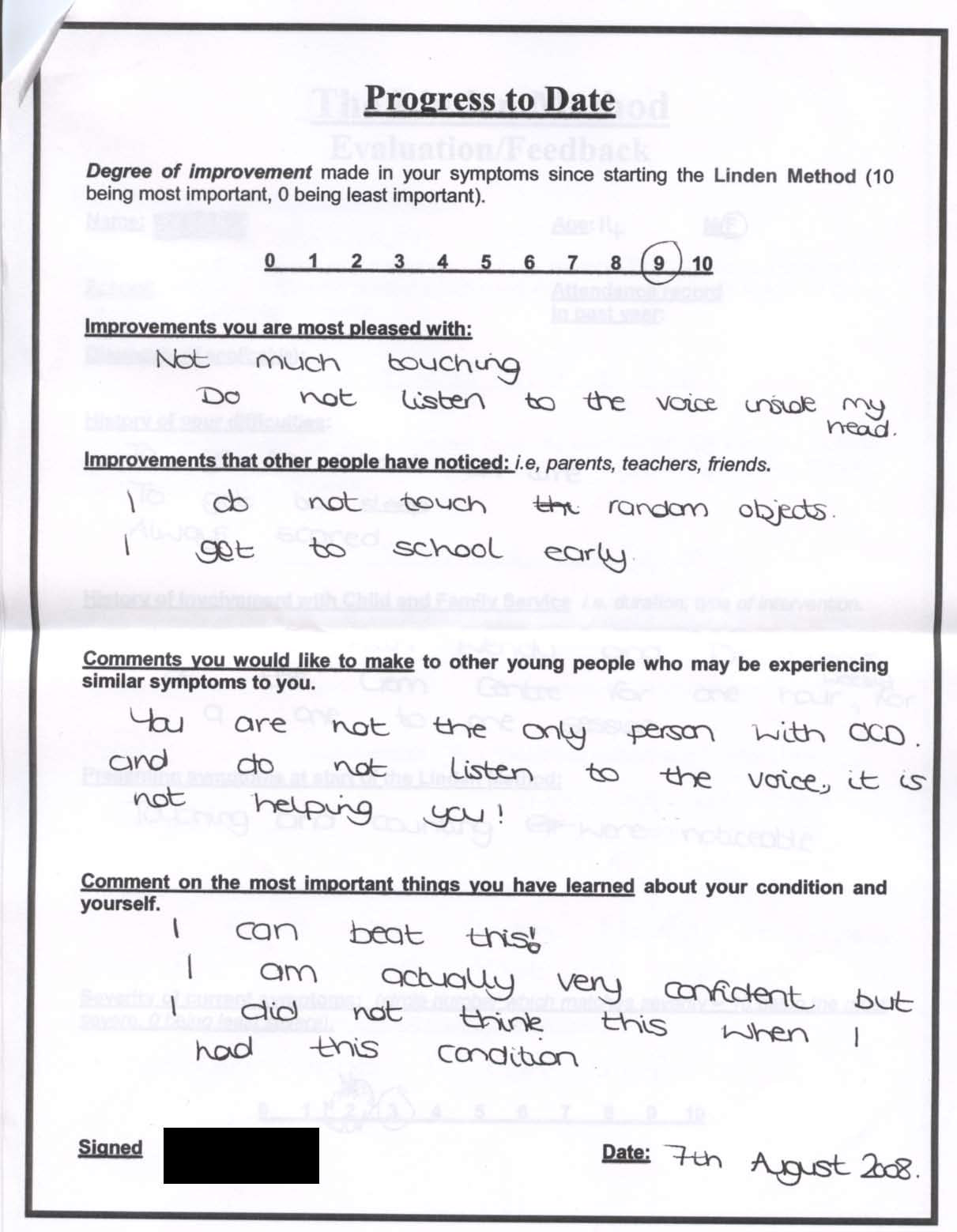
This is not theoretical. It has been demonstrated in over 650,000 people since 1996. Recovery means waking up and not experiencing postpartum anxiety — not having fewer episodes, not coping better, not living around it. The condition is gone.
Recovery From Postpartum Anxiety
Postpartum anxiety responds rapidly to effective treatment. The Linden Method is compatible with breastfeeding, does not require medication, and can be completed at home — important considerations for new mothers. Recovery typically progresses within weeks, with many clients reporting significant improvement before completing the full protocol. Treating PPA promptly is important both for the mother and for the infant's wellbeing and development.
You Don't Have to Wait
Postpartum anxiety often does not resolve on its own. The sooner effective treatment begins, the faster recovery occurs — and the more of your baby's early months you experience without anxiety.
Questions people always ask before starting
Honest answers — no sales pressure.
60-Day Money-Back Guarantee. Complete protection on every order. Try it fully — if it doesn't work, you pay nothing.
Ready to recover from postpartum anxiety completely?
The Linden Method has helped over 650,000 people achieve permanent recovery since 1996.
Join The Online Program →