Social Anxiety — What It Is, What Causes It, and How to Recover Completely
Written by Charles Linden · Reviewed 2026 · 30 years clinical experience · 650,000+ recoveries
Key facts about Social Anxiety
- Social Anxiety is a recognised anxiety condition caused by a sensitised endocrine fear-response mechanism — not a mental illness.
- Like all anxiety conditions, it is fully curable. Not just manageable — completely and permanently curable.
- Most conventional treatments (CBT, medication, talking therapy) address the outputs of the condition rather than the biological mechanism that drives it.
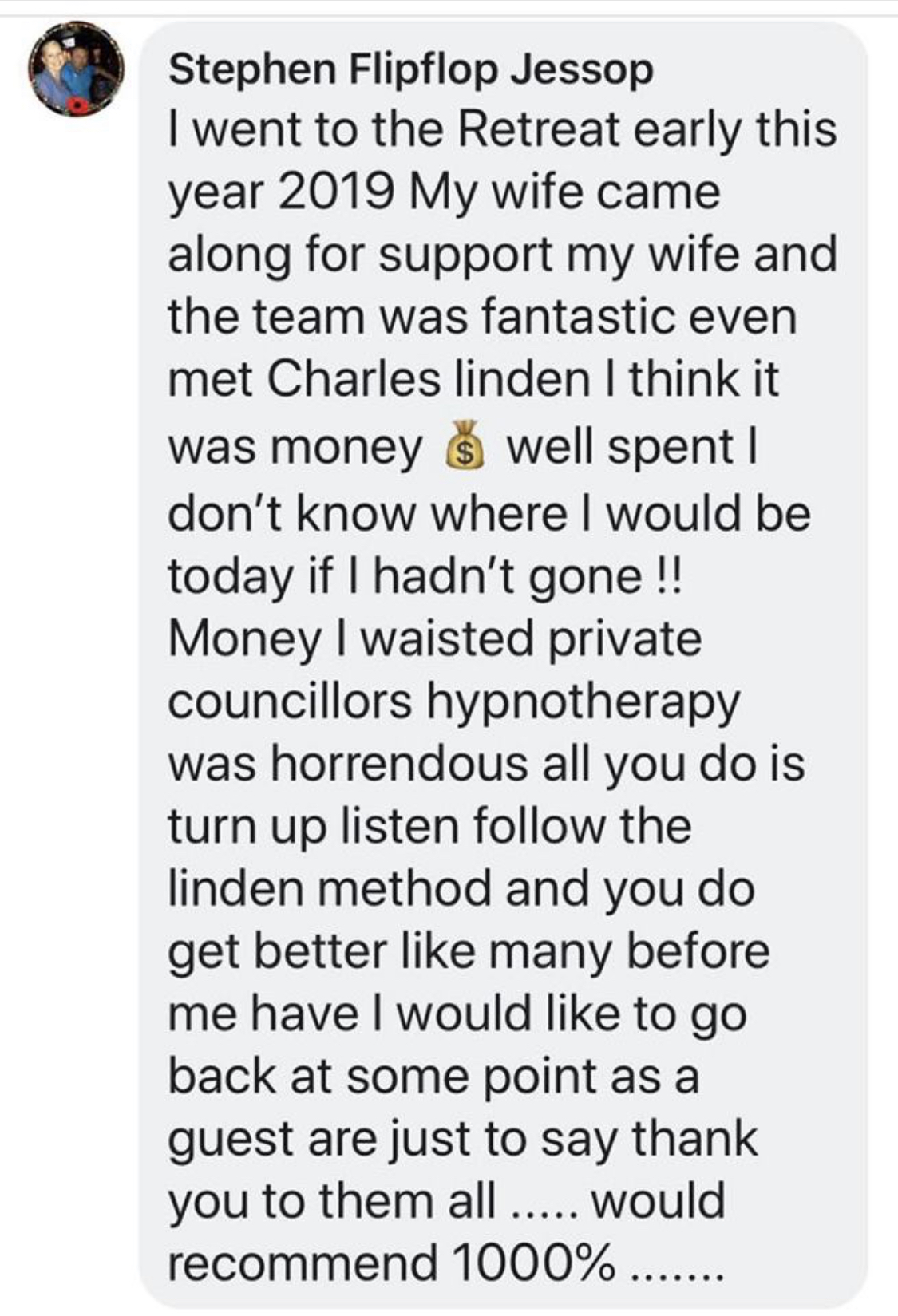
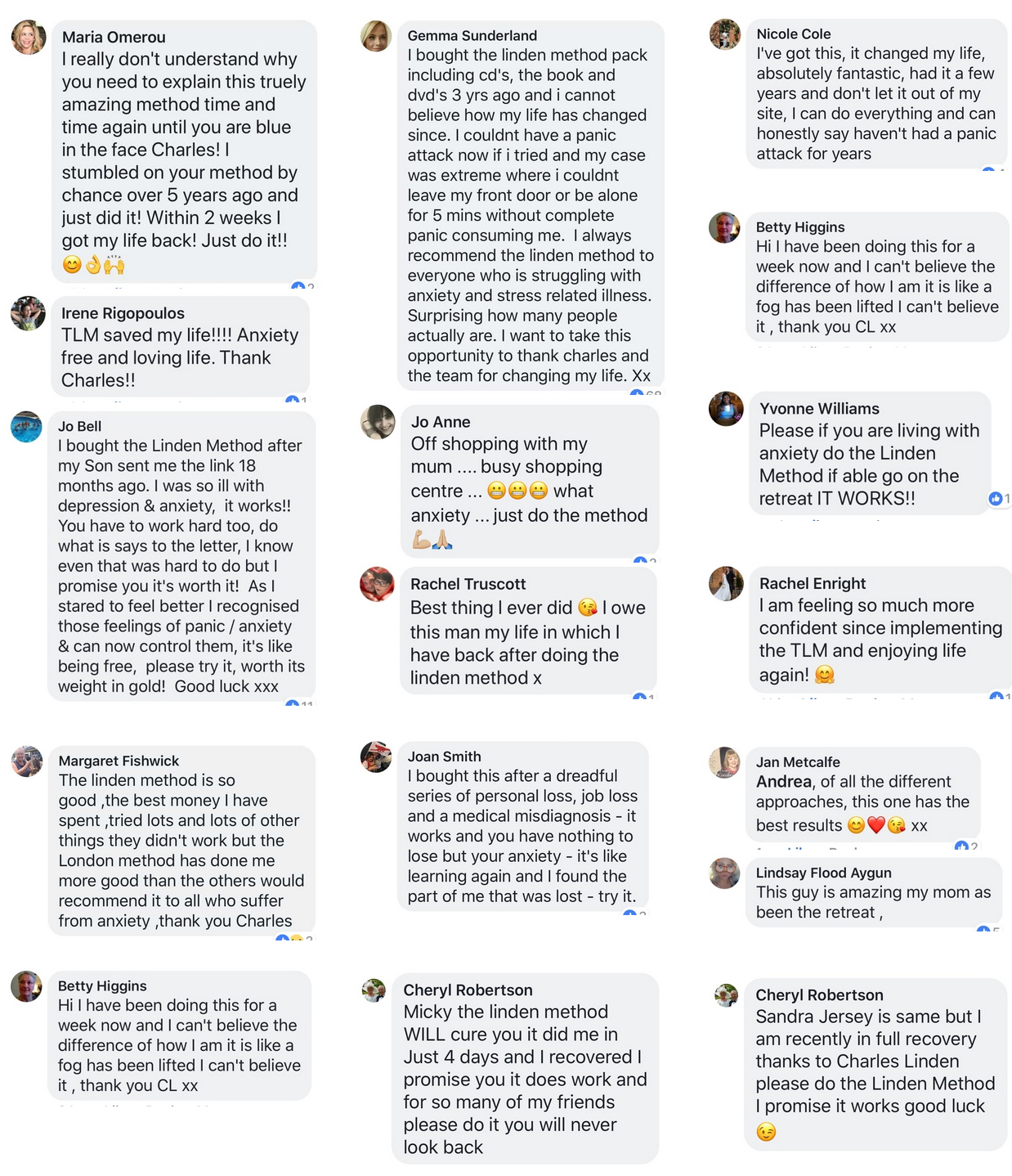
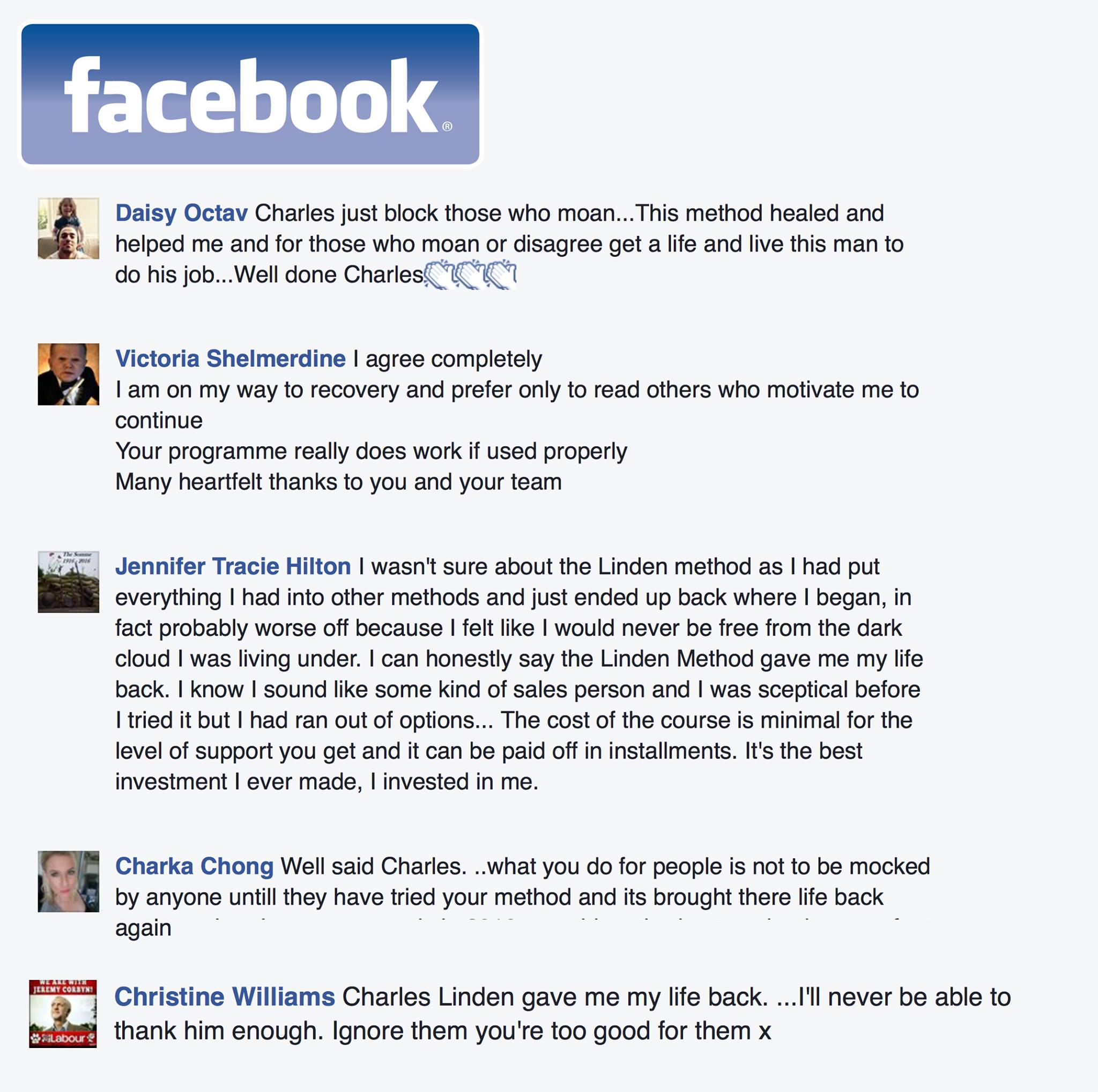
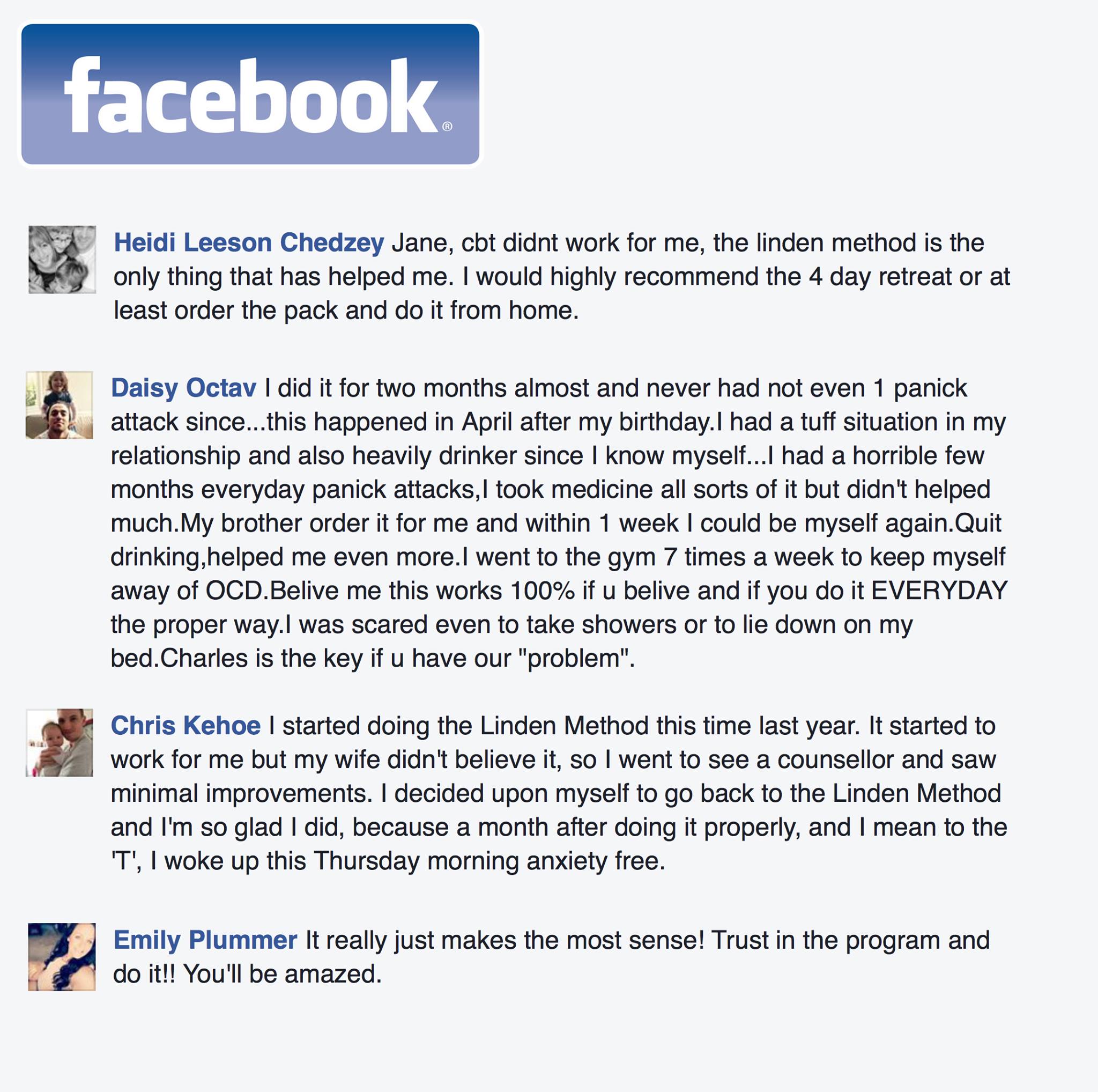
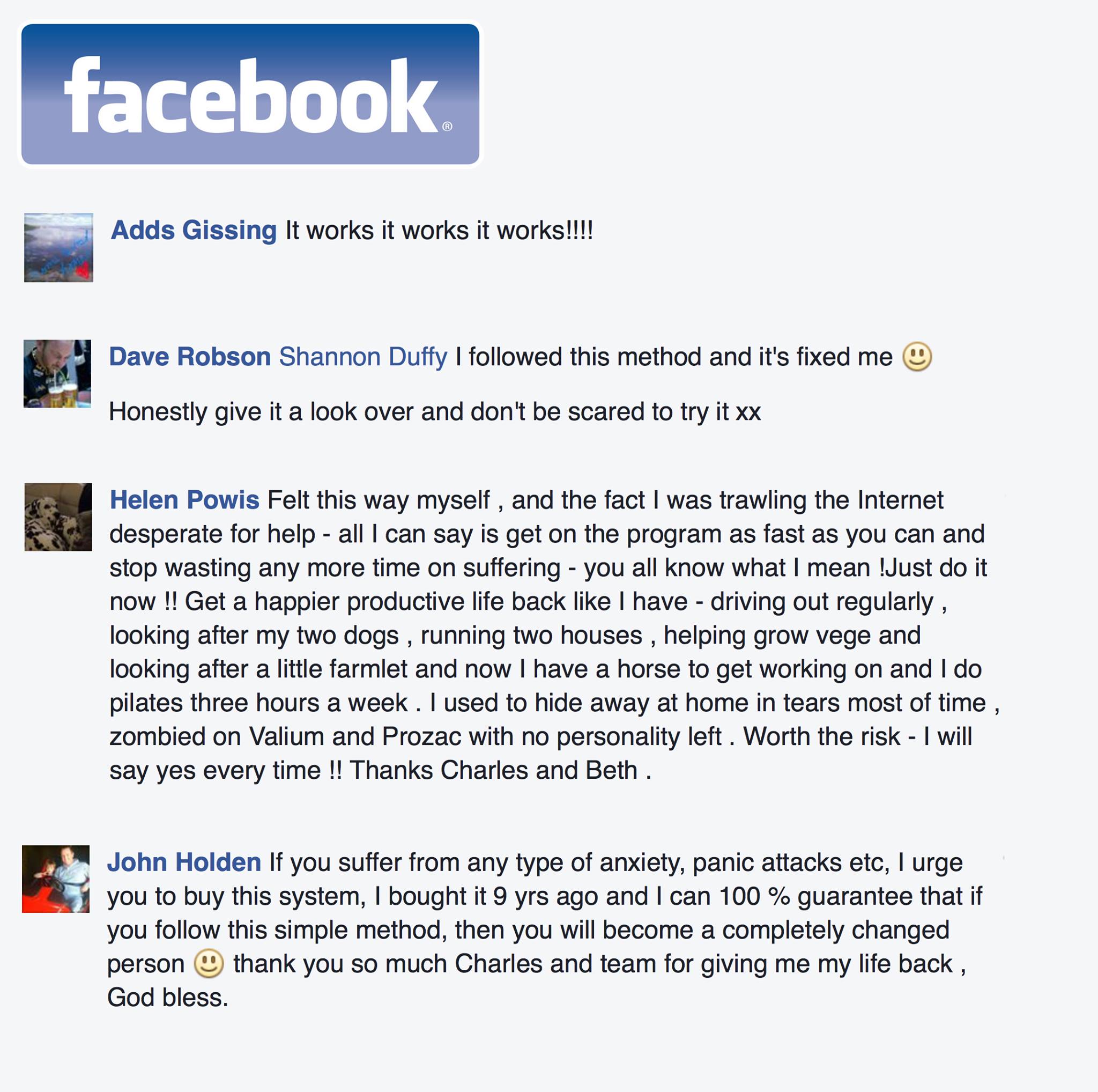
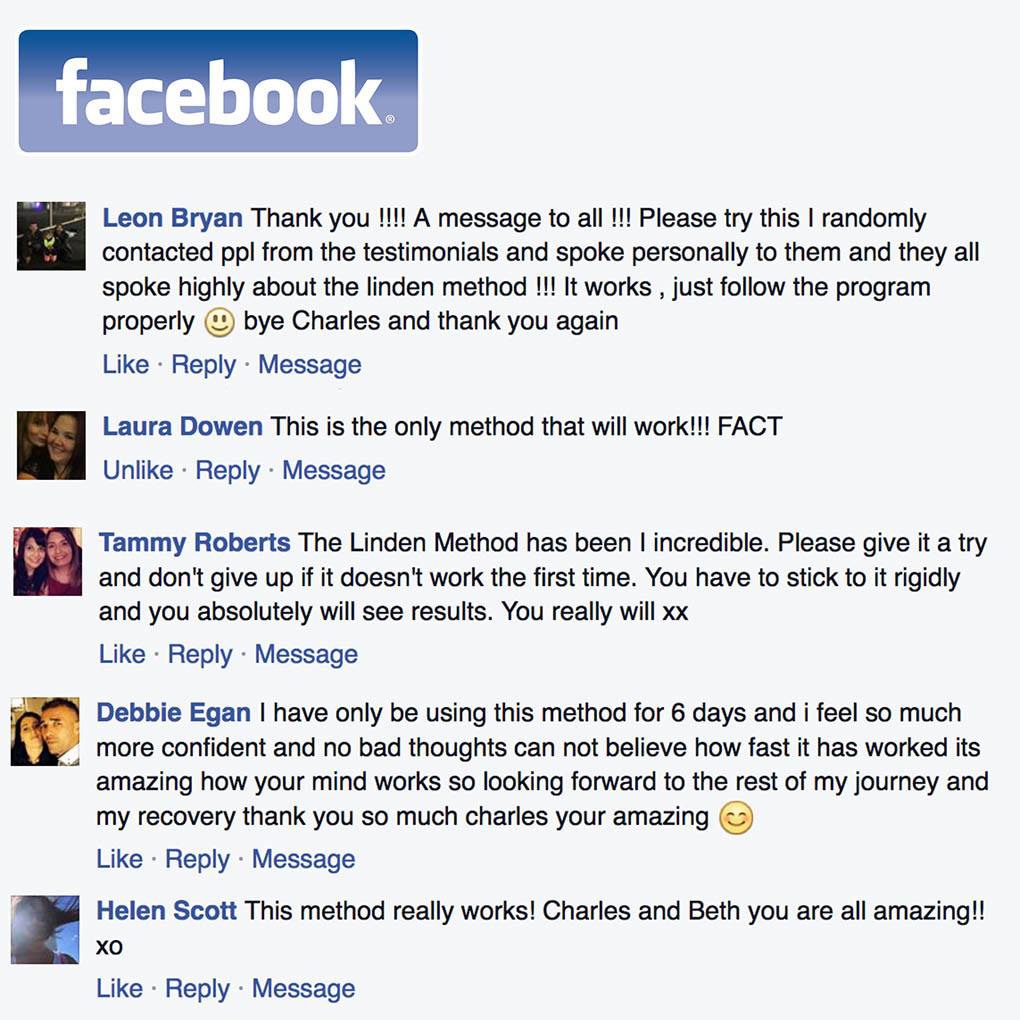
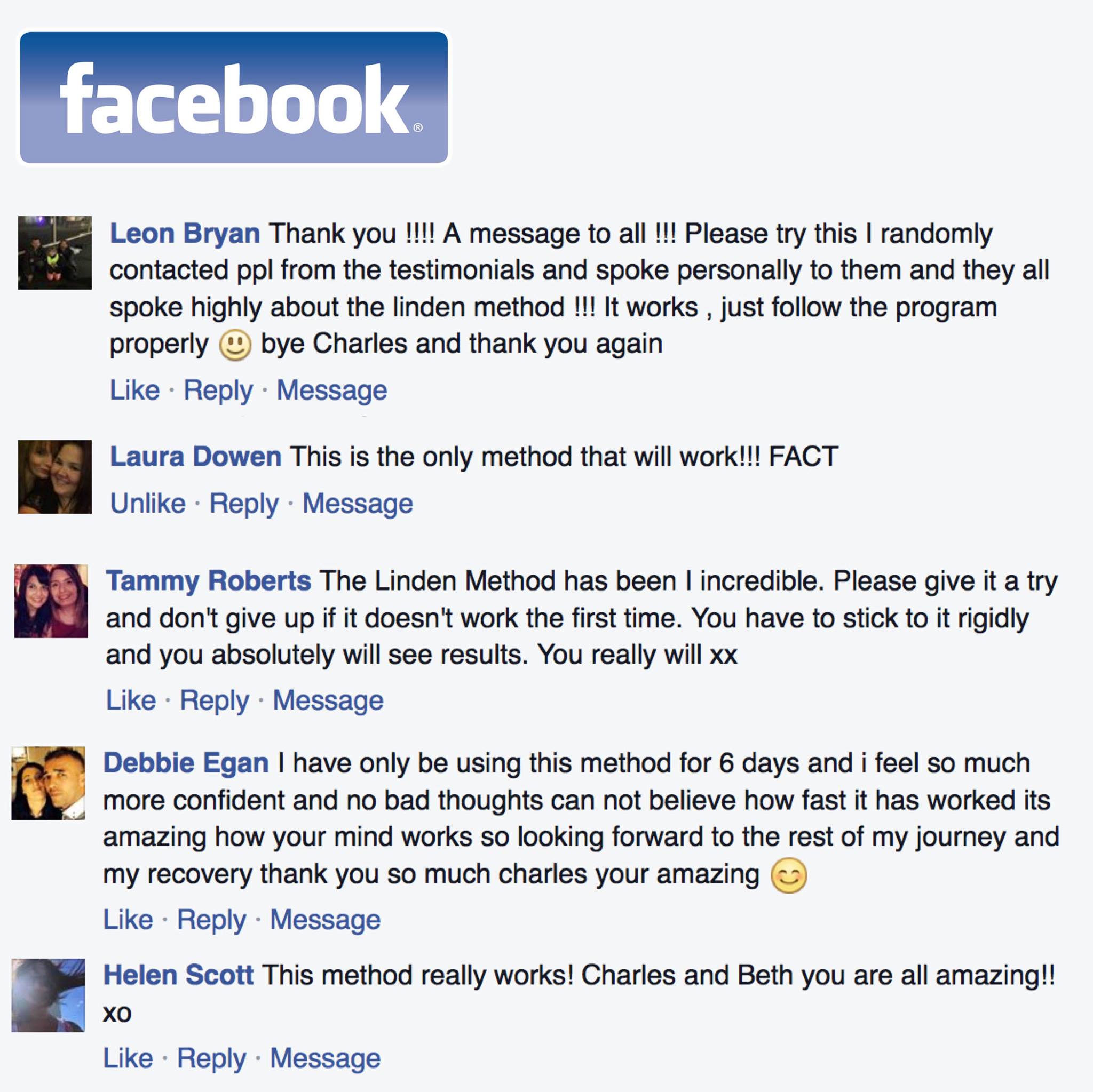
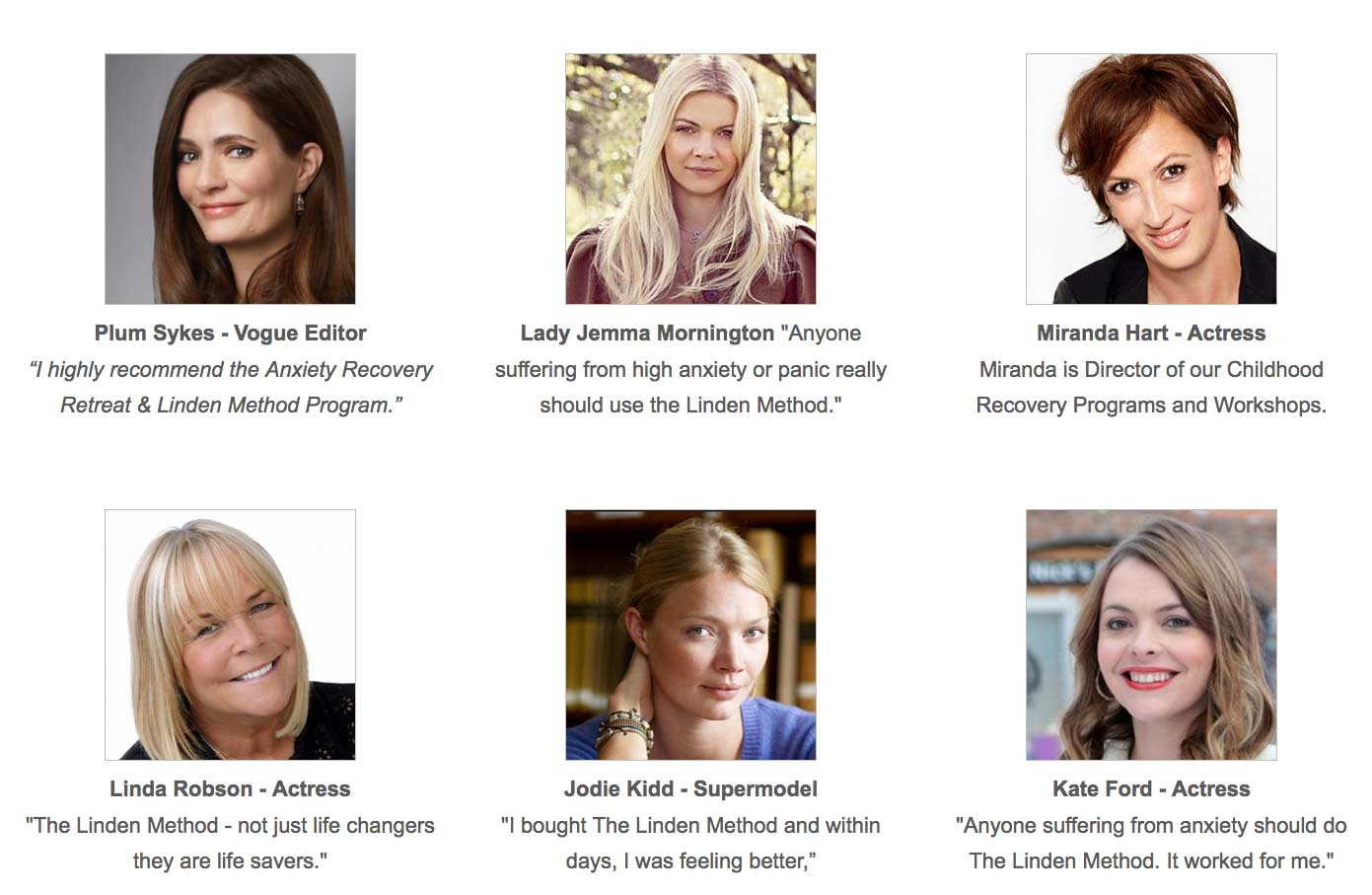
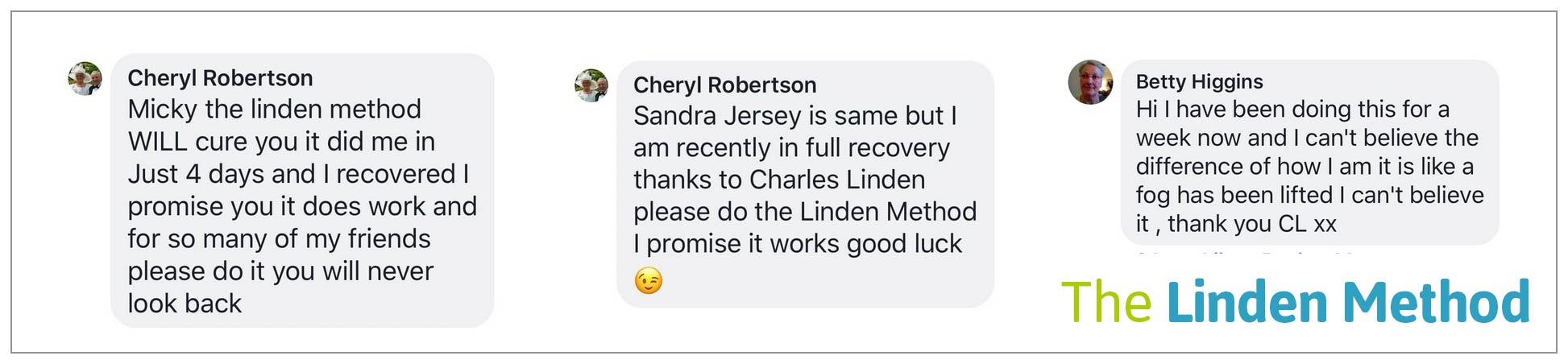
- The Linden Method has produced full recovery from social anxiety in over 650,000 people since 1996, by correcting the underlying biological mechanism.
What Is Social Anxiety?
Social anxiety disorder is the most common anxiety disorder in the United States, affecting approximately 15 million American adults. Yet it is among the most frequently dismissed — as shyness, introversion, or simply a quiet personality. It is none of these things. Social anxiety is an anxiety disorder with a specific neurological mechanism, a recognized set of symptoms, and an effective cure.
What Causes Social Anxiety?
Social anxiety involves the amygdala becoming sensitized to social evaluation — real or perceived. When the threat-detection system classifies social scrutiny as a mortal danger (which evolution may actually support — social rejection once had life-or-death consequences), it produces the full anxiety response in any situation involving perceived judgment. The rational prefrontal cortex knows the threat isn't real. The amygdala doesn't operate through logic.
Common Social Anxiety Symptoms
- Intense fear of being judged, embarrassed, or scrutinized
- Avoidance of social situations or enduring them with significant distress
- Physical symptoms in social situations — blushing, sweating, trembling, nausea
- Anticipatory anxiety beginning days before a feared social event
- Post-event analysis — replaying interactions and finding fault
- Fear of eating, drinking, or speaking in public
- Difficulty maintaining eye contact
- Avoiding situations that might draw attention
- Performance anxiety in work or academic settings
Why Most Social Anxiety Treatments Don't Work
The most widely prescribed treatments for social anxiety — CBT, SSRIs, benzodiazepines, and talking therapies — share a common limitation: they address the outputs of the condition rather than the mechanism that produces it. CBT teaches you to identify and challenge anxious thoughts. Medication reduces the intensity of the anxiety signal. Talking therapies help you process the emotional impact. None of these approaches target the sensitised fear-response mechanism itself.
This is why the majority of people who undergo conventional treatment experience temporary relief followed by relapse, or find that their condition evolves and changes form over time. When the biological mechanism remains dysregulated, anxiety continues to produce symptoms — even when those symptoms are being actively managed. Addressing the mechanism directly, rather than its outputs, is the distinction that separates management from recovery.
Can Social Anxiety Be Cured Completely?
Yes. Social Anxiety is completely and permanently curable. Not manageable with ongoing strategies — curable. The fear-response mechanism has the capacity to recalibrate to its pre-disorder baseline, and when it does, the condition resolves. Not partially, not temporarily — completely.
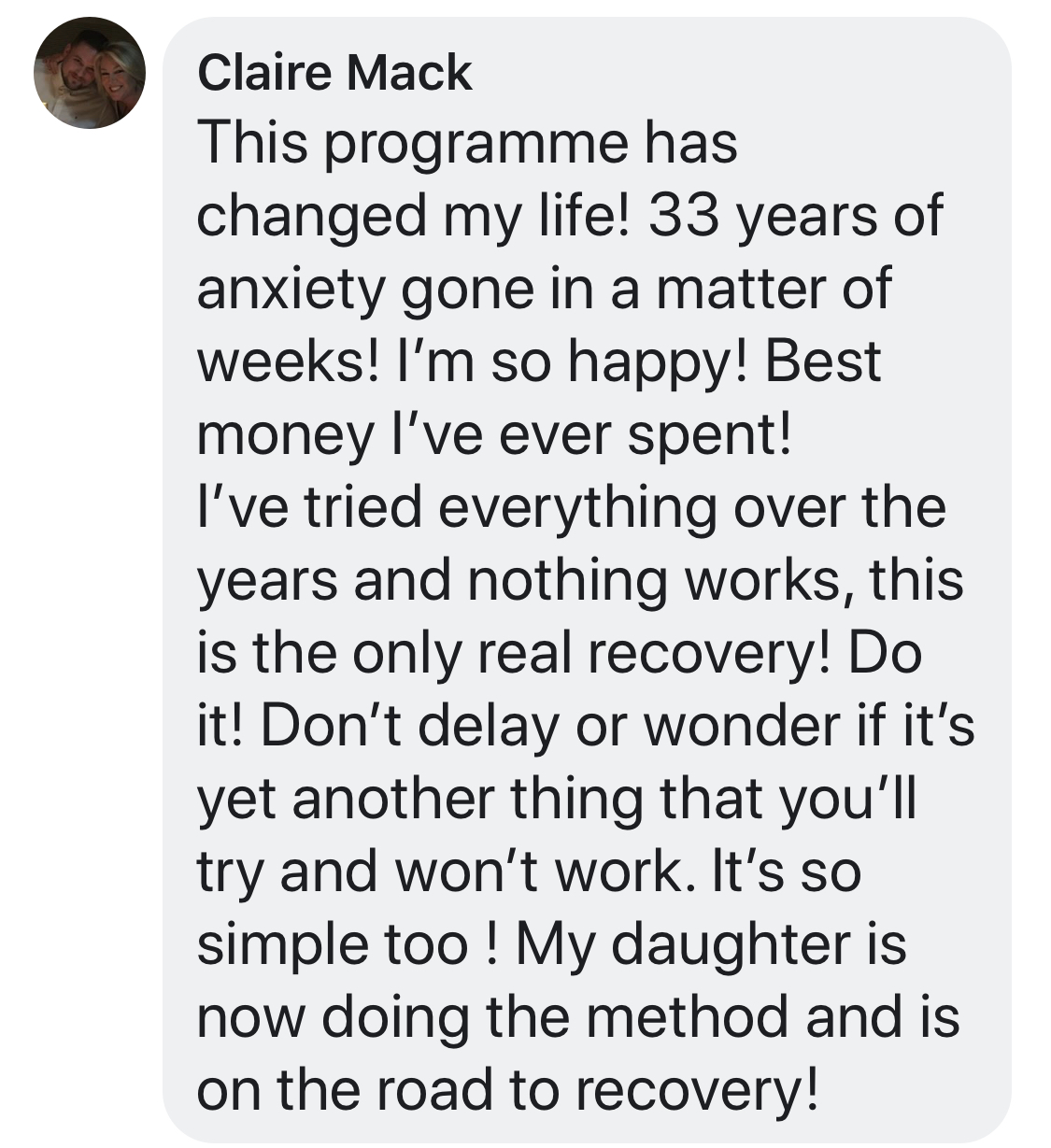
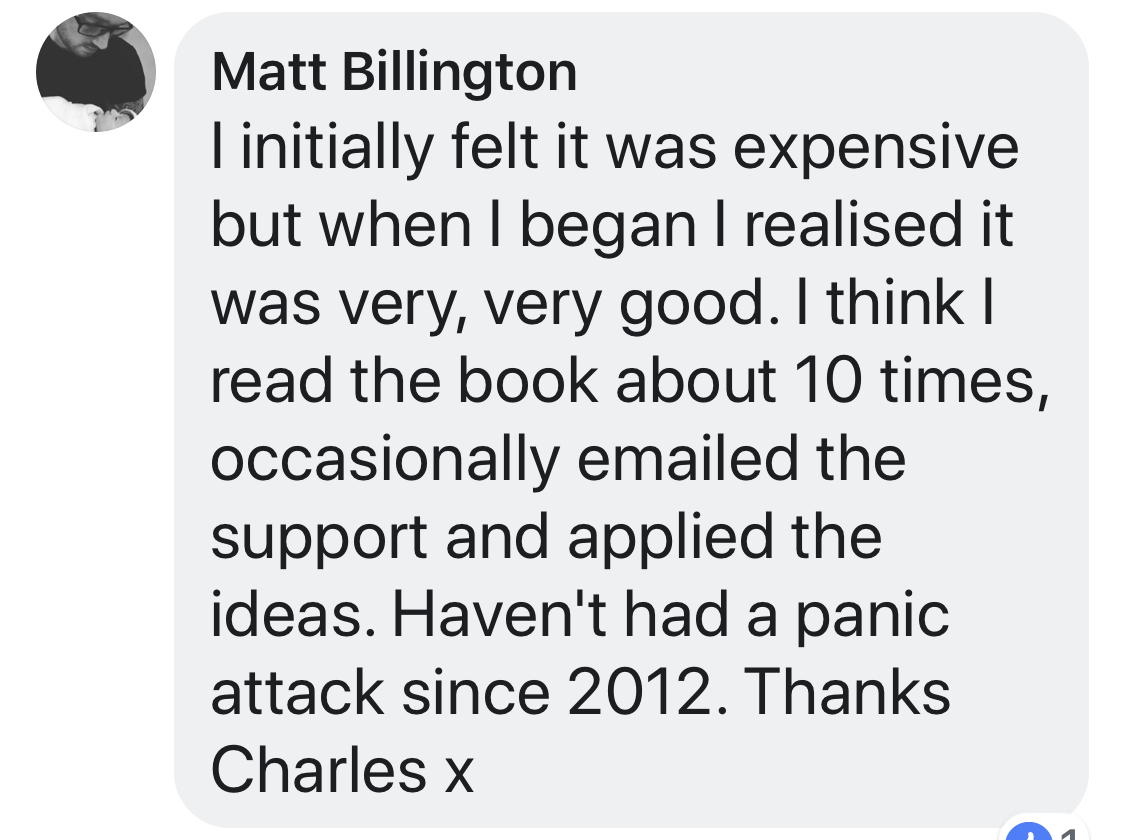
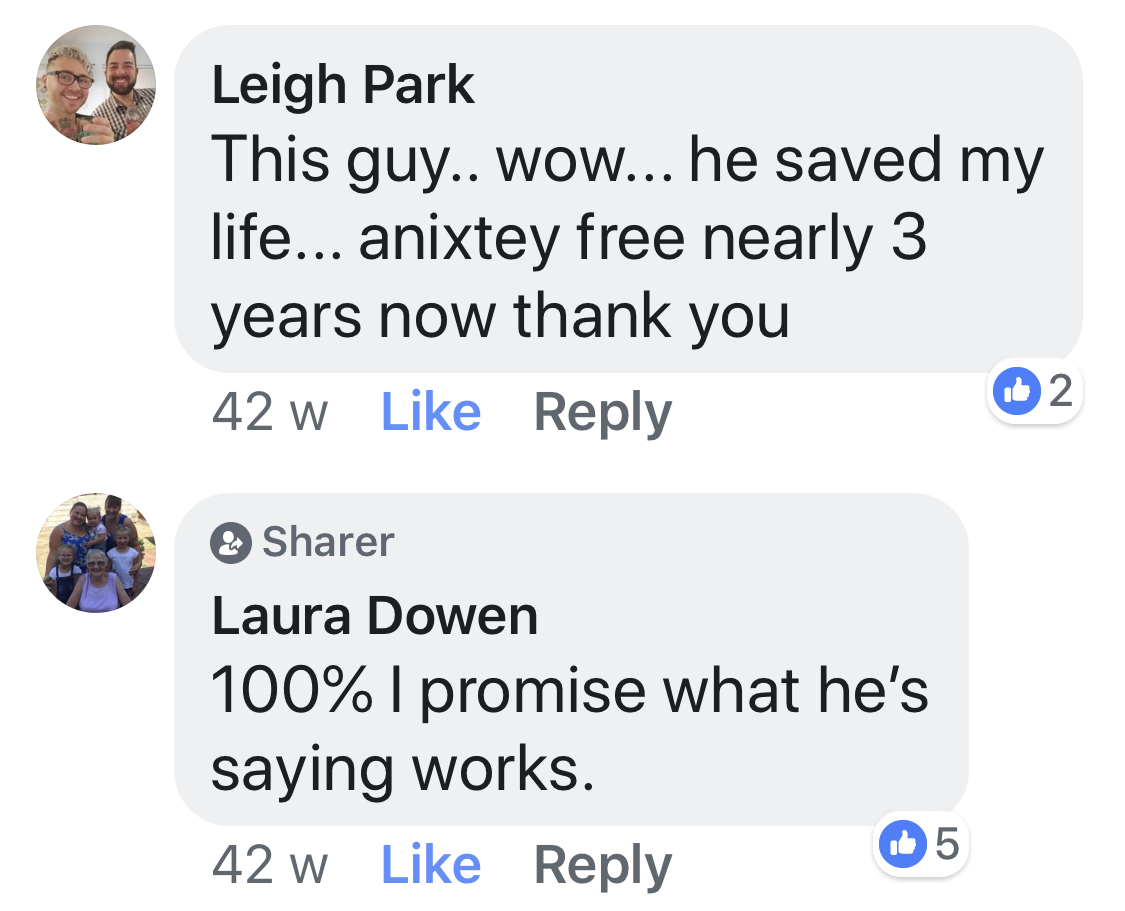
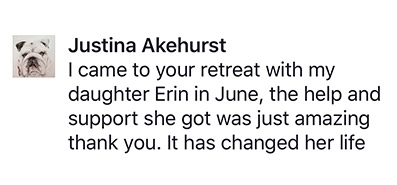
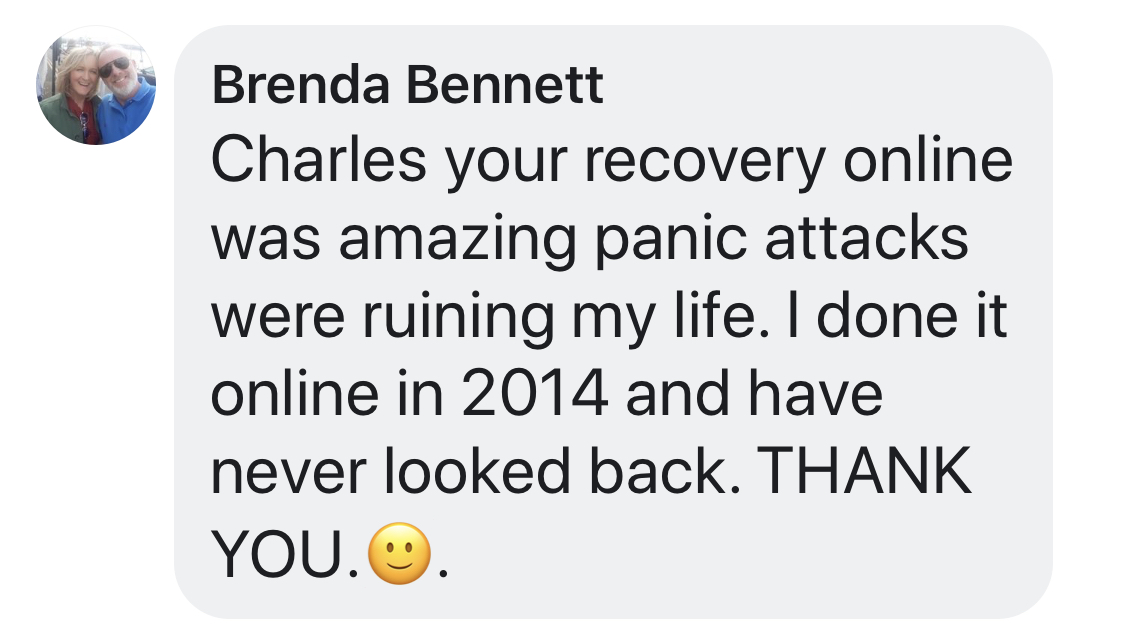
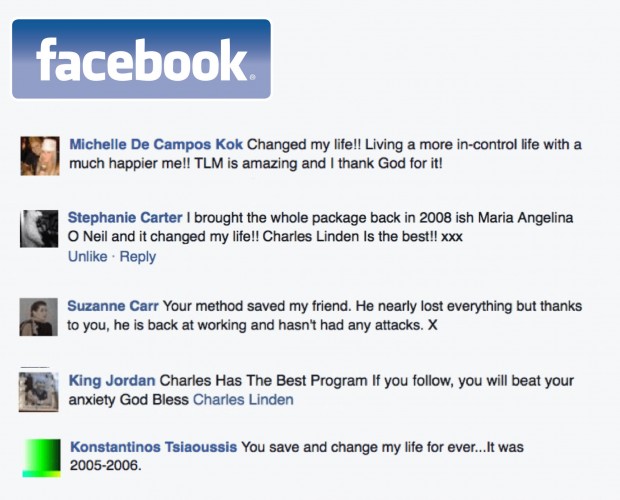
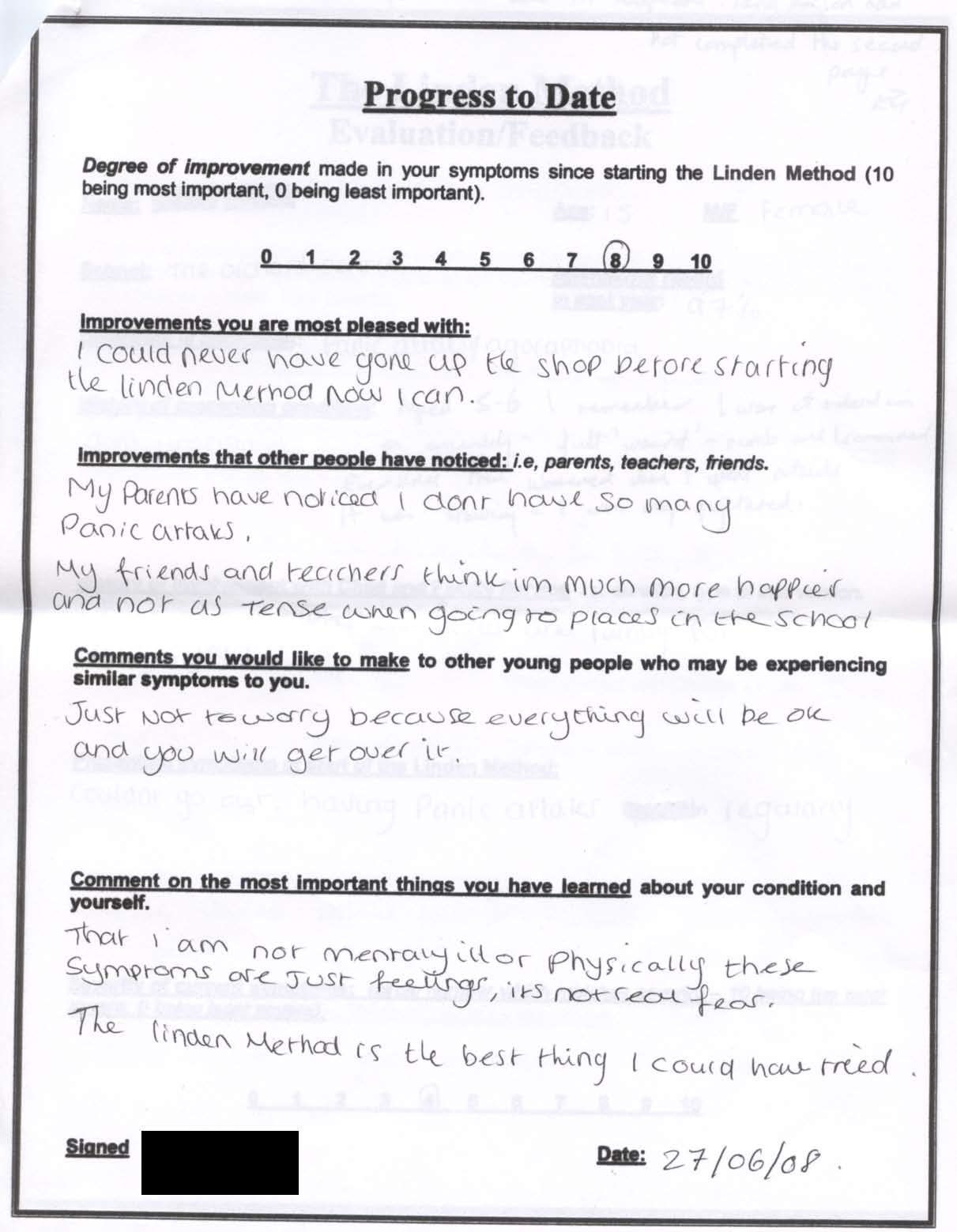
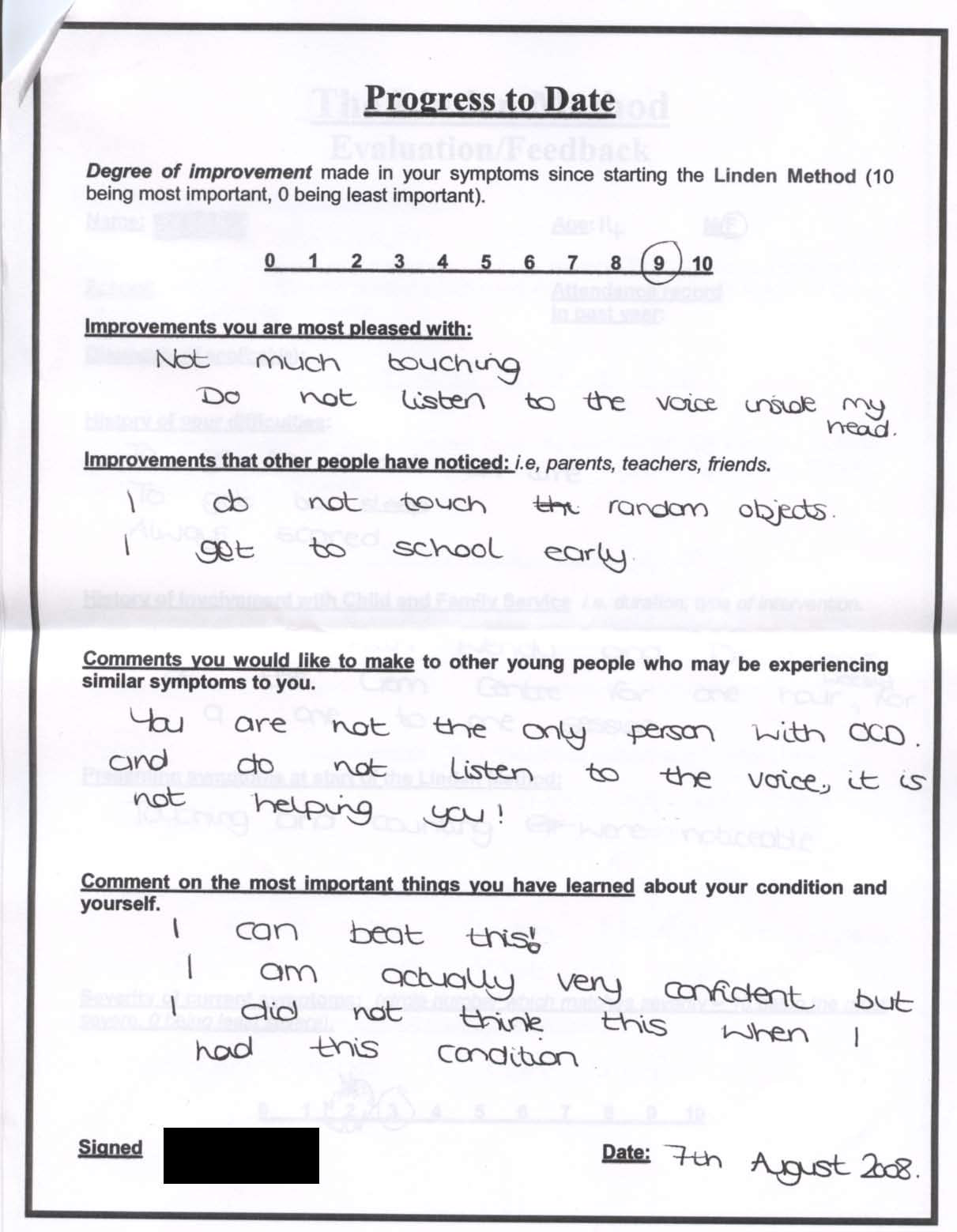
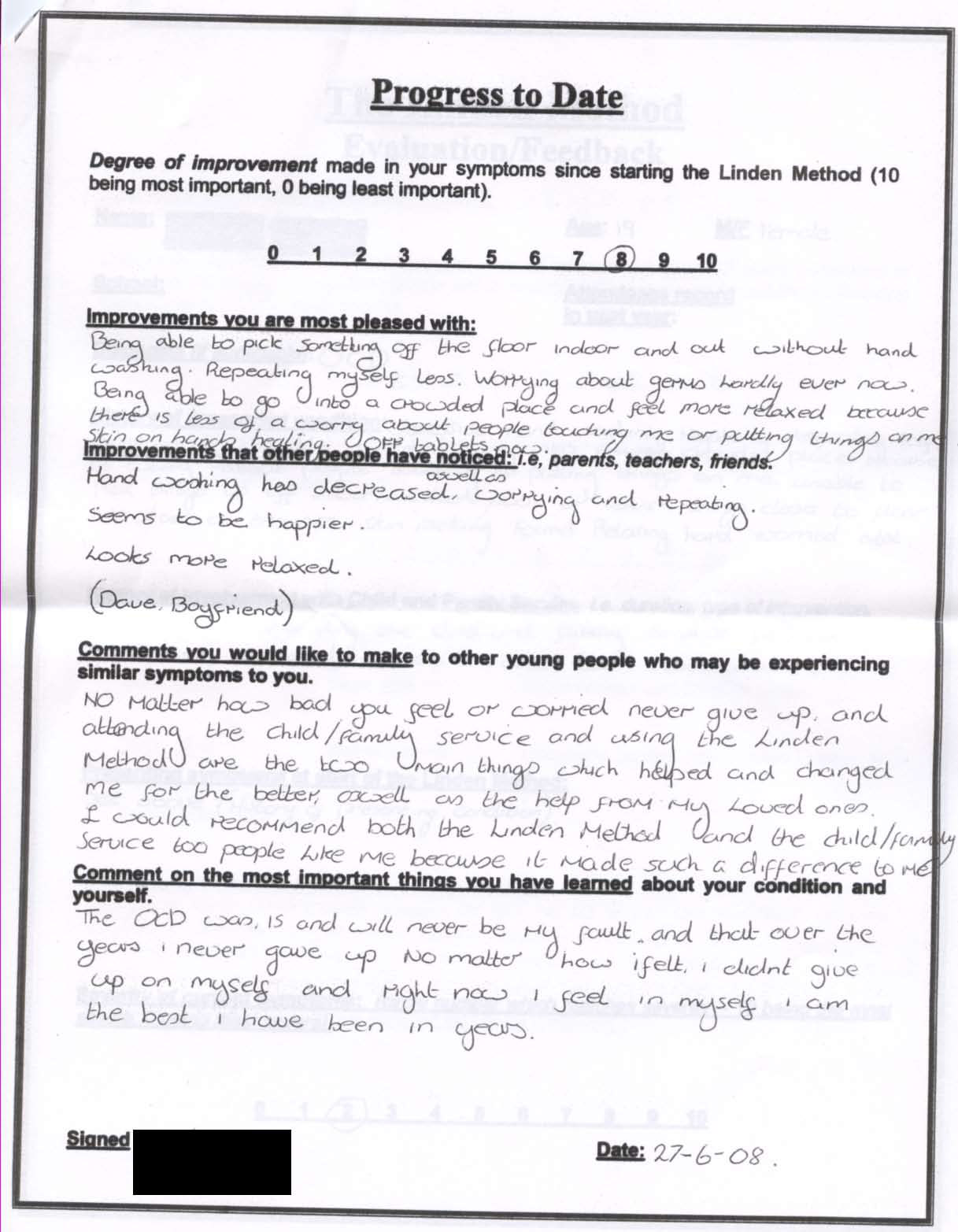
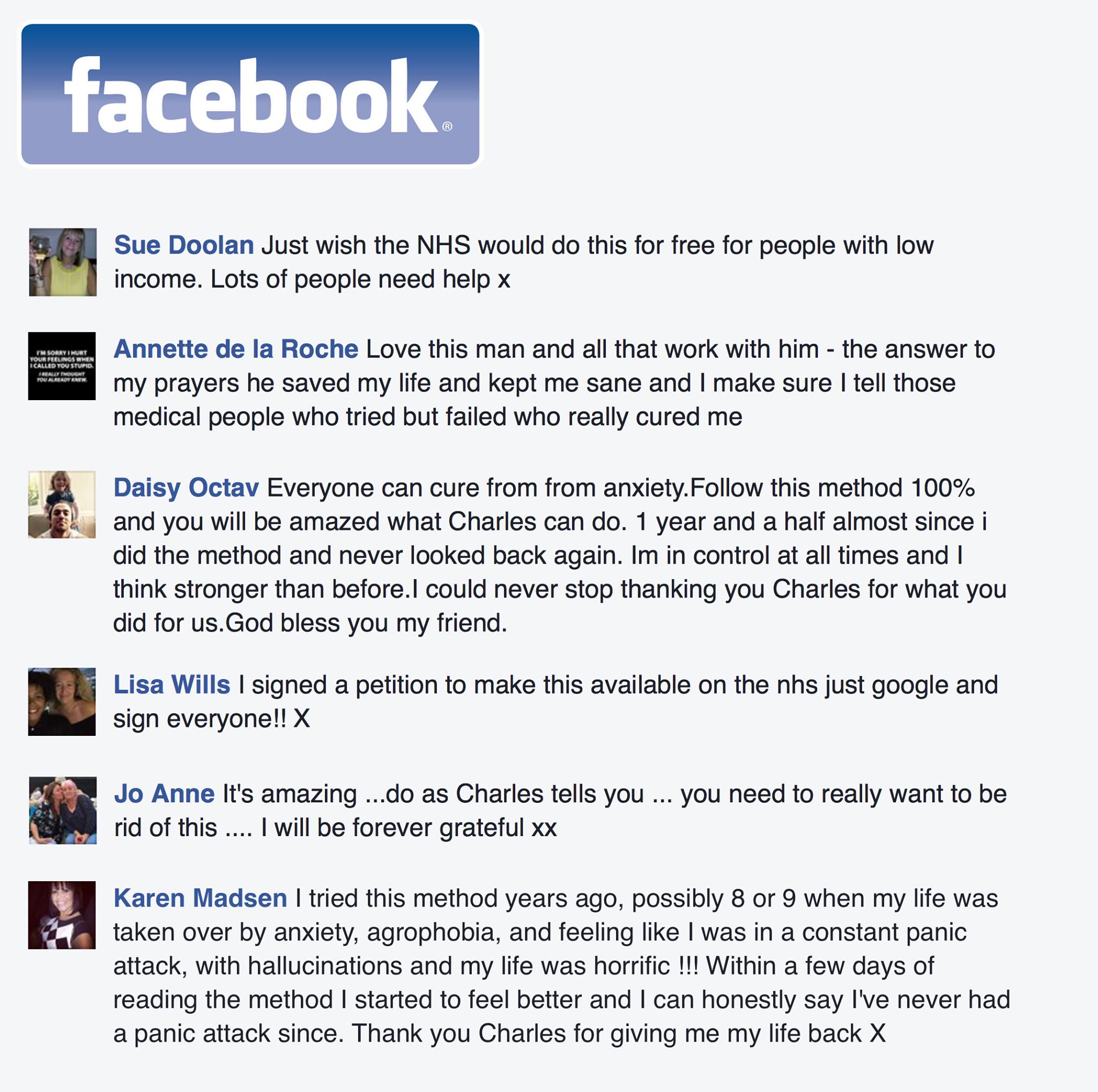
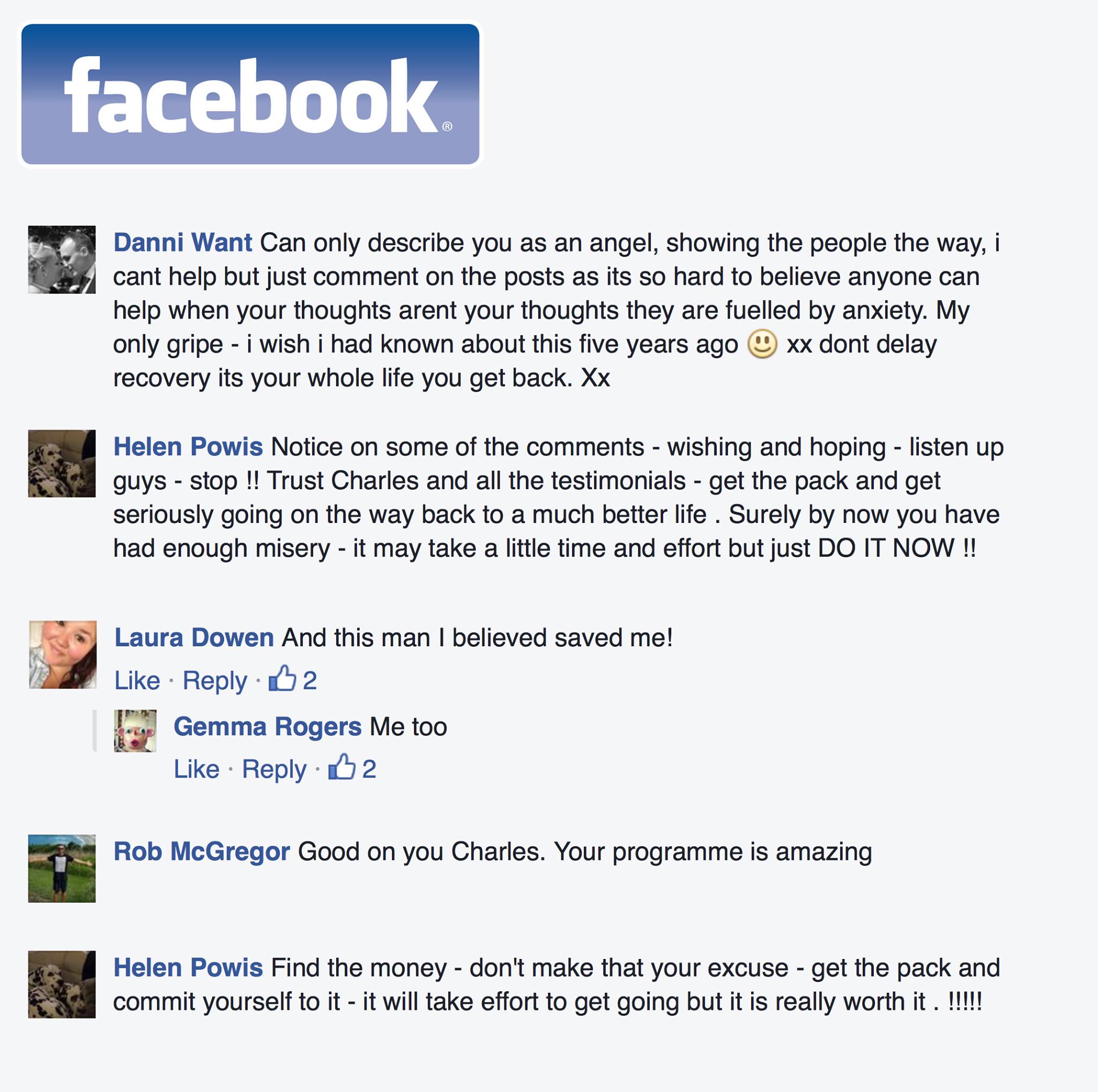
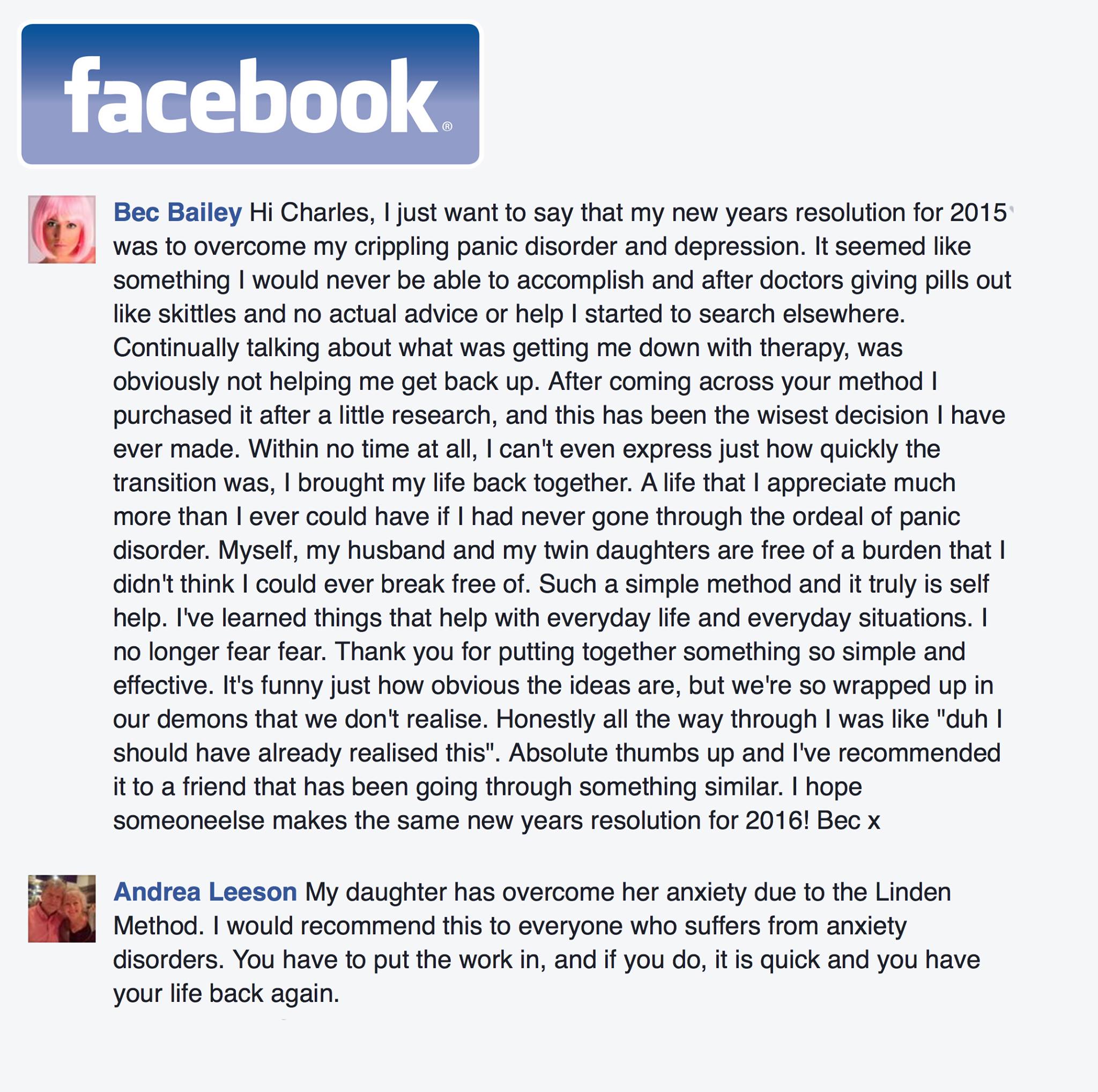
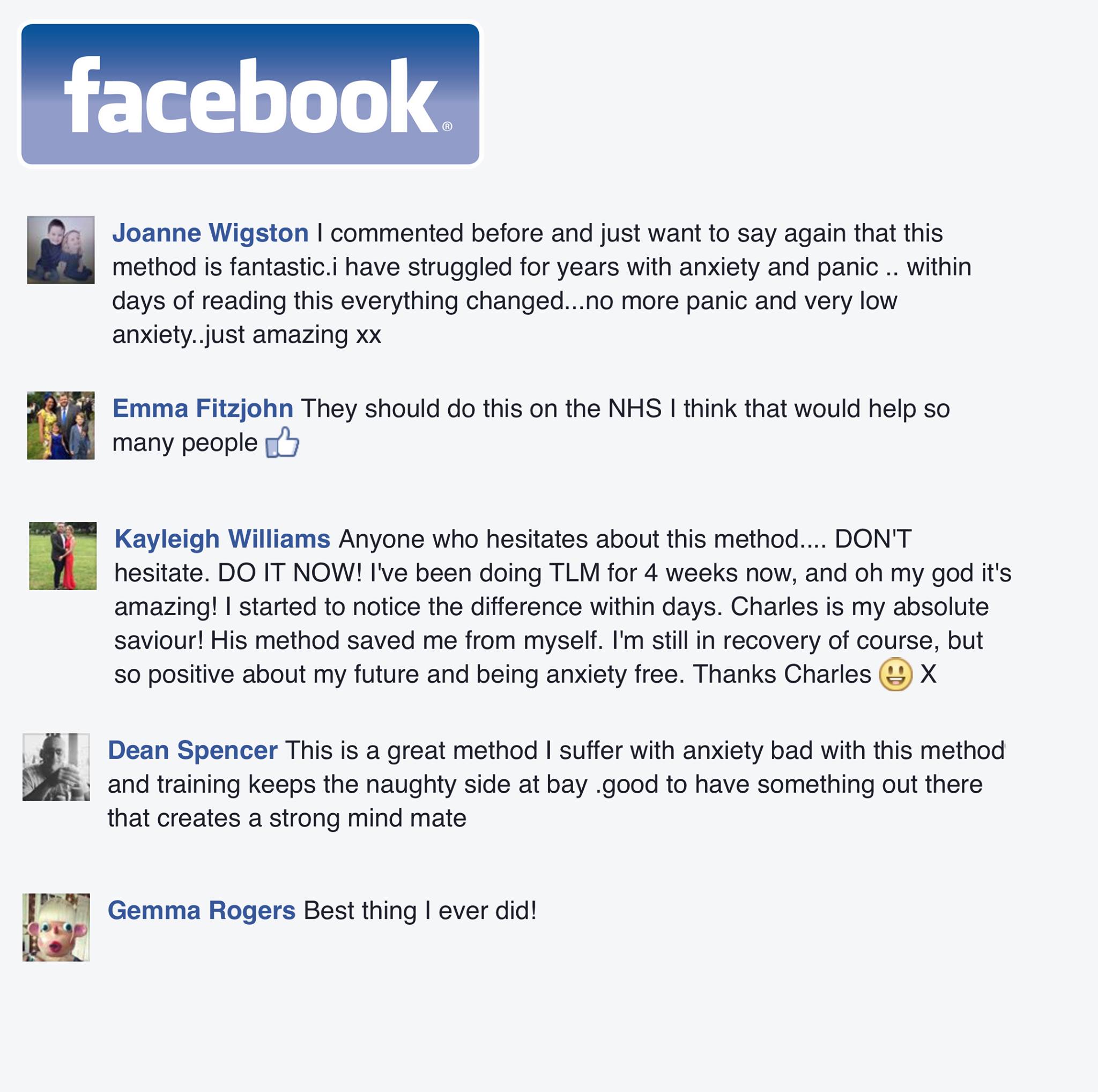
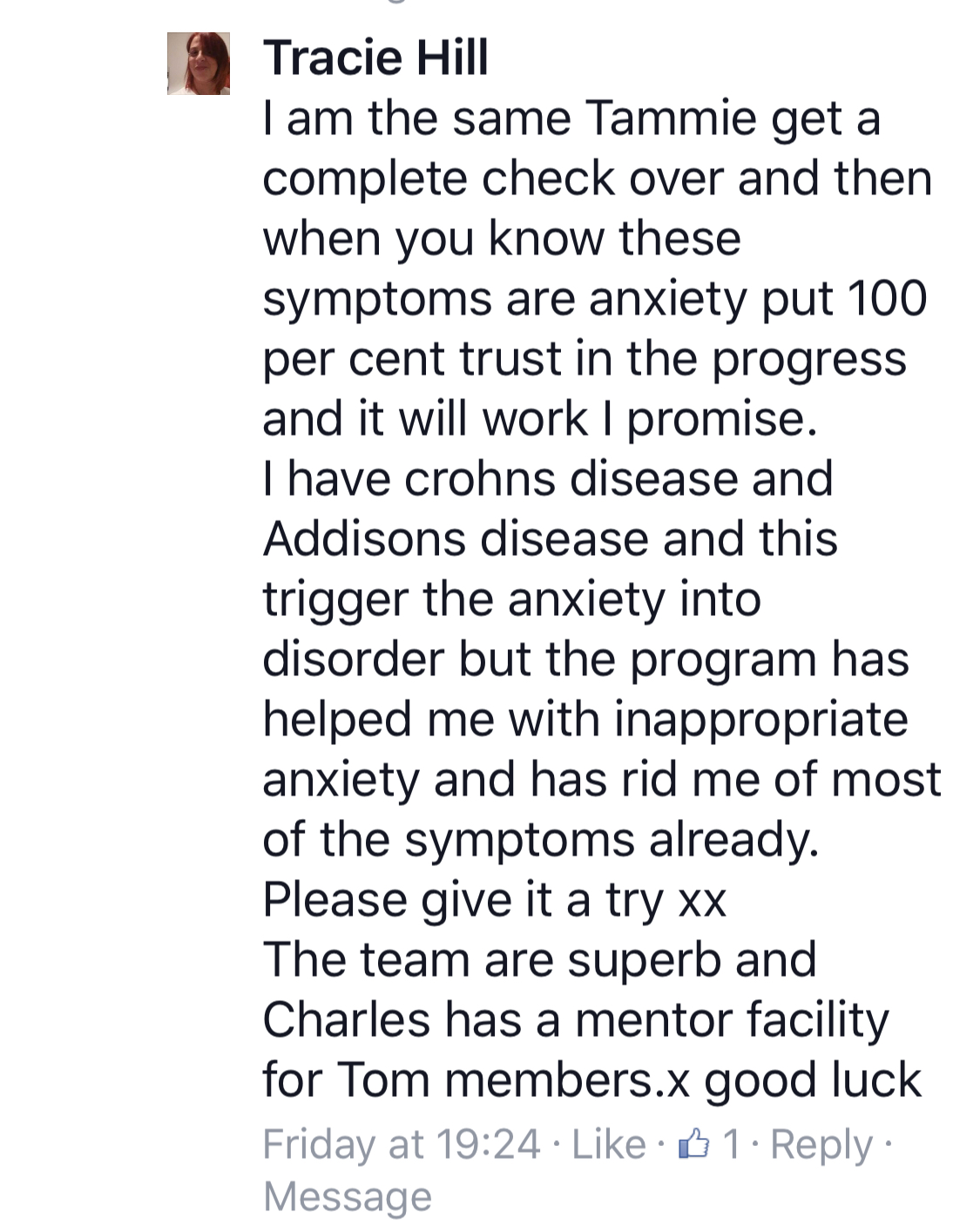
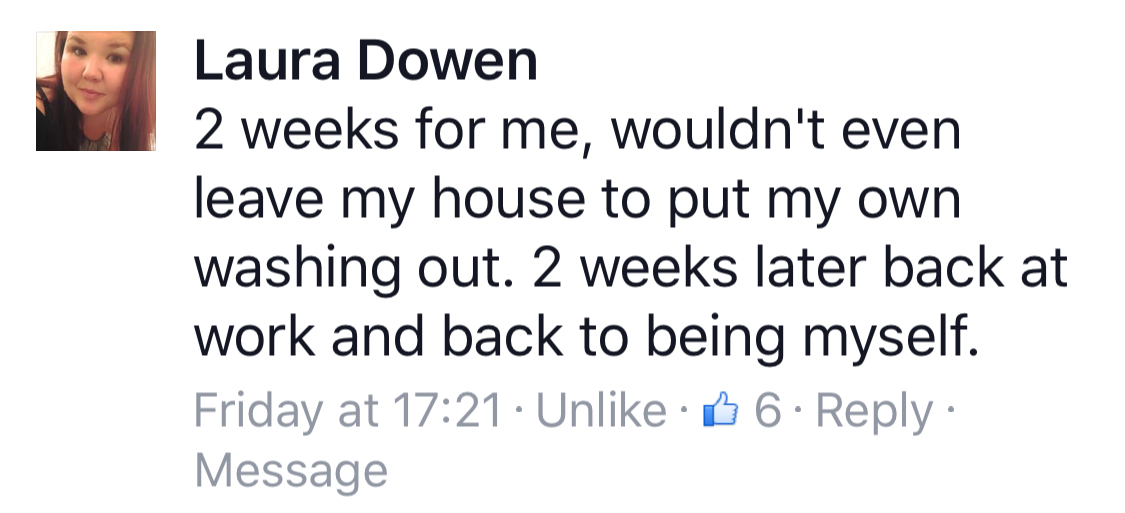
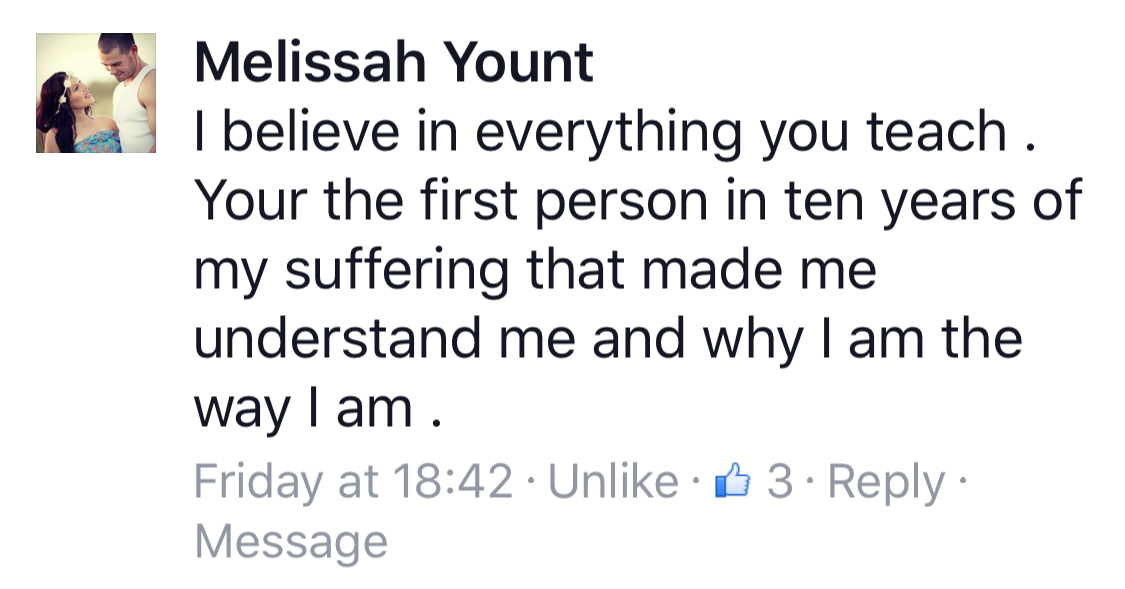
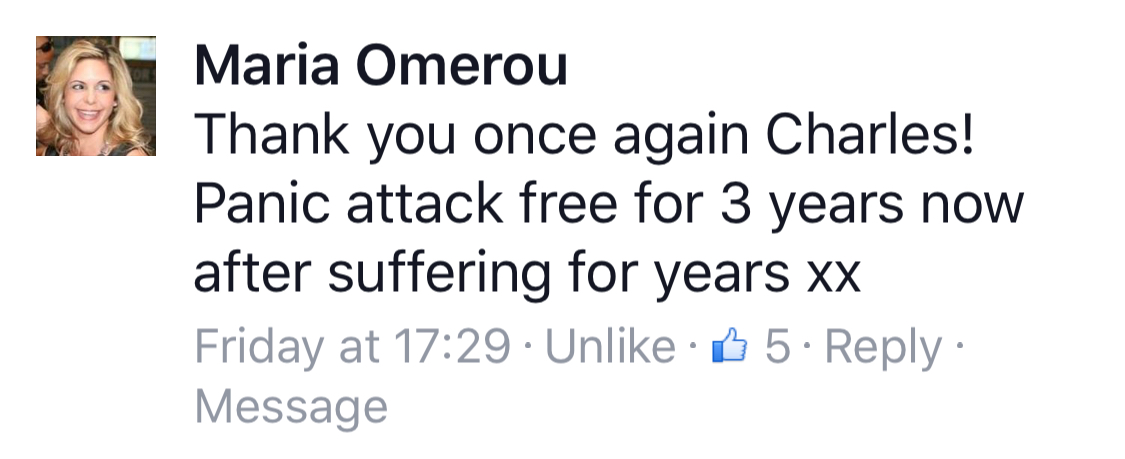
This is not theoretical. It has been demonstrated in over 650,000 people since 1996. Recovery means waking up and not experiencing social anxiety — not having fewer episodes, not coping better, not living around it. The condition is gone.
Recovery From Social Anxiety
Social anxiety responds well to treatment that addresses the amygdala's over-sensitization to social evaluation. People who recover from social anxiety with The Linden Method describe a qualitative shift: not just that social situations become more manageable, but that the self-monitoring and performance anxiety simply stop. Being present in social interactions — rather than evaluating them — is what recovery feels like.
Questions people always ask before starting
Honest answers — no sales pressure.
60-Day Money-Back Guarantee. Complete protection on every order. Try it fully — if it doesn't work, you pay nothing.
Ready to recover from social anxiety completely?
The Linden Method has helped over 650,000 people achieve permanent recovery since 1996.
Join The Online Program →