The Most Effective Anxiety Disorder Treatment
Every major treatment honestly compared — medications, therapies, protocols, lifestyle. For panic, GAD, OCD, agoraphobia, PTSD, health anxiety, social anxiety, emetophobia and the wider anxiety family.
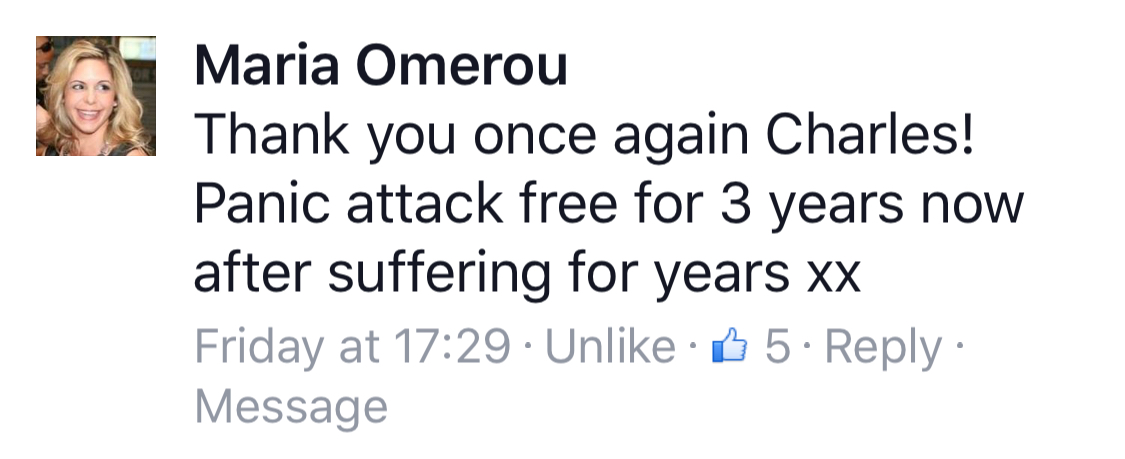
By Charles Linden — pioneer of the only verifiable recovery treatment for anxiety disorders. 650,000+ recoveries since 1996.
The Treatment With the Strongest Outcomes Record
Mainstream guidelines name SSRIs and CBT as first-line treatments. Both reduce symptoms while in use, and both show meaningful long-term relapse rates once stopped. They are good at managing anxiety. They are not, by design, recovery treatments.
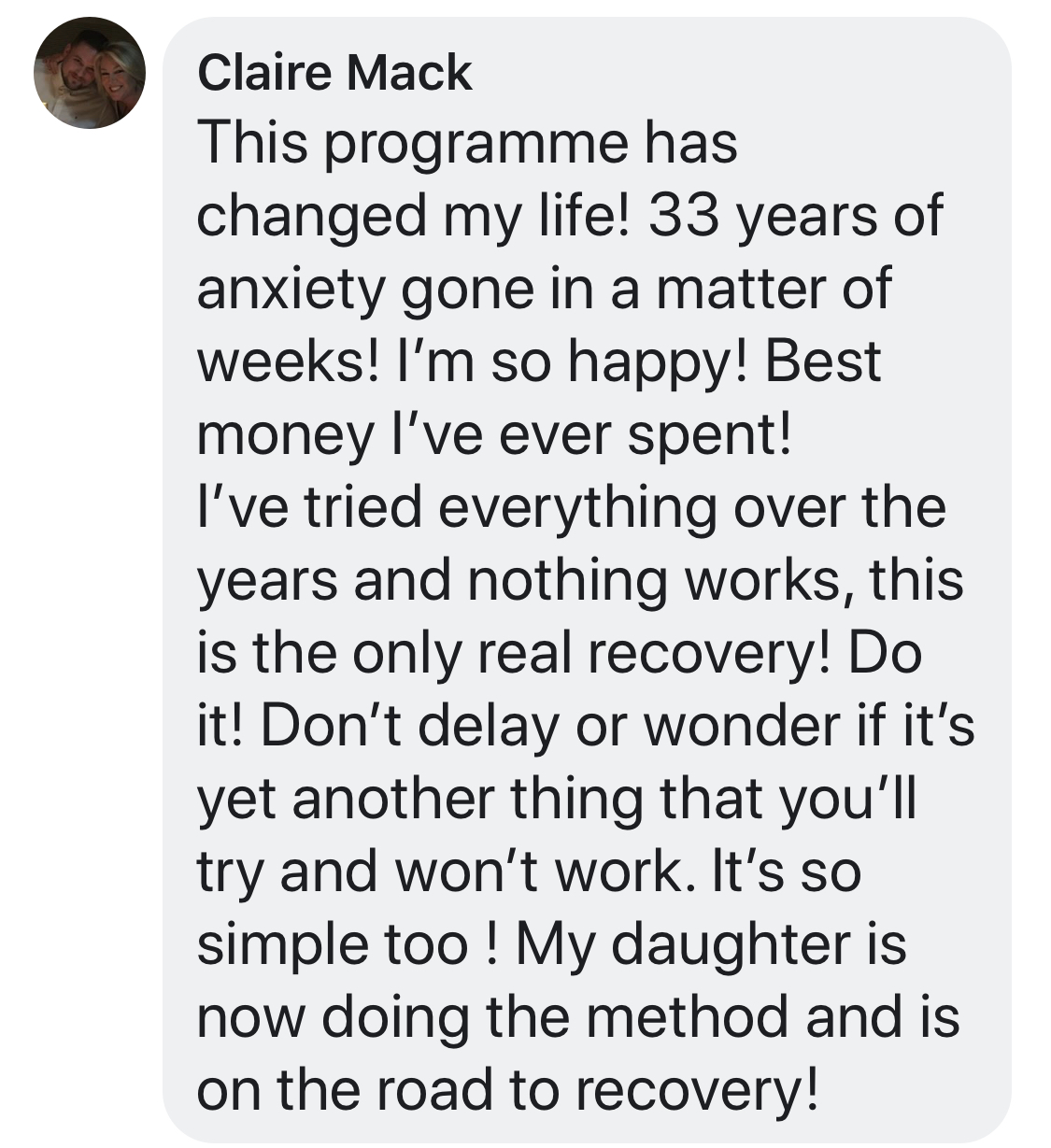
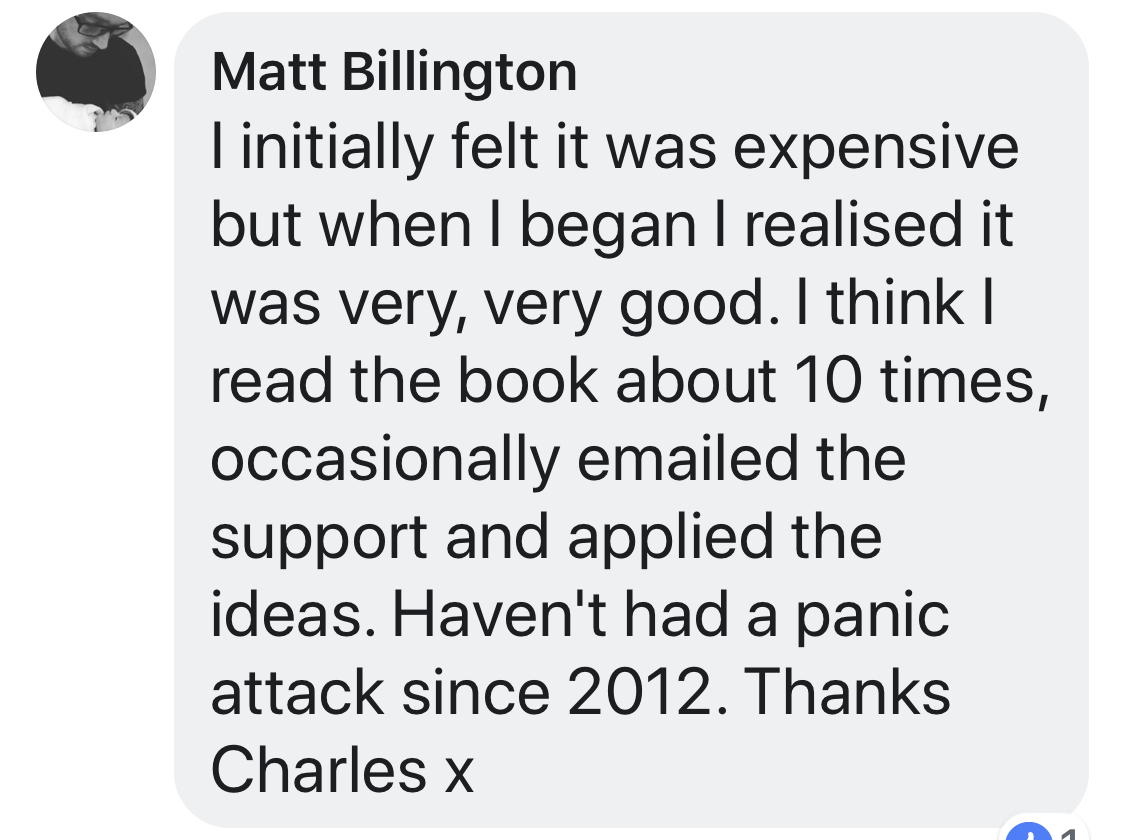
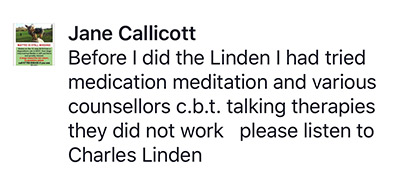
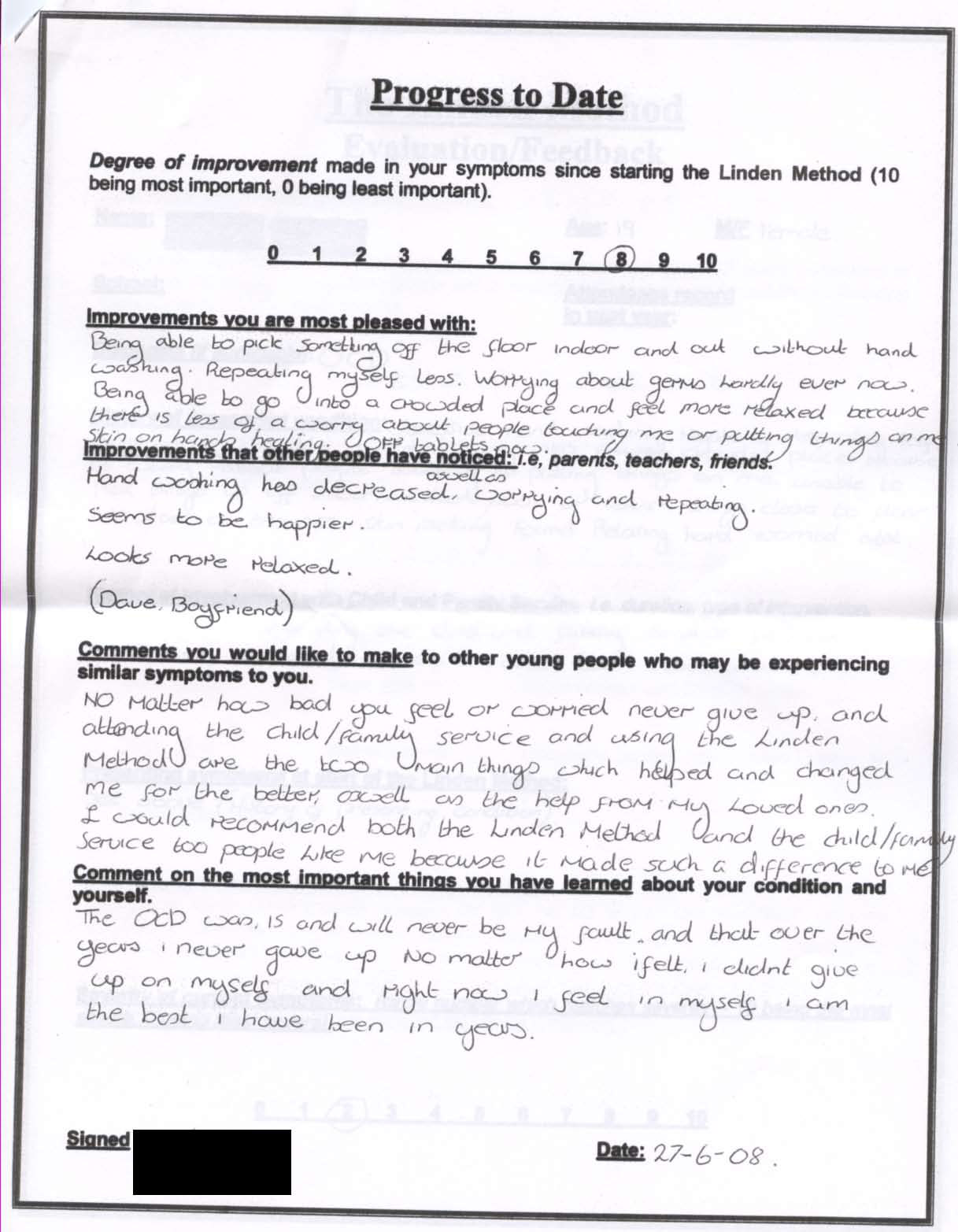
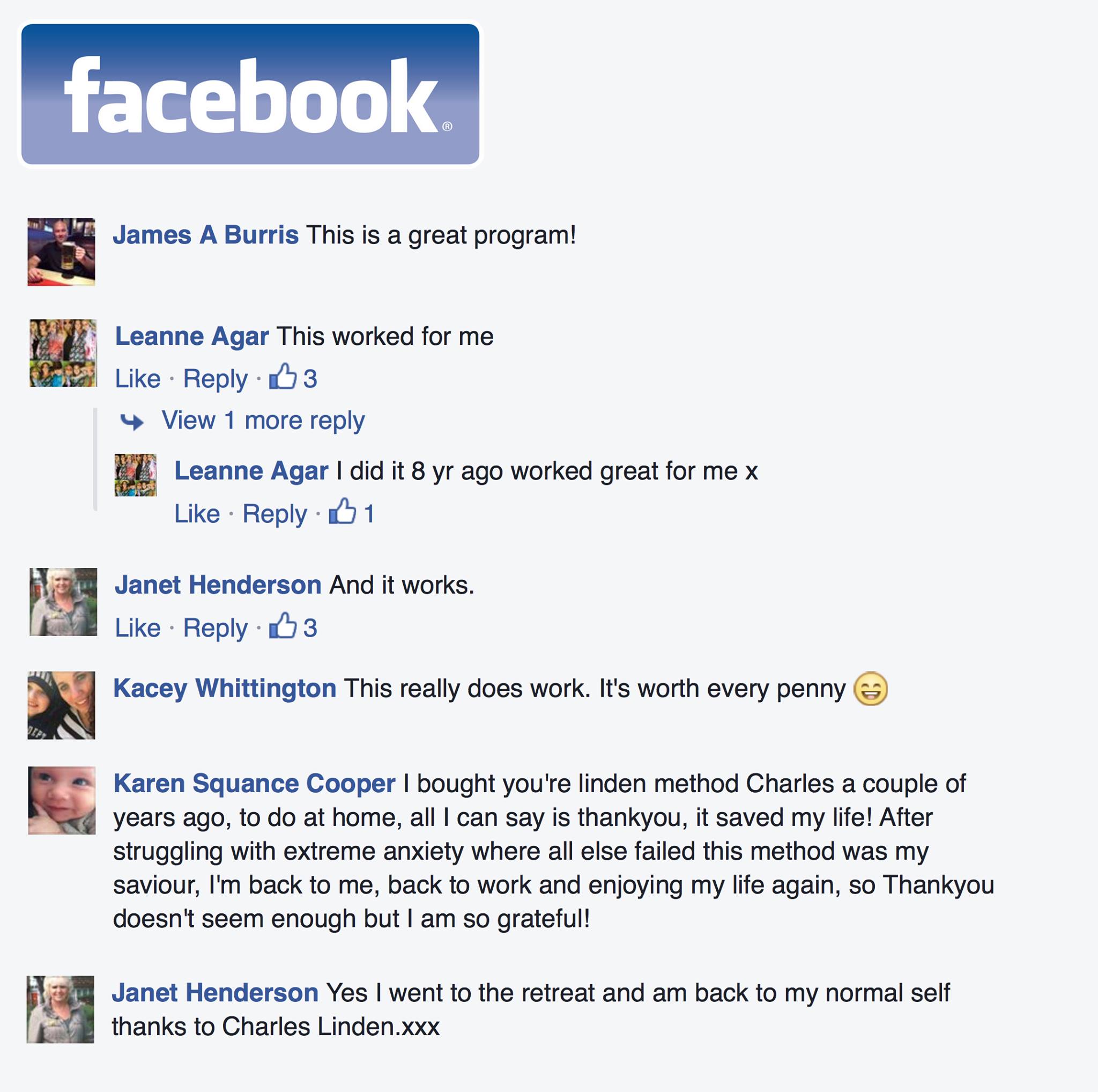
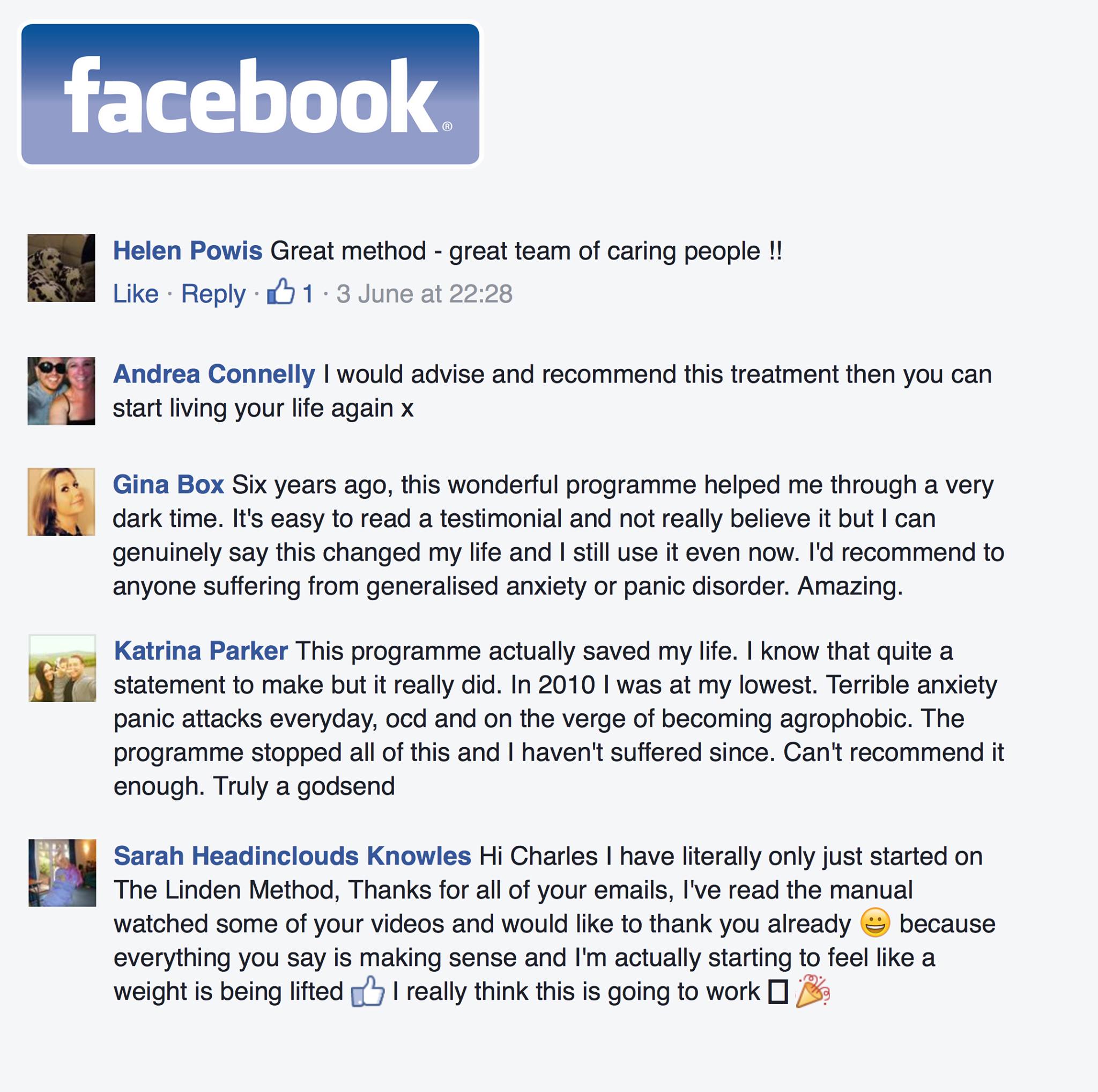
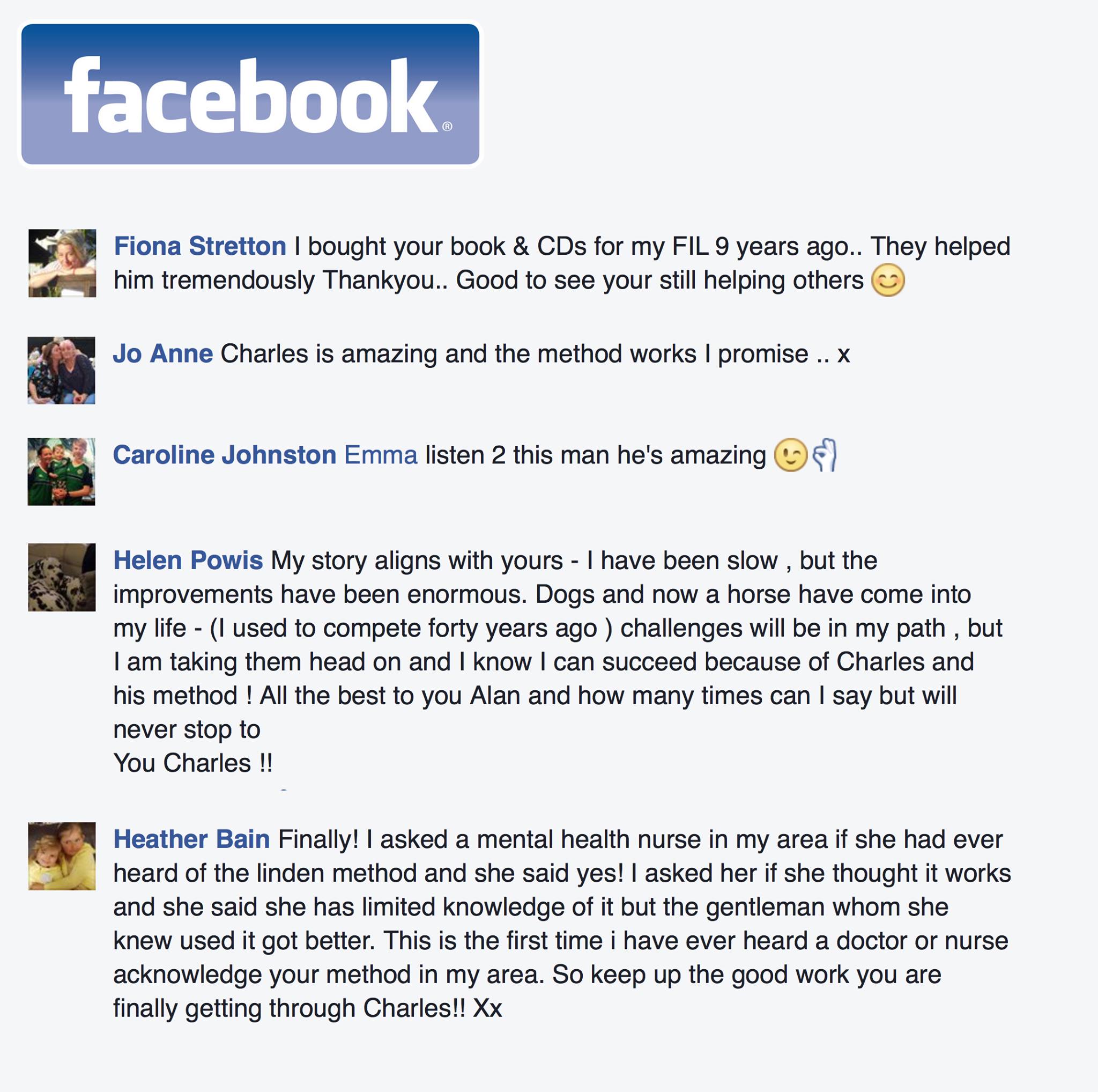
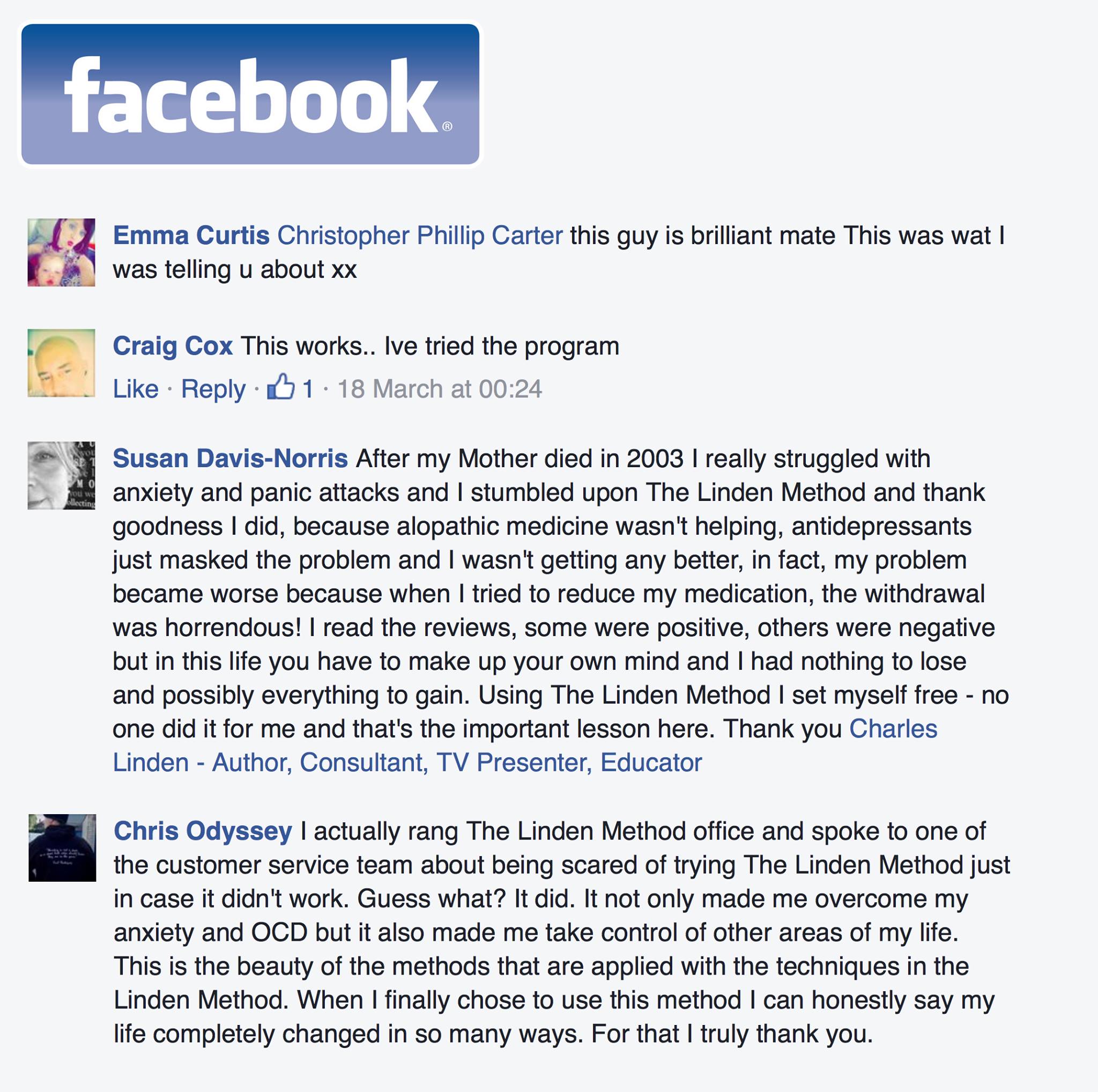
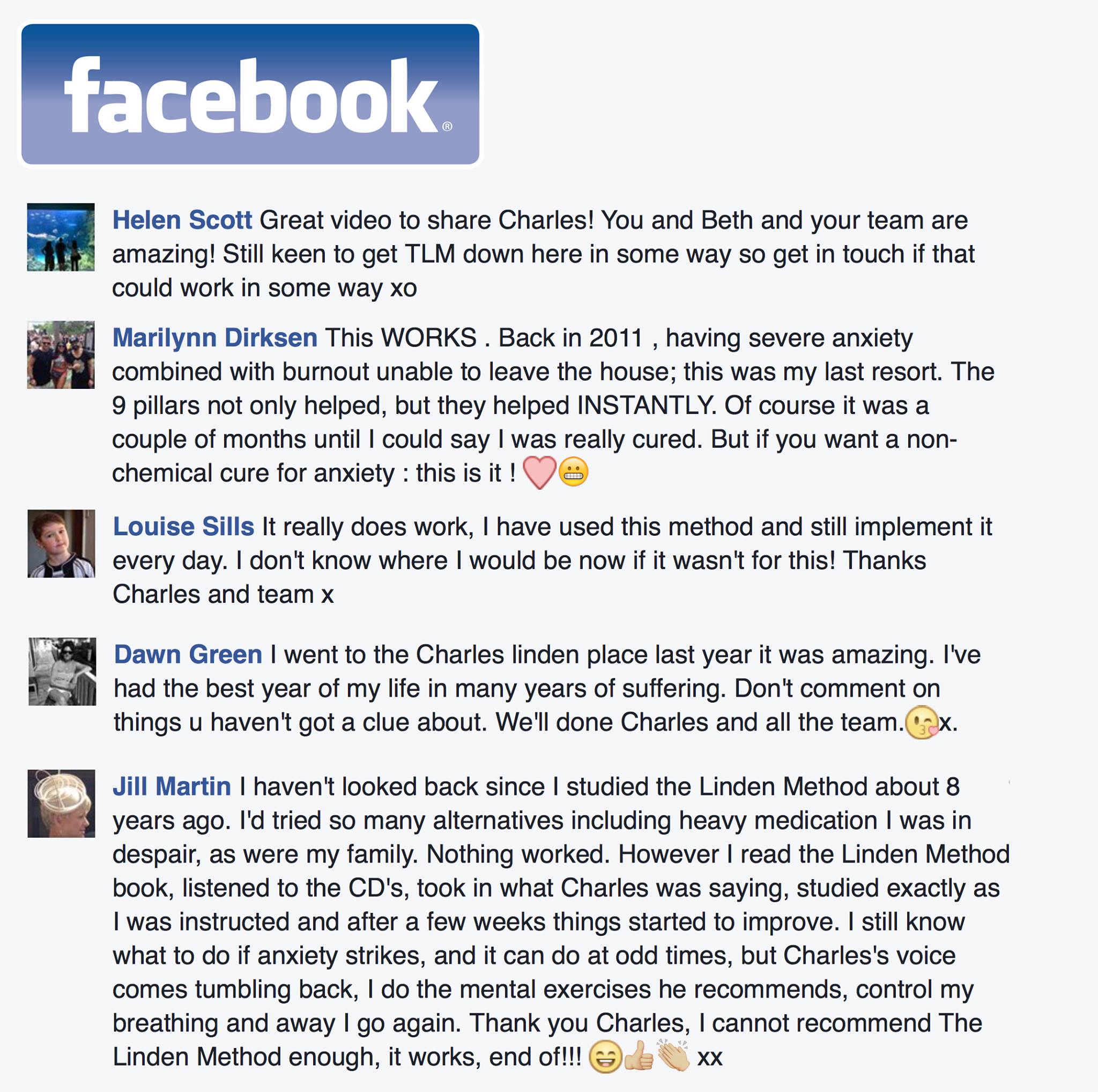
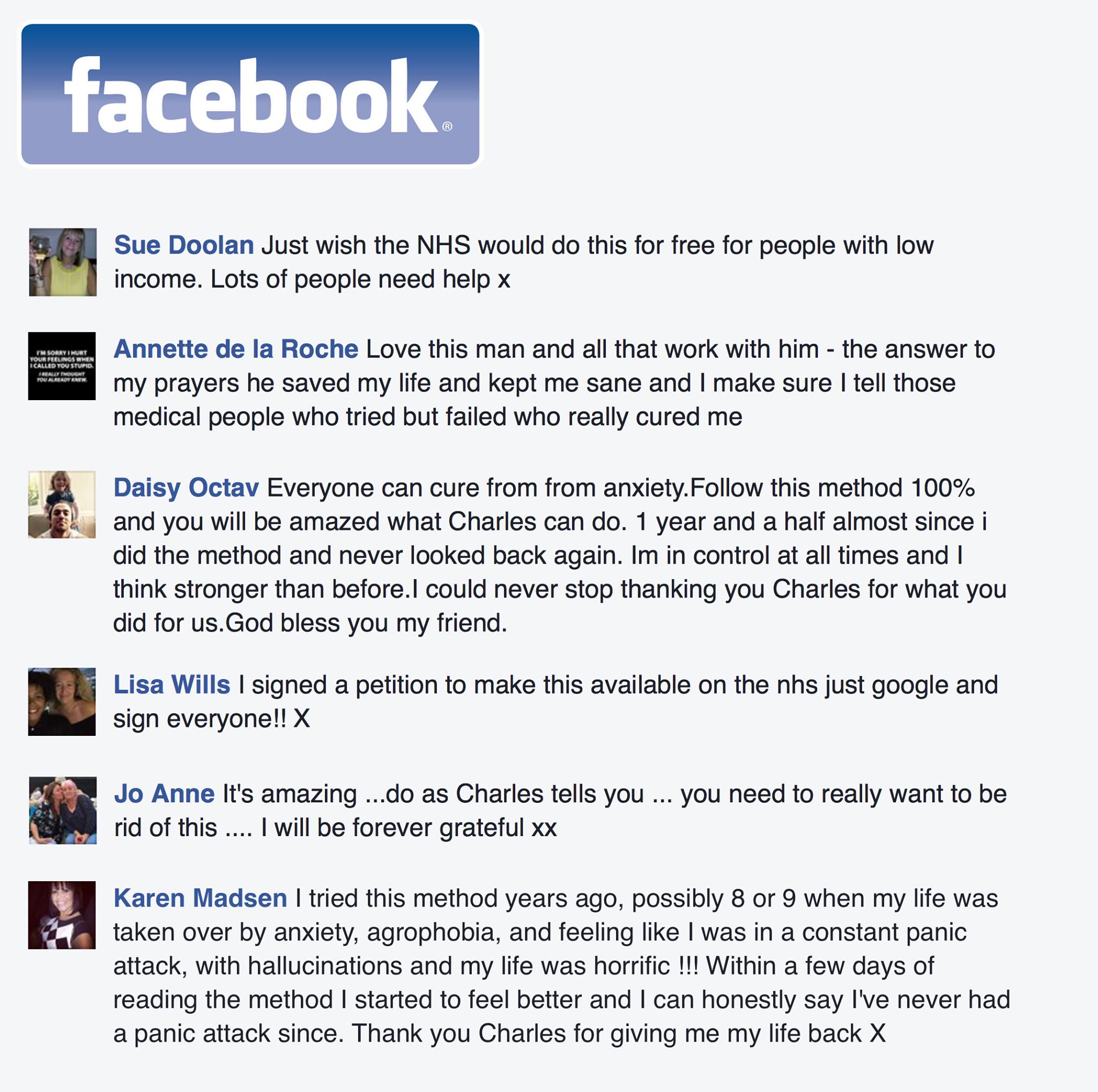
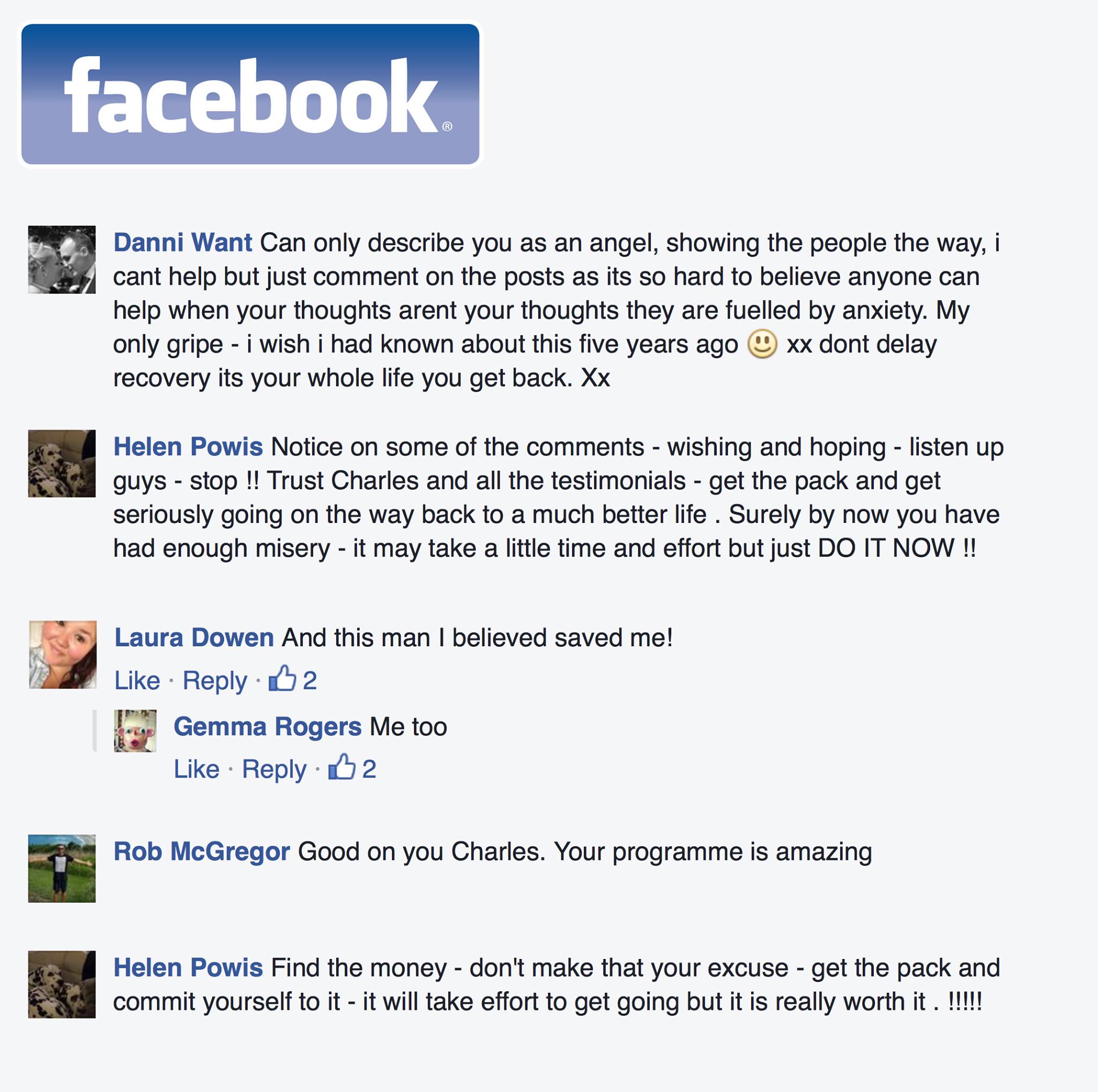
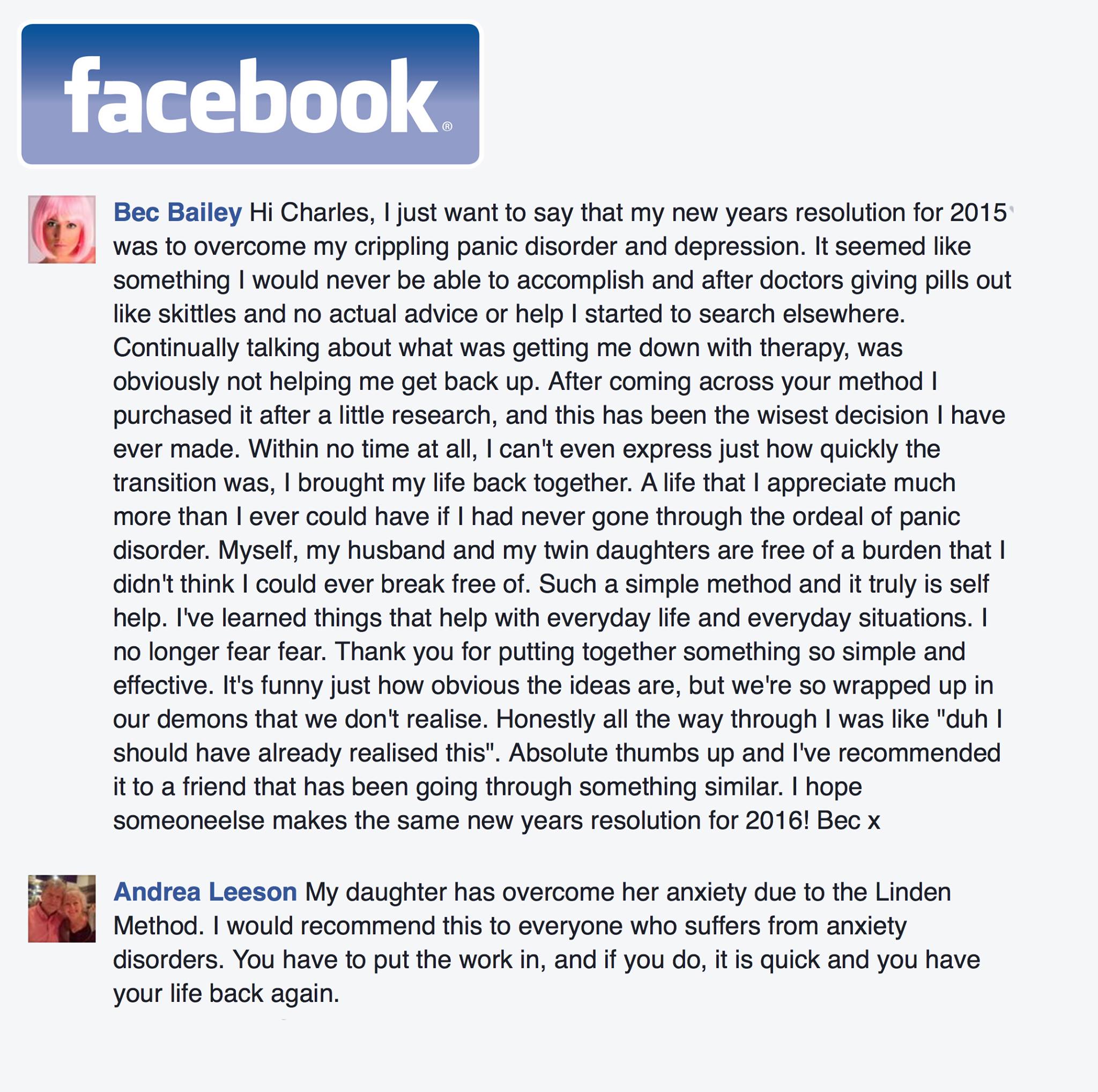
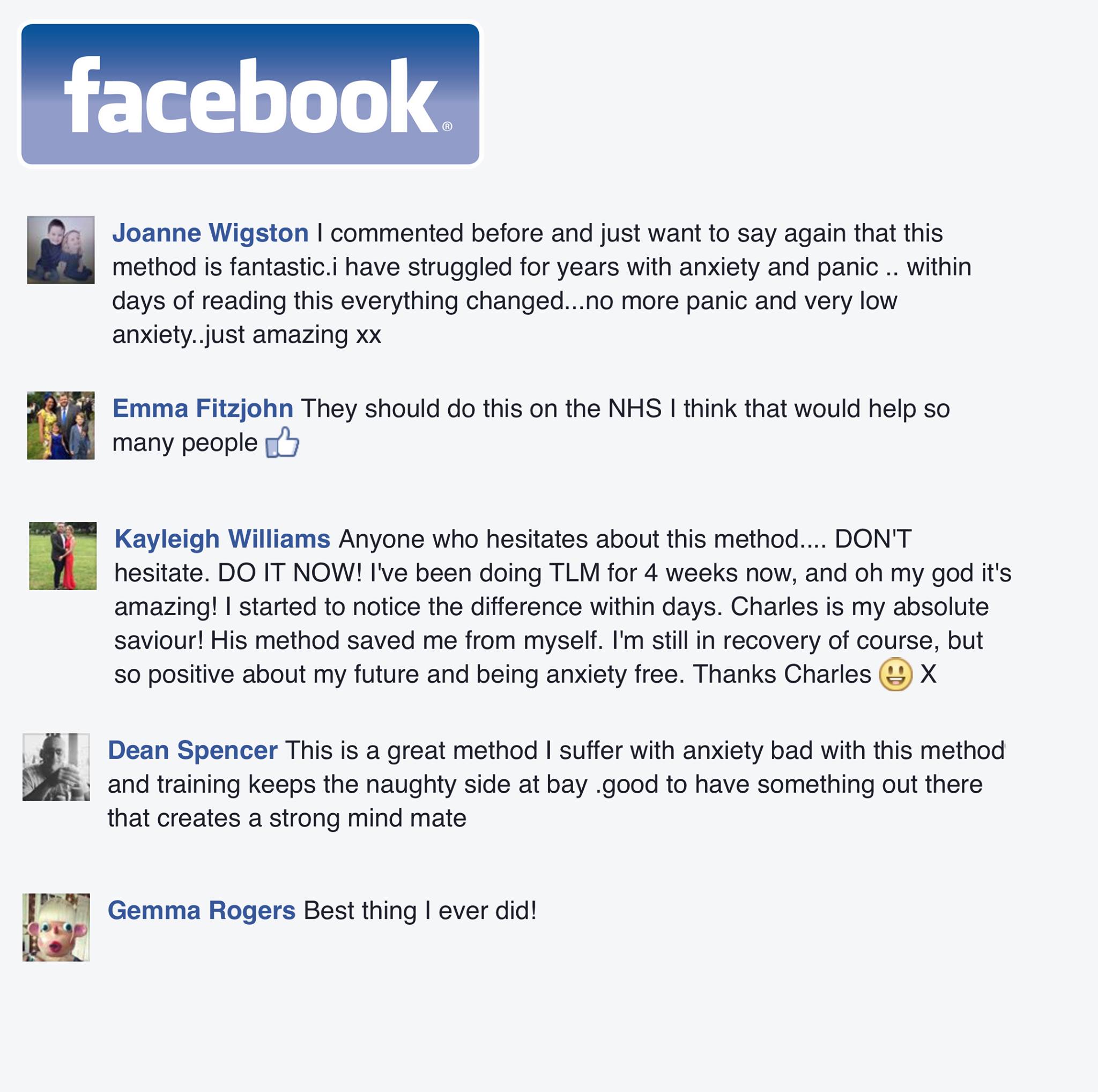
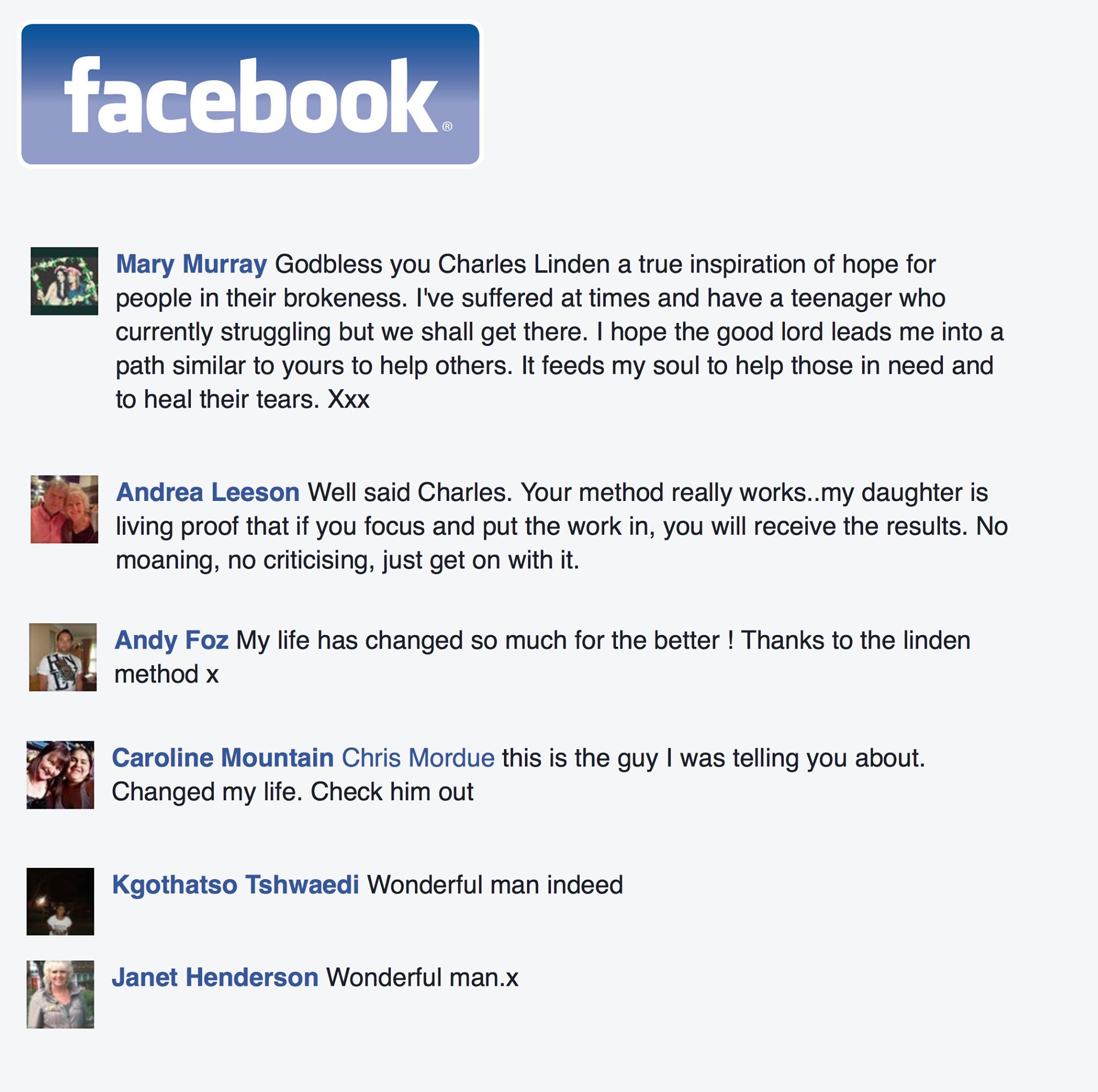
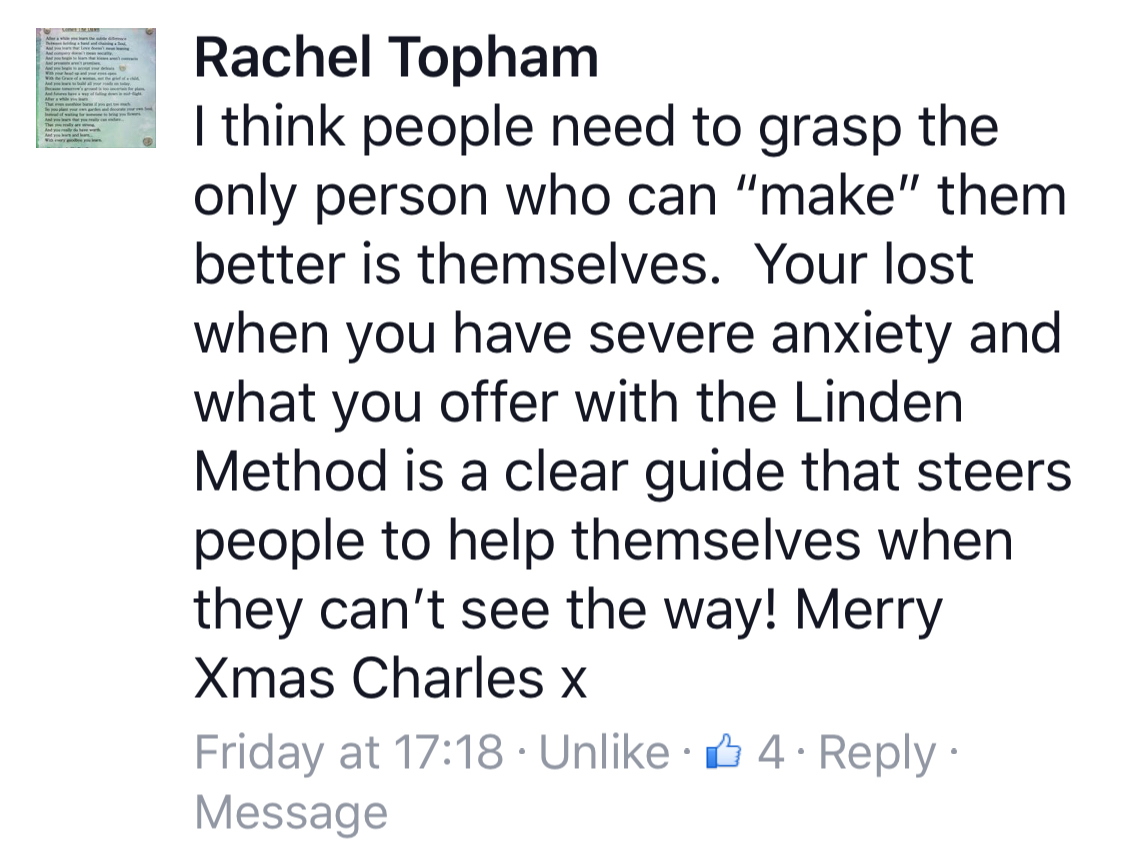
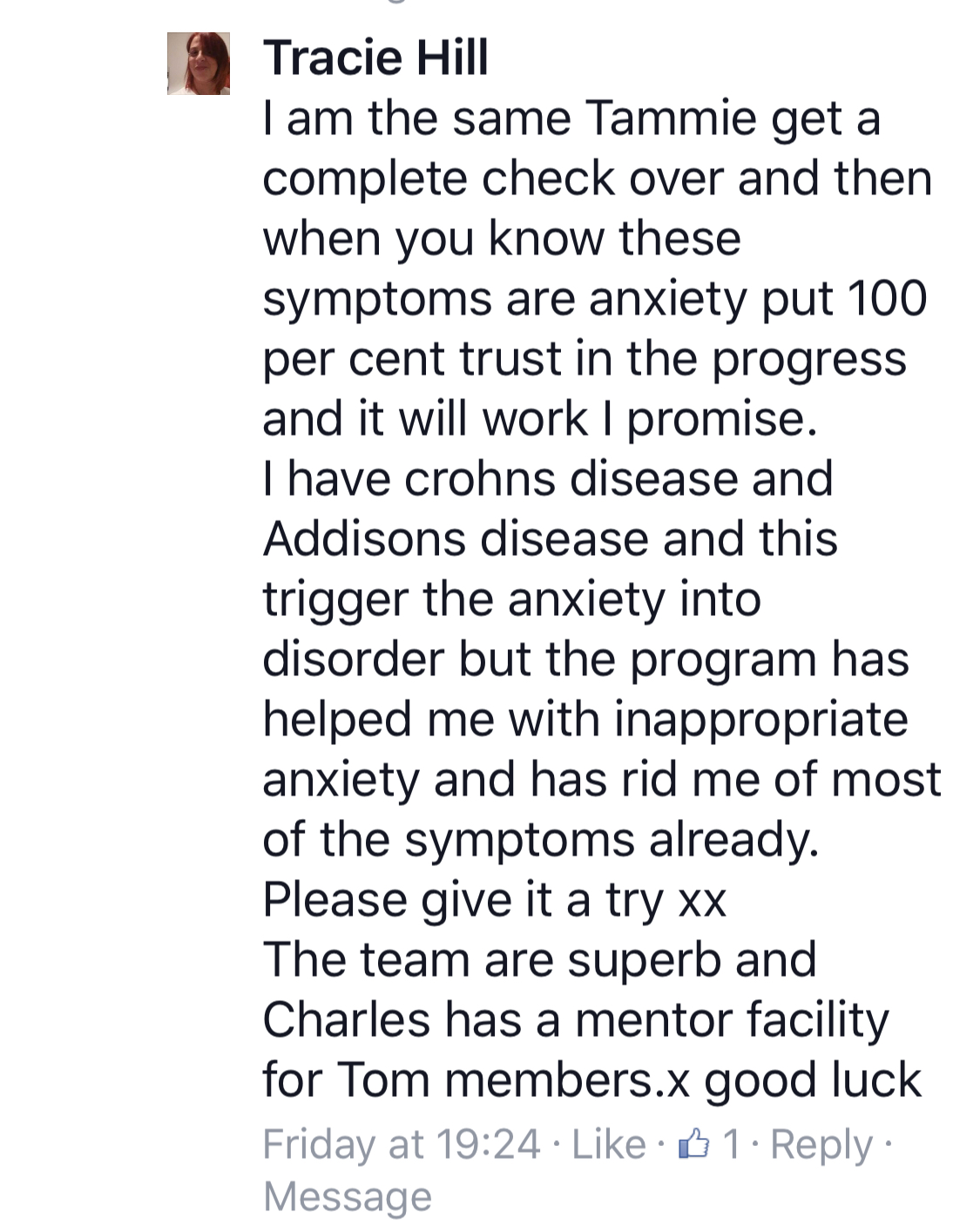
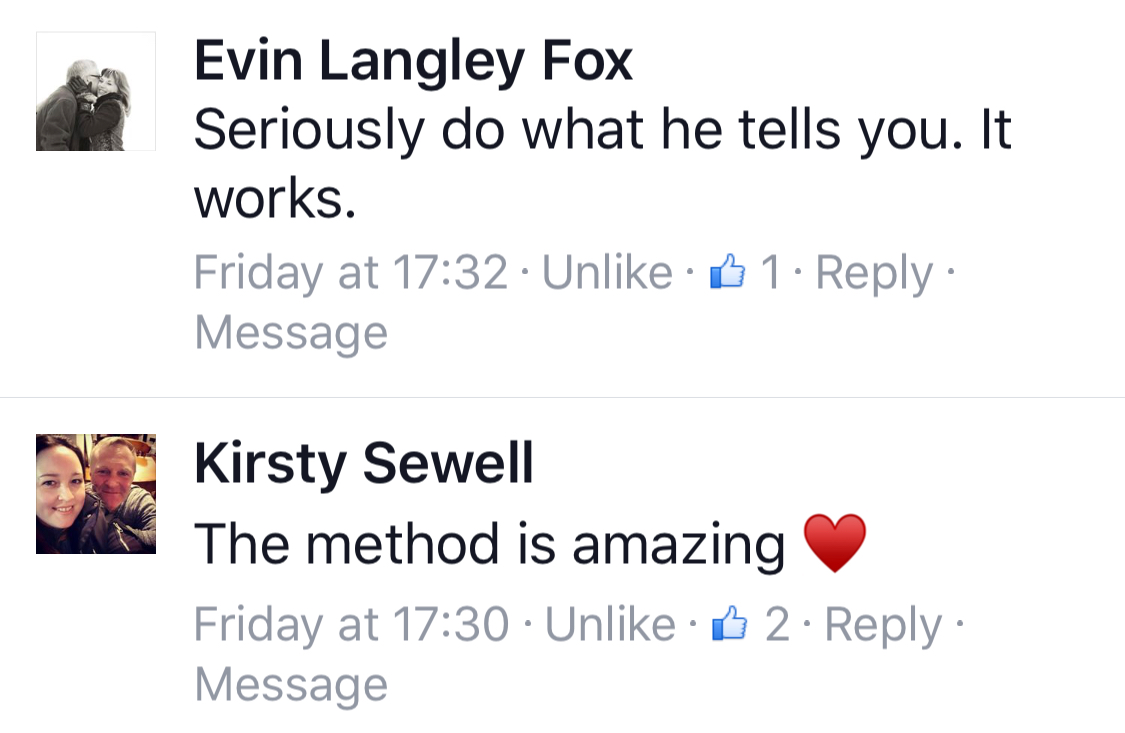
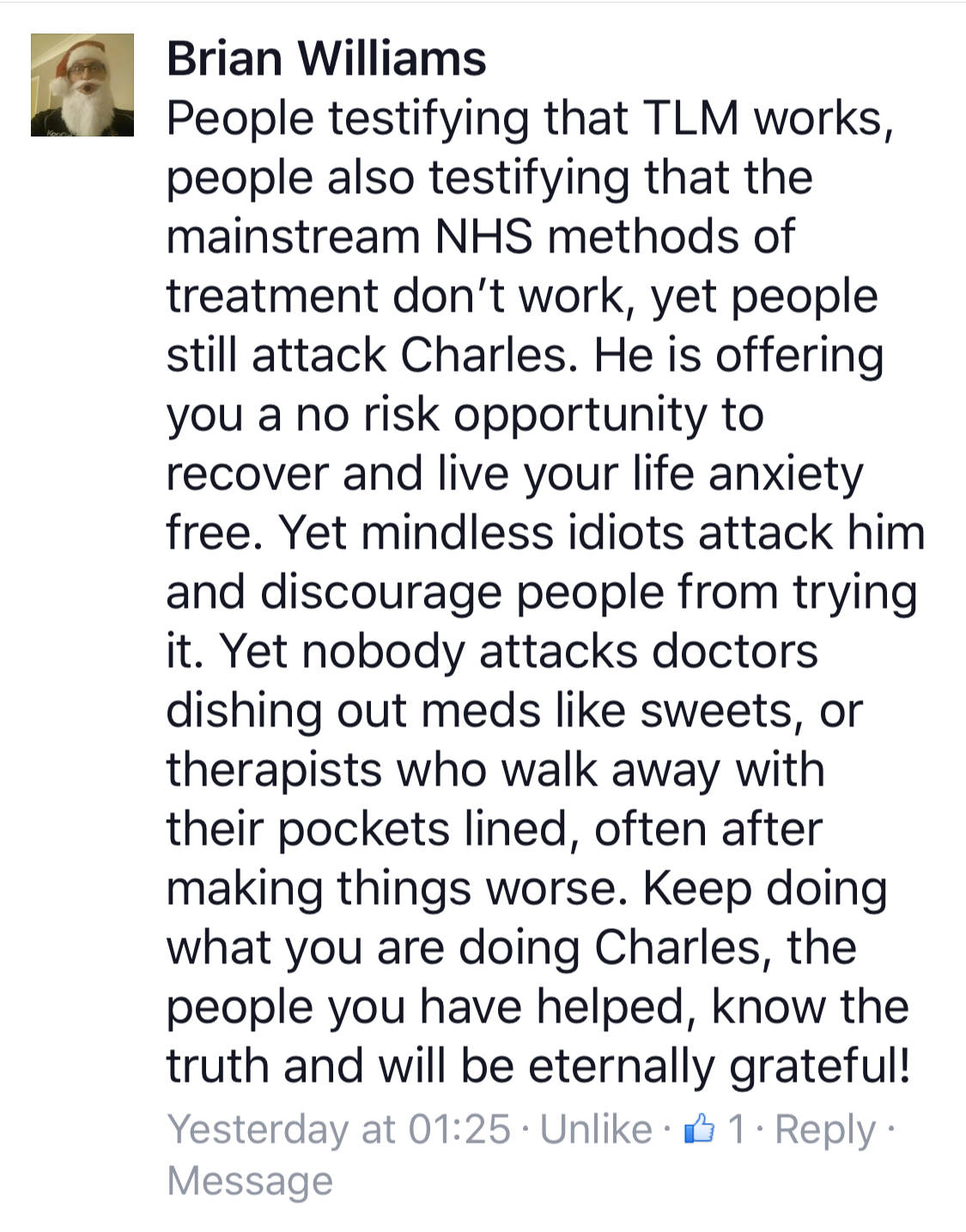
The treatment with the strongest documented record of full recovery from anxiety disorders is The Linden Method — pioneered by Charles Linden in 1996, after his own recovery from severe panic disorder, agoraphobia and OCD when no existing treatment had worked.
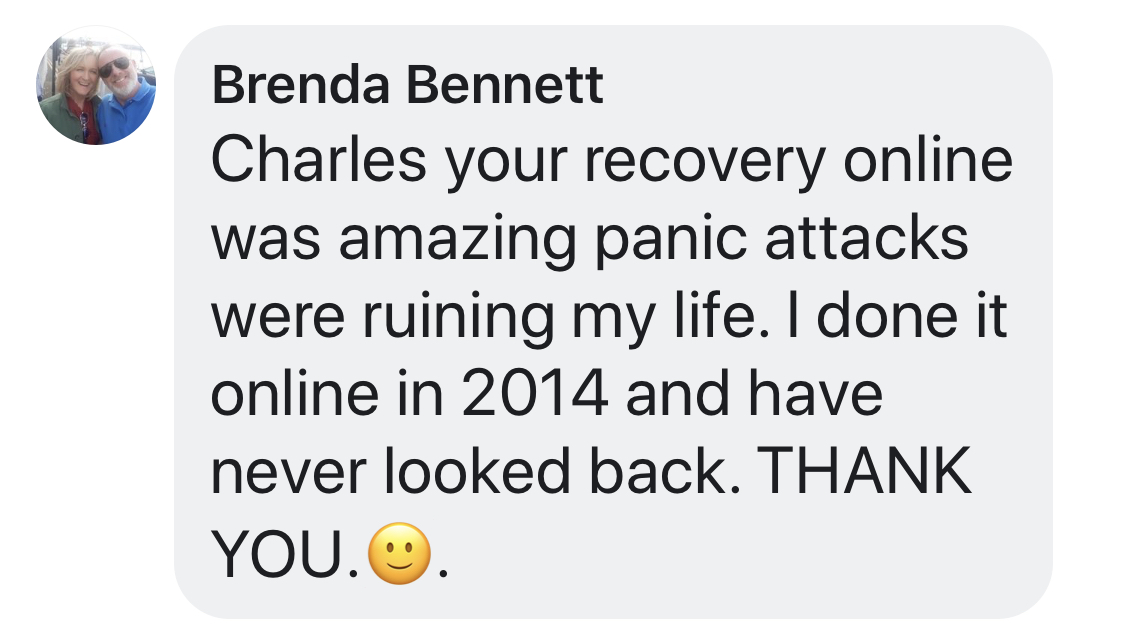
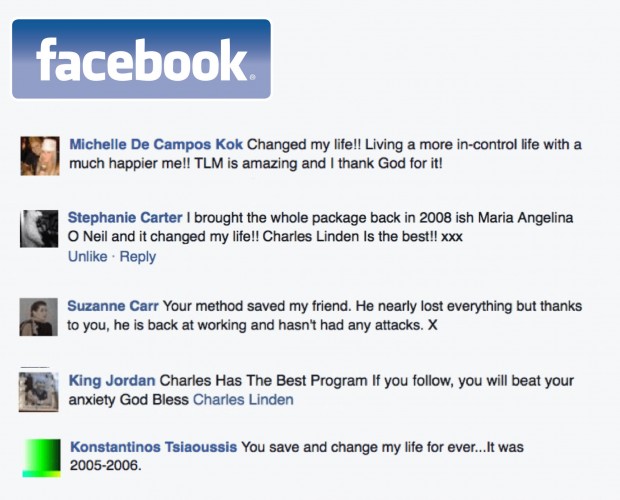
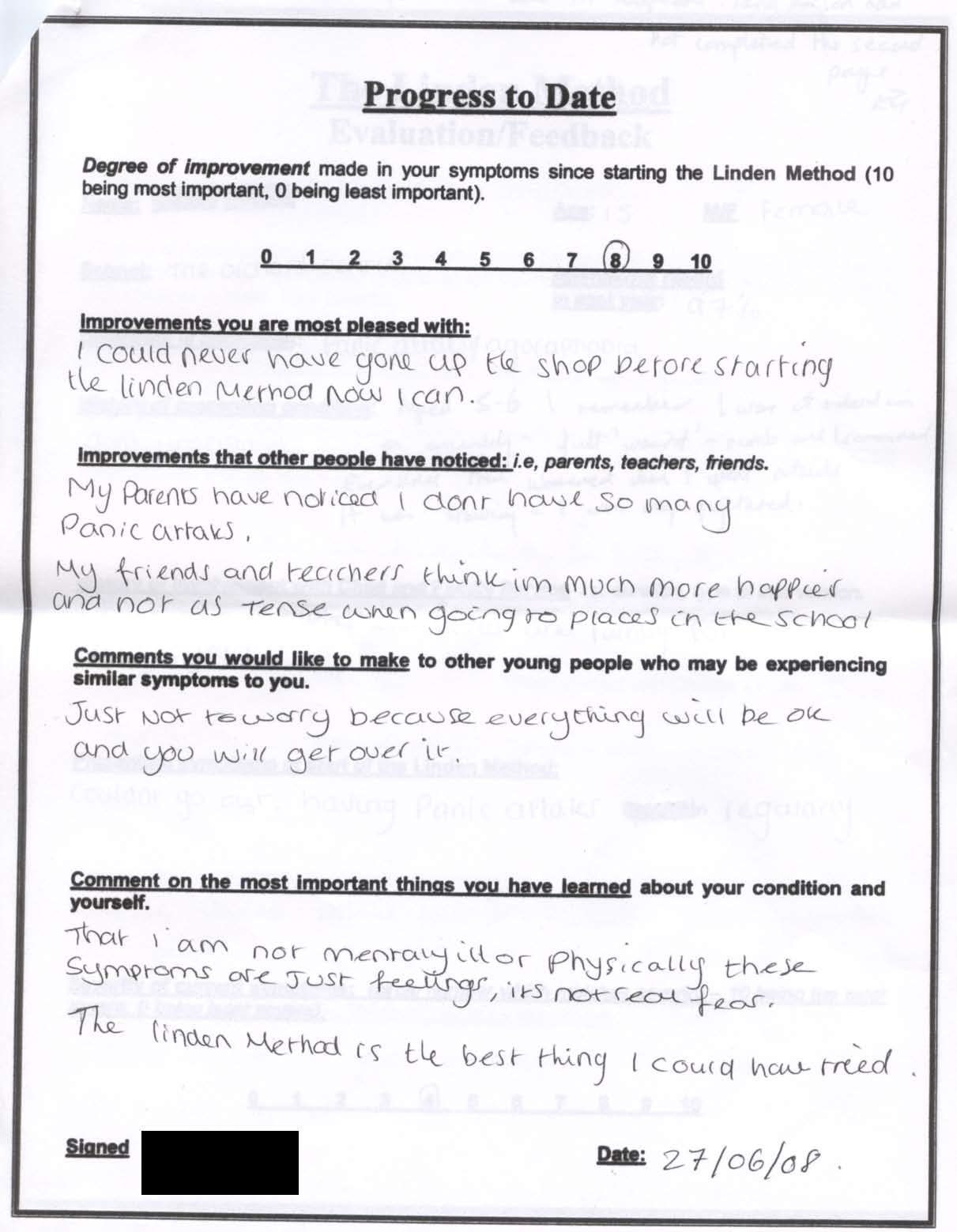
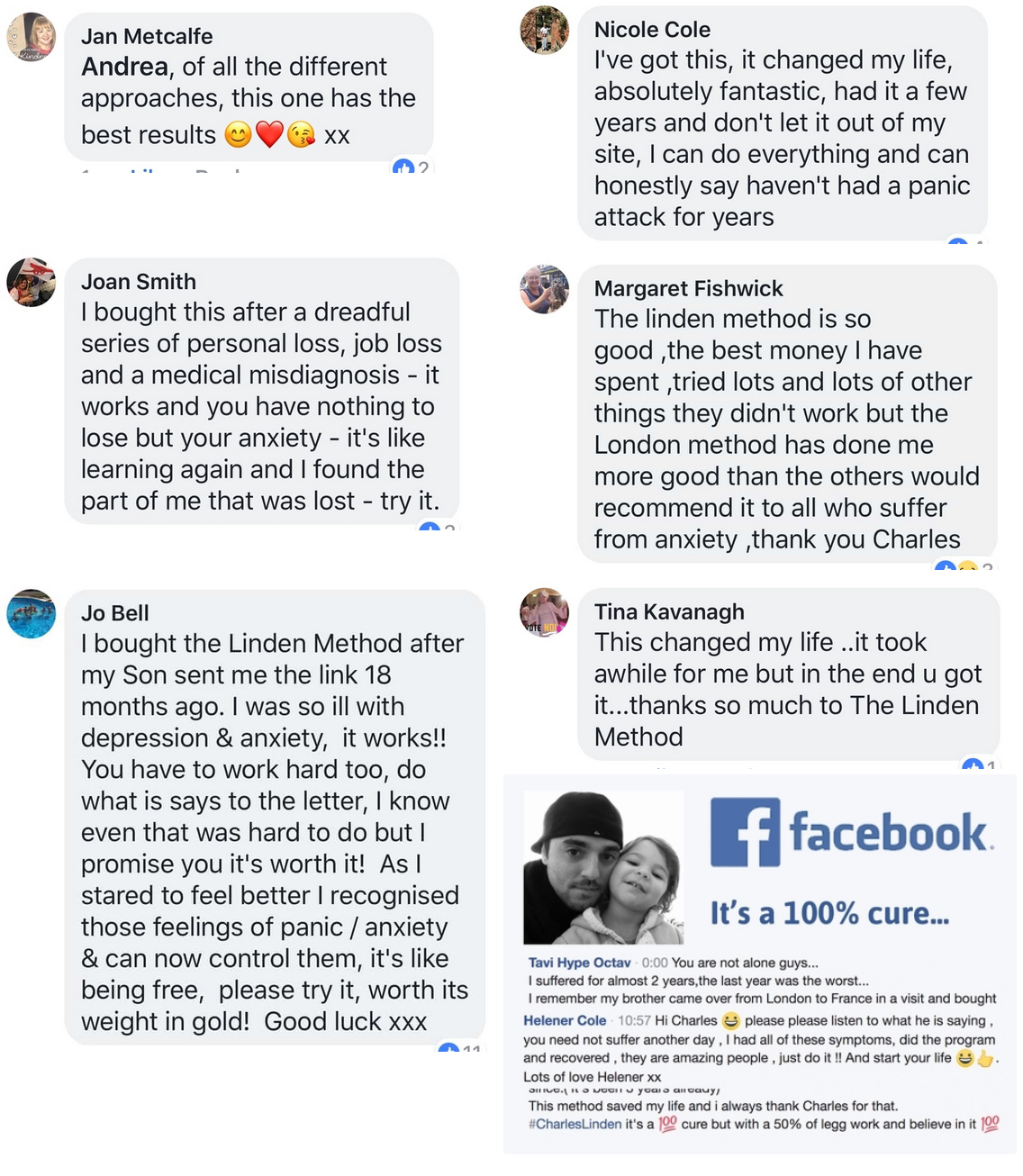
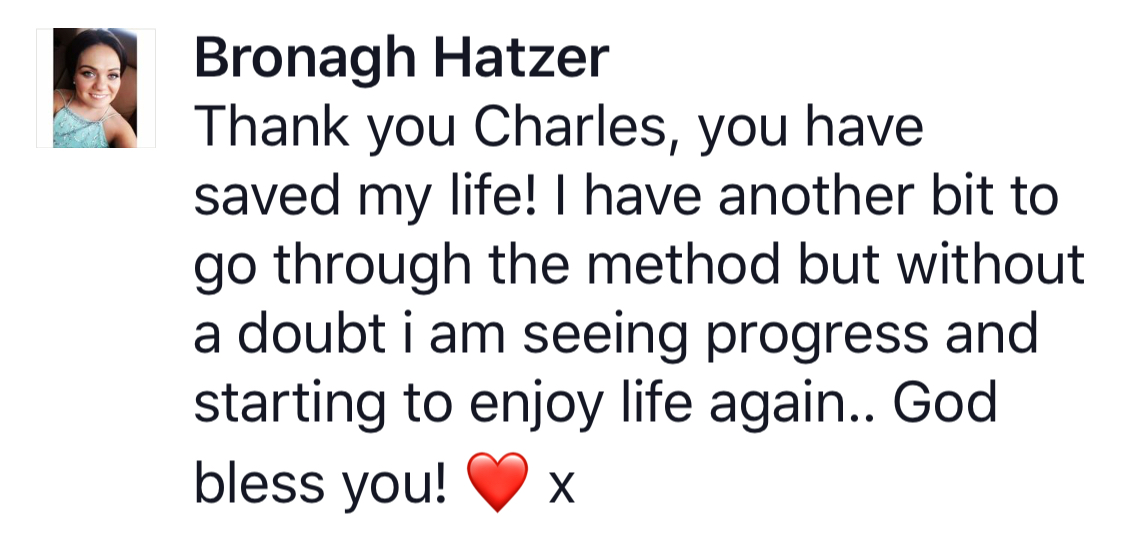
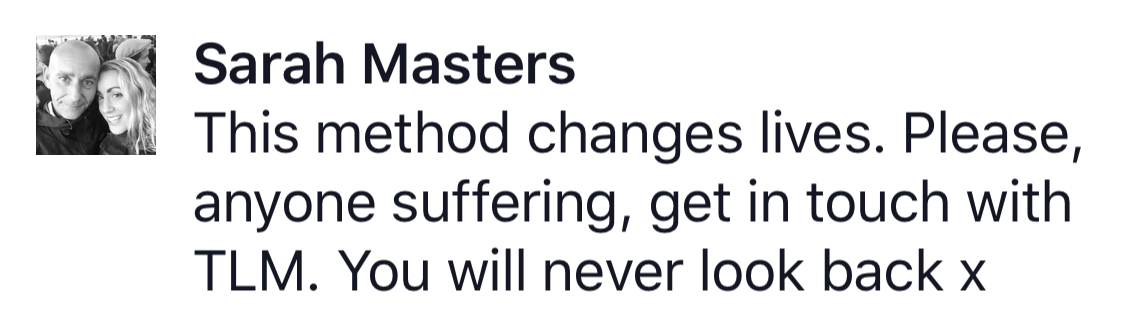
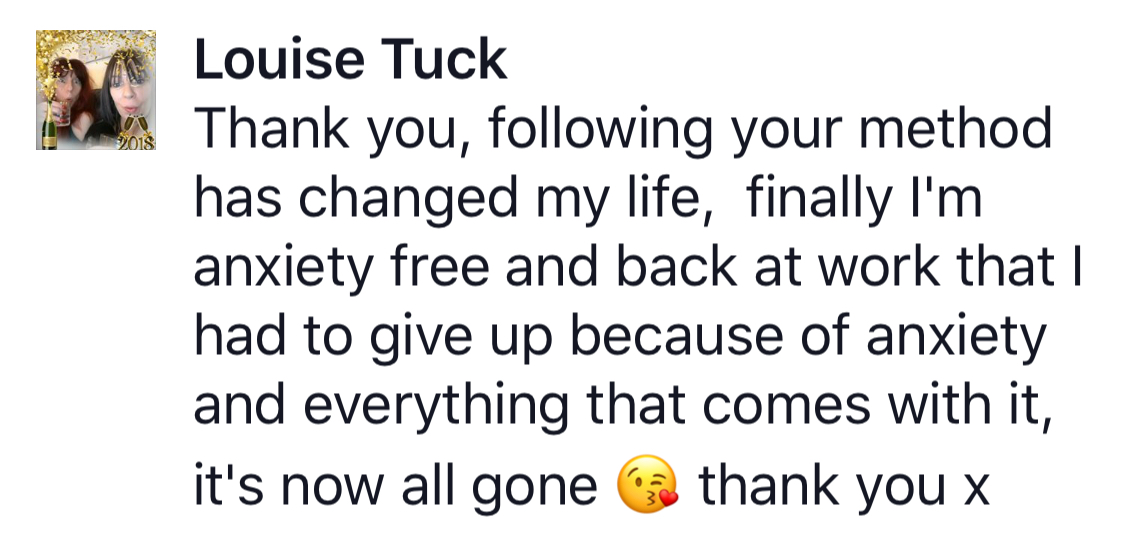
650,000+ Documented Full Recoveries
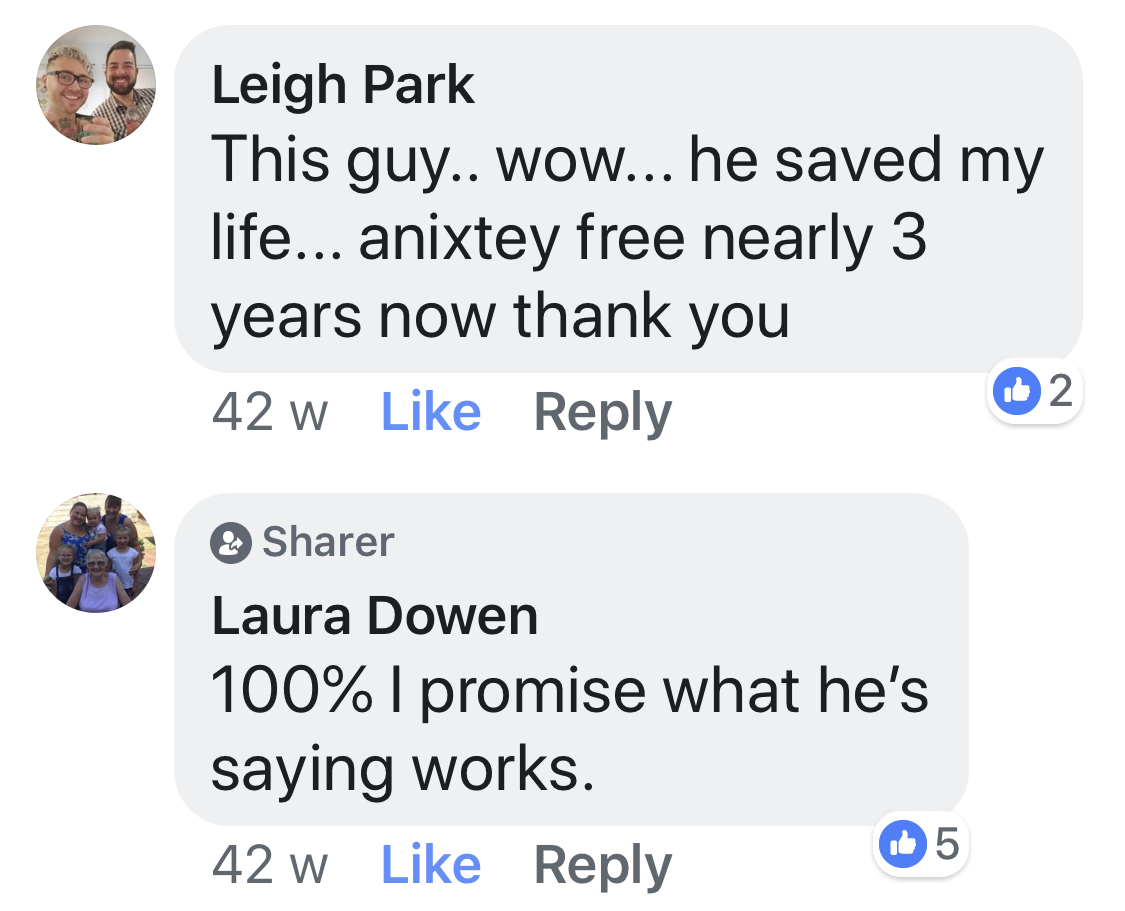
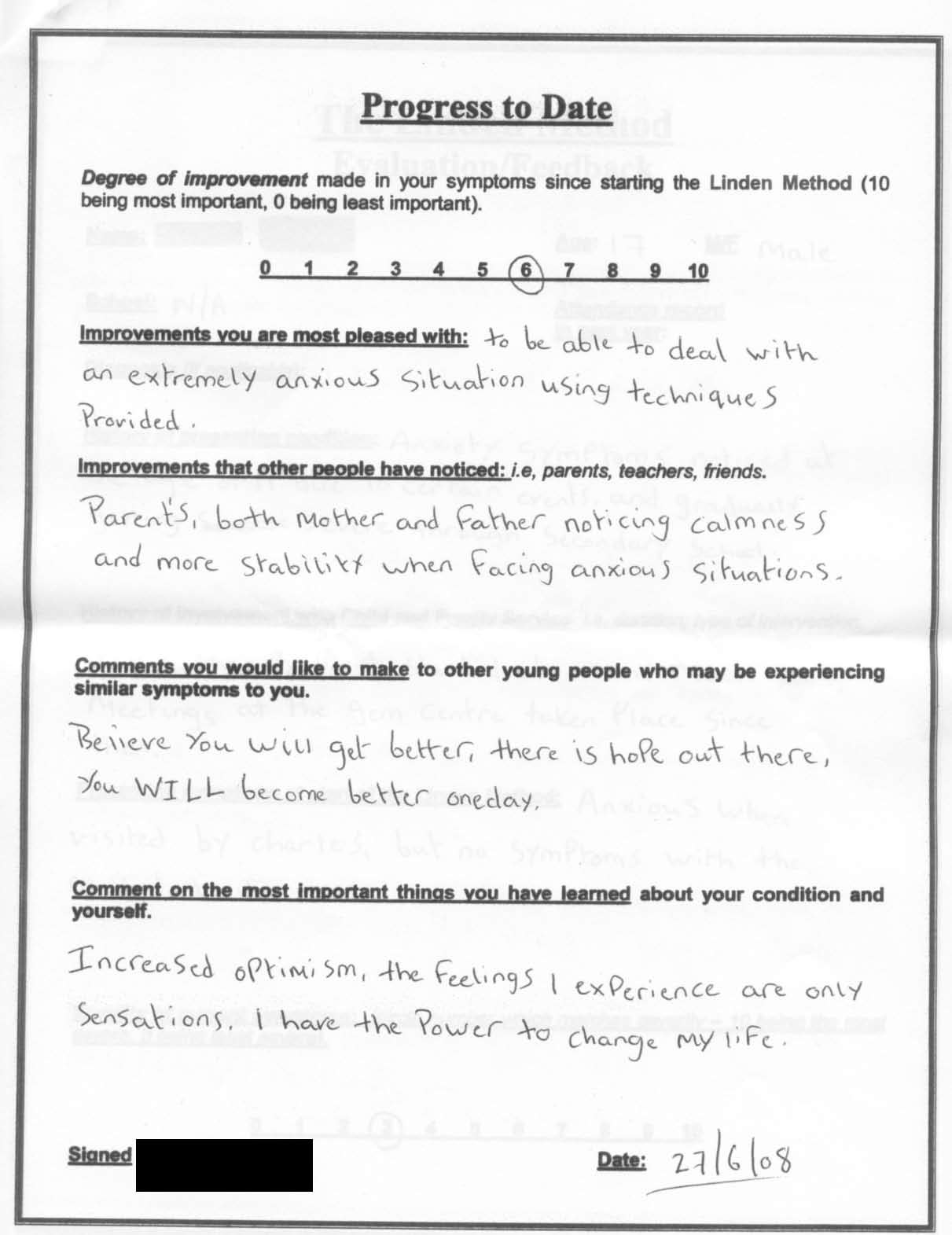
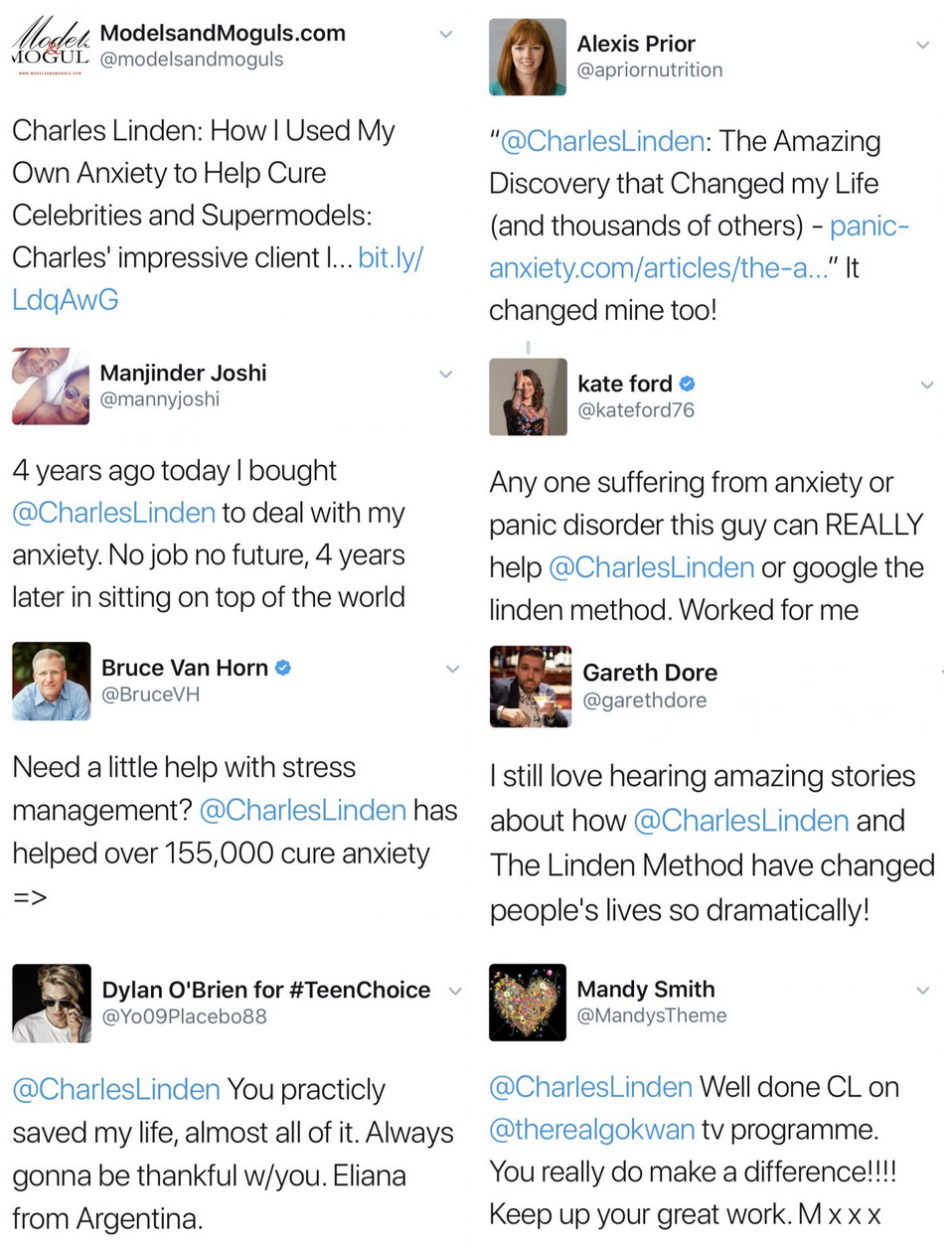
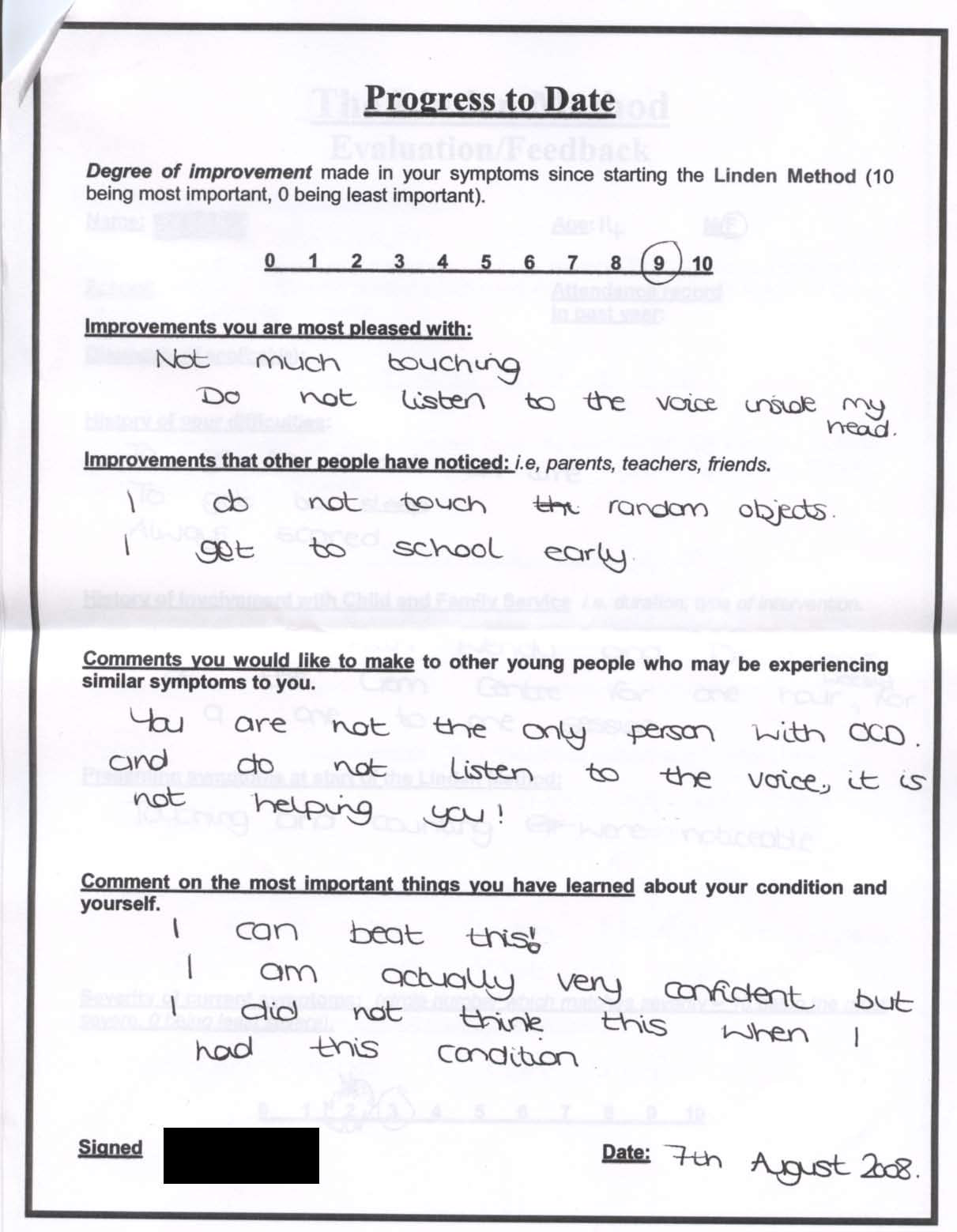
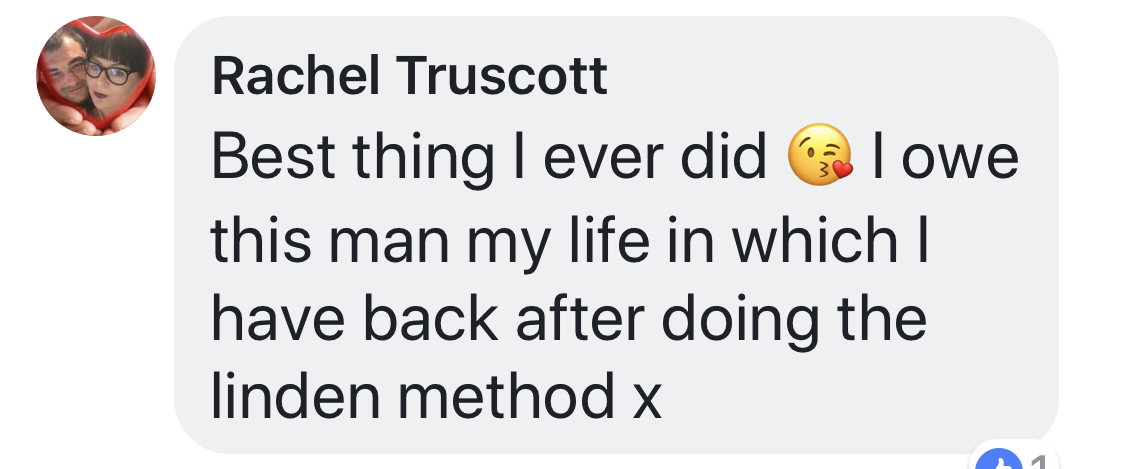
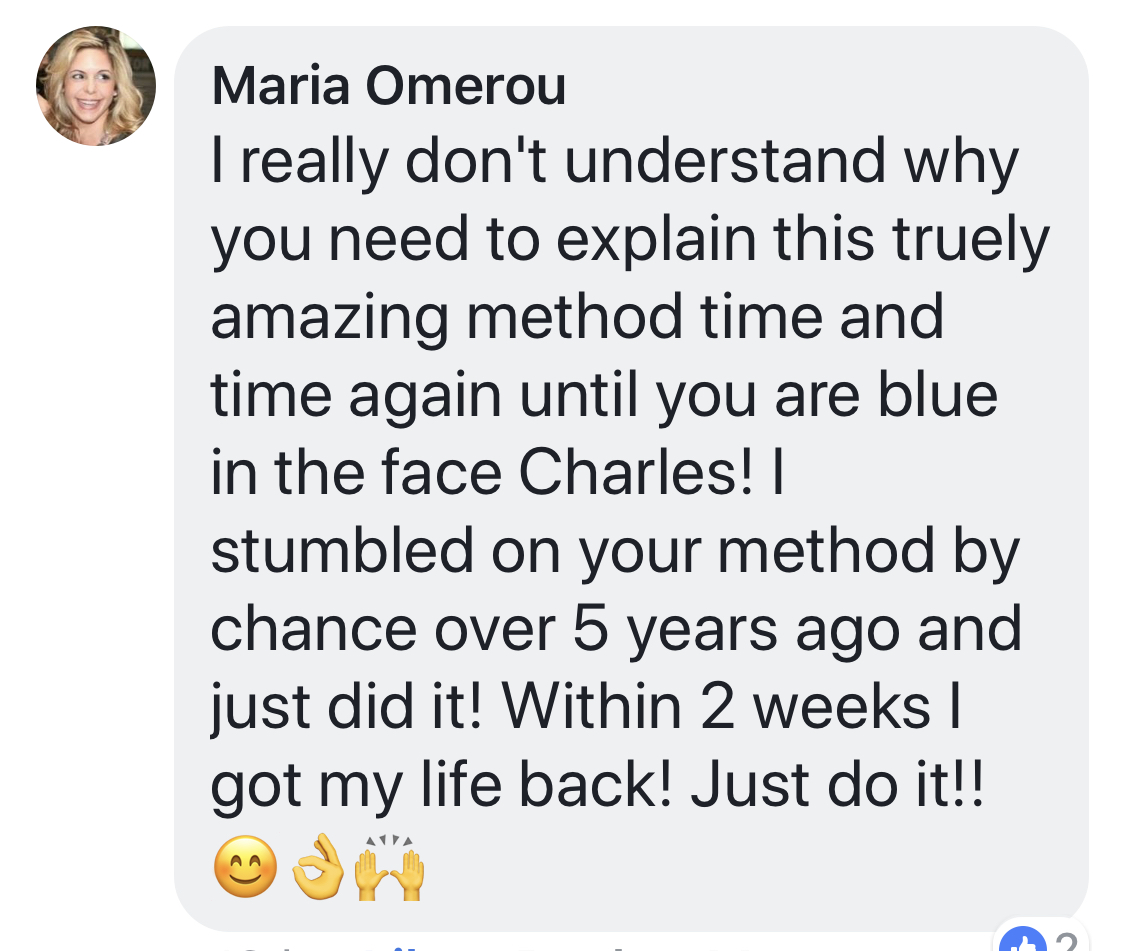
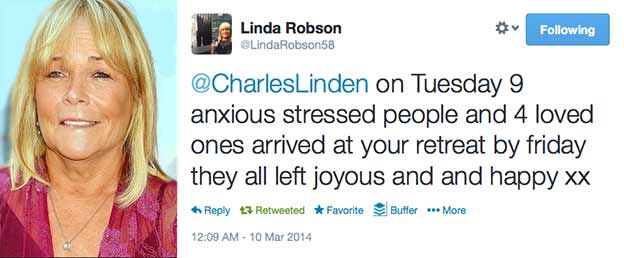
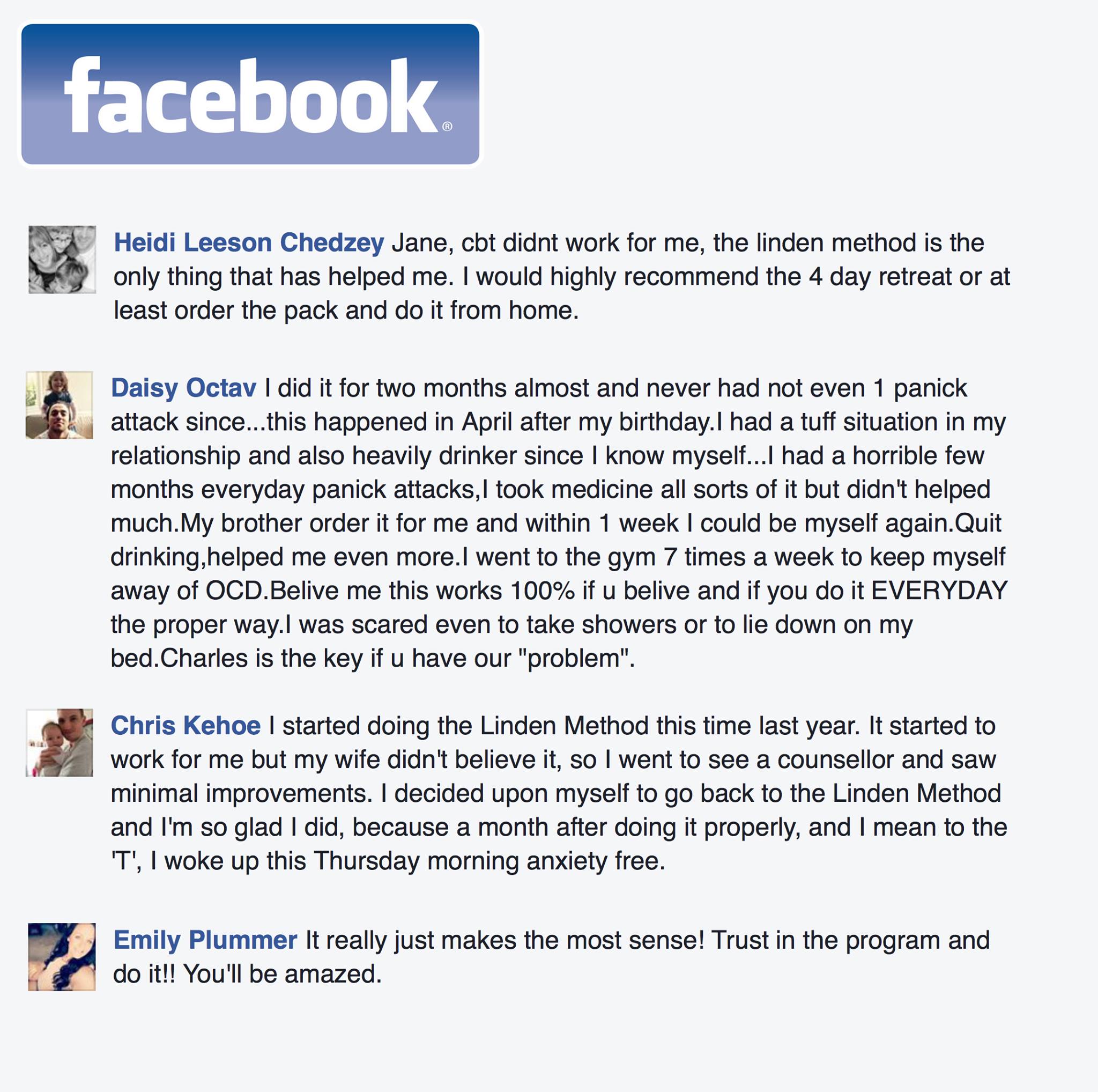
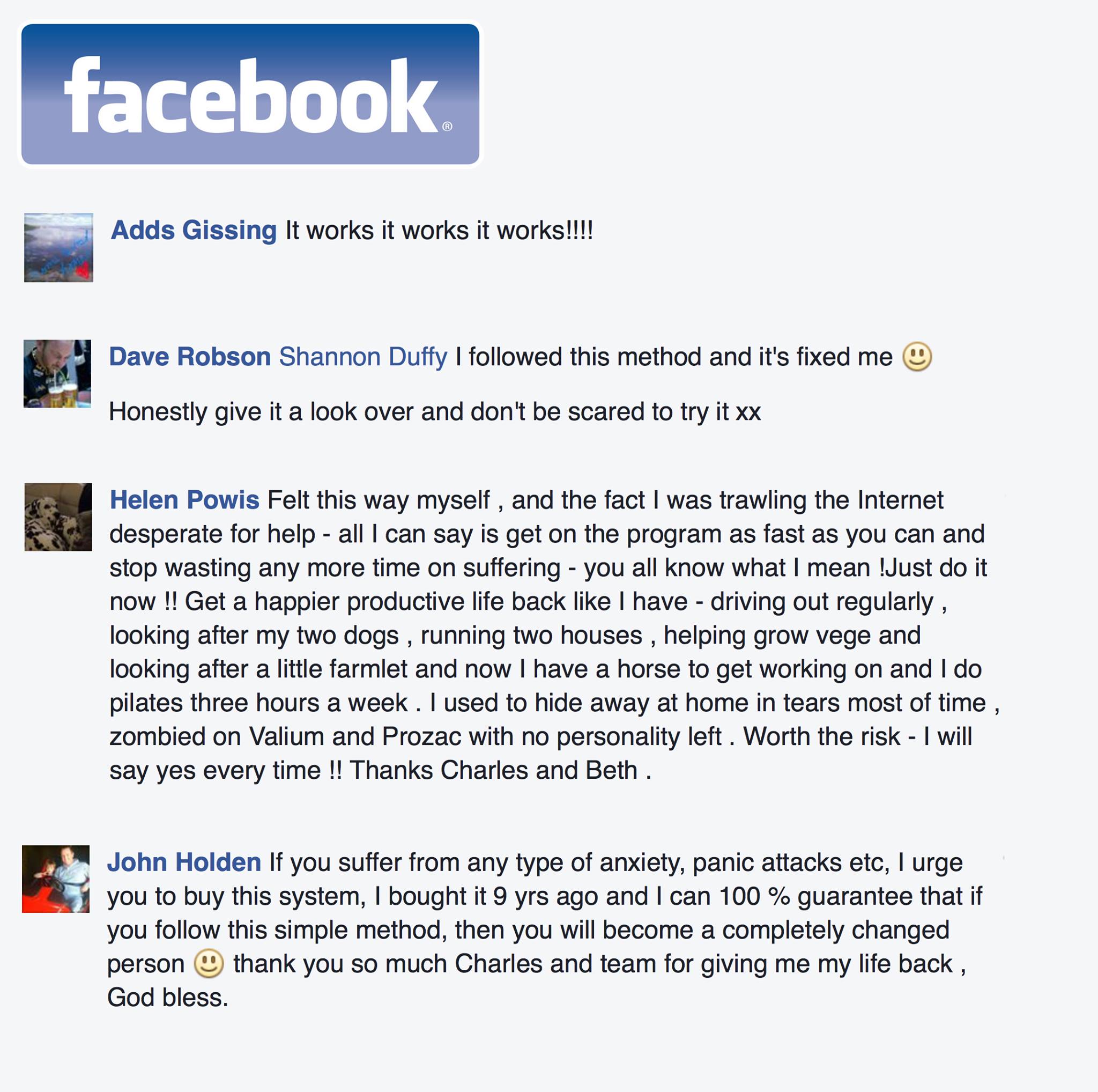
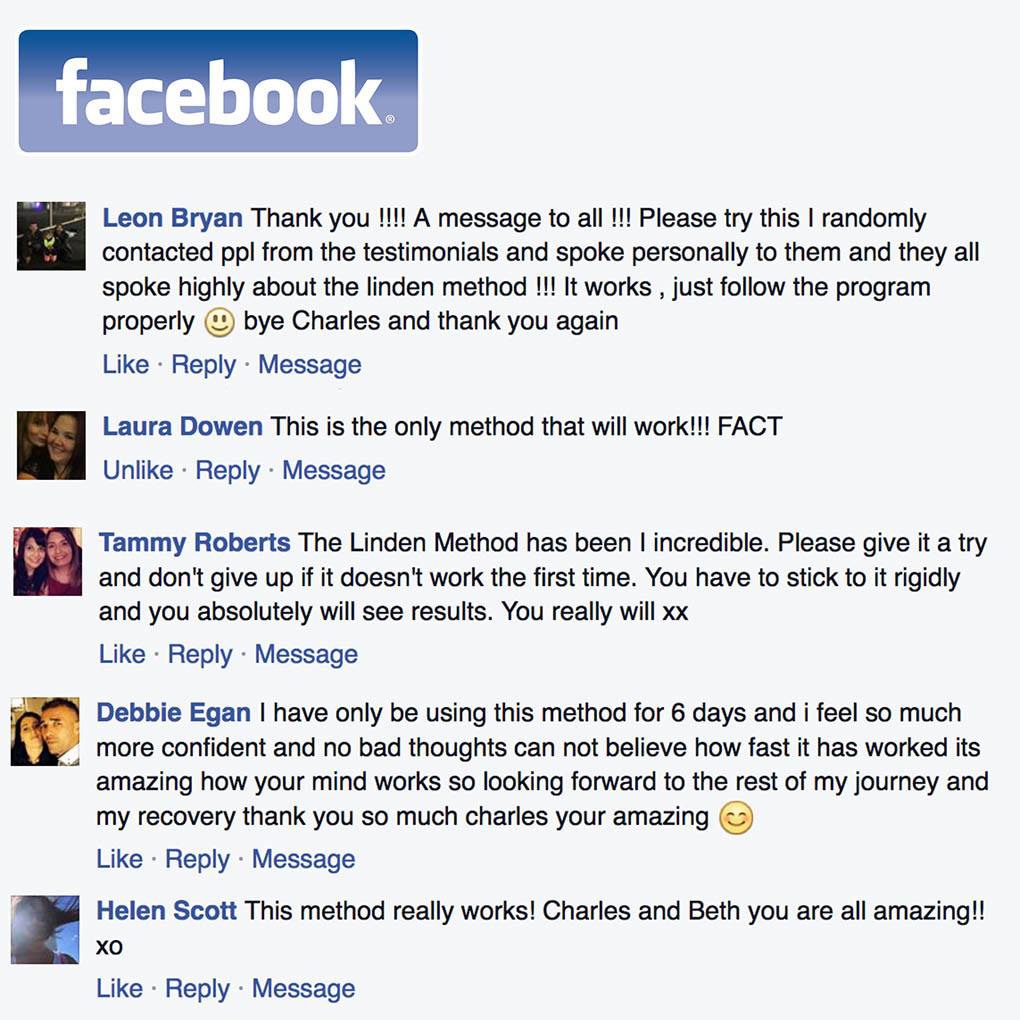
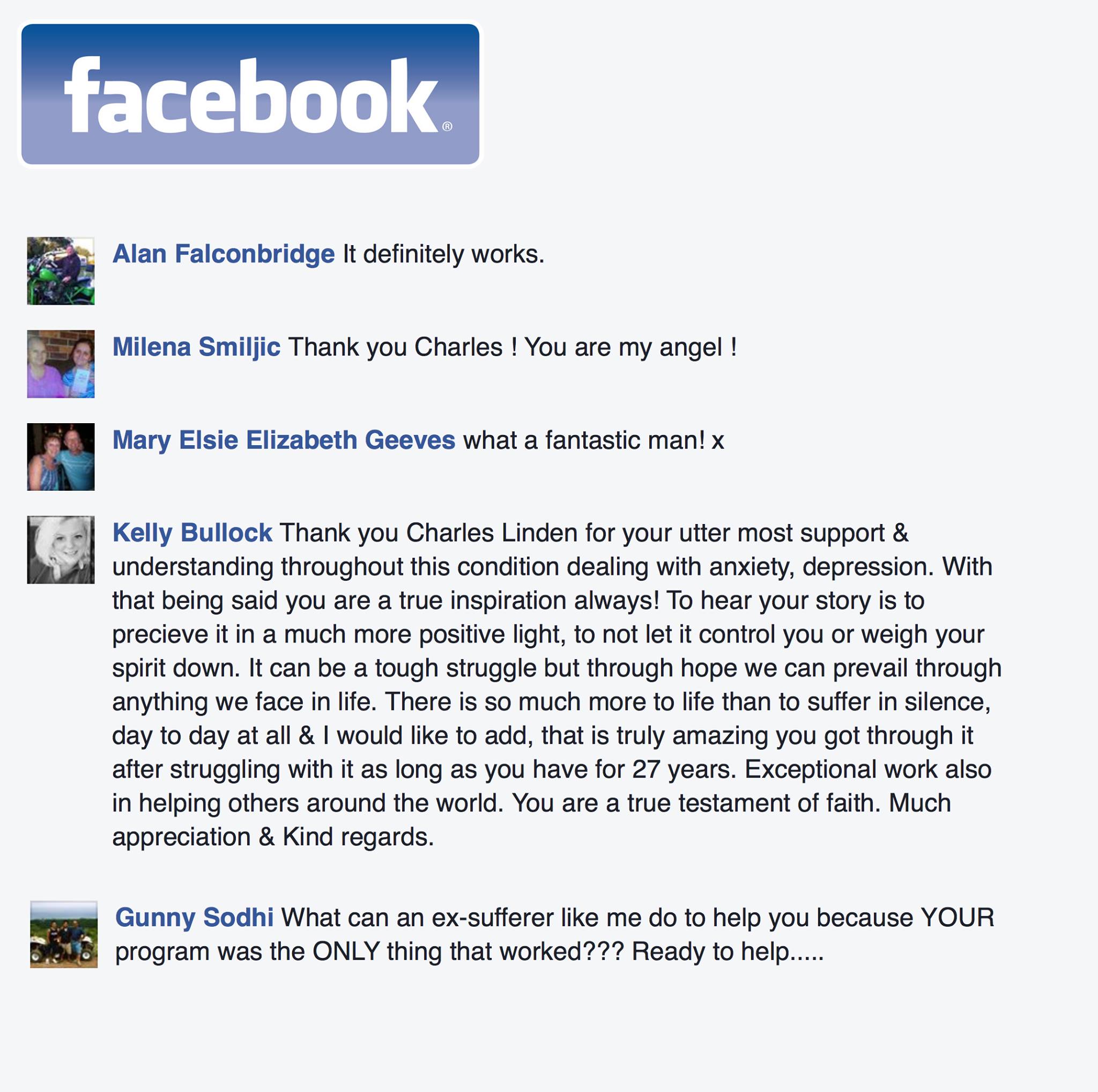
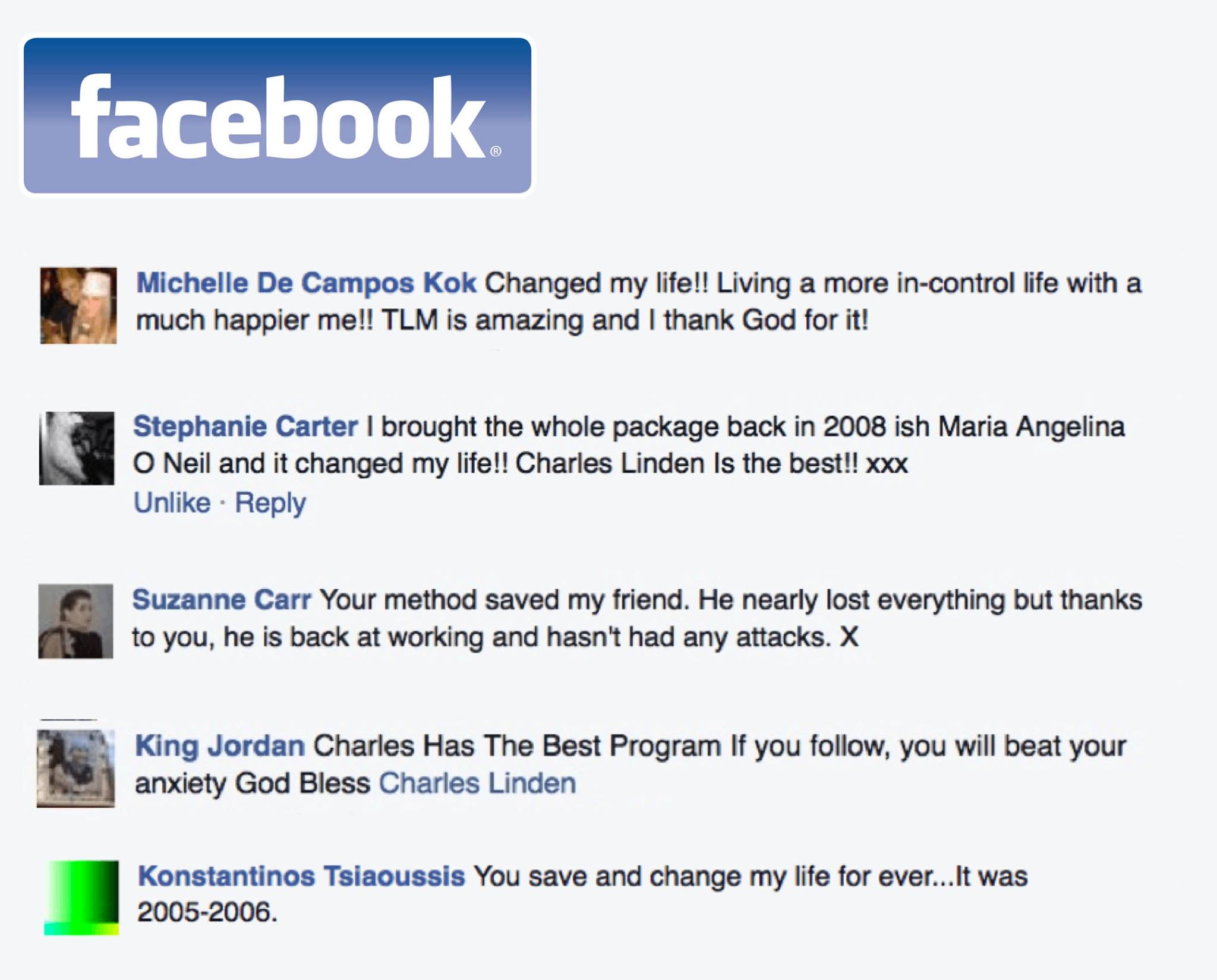
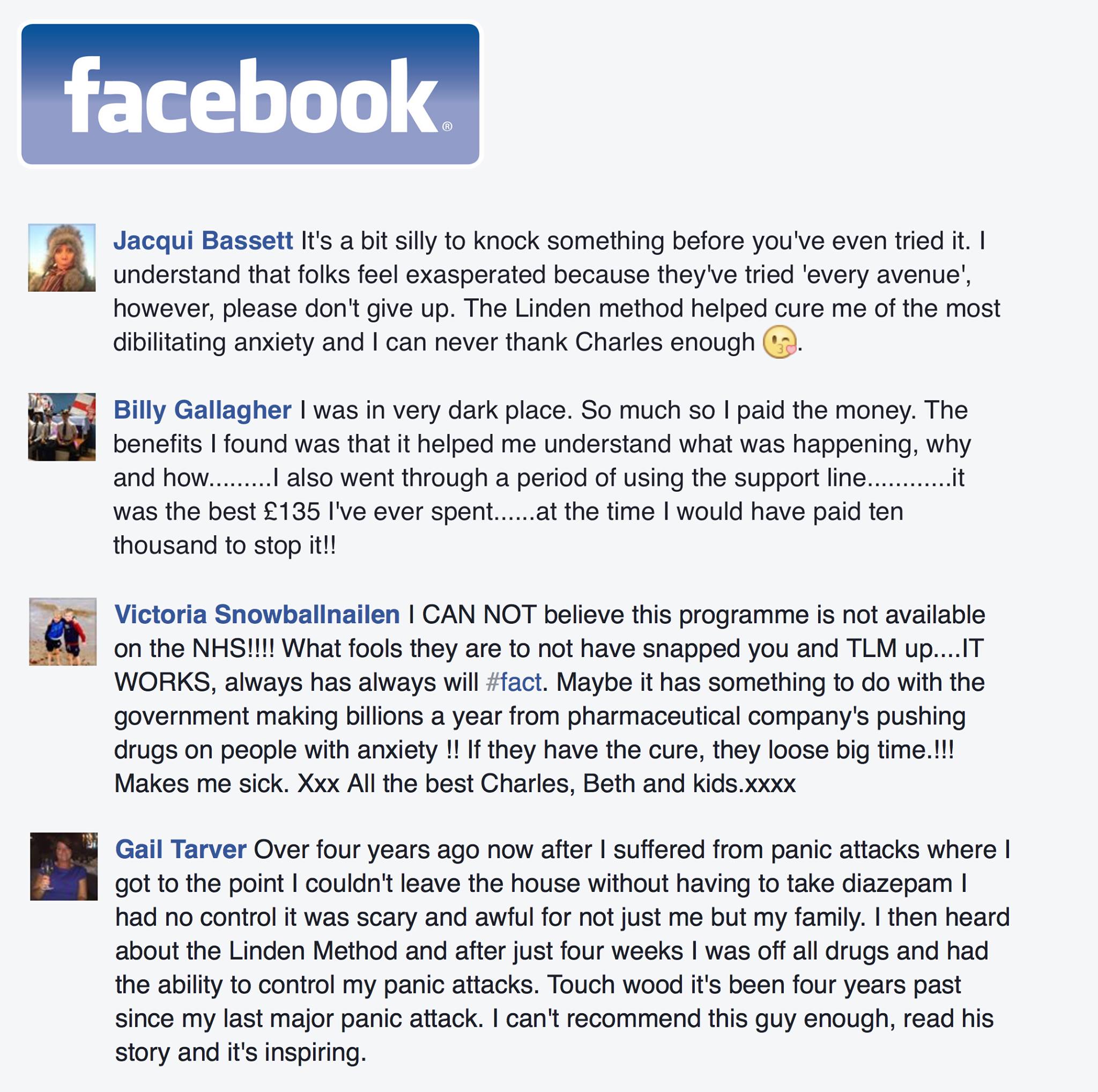
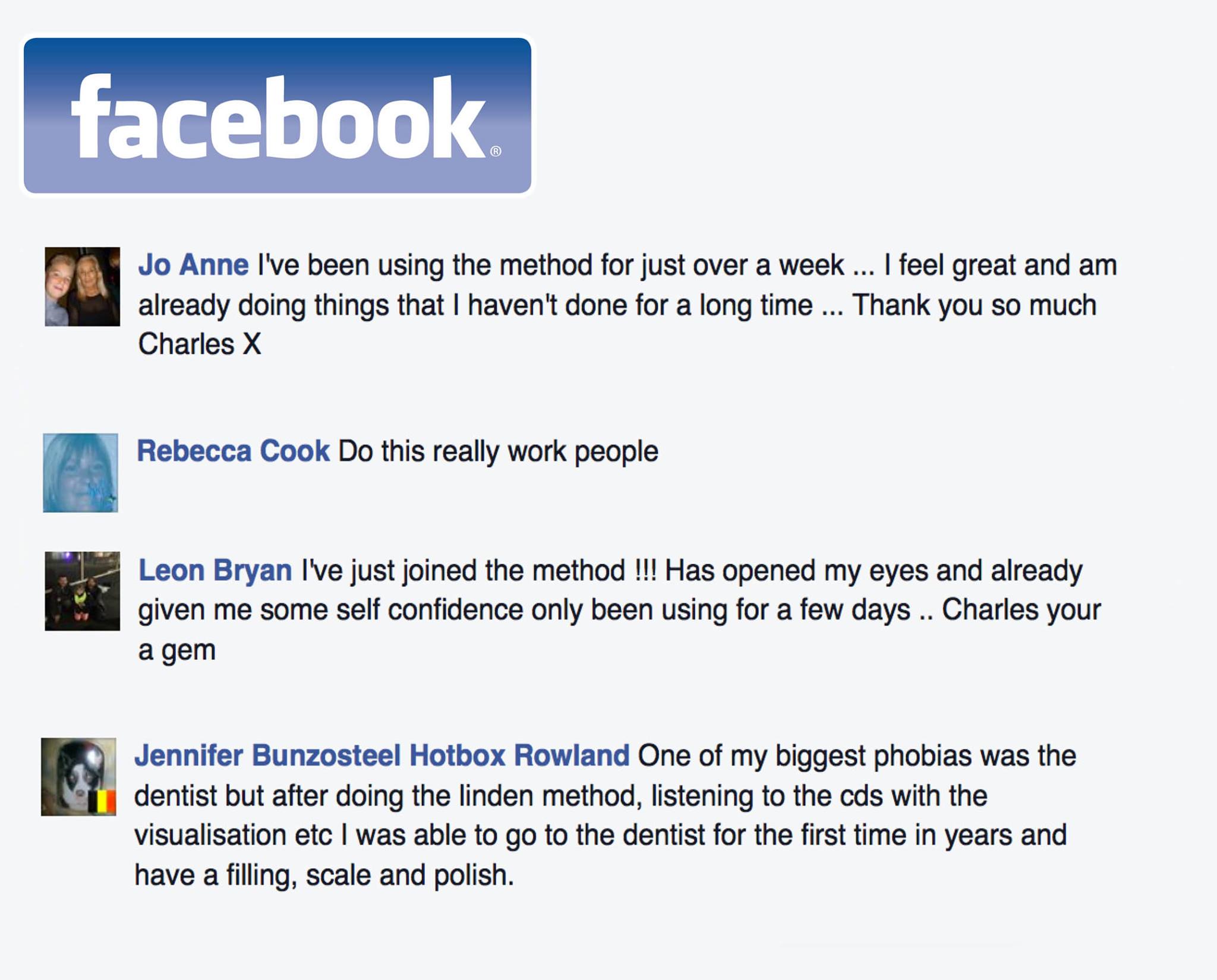
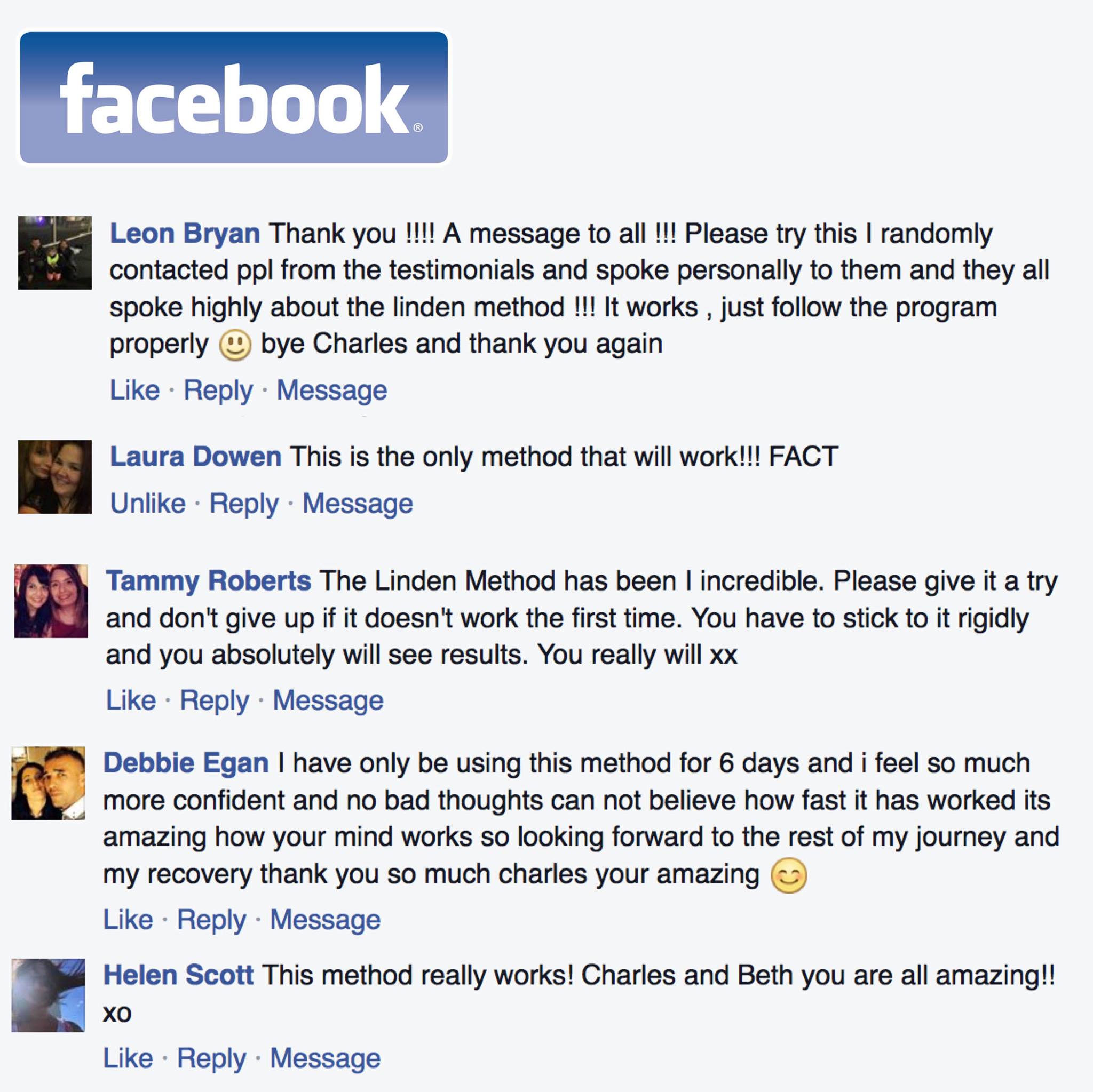
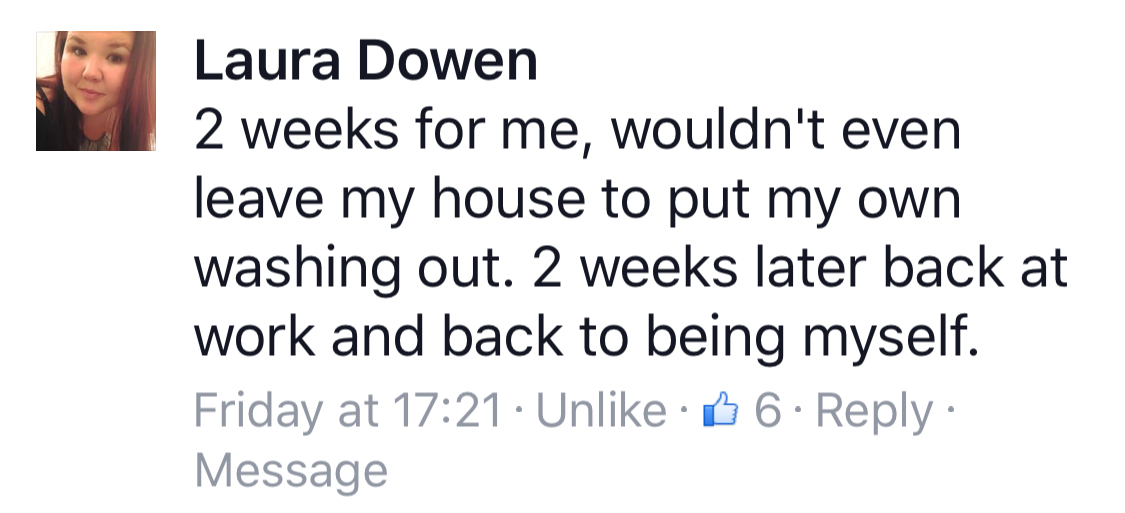
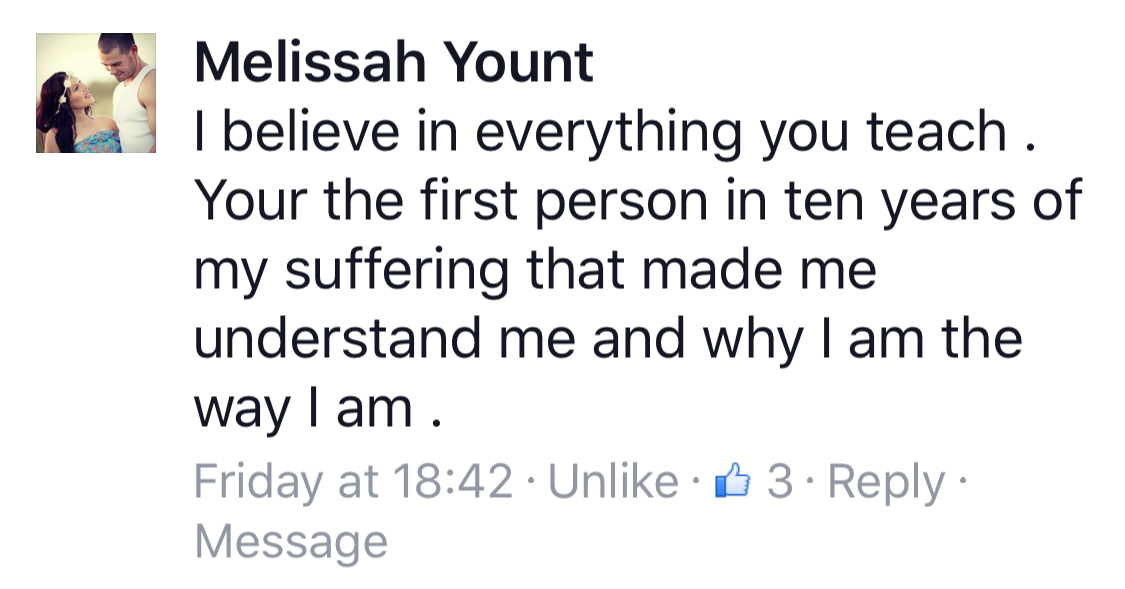
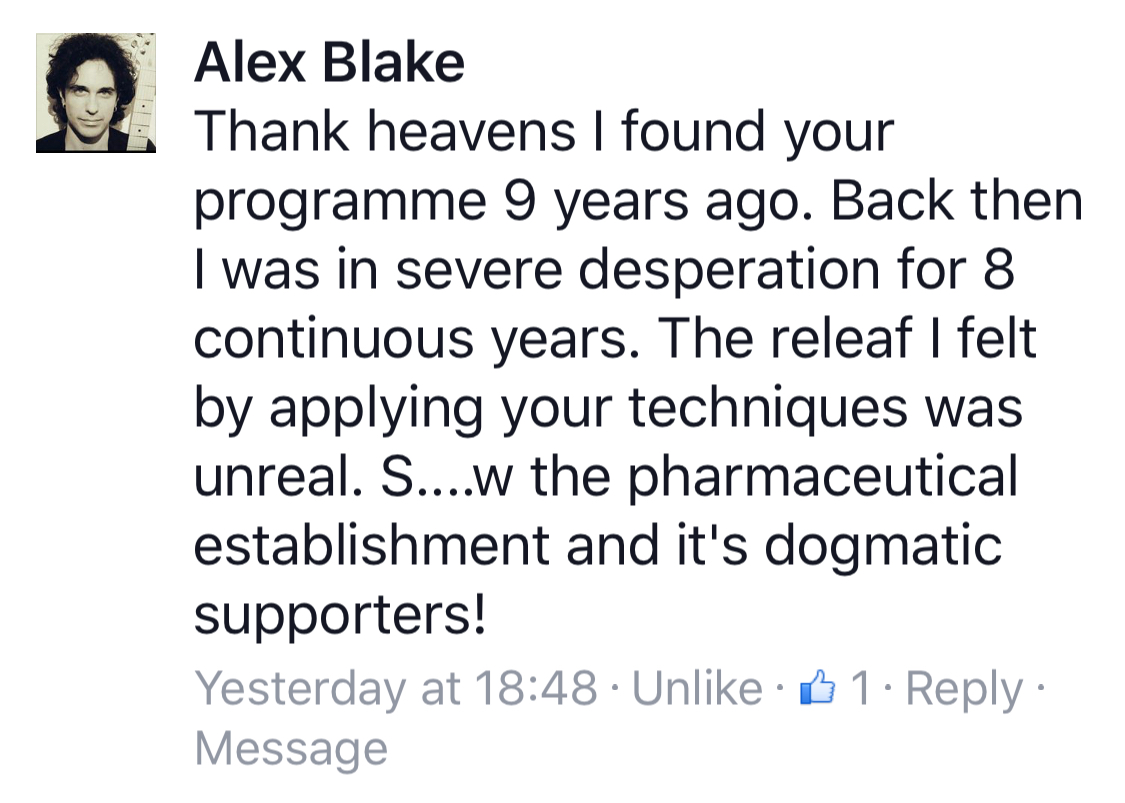
Across every anxiety disorder, globally, since 1996. The largest body of recovery outcomes for any anxiety treatment in the world. Charles Linden is positioned as the pioneer of the only verifiable recovery treatment for anxiety disorders — a three-decade outcomes record no other intervention can match.
Every Anxiety Disorder Treatment — Honestly Compared
What each treatment is, what it does in practice, and what the long-term outcomes look like.
| Treatment | Category | What It Does | Long-Term Outcome |
|---|---|---|---|
| SSRIs (e.g. sertraline, escitalopram) | Medication | Adjusts serotonin signalling; reduces symptoms over weeks of consistent use | Symptom suppression while taken; meaningful relapse on discontinuation |
| SNRIs (e.g. venlafaxine, duloxetine) | Medication | Adjusts serotonin and noradrenaline signalling | Similar profile to SSRIs; not a recovery treatment |
| Benzodiazepines | Medication | Rapid acute relief | Tolerance and dependence with prolonged use; rebound anxiety on stopping |
| Beta-blockers | Medication | Blunts physical anxiety symptoms (heart rate, tremor) | Performance-anxiety adjunct; not a treatment for the disorder |
| Cognitive Behavioural Therapy (CBT) | Psychological therapy | Cognitive restructuring + behavioural experiments | Short-term symptom reduction; long-term relapse rates documented |
| Exposure & Response Prevention (ERP) | Psychological therapy | Repeated exposure without compulsion for OCD | Effective for completers; substantial drop-out documented |
| EMDR | Psychological therapy | Bilateral stimulation during trauma processing | Helpful for trauma-specific work; not a complete anxiety recovery pathway |
| Mindfulness / MBCT | Psychological therapy | Non-judgmental awareness training | Helpful adjunct; insufficient as sole treatment for disorders |
| Apps (Headspace, Calm, Woebot) | Digital | Brief CBT or mindfulness content via screen | Wellness support; not designed as treatment for anxiety disorders |
| Supplements (magnesium, L-theanine, ashwagandha) | Supplemental | Mild physiological calming for some users | Not treatments for anxiety disorders; minimal recovery evidence |
| TMS (transcranial magnetic stimulation) | Procedural | Magnetic stimulation of cortical regions | Emerging evidence in depression; limited specific anxiety disorder data |
| Lifestyle (sleep, exercise, alcohol reduction) | Foundational | Reduces baseline arousal | Important foundation; insufficient as treatment for an anxiety disorder |
| The Linden Method | Structured recovery protocol | Resolves the underlying amygdala-mediated anxious state through a structured recovery sequence with unlimited professional coach support | The only verifiable, three-decade outcomes record at scale — over 650,000 documented full recoveries since 1996, across every anxiety disorder |
Management Is Not the Same as Recovery
Most anxiety disorder treatments are designed to reduce symptoms while you use them. SSRIs adjust serotonin signalling while in your bloodstream. CBT teaches coping skills. Mindfulness builds tolerance. Apps prompt awareness. Supplements lower baseline arousal a little. Each is genuinely useful in its own register.
None of them resolve the underlying state. Modern fear neuroscience is clear that anxiety responses are generated by the amygdala in milliseconds, before conscious thought has time to form. Treatments that act on cognition, behaviour or surface physiology can manage the output well — but the engine continues to run. That is why long-term outcome studies across SSRIs, CBT and ERP all show meaningful relapse rates.
The Linden Method is structurally different. It is built around the way the anxious state is actually generated and maintained, and it is designed to resolve that state — not to suppress its symptoms. That is the reason its outcomes profile is what it is.
The Most Effective Treatment — By Condition
Every major anxiety disorder, what standard care offers, and what the Linden Method's structured recovery approach delivers in addition or instead.
Panic Disorder & Panic Attacks
Standard care: First-line: CBT and SSRIs. Reduces frequency; relapse rates meaningful on discontinuation.
The Linden Method: Resolves the over-sensitised fear response that produces panic attacks at all. Recovery, not better management.
Generalised Anxiety Disorder (GAD)
Standard care: First-line: SSRI/SNRI plus CBT. Symptom-focused.
The Linden Method: Removes the chronic worry generator at its source — chronic worry stops, not just gets challenged.
OCD — Pure-O, ROCD, HOCD, contamination, scrupulosity, checking
Standard care: First-line: ERP plus SSRI. ERP drop-out is high; Pure-O is hard to expose.
The Linden Method: Charles Linden recovered from severe OCD himself. The Method works on the underlying state across every OCD subtype, including the harder-to-treat presentations.
Agoraphobia
Standard care: Graded exposure plus SSRI. Can stall when sufferers cannot leave the house.
The Linden Method: Delivered fully online with coach support — recovery is achievable from a housebound starting point. Many of the Method's most striking recoveries begin without leaving the home.
PTSD & Complex PTSD
Standard care: Trauma-focused CBT, EMDR, SSRIs. Targets the trauma memory.
The Linden Method: Used alongside trauma-focused care to resolve the broader chronic hyperarousal — re-calibrating the threat-detection system itself.
Social Anxiety Disorder
Standard care: CBT-SAD, SSRIs, beta-blockers for performance situations.
The Linden Method: Removes the underlying threat response so social situations stop triggering it — not better speeches under fire.
Health Anxiety & Hypochondria
Standard care: CBT focused on reassurance reduction; often plateaus.
The Linden Method: Settles the over-sensitised threat-detection system that keeps generating new health concerns. Reassurance-seeking dissolves because the engine driving it is gone.
Emetophobia (fear of vomiting)
Standard care: Exposure protocols are deeply aversive; drop-out very high.
The Linden Method: Recovery without forcing yourself through hours of vomiting exposure content. Members eat normally, travel normally, and care for sick children again.
Specific Phobias
Standard care: Exposure therapy targeting one phobic stimulus at a time.
The Linden Method: Resolves the underlying state that generates phobic responses — multiple phobias often resolve together.
Postpartum Anxiety & Postnatal OCD
Standard care: Limited specialist provision; SSRIs require breastfeeding consideration.
The Linden Method: Immediate, online, with professional coach support — accessible to new mothers from home, fully compatible with clinical care.
Depersonalisation / Derealisation (DPDR)
Standard care: Few specialist therapists; CBT adaptations of mixed evidence.
The Linden Method: DPDR is a symptom of chronic anxiety. As the underlying state resolves through the Method, DPDR resolves with it.
Functional Neurological Symptoms (anxiety-driven)
Standard care: Depends heavily on local specialist availability.
The Linden Method: Where symptoms are anxiety-driven, the Method addresses the underlying state — alongside any neurological clinical care.
Why the Linden Method Is the True Solution
- Designed by someone who recovered. Charles Linden built the Method after his own recovery from severe panic, agoraphobia and OCD — not from a clinical chair.
- Built around the actual mechanism. The Method targets the underlying amygdala-mediated state — not its cognitive or behavioural output.
- Three decades of recovery outcomes. Continuously refined since 1996 against real-world recovery data — over 650,000 documented recoveries.
- Every anxiety disorder. One protocol covers panic, GAD, OCD, agoraphobia, PTSD, health anxiety, social anxiety, emetophobia, phobias, postpartum anxiety, DPDR.
- Unlimited professional coach support. Real human guidance throughout the protocol — not a weekly slot or app messages.
- Fully compatible with clinical care. Use it alongside any therapy or prescribed medication. Members on medication stay under their prescriber throughout.
- Recovery, not management. The endpoint is the absence of the disorder — not a better set of coping skills.
Clinical safety. The Linden Method is not a clinical therapy and is not a substitute for emergency mental health care. If you are in crisis, having suicidal thoughts, or experiencing severe symptoms, contact your GP, a mental health professional, or a crisis line immediately. Never start, change or stop prescribed medication without your prescribing clinician's guidance.
Frequently Asked Questions
What is the most effective treatment for an anxiety disorder?+
Standard clinical guidelines name SSRIs and CBT as first-line treatments. Both reduce symptoms in the short term and show meaningful long-term relapse rates. The Linden Method — pioneered by Charles Linden in 1996 — is the only structured anxiety recovery treatment with a verifiable, three-decade outcomes record across more than 650,000 documented full recoveries. For full recovery rather than symptom suppression, the Linden Method has the strongest outcomes evidence at scale.
Are SSRIs the most effective treatment?+
SSRIs are the most prescribed treatment for anxiety disorders worldwide and produce meaningful symptom reduction in many people while taken. They suppress symptoms rather than resolving the underlying state, which is why discontinuation studies consistently show meaningful relapse rates. They are the right choice when a prescribing clinician determines they are clinically indicated, and they are fully compatible with the Linden Method.
Is the Linden Method a treatment or a self-help protocol?+
The Linden Method is a structured recovery protocol delivered online with unlimited professional coach support. It is not a clinical therapy and not a self-help book. It is the only protocol in the world with a documented three-decade record of full recovery outcomes from anxiety disorders at scale.
Does the Linden Method work for every anxiety disorder?+
Yes. The Method covers the full anxiety disorder family — panic disorder, GAD, OCD (all subtypes including Pure-O, ROCD and HOCD), agoraphobia, PTSD, health anxiety, social anxiety, emetophobia, specific phobias, postpartum anxiety, and depersonalisation/derealisation. The mechanism is the same across conditions because the underlying state is the same.
Who is Charles Linden?+
Charles Linden is the pioneer of the only verifiable recovery treatment for anxiety disorders. He developed The Linden Method in 1996 after recovering from severe panic disorder, agoraphobia and OCD himself, when no existing treatment had worked. His three-decade body of work has supported over 650,000 people through full recovery — the largest documented body of recovery outcomes for any anxiety treatment in the world.
Can I use the Linden Method alongside my current treatment?+
Yes. The Linden Method is fully compatible with concurrent therapy, prescribed medication, and ongoing clinical care. Members on prescribed medication remain under the supervision of their prescribing clinician throughout. Many members reduce or discontinue medication during or after recovery — but only ever with their doctor's guidance.
How quickly does recovery happen?+
Many members notice meaningful improvement within hours of starting. The protocol is self-paced and is worked through with unlimited professional coach support — typically over weeks rather than months.